The Critical Role of Rear Axle Diagnostics
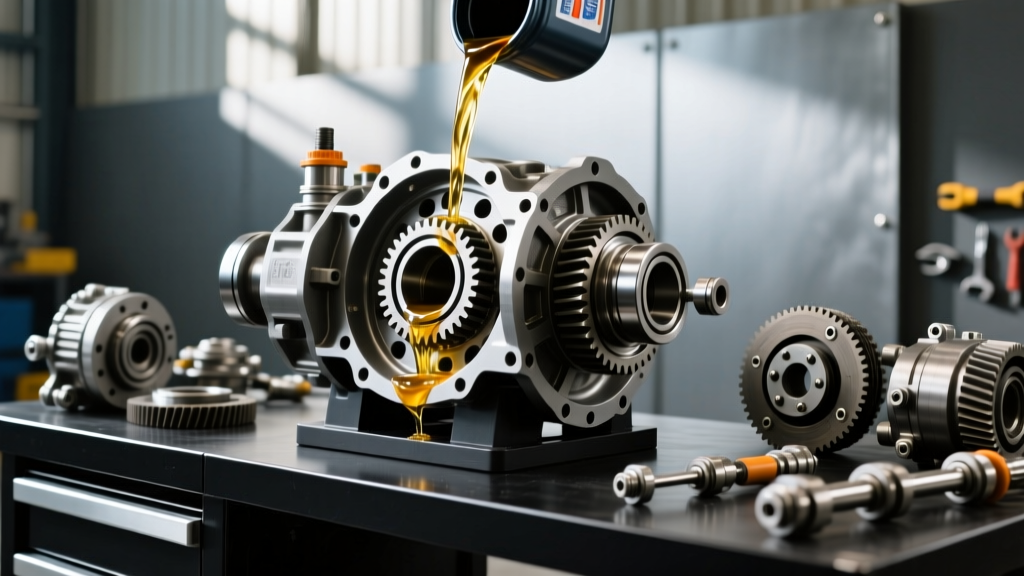
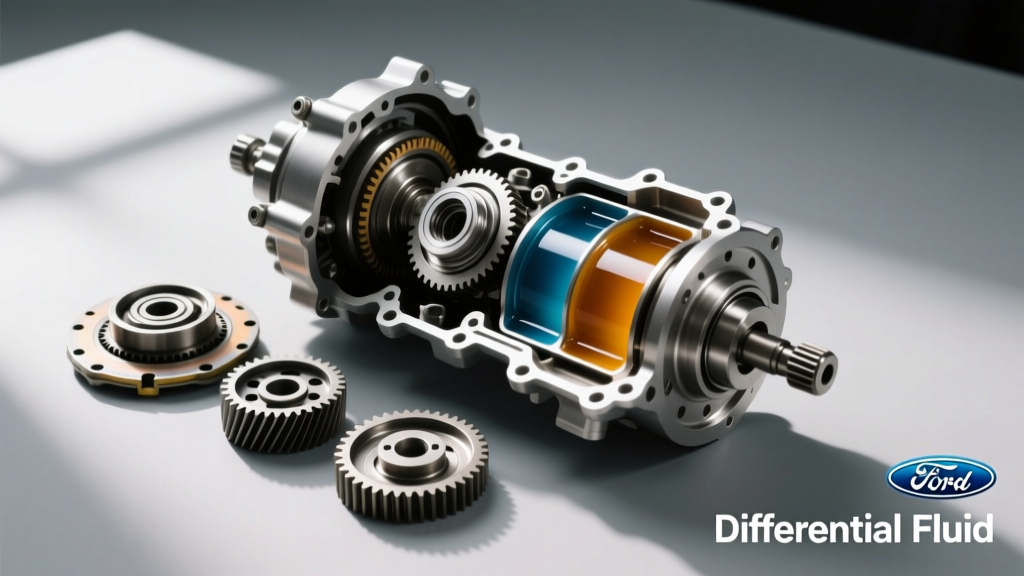
The rear differential is a marvel of hypoid gear engineering, tasked with multiplying torque from the driveshaft while allowing rear wheels to rotate at different speeds during cornering. However, because it operates under extreme shear loads and high thermal stress, it is highly susceptible to wear if lubrication breaks down. Performing a proactive auto differential service is not just about swapping old oil for new; it is a critical diagnostic opportunity. By analyzing auditory symptoms, visual leaks, and the condition of the drained gear oil, technicians and advanced DIYers can predict catastrophic ring and pinion failures before they strand a vehicle. In this comprehensive diagnostic guide, we break down the exact symptoms of rear axle degradation and the precise service protocols required to restore optimal drivetrain health.
Auditory Forensics: Decoding Differential Noises
The most common catalyst for scheduling rear axle maintenance is abnormal noise. Hypoid gear sets and their supporting tapered roller bearings produce distinct acoustic signatures when clearances exceed factory tolerances or when lubrication films fail. Diagnosing these sounds requires isolating the noise under specific load conditions.
| Noise Type | Condition | Probable Failure Point | Diagnostic Action |
|---|---|---|---|
| High-Pitched Whine | Deceleration (Coast) | Ring and pinion gear backlash excessive; drive-side gear tooth spalling. | Check gear lash with a dial indicator. Inspect fluid for glitter. |
| Low-Frequency Rumble | Constant speed (above 45 mph) | Carrier bearing brinelling or pitted raceways. | Swap to synthetic 75W-140 to mask minor pitting; replace bearings if severe. |
| Continuous Howl | Acceleration (Under Load) | Pinion bearing preload loss; pinion seal wear allowing fluid loss. | Check pinion yoke for radial play. Inspect pinion seal for weeping. |
| Metallic Clunk | Shifting from Reverse to Drive | Excessive side gear clearance; worn cross pin or spider gears. | Remove cover and pry on side gears to measure internal slop. |
According to the Yukon Gear & Axle Technical Archives, a whine that changes pitch precisely at the transition from load to coast almost always indicates improper gear contact patterns, often caused by collapsing pinion bearings altering the pinion depth.
Tactile and Visual Symptom Diagnosis
Beyond sound, the rear differential communicates its health through chassis vibration and physical leaks. Limited-slip differentials (LSDs) introduce an additional layer of complexity: clutch pack chatter.
Limited-Slip Chatter vs. Mechanical Bind
If you feel a rhythmic shuddering or binding sensation from the rear axle during tight, low-speed turns (such as navigating a parking space), the differential's friction clutches are failing to slip smoothly. This is often misdiagnosed as a failing U-joint or axle shaft. To confirm LSD chatter, perform a 'Figure-8' test at idle speed on clean asphalt. If the tires hop or skip, the clutch packs are either starved of friction modifier or the friction material has glazed. Adding 4 to 8 ounces of a dedicated friction modifier (such as Ford XL-3 or GM 1052358) during your auto differential service will often resolve this. If the chatter persists after 50 miles of driving, the clutch packs require physical replacement.
Pinpointing Fluid Leaks
Not all leaks originate from the differential cover. Accurate diagnosis requires cleaning the axle housing with brake cleaner and tracing the fluid origin:
- Pinion Seal Leak: Fluid slung radially from the front yoke onto the undercarriage. Often caused by a worn SKF or Timken seal, or a grooved pinion yoke companion surface.
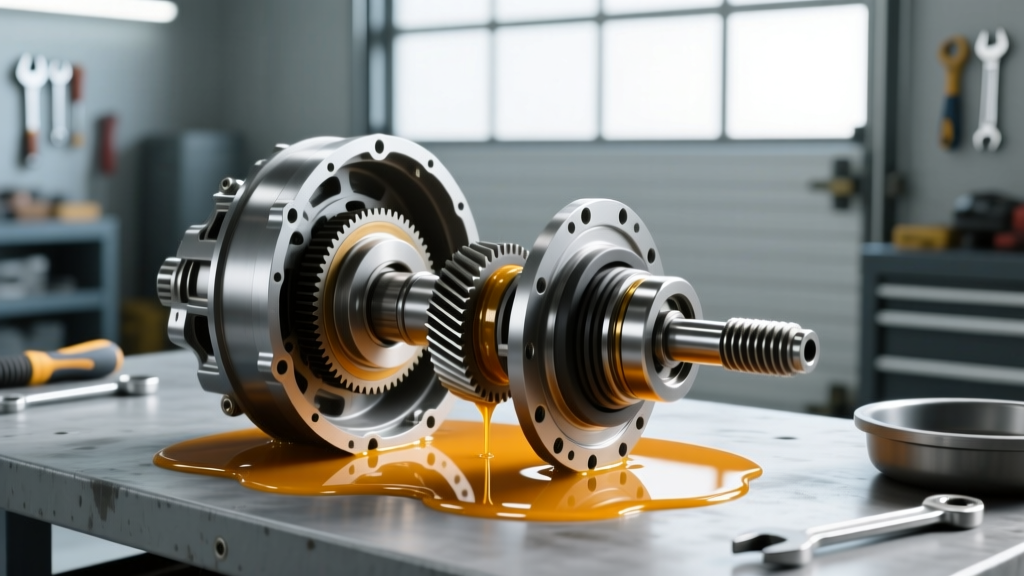
- Axle Seal Leak: Fluid weeping past the backing plate and onto the brake shoes or rotors. Requires axle shaft removal and bearing inspection, as a failing axle bearing will wobble the shaft and destroy a new seal.
- Cover Gasket Leak: Seepage around the perimeter of the differential pan. Usually the result of over-torqued cover bolts warping the stamped steel pan, or old RTV silicone failing due to thermal cycling.
Fluid Forensics: What the Gear Oil Reveals
When you crack the differential cover or pull the drain plug, the condition of the exiting fluid provides a microscopic window into the axle's internal wear. The AMSOIL Technical Bulletins emphasize that gear oil shear breakdown and additive depletion are invisible to the naked eye until physical damage occurs, making regular fluid analysis vital.
The Drain Plug Magnet Test
Most factory drain plugs feature a magnetic tip. The debris collected here tells a specific story:
- Fine, Dark Paste: Normal wear. This is the result of the extreme pressure (EP) additives in the GL-5 gear oil reacting with the ferrous metals during the initial break-in and normal operation.
- Glitter or 'Metallic Frost': Advanced bearing wear. The tapered roller bearings are shedding microscopic flakes. An immediate auto differential service with a high-quality synthetic like Motul Gear 300 75W-90 can extend the axle's life, but a rebuild is on the horizon.
- Chunky Metal Shards or Teeth Fragments: Catastrophic failure. A spider gear, cross pin, or ring gear tooth has sheared. Flushing the fluid will not save this differential; a complete teardown and master rebuild kit (e.g., Timken SET 10 bearings and a new Yukon gear set) are mandatory.
Emulsification and Water Ingress
If the drained fluid resembles a chocolate milkshake, water has infiltrated the axle housing. This typically occurs through a clogged axle breather valve. When the differential heats up, internal pressure expands; when it cools (especially if submerged in water during off-roading or heavy rain), it creates a vacuum. If the breather tube on the axle housing is clogged with mud or debris, the vacuum will pull water past the axle seals. Always replace the breather cap and clear the vent hose during any rear differential service.
Application-Specific Service Data and Torque Specs
Using the correct fluid viscosity and adhering to precise torque specifications is non-negotiable. Over-torquing differential cover bolts will warp the mating surface, guaranteeing a leak. Below is a reference table for the most common rear axles found in modern trucks and SUVs.
| Axle Model | Common Vehicles | Fluid Capacity | Recommended Viscosity | Cover Bolt Torque | Sealing Method |
|---|---|---|---|---|---|
| Ford 8.8 (31-Spline) | F-150, Mustang, Explorer | 3.7 - 5.5 Pints | 75W-140 Synthetic | 28 - 38 lb-ft | RTV Silicone or Cork |
| GM 9.5 (10.5-inch) | Silverado 2500, Tahoe | 2.75 - 3.0 Pints | 75W-90 Synthetic | 22 lb-ft | Fel-Pro RDS 55028 Gasket |
| Dana 44 (JK/JL) | Jeep Wrangler | 3.5 - 4.0 Pints | 80W-90 or 75W-140 | 30 - 35 lb-ft | RTV or O-Ring (if equipped) |
| Chrysler 9.25 (AAM) | Ram 1500, Grand Cherokee | 4.5 - 5.0 Pints | 75W-140 Synthetic | 45 lb-ft | Reusable Rubber Gasket |
For heavy-duty towing and off-road applications, the Dana Spicer Resource Center recommends stepping up to a 75W-140 viscosity to maintain a thicker hydrodynamic film between the hypoid gear teeth under extreme shock loading.
The 2026 Service Protocol: Avoiding Common Pitfalls
Executing a flawless auto differential service requires more than just a drain pan and a socket wrench. Follow this expert protocol to ensure longevity:
- Preparation and Cleaning: Before removing a single bolt, pressure wash the exterior of the differential housing. Introducing external grit into the open differential is a primary cause of premature bearing failure.
- Pan Removal and RTV Prep: If your axle uses RTV silicone instead of a pre-cut gasket, you must remove 100% of the old silicone from both the housing and the cover. Use a plastic gasket scraper to avoid gouging the mating surfaces. Clean both surfaces with acetone or brake cleaner until completely oil-free.
- RTV Application: Apply a continuous 3mm bead of high-temp, oil-resistant RTV (such as Permatex Ultra Black). Do not over-apply; excess silicone will squeeze into the axle and clog the oil pickup or bearing journals.
- Curing Time: This is where most DIYers fail. Standard RTV requires a minimum of 2 to 4 hours to skin over, and ideally 24 hours to fully cure before submerging it in gear oil. If you fill the differential immediately, the oil will prevent the silicone from curing, resulting in an instant leak.
- Friction Modifier Sequencing: If servicing a clutch-type LSD, always pour the friction modifier into the empty differential before adding the base gear oil. This ensures the modifier mixes thoroughly rather than floating on top of the heavier 75W-90 or 75W-140 fluid.
Cost Breakdown: DIY vs. Professional Service
As of 2026, the cost of a professional rear auto differential service at a specialized drivetrain shop typically ranges from $250 to $450, heavily dependent on the cost of full-synthetic gear oil and regional labor rates. Shops often utilize bulk fluid pumps, which can sometimes lead to cross-contamination if lines aren't purged, making the DIY route highly attractive for enthusiasts.
A premium DIY service using top-tier fluids like Red Line 75W-90 (approx. $25 per quart) and a high-quality gasket kit will cost between $90 and $160 in materials. While the financial savings are significant, the true value of the DIY service lies in the forensic inspection. A shop technician performing a routine fluid swap is unlikely to spend ten minutes analyzing the drain plug magnet or inspecting the axle breather tube. By taking control of your rear differential maintenance, you gain intimate knowledge of your drivetrain's health, allowing you to address minor seal leaks and bearing wear before they escalate into a $2,500 axle replacement.
Conclusion
Treating your rear auto differential service as a diagnostic procedure rather than a mere maintenance checkbox is the hallmark of true automotive expertise. By listening to the acoustic signatures of your hypoid gears, analyzing the forensic evidence left on the drain plug magnet, and adhering strictly to OEM torque and fluid specifications, you can easily extend the life of your rear axle well past the 200,000-mile mark. Whether you are maintaining a daily-driven Silverado or prepping a Dana 44 for the trails, precise diagnosis and meticulous service execution are your best defenses against catastrophic drivetrain failure.