Engineering Shift: Why the 2015 F-150 Changed Differential Specs
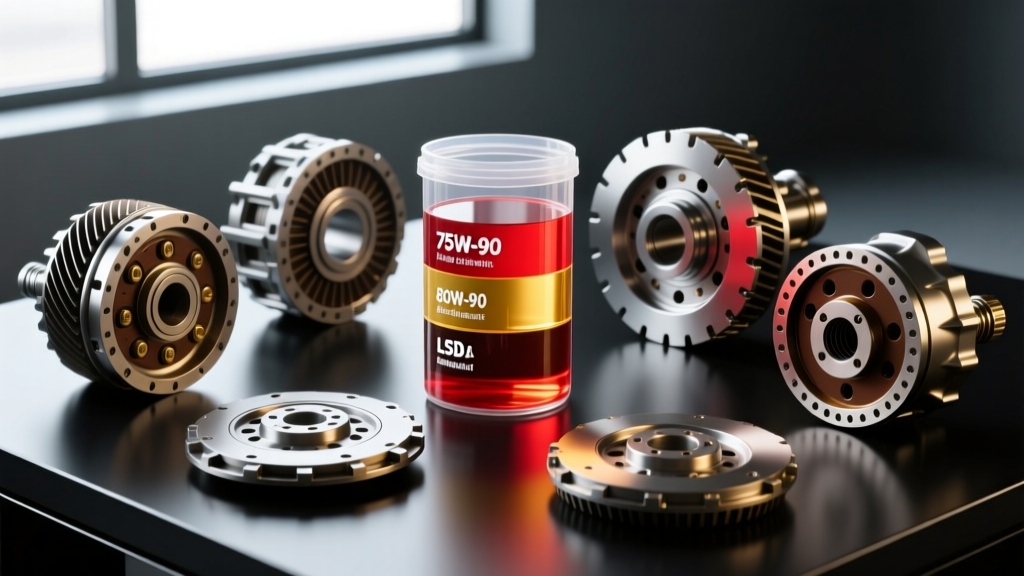
The 2015 model year marked a watershed moment for the Ford F-150, introducing an aluminum-alloy body and a complete powertrain recalibration. However, one of the most critical yet overlooked changes occurred beneath the truck: a fundamental shift in the 2015 F150 rear differential gear oil specifications. To meet stringent CAFE (Corporate Average Fuel Economy) standards, Ford engineers aggressively targeted parasitic drivetrain losses. The result was a factory transition from traditional heavy-weight 75W-140 gear oil to a much lighter, full-synthetic 75W-85 specification for standard-duty applications.
For owners and independent mechanics navigating maintenance in 2026, understanding this specification change is not just a matter of mechanical pedantry—it directly impacts your wallet, your towing capability, and the longevity of the hypoid gear sets. This comprehensive cost analysis and specification breakdown will detail exactly what fluid your specific axle requires, how much it costs to service, and where dealerships often inflate the bill.
Factory Gear Oil Specifications & Axle Capacities
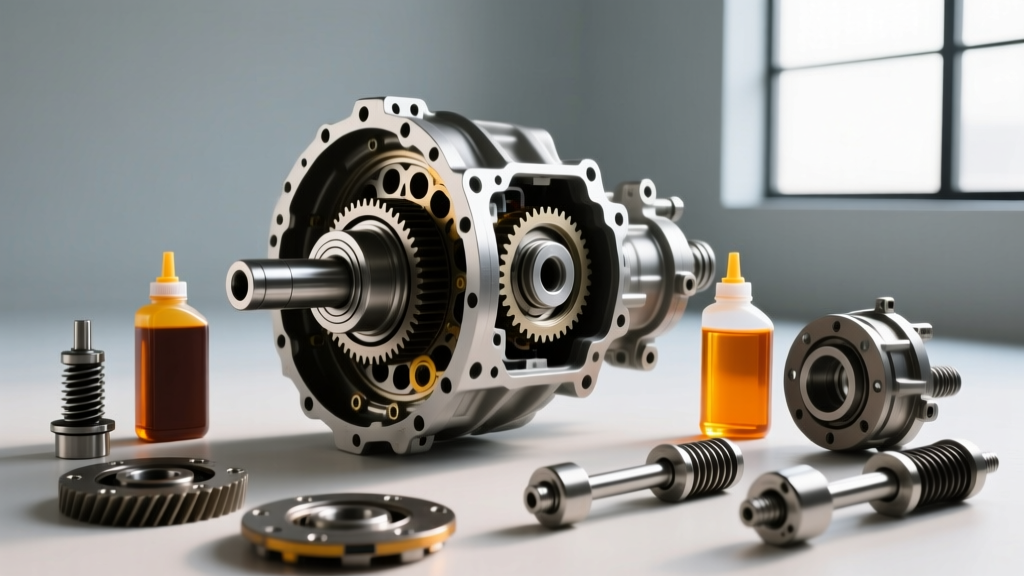
The 2015 F-150 was equipped with three primary rear axle variants depending on the engine configuration and payload package. Identifying your axle is the mandatory first step before purchasing fluid, as the capacities and viscosity requirements differ significantly.
| Axle Variant | Common Engine Pairing | Factory Fluid Spec | Capacity | Motorcraft Part # |
|---|---|---|---|---|
| 8.8-inch (31-spline) | 2.7L EcoBoost, 5.0L V8 (Base) | 75W-85 Synthetic | 2.25 Pints (1.12 Qt) | XT-5-Q85 |
| 9.75-inch (34-spline) | 3.5L EcoBoost, 5.0L V8 (Max Tow) | 75W-85 Synthetic | 3.0 Quarts | XT-5-Q85 |
| 10.5-inch (14-Bolt) | Heavy Duty Payload Package | 75W-140 Synthetic | 3.5 Quarts | XT-75W140-Q |
According to Ford Motor Company Official Support, the 8.8-inch and 9.75-inch axles utilize the 75W-85 fluid to minimize rotational drag. The 10.5-inch axle, reserved for extreme payload configurations, retains the thicker 75W-140 to manage the immense shear forces generated by heavier gross vehicle weight ratings (GVWR).
2026 Cost Analysis: DIY vs. Professional Service
As of early 2026, the aftermarket and OEM pricing for synthetic gear lubricants has stabilized following the supply chain fluctuations of previous years. However, labor rates at dealerships have continued their upward trajectory. Let us break down the actual financial outlay required for a 2015 F150 rear differential service.
Itemized DIY Expense List (9.75-inch Axle Example)
Servicing the 9.75-inch axle at home requires approximately 3 quarts of fluid. Because the 9.75-inch differential on the 2015 model often lacks a traditional drain plug (requiring fluid extraction via the fill hole or cover removal), you must factor in extraction tools or RTV sealant.
- Motorcraft 75W-85 Synthetic (3 Qts): $54.00 - $66.00 ($18-$22 per quart)
- Motorcraft XL-3 Friction Modifier (4 oz): $9.50 - $12.00 (Part # EOAZ-19546-A)
- Motorcraft TA-32 Silicone RTV (if removing cover): $14.00
- Fluid Extractor Pump (One-time purchase): $25.00 - $40.00
- Brake Cleaner & Shop Towels: $8.00
- Total DIY Cost: $85.50 - $140.00 (Amortized to ~$75 on subsequent changes if extractor is reused)
Professional Shop & Dealership Pricing Variables
If you take the truck to a Ford dealership or a specialized drivetrain shop, the pricing structure shifts dramatically. Dealerships typically charge a flat-rate 'maintenance menu' price for differential services. In 2026, expect to pay between $130.00 and $185.00 for a standard rear differential fluid exchange. This price usually includes up to 3 quarts of bulk synthetic 75W-85 and roughly 0.8 hours of shop labor at $140-$170 per hour.
Hidden Cost Warning: Many quick-lube chains and independent shops do not stock 75W-85. They will often substitute 75W-90, which is technically out of spec for the 2015 F-150's fuel-economy tune, or they will overcharge for 'premium synthetic' upcharges that are already included in the OEM Motorcraft baseline price. Always verify the exact viscosity on the invoice before authorizing the work.
The Viscosity Debate: 75W-85 vs. 75W-140
A frequent point of contention on enthusiast platforms like the F150Forum Drivetrain Section is whether owners should deviate from the factory 75W-85 specification in favor of the older, heavier 75W-140. The logic seems sound to the uninitiated: thicker oil equals better protection. However, modern tribology tells a different story.
The factory 75W-85 synthetic is engineered with advanced shear-stable polymers. It maintains its hydrodynamic film strength across the hypoid gear's sliding contact patches while drastically reducing churning losses. Switching to a 75W-140 in a standard 8.8 or 9.75 axle will increase differential operating temperatures due to fluid friction and will negatively impact your fuel economy by 1-2 MPG.
Expert Towing Exception: If you use your 2015 F-150 (equipped with the 9.75-inch axle) to tow loads exceeding 6,500 lbs on a weekly basis in high-ambient temperatures, upgrading to a high-quality 75W-140 (such as those detailed in Red Line Synthetic Oil Technical Guides) is a justifiable deviation. The sheer thermal load of continuous heavy towing can overwhelm the thermal capacity of the 75W-85, leading to accelerated wear on the pinion bearings.
Friction Modifiers & Limited-Slip Clutch Packs
The 2015 F-150 was available with an electronic locking rear differential (ELD) or a traditional clutch-based limited-slip differential (LSD), depending on the trim and axle code. If your axle code indicates a standard limited-slip unit (e.g., code H9 or similar depending on the specific build sheet), the gear oil specification requires a friction modifier.
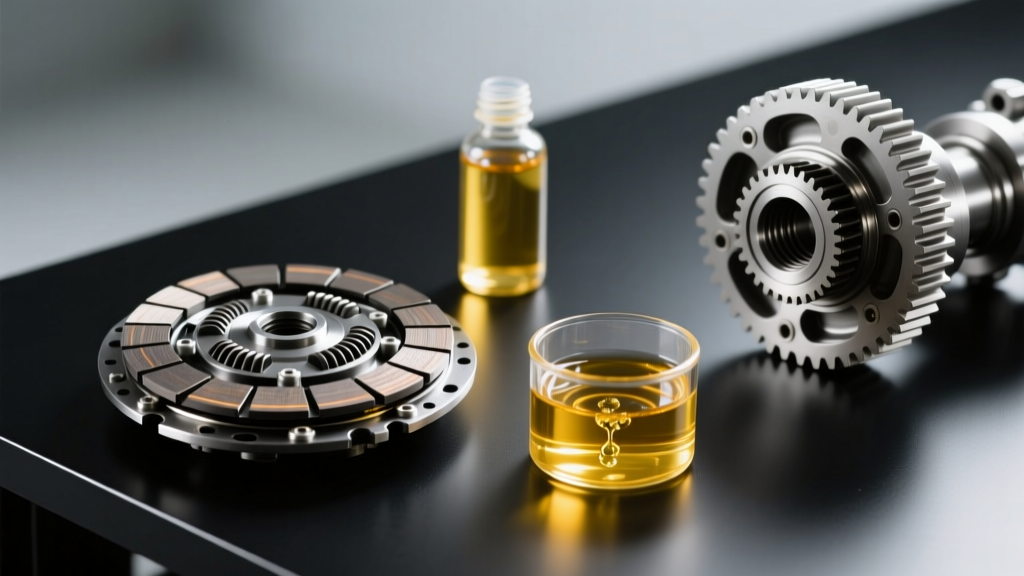
Ford specifies the addition of 4 ounces of Motorcraft XL-3 (or an equivalent meeting Ford EST-M2C118-A specifications). This additive alters the coefficient of friction on the clutch packs, preventing the infamous 'chatter' or 'judder' experienced during low-speed, tight-radius turns. Cost-Saving Note on Aftermarket Fluids: Many premium aftermarket synthetic gear oils (like AMSOIL Severe Gear or Red Line 75W85) already contain a robust limited-slip friction modifier package out of the bottle. If you opt for these high-end fluids (typically $28-$35 per quart), you can often skip the $12 bottle of XL-3, effectively neutralizing the cost difference between OEM and top-tier aftermarket options.
Critical Torque Specs & Assembly Notes
A proper cost analysis must also account for the cost of making a mistake. Stripping a differential cover bolt or over-torquing a fill plug can turn a $75 DIY job into a $400 helicoil repair. The 2015 F-150 aluminum axle housings (on certain configurations) and thin-walled steel covers require strict adherence to torque specifications.
Essential Torque Data
- 8.8" & 9.75" Fill Plug: 33 lb-ft. (Do not exceed; the plug uses a tapered thread and can crack the housing boss).
- 8.8" & 9.75" Cover Bolts: 28 lb-ft. (Must be tightened in a crisscross star pattern to ensure even RTV compression).
- 10.5" Cover Bolts: 35 lb-ft.
When re-sealing the differential cover, do not rely on cheap cork gaskets. The factory procedure dictates the use of a continuous bead of Motorcraft TA-32 silicone (or equivalent high-temp RTV). Allow the RTV to skin over for 15 minutes before torquing the bolts, and wait a full 2 hours before filling with gear oil to prevent the sealant from blowing out under hydraulic pressure.
Summary: Maximizing Your Drivetrain Investment
The 2015 F150 rear differential represents a highly optimized piece of engineering that demands exact adherence to its 75W-85 synthetic specification for daily driving and light-duty use. By sourcing your own Motorcraft XT-5-Q85 fluid and performing the extraction or resealing process in your own garage, you can easily cut the 2026 dealership service costs by more than 50%. Whether you are maintaining a base 8.8-inch commuter axle or prepping a 9.75-inch EcoBoost hauler for a cross-country tow, understanding these precise fluid specs and cost variables ensures your drivetrain operates flawlessly for hundreds of thousands of miles.