The Performance Driver’s Dilemma: OEM Lockup Failure
For enthusiasts pushing high-horsepower builds, the automatic transmission’s torque converter clutch (TCC) is often the weakest link in the drivetrain. When the factory TCC begins to fail, it manifests through a variety of bad torque converter symptoms that can ruin both your quarter-mile times and your highway cruising efficiency. While a standard replacement might suffice for a stock daily driver, performance applications demand a more robust solution. Upgrading to a dedicated performance torque converter lockup kit is the definitive way to eliminate slip, eradicate shudder, and handle the increased torque loads of modified engines.
Decoding Bad Torque Converter Symptoms in High-Output Builds
Before tearing into the bellhousing, it is critical to accurately identify the specific failure mode of your TCC. Factory lockup clutches are typically designed with single-disc, paper-based friction materials meant to handle stock torque levels (usually under 350 lb-ft at the crank). When subjected to aggressive tuning, larger turbochargers, or heavy towing, the hydraulic apply pressure and friction surface area become woefully inadequate.
1. TCC Shudder (The Rumble Strip Effect)
TCC shudder occurs when the lockup clutch is commanded to apply, but the friction material cannot maintain a static grip. Instead of locking solidly, the clutch rapidly slips and grabs hundreds of times per second. This creates a harmonic vibration that feels exactly like driving over highway rumble strips, typically occurring between 40-55 mph in 3rd or 4th gear. In performance builds, this is often the first sign that the OEM friction material has glazed or the TCC apply valve in the valve body is worn.
2. RPM Flares and Excessive Slip in Overdrive
If your tachometer shows an unexpected 200-400 RPM increase while cruising at a steady throttle in top gear, your TCC is slipping. Modern OBD-II systems monitor TCC slip speed. If the powertrain control module (PCM) detects slip exceeding the calibrated threshold (usually 100-130 RPM) for more than a few seconds, it will trigger a Check Engine Light and set codes like P0741 (Torque Converter Clutch Circuit Performance or Stuck Off).
3. Catastrophic Transmission Overheating
The primary purpose of the TCC is to eliminate fluid coupling slip, thereby reducing heat generation. A slipping lockup clutch acts like a continuous brake, transferring massive amounts of thermal energy into the transmission fluid. If you are seeing transmission fluid temperatures (TFT) consistently exceeding 220°F (104°C) during highway driving, your TCC is failing to achieve a 1:1 mechanical lock.
Diagnostic Protocol: Isolating the TCC Circuit
Do not blindly replace hardware without verifying the hydraulic and electronic controls. Use a bi-directional scan tool to perform a definitive TCC apply test.
- Monitor TCC Slip Speed: Command the TCC solenoid to 100% duty cycle (or 0% on inverted circuits) at 55 mph. Slip speed should drop to under 20 RPM. Anything higher indicates mechanical slip.
- Check Apply Pressure: Install a transmission pressure gauge on the TCC apply port. During lockup, apply pressure should spike to 110-130 PSI on most GM and Ford units. Low pressure points to a worn TCC regulator valve or leaking turbine shaft seals.
- Inspect PWM Solenoid Duty Cycle: Many modern transmissions use a Pulse Width Modulated (PWM) solenoid to control lockup feel. A failing PWM solenoid will cause erratic apply rates, leading to shudder even if the clutch discs are perfectly healthy.
Why a Performance Torque Converter Lockup Kit is the Ultimate Fix
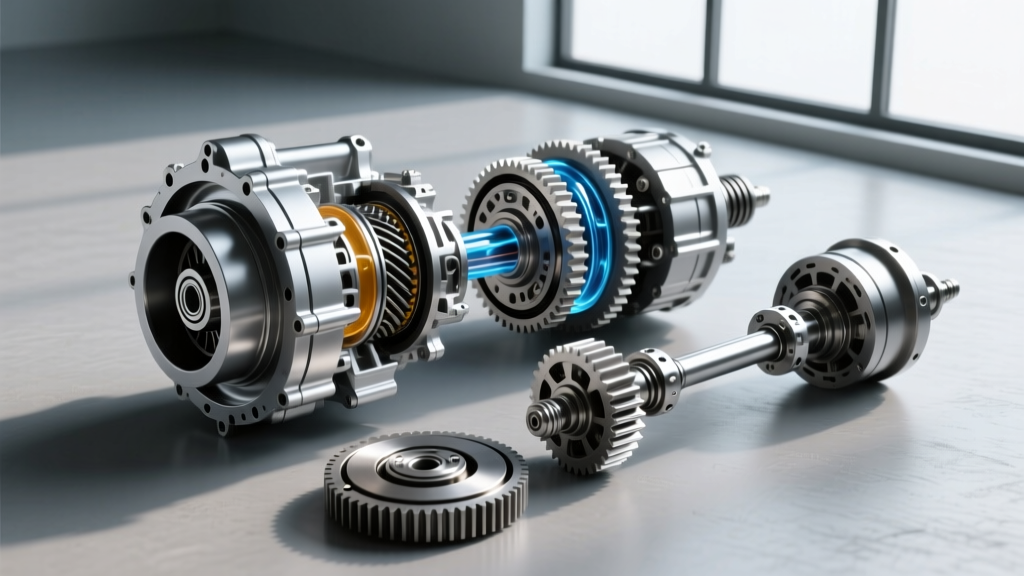
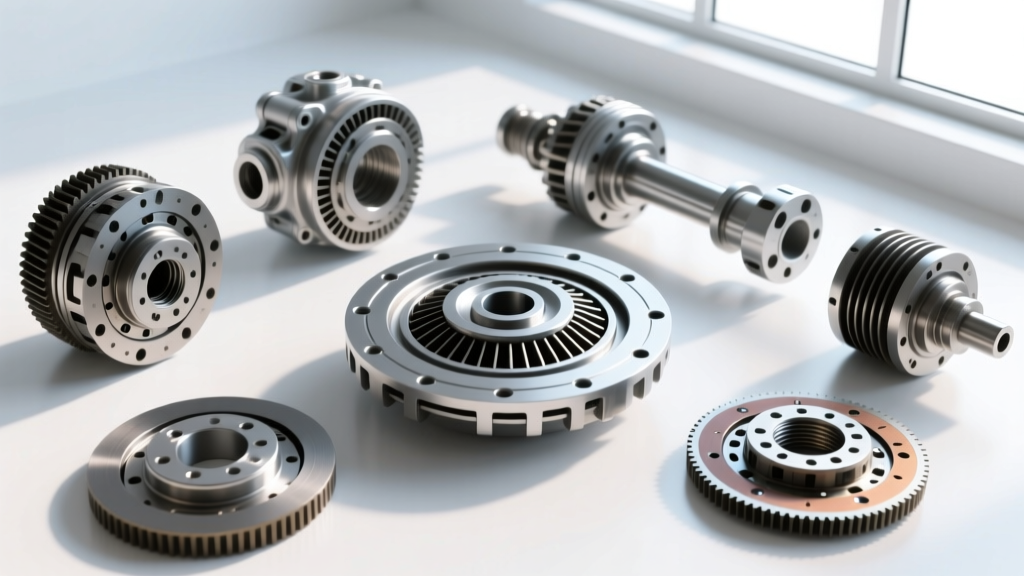
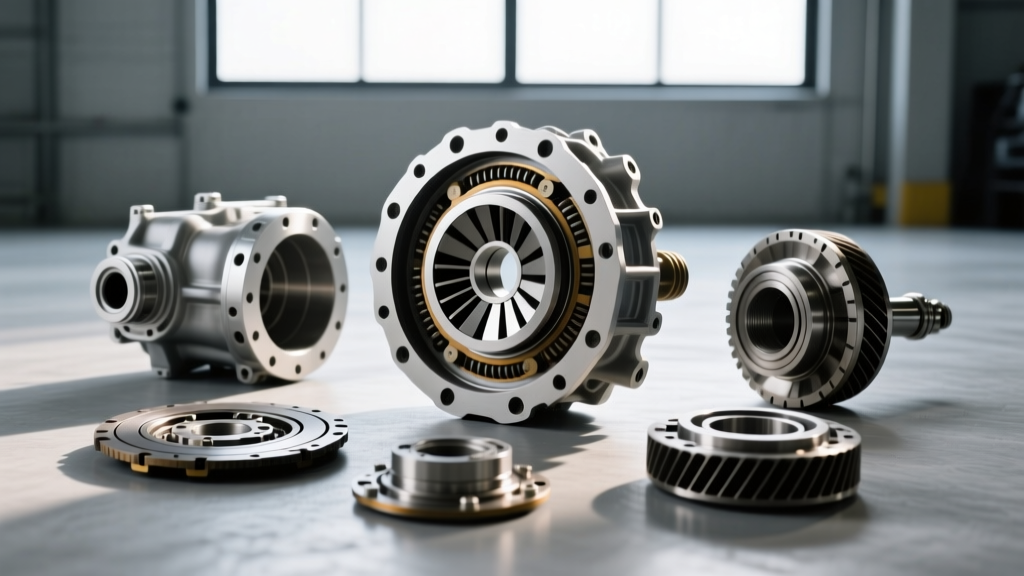
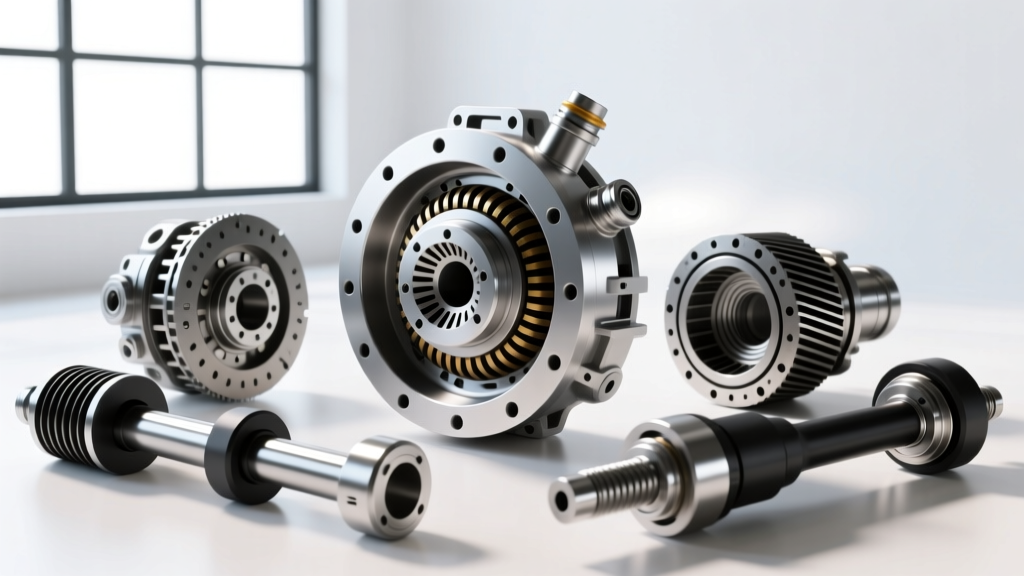
When diagnostics confirm mechanical slip or shudder in a modified vehicle, simply installing a stock replacement converter is a temporary band-aid. A performance torque converter lockup kit addresses the root cause by upgrading the internal architecture of the converter and the hydraulic controls that feed it.
| Feature | OEM Factory TCC | Performance Lockup Kit (e.g., Triple-Disc) |
|---|---|---|
| Friction Material | Single-layer paper/cellulose | Kevlar, Carbon, or Sintered Bronze |
| Disc Configuration | Single Disc | Dual or Triple Disc |
| Max Torque Capacity | 350 - 400 lb-ft | 800 - 1,200+ lb-ft |
| Apply Piston | Stamped Steel (prone to flex) | Billet Aluminum or Billet Steel |
| Thermal Threshold | Degrades rapidly over 200°F | Withstands 300°F+ without glazing |
By multiplying the friction surface area (via dual or triple discs) and utilizing high-performance friction materials, the lockup kit distributes the clamping force evenly. This eliminates the localized hot spots that cause OEM paper discs to glaze and shudder. Furthermore, upgrading the apply piston to a billet unit prevents the microscopic flexing that robs hydraulic pressure at high RPM.
Application Spotlight: Upgrading the 4L60E and 6L80
To illustrate the necessity of a lockup kit upgrade, let us examine two of the most popular performance platforms.
The GM 4L60E / 4L65E Platform
The 4L60E is notorious for TCC apply issues, primarily due to wear in the valve body's TCC regulator valve and isolator valve. When these aluminum bores wear out, apply fluid leaks back to the sump, resulting in low clamping pressure.
The Fix: Before installing a high-stall performance converter with a billet lockup kit, you must address the valve body. Installing a Sonnax TCC Regulator Valve Kit (Part #77600-06K) restores proper hydraulic sealing. Pair this with a triple-disc Kevlar lockup clutch, and the 4L60E can reliably hold 1:1 lockup well past 600 lb-ft of torque.
The GM 6L80 / 6L90 Platform
The 6L80 utilizes a highly sophisticated PWM-controlled TCC apply strategy. Bad torque converter symptoms here often present as a 'check engine light' with P2763 (Torque Converter Clutch Pressure Control Solenoid High). While the solenoid itself is a common failure point, the internal TCC clutch hub in the converter can also strip under heavy load.
The Fix: Upgrading to a performance torque converter lockup kit for the 6L80 involves upgrading to a forged steel clutch hub and utilizing a carbon-impregnated friction disc setup. Companies like TCI Automotive offer specialized 6L80 lockup kits that increase the friction area by over 40%, ensuring the PCM's aggressive apply maps do not overwhelm the clutch pack.
Critical Installation Specs and Tuning Parameters
Installing a performance lockup kit requires strict adherence to mechanical tolerances and electronic calibration. Failure to observe these will result in immediate recurrence of bad torque converter symptoms.
Expert Insight: Never reuse OEM flexplate-to-converter bolts. The cyclic loading of a high-stall, multi-disc lockup kit will fatigue stock hardware. Always use Grade 8 or ARP fasteners coated with medium-strength threadlocker.
Mechanical Clearances & Torque Specs
- Flexplate Runout: Must be less than 0.015 inches. Excessive runout causes the TCC piston to apply at an angle, leading to immediate localized wear and shudder.
- Converter-to-Flexplate Bolts: Torque to 35-40 lb-ft (verify specific OEM spec) with blue Loctite. Ensure a minimum of 1/8" thread engagement.
- Bellhousing-to-Block Bolts: Torque to 37 lb-ft (GM standard). Misalignment here binds the turbine shaft, preventing full TCC apply.
- Endplay: Verify transmission endplay (typically 0.010" - 0.025") before mating the converter to ensure the TCC piston is not pre-loaded against the apply surface.
Tuning the TCC Apply Map
With a performance torque converter lockup kit installed, the factory PCM calibration will likely be inadequate. Using software like HP Tuners, you must adjust the TCC Apply/Release pressure tables. Because multi-disc kits require less hydraulic pressure to achieve full lock (due to increased surface area), you should reduce the commanded PWM duty cycle for apply pressure by 10-15% to prevent harsh, driveline-shocking engagements. Additionally, adjust the 'TCC Enable/Disable Speed' tables to lock the converter earlier in 3rd gear, maximizing the thermal benefits of your new hardware.
Cost Breakdown: Is the Upgrade Worth It?
When evaluating the repair of bad torque converter symptoms, factor in the long-term reliability of your build.
| Component / Service | Estimated Cost (USD) |
|---|---|
| OEM Replacement Torque Converter | $250 - $450 |
| Performance Converter w/ Triple-Disc Lockup Kit | $750 - $1,200 |
| Valve Body TCC Regulator Upgrade (e.g., Sonnax) | $45 - $85 |
| High-Performance Synthetic ATF (e.g., Dexron VI / Amsoil) | $80 - $120 |
While the initial investment for a performance lockup kit is higher, it prevents the cascading failures associated with OEM TCC slip—namely, burnt clutch packs and destroyed planetary gears caused by contaminated fluid. For any vehicle producing over 400 wheel horsepower, a dedicated torque converter lockup kit is not just an upgrade; it is a mandatory reliability measure.