The Anatomy of the Honda Pilot TCC Judder
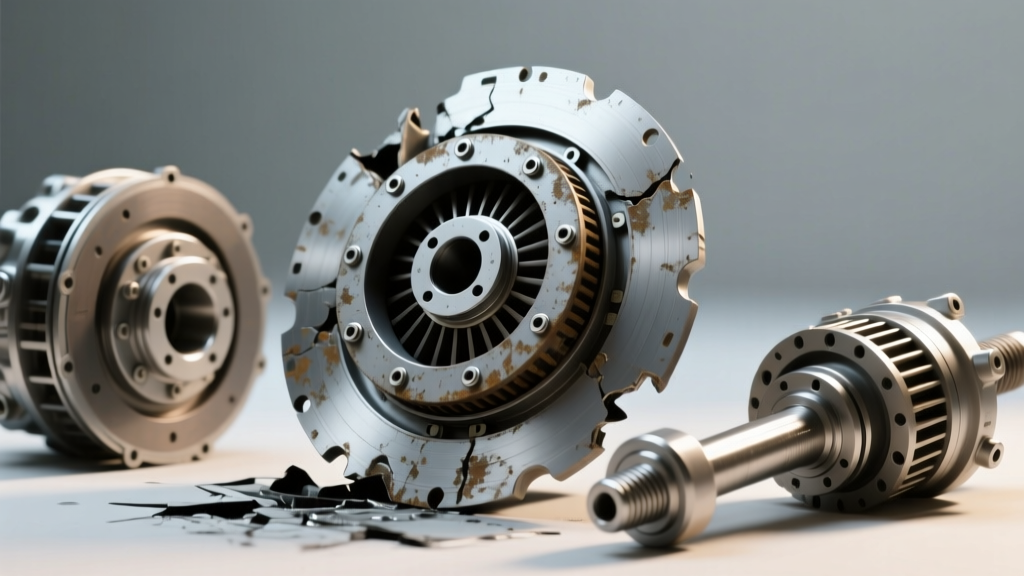
The 2016-2022 Honda Pilot, equipped with the 3.5L Earth Dreams V6 (J35Y6), is a cornerstone of the mid-size SUV segment. However, its aggressive torque converter clutch (TCC) slip-control strategy—designed to simulate a direct mechanical lock for improved EPA fuel economy—has led to widespread drivability complaints. When owners search for a honda pilot torque converter recall, they are typically experiencing the infamous 20-45 mph shudder, a vibration caused by the degradation of the TCC friction material inside the converter.
As we navigate the 2026 automotive repair landscape, understanding the distinction between a federal safety recall, a manufacturer Technical Service Bulletin (TSB), and an extended warranty class-action settlement is critical for accurate diagnosis and cost estimation. Whether your Pilot is equipped with the Honda-manufactured 6-speed automatic or the ZF 9HP48 9-speed, the torque converter remains the primary failure point for low-speed driveline shudder.
Recall vs. TSB: What Honda Actually Covers
It is a common misconception that there is a blanket NHTSA-mandated honda pilot torque converter recall for all model years. In reality, Honda addressed the TCC judder primarily through Technical Service Bulletins (notably TSB 19-058 and subsequent revisions) and targeted software updates. According to the Honda Owners Recall Portal, true safety recalls are reserved for issues posing an immediate risk of injury or fire, whereas TCC shudder is classified as a durability and drivability concern.
However, due to the sheer volume of NHTSA complaints regarding stalling and severe shudder, Honda initiated customer satisfaction programs and extended powertrain warranty coverage for specific VIN ranges. If your Pilot falls outside these extended coverage windows in 2026, you are facing an out-of-pocket replacement. The root cause is the breakdown of the aramid-based friction lining inside the TCC, which contaminates the transmission fluid with microscopic debris, eventually clogging the solenoid screens and valve body passages.
2026 Cost Breakdown: Dealership vs. Independent Specialists
Replacing a torque converter on a transverse-mounted V6 SUV requires dropping the rear subframe, supporting the engine, and separating the transaxle from the block. Below is the 2026 cost matrix for a complete torque converter replacement, including mandatory fluid flushes and PCM software recalibration.
| Component / Service | Honda Dealership (2026) | Independent Trans. Specialist | DIY / Parts Only |
|---|---|---|---|
| OEM Torque Converter (6-Speed) | $1,150 - $1,400 | $850 - $1,050 | $750 (OEM) |
| OEM Torque Converter (ZF 9HP48) | $1,600 - $1,950 | $1,200 - $1,500 | $1,100 (ZF Reman) |
| Labor (8.5 - 11.0 Hours) | $1,600 - $2,200 | $1,000 - $1,400 | $0 |
| Fluids (DW-1 or ZF Lifeguard 8) | $180 - $250 | $120 - $160 | $90 |
| PCM Software Flash & Adaptation | $150 - $220 | $100 - $150 | $0 (Requires J2534) |
| Total Estimated Cost | $3,080 - $4,020 | $2,070 - $3,110 | $840 - $1,190 |
Note: If the degraded friction material has scored the transmission cooler lines or contaminated the radiator-integrated cooler, an additional $400-$600 must be allocated for an auxiliary cooler flush or radiator replacement.
Transmission-Specific Diagnostics: 6-Speed vs. ZF 9-Speed
Before authorizing a $3,000+ repair, a definitive diagnosis is required. The Pilot utilizes two distinct automatic transmissions during the problematic generation, and their diagnostic parameters differ.
The Honda 6-Speed (BAYA/MAYA Variants)
The Honda 6-speed relies on a highly modulated TCC apply strategy. Using a bidirectional scan tool (e.g., Snap-on Zeus or Autel MaxiSys), monitor the TCC Slip RPM PID while cruising at a steady 35 mph in 4th or 5th gear. The target slip is typically 10-20 RPM. If the slip fluctuates wildly between -40 and +80 RPM, the friction material is delaminating. Furthermore, check the Linear Solenoid C duty cycle; erratic pulsing indicates the valve body is struggling to compensate for a failing converter clutch.
The ZF 9HP48 (9-Speed)
The ZF 9-speed uses a centrifugal pendulum absorber (CPA) inside the torque converter to dampen engine harmonics at low RPMs. When the CPA fails or the TCC degrades, the shudder is often accompanied by a distinct metallic rattling at idle or during the 2-3 and 3-4 gear shifts. ZF units are highly sensitive to fluid degradation. If the ZF Lifeguard 8 fluid smells burnt or contains heavy metallic particulate on the dipstick, the internal mechatronic unit sleeve is likely compromised alongside the torque converter.
Precision Repair Protocol: Torque Specs and Fluids
For the independent technician or advanced DIYer undertaking this repair, adhering to Honda's exact torque specifications and fluid requirements is non-negotiable. The J35Y6 engine and transmission mating procedure requires meticulous attention to detail.
- Flexplate to Crankshaft Bolts: 55 lb-ft + 60-degree turn. (Always use new OEM stretch bolts, Part # 90122-RDJ-A01).
- Torque Converter to Flexplate: 13 lb-ft. Apply a medium-strength threadlocker (Blue Loctite 243) to prevent backing out under high-torque V6 loads.
- Bellhousing to Engine Block (Upper): 47 lb-ft.
- Bellhousing to Engine Block (Lower): 33 lb-ft.
- Rear Subframe Mounting Bolts: 76 lb-ft + 90-degree turn. (Subframe alignment pins must be perfectly seated to prevent driveline binding with the i-VTM4 AWD system).
The Fluid Mandate
Cross-contamination of fluids will result in immediate catastrophic failure of the replacement unit. The Honda 6-speed requires Honda ATF DW-1 (Part # 08200-9008). The ZF 9HP48 strictly requires ZF LifeguardFluid 8 (available via ZF Aftermarket distributors). Do not use universal synthetic ATFs; the friction modifiers in DW-1 and Lifeguard 8 are engineered specifically for the respective TCC clutch pack materials.
The Software Flash Prerequisite
The most frequently overlooked step in a Pilot torque converter replacement is the Powertrain Control Module (PCM) software update. Honda's original TCC slip-control algorithm was overly aggressive, causing the converter to operate in a constant micro-slip state to save fuel. This micro-slip generated excess heat, glazing the friction material.
When installing a new torque converter (Part # 22000-RLV-A01 for most 6-speed applications), the PCM must be flashed with the latest calibration file via Honda's HDS (Honda Diagnostic System) or a verified J2534 passthrough device. This updated software widens the TCC lockup threshold and alters the slip-ramp rates, effectively protecting your new investment from suffering the exact same failure 20,000 miles down the road. Skipping the software flash voids most independent shop warranties and guarantees a return visit for the dreaded 30-mph shudder.
Final Verdict for 2026 Owners
If your Pilot is exhibiting TCC shudder, start by verifying your VIN against Honda's customer satisfaction databases. If you are uncovered, seek out a dedicated transmission specialist rather than a general repair shop. The specialized tooling required for the ZF 9-speed mechatronic adaptations and the Honda 6-speed clutch-clearance checks demands transmission-specific expertise. By combining OEM hardware, strict adherence to torque specifications, and the mandatory PCM recalibration, you can restore your Pilot's drivetrain to factory-smooth operation for the long haul.