The Hidden Danger of Mountain Grades on Automatic Transmissions
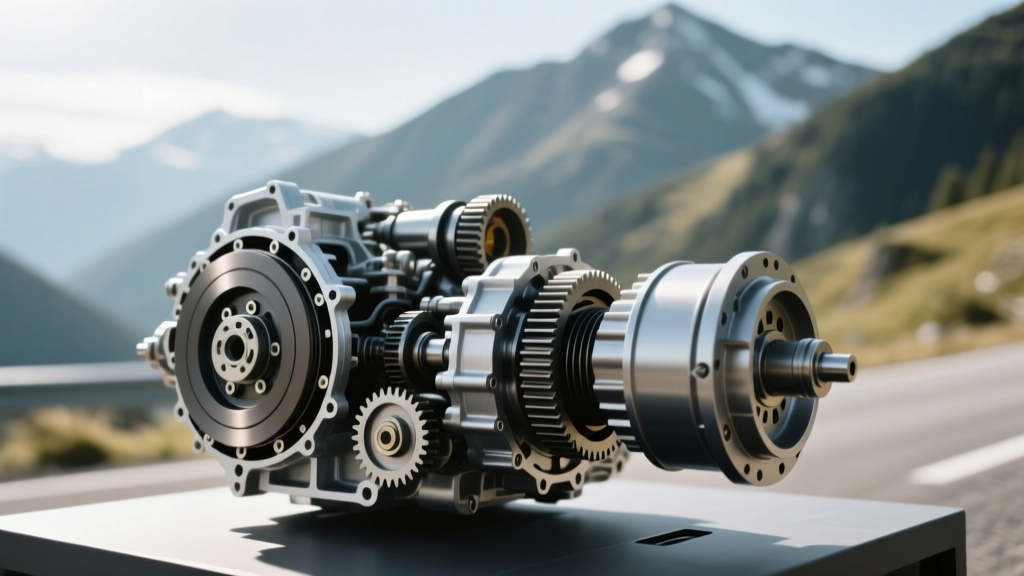
Mountain driving offers breathtaking vistas and thrilling elevation changes, but it also introduces severe mechanical stress to your vehicle's drivetrain. While most drivers focus on brake fade during steep descents, a far more insidious threat occurs when the vehicle finally comes to a halt. Understanding the physics of steep grades is the first step in learning how to properly park an automatic transmission car without causing catastrophic driveline damage. When a vehicle weighing upwards of 5,000 pounds is parked on a 15% to 20% mountain incline, the gravitational force translated through the driveline can generate over 1,500 lb-ft of resting torque. If the vehicle's weight is allowed to rest entirely on the transmission's internal locking mechanism, the results can range from a violently jarring engagement when shifting out of Park to complete shear failure of the locking pin.
Inside the Transmission: The Parking Pawl Mechanics
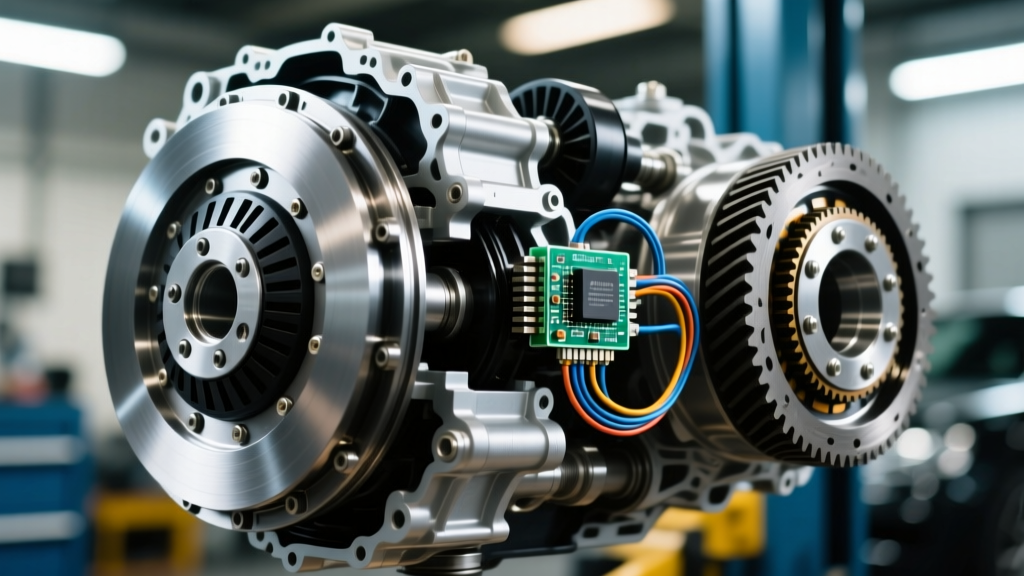
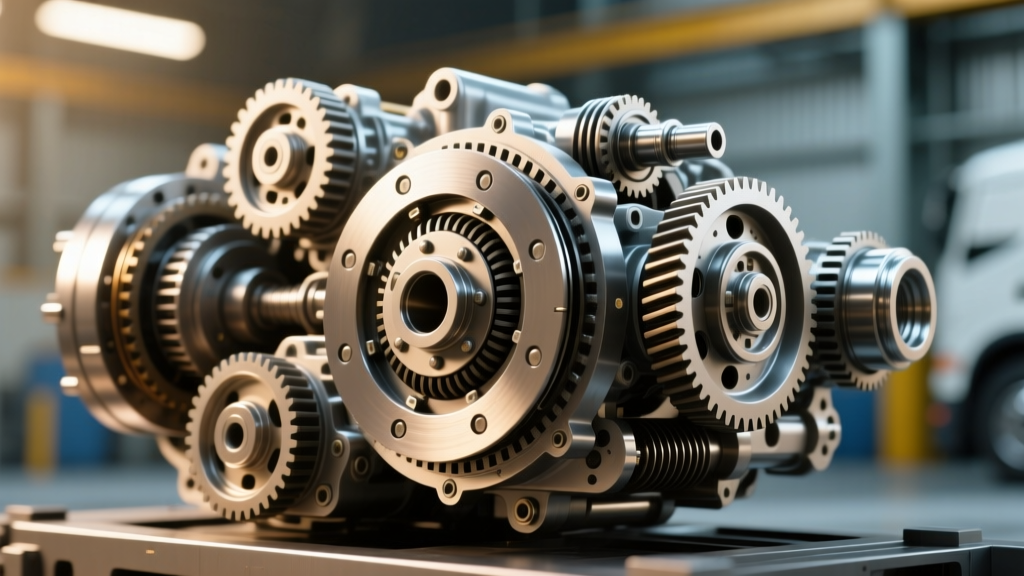
To understand the severity of mountain parking, you must understand the parking pawl. In popular automatic transmissions like the GM 6L80, the Ford 10R80, and the ubiquitous ZF 8HP series, the parking mechanism relies on a case-hardened steel pin—typically measuring between 10mm and 15mm in diameter. This pin drops into a notched ring gear connected to the output shaft. According to SAE International standards for driveline holding capacity, these pawls are engineered to hold a vehicle on a standard 20% grade under normal conditions. However, mountain terrain often presents uneven camber, off-camber parking spots, and extreme gradients exceeding 25%. When the pawl binds against the ring gear under extreme load, the shift linkage can stretch, the transfer case can wind up, and the driver will experience a loud, metallic 'clunk' when attempting to disengage the Park position. Over time, this metal-on-metal binding accelerates wear on the park rod actuator and can lead to micro-fractures in the transmission case.
Mountain Driving Techniques: Preserving the Drivetrain Before Parking
Proper parking begins before you even turn off the engine. As of 2026, modern automatic transmissions feature advanced hill-hold logic and aggressive Tow/Haul mapping, but driver intervention remains critical on extended mountain passes. To minimize heat soak and driveline wind-up prior to parking, you must utilize engine braking during your descent.
- Manual Mode and Paddle Shifters: If you are navigating a 6-mile descent in a vehicle equipped with a ZF 8HP transmission, manually select 3rd or 4th gear. Keep engine RPMs between 3,000 and 4,500 to maximize compression braking and prevent the transmission fluid from exceeding the critical 230°F (110°C) threshold.
- Tow/Haul Mode Engagement: In heavy-duty trucks with the GM 10L90 or Ford 10R140, engaging Tow/Haul mode alters the shift schedule and forces the torque converter to lock up earlier, providing vital engine braking and saving the friction materials inside the transmission.
- Transfer Case Management (4WD/AWD): If driving a 4WD vehicle with a part-time transfer case (like the BorgWarner 4460), avoid shifting into 4-Low immediately before parking on an incline. 4-Low multiplies torque, which in turn multiplies the binding force on the parking pawl when the vehicle settles. Stay in 2-High or 4-High to allow the driveline some necessary wind-up absorption.
The Exact Sequence: How to Properly Park an Automatic Transmission Car on Steep Inclines
Following a precise shutdown sequence is non-negotiable when parking on mountain grades. This method ensures the vehicle's weight is supported by the service brakes, completely relieving the transmission's parking pawl of any load. According to NHTSA Vehicle Safety guidelines, the parking brake system is the primary mechanical holding device, not the transmission.
- Come to a Complete Stop: Keep your foot firmly on the service brake pedal. Ensure the vehicle is entirely stationary before making any shift lever movements.
- Shift to Neutral (N): Move the shifter from Drive (D) or Reverse (R) into Neutral. This disengages the forward or reverse clutch packs and isolates the engine from the driveline.
- Engage the Parking Brake: Pull the mechanical handbrake or activate the Electronic Parking Brake (EPB) switch. Wait for the EPB indicator light to illuminate on the dash, confirming the rear calipers have achieved maximum clamping force (typically 1,800N to 2,500N per caliper).
- Transfer the Vehicle Weight: Slowly release your foot off the service brake pedal. You will feel the vehicle settle slightly as the entire weight of the vehicle transfers onto the parking brake mechanism. This is the most critical step.
- Shift into Park (P): Once the vehicle is fully settled and resting on the parking brakes, press the foot brake again and shift the lever into Park. The parking pawl will now drop into the ring gear with zero resting load.
- Turn Off the Engine: Power down the vehicle. If you are driving a manual-shift transfer case, you may leave it in gear (if applicable) or in Neutral, but never rely on the transfer case alone to hold the vehicle.
Incline Grade vs. Driveline Resting Torque Analysis
| Incline Grade (%) | Approximate Angle (Degrees) | Estimated Driveline Torque (5,000 lb SUV) | Parking Pawl Stress Level |
|---|---|---|---|
| 5% | 2.8° | ~350 lb-ft | Minimal (Normal Operation) |
| 15% | 8.5° | ~1,050 lb-ft | Moderate (Proper Sequence Required) |
| 25% | 14.0° | ~1,750 lb-ft | Extreme (High Risk of Binding/Shear) |
| 35%+ | 19.2°+ | ~2,450+ lb-ft | Critical (Pawl Failure Likely) |
Shift Cable Stretch and Linkage Calibration Specs
Even if you follow the perfect parking sequence, a poorly adjusted shift cable can render your efforts useless. In mountain environments, extreme temperature fluctuations and heavy use of manual shifting can cause shift cables to stretch or the linkage bushings to degrade. For example, in the GM 6L80 and 8L90 transmissions, the shift cable (commonly replaced with ACDelco part number 15226154 or OEM 24233617) connects the cabin shifter to the transmission manual shaft. If the cable stretches by even 3 to 5 millimeters, the shifter inside the cabin may indicate 'Park', but the manual shaft on the transmission might only be partially engaged in the park detent. This partial engagement means the parking pawl is resting on the edge of the ring gear teeth rather than fully seated in the notch. When the vehicle settles on a mountain incline, the pawl is violently forced into the notch, causing severe binding. When servicing or adjusting the shift linkage, always consult the OEM service manual. For most GM applications, the shift linkage adjustment nut requires a precise torque spec of 18 Nm (13 lb-ft). Over-torquing can crack the plastic detent lever, while under-torquing will result in cable slippage over time.
Electronic Parking Brakes (EPB) in High-Altitude Environments
As of 2026, the vast majority of new SUVs and trucks utilize Electronic Parking Brakes (EPB) driven by electric motors integrated directly into the rear brake calipers. While EPBs offer superior holding force and automatic hill-hold integration, they are not immune to mountain-specific issues. High-altitude environments often feature rapid temperature drops and heavy condensation. If an EPB is engaged on a wet, steep mountain trail and the vehicle is left overnight, the brake pads can freeze to the rear rotors. Furthermore, EPB systems rely on the vehicle's 12V electrical system. If the battery voltage drops below 9.5V due to cold weather parasitic drain, the EPB may fail to release the next morning, forcing the driver to manually retract the caliper motors using specialized service tools. To mitigate this, experts recommend engaging the 'Auto-Hold' or dynamic hill-descent features during the drive to keep the rear brake components warm, ensuring the EPB mechanism remains free of ice and moisture when it comes time to park for the night.
Conclusion: Protecting Your Investment on the Trail
Mastering mountain driving requires a holistic understanding of your vehicle's mechanical limits. By utilizing engine braking to manage descent speeds, monitoring transmission fluid temperatures, and strictly adhering to the proper weight-transfer parking sequence, you can eliminate the destructive forces that mountain inclines place on your automatic transmission. Taking an extra ten seconds to properly park an automatic transmission car on a steep grade will save you from expensive transmission teardowns, broken parking pawls, and bound shift linkages, ensuring your vehicle is ready for the next mountain pass.