The NSG370 Throw-Out Bearing Dilemma: Why Dust and Heat Matter
When diagnosing manual transmission issues in the 2012-2018 Jeep Wrangler JK equipped with the 3.6L Pentastar V6, few components are as misunderstood as the throw-out bearing (TOB). Unlike older mechanical linkages, the NSG370 6-speed transmission utilizes a hydraulic Concentric Slave Cylinder (CSC) that integrates the release bearing into a single sealed unit. In extreme environments—characterized by high ambient temperatures, heavy off-road slipping, and fine abrasive dust—these components face accelerated degradation. The diagnostic protocols pioneered by regional specialists, often referred to under the umbrella of New Mexico Gear and Clutch methodologies, emphasize that throw-out bearing noise in the NSG370 is rarely just a bearing issue; it is usually a symptom of hydraulic seal failure, plastic guide sleeve melt, or input shaft quill wear.
As of early 2026, the aftermarket supply chain for NSG370 components has stabilized, but misdiagnosis remains rampant. Replacing a noisy CSC without addressing the underlying thermal and mechanical stressors will result in a repeat failure within 15,000 miles. This guide breaks down the exact auditory diagnostics, teardown procedures, and model-specific torque specifications required to permanently resolve NSG370 release bearing noise.
Auditory and Tactile Diagnostics: Decoding the Noise
Throw-out bearing noise in the NSG370 is highly dependent on pedal position and hydraulic pressure. Because the CSC is constantly under light hydraulic preload to prevent clutch drag, a failing bearing will manifest differently than a traditional mechanical TOB. Below is the diagnostic matrix utilized by high-desert transmission specialists to isolate the failure point.
| Pedal Position | Noise Profile | Tactile Feedback | Probable Culprit |
|---|---|---|---|
| Pedal Released (At Rest) | Light rattling or marbles-in-a-can sound | None, or slight pedal vibration | Worn CSC internal return spring or input shaft spline rattle (common NSG370 trait) |
| Pedal Depressed 1/2 inch (Take-up) | High-pitched whirring or squealing | Smooth but noisy engagement | Dry or scored CSC bearing races; lack of lubrication on the plastic guide sleeve |
| Pedal Fully Depressed | Harsh grinding or metallic crunching | Grainy feeling through the pedal | Complete bearing cage failure; metal-on-metal contact with the pressure plate diaphragm |
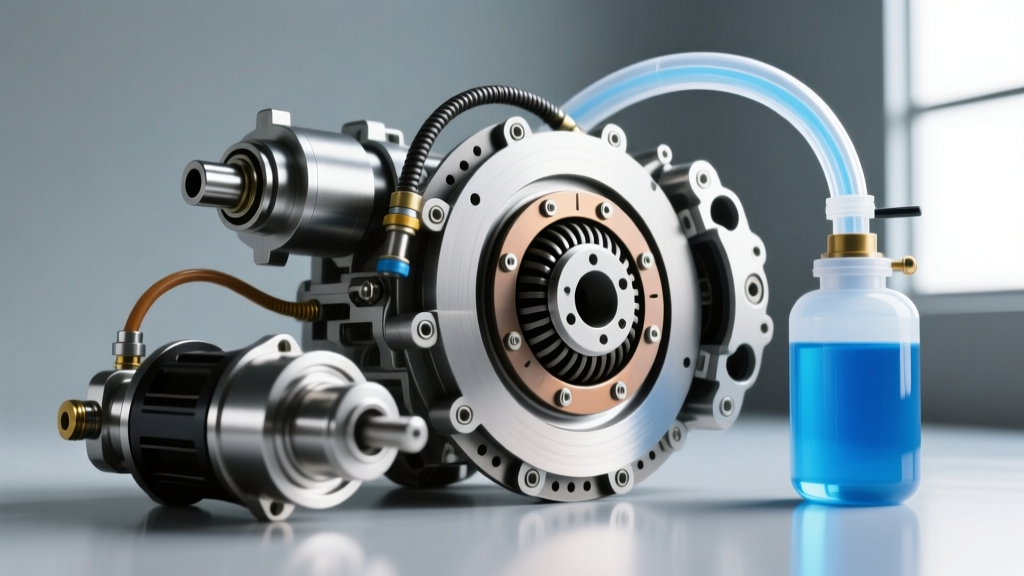
| Any Position (Under Load) | Hissing or squeaking near the bellhousing | Spongy pedal, fluid loss on driveway | CSC hydraulic seal blowout; fluid contaminating the clutch friction disc |
Expert Insight: If you hear a rhythmic chirping that disappears when the clutch pedal is pressed even slightly, you are likely dealing with a worn pilot bearing or input shaft issue, not the CSC. The New Mexico Gear and Clutch diagnostic tree strictly separates pedal-dependent noise from RPM-dependent noise before authorizing a transmission pull.
Teardown and Inspection: The Quill Tube and Pivot Ball
Once the transmission is separated from the 3.6L Pentastar engine block, the inspection process must go beyond the CSC itself. The NSG370 features a steel input shaft quill tube (the sleeve the CSC rides on). In high-dust environments, fine particulate matter bypasses the bellhousing inspection cover and embeds itself into the CSC's plastic guide sleeve. Over time, this acts like lapping compound, scoring the steel quill tube.
Critical Inspection Points
- Quill Tube Scoring: Run your fingernail across the steel quill tube. If you feel deep grooves, the tube must be replaced or polished with 600-grit emery cloth. A scored tube will destroy a new CSC seal within weeks.
- Clutch Fork and Pivot Ball: While the NSG370 uses a hydraulic CSC, the fork still pivots on a spherical stud. Inspect the fork's contact pads for asymmetrical wear. If the fork is worn more than 1.5mm, it will cause the CSC to bind on the quill tube, leading to premature bearing failure.
- Fluid Contamination: If the bellhousing is coated in a mix of brake fluid and clutch dust, the friction disc is compromised. DOT 3/4 brake fluid will strip the organic friction material from the disc, causing immediate slipping upon reassembly.
Model-Specific Replacement: Parts and Pricing (2026 Data)
When sourcing parts for the NSG370, opting for the cheapest aftermarket kit is a false economy. The thermal cycling experienced in arid, high-load environments demands high-temperature seals and bearing cages. According to cataloging data from RockAuto's 2026 NSG370 directory, the following kits represent the benchmark for reliability.
| Component / Kit | Part Number | Est. Price (2026) | Notes |
|---|---|---|---|
| OEM Mopar CSC Assembly | 52087542AC | $185 - $220 | Best seal longevity; requires sourcing separately from clutch kit |
| LUK RepSet (Clutch + CSC) | LRC00135 | $310 - $360 | OEM supplier; includes alignment tool and new flywheel bolts |
| Sachs Performance Kit | K7033801 | $340 - $390 | Upgraded organic disc; ideal for 35-inch tire setups |
| Steel Quill Tube Sleeve | Mopar 05143353AA | $45 - $60 | Mandatory replacement if original shows scoring |
The Dual-Mass vs. Single-Mass Flywheel Debate
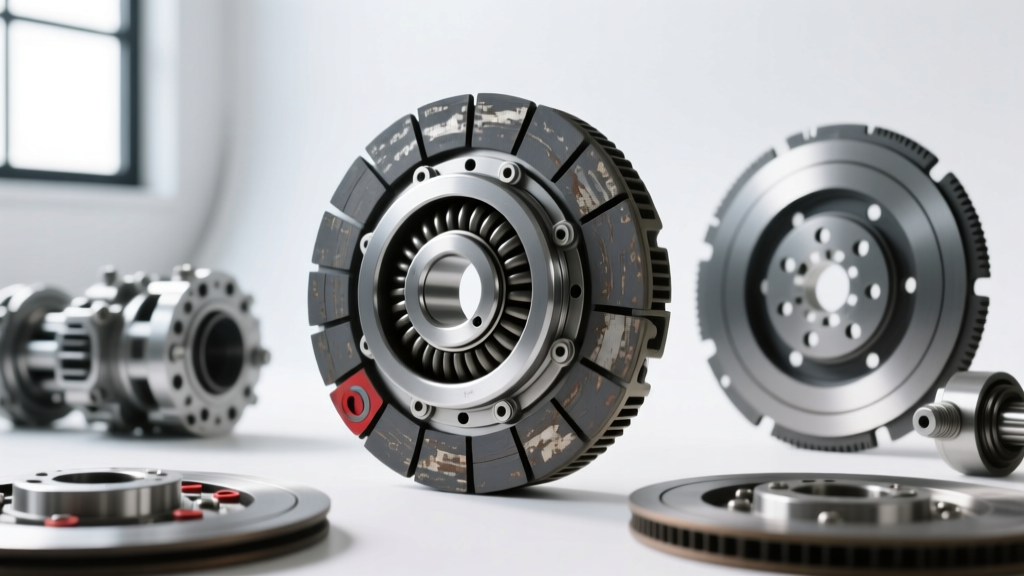
While the NSG370 is robust, the flywheel interface is critical. If your Wrangler exhibits a heavy rotational vibration at idle alongside the TOB noise, the dual-mass flywheel (if equipped on your specific model year) may have failed internal dampers. Upgrading to a high-quality Single-Mass Flywheel (SMF) conversion, such as those offered by LuK or Sachs, eliminates the DMF failure point and provides a more predictable clamping force, though it may slightly increase gear rattle at idle.
Precision Reassembly and Torque Specifications
Proper clamping force is vital to prevent bellhousing distortion, which can misalign the input shaft and bind the CSC. Always use a calibrated torque wrench and follow the sequence below. For comprehensive OEM baseline data, technicians frequently cross-reference Mopar's official parts and service portal.
- Flywheel to Crankshaft (3.6L Pentastar): 74 lb-ft (100 Nm) plus an additional 90-degree turn. Note: Flywheel bolts are Torque-To-Yield (TTY) and must be replaced.
- Clutch Pressure Plate to Flywheel: 21 lb-ft (28 Nm). Tighten in a crisscross star pattern to ensure even diaphragm spring compression.
- CSC to Bellhousing: 89 in-lb (Inch-pounds, NOT foot-pounds). Over-torquing these small bolts will crack the CSC plastic housing.
- Bellhousing to Engine Block: 28 lb-ft (38 Nm). Ensure the alignment dowels are seated perfectly to prevent input shaft binding.
- Transmission Crossmember to Frame: 55 lb-ft (75 Nm).
The NSG370 Hydraulic Bleeding Nuance
The most common reason for a spongy clutch pedal and subsequent CSC failure post-replacement is trapped air in the hydraulic line. The NSG370 master cylinder is mounted in an inverted position, and the hydraulic line routes up and over the transmission, creating a massive air trap.
Standard pedal-pumping is insufficient. The New Mexico Gear and Clutch protocol mandates a two-step bleeding process:
- Gravity Bleed: Attach a clear hose to the CSC bleeder valve (requires a 5/16-inch line wrench to avoid rounding the soft brass nipple). Open the valve, fill the reservoir with fresh DOT 4 fluid, and let gravity pull the fluid through for 30 minutes.
- Pressure Bleed / Zip-Tie Method: If a pressure bleeder is unavailable, depress the clutch pedal fully and secure it to the brake pedal bracket using a heavy-duty zip-tie. Leave it overnight. The constant hydraulic pressure forces microscopic air bubbles out of the master cylinder seals and into the reservoir, yielding a rock-solid pedal the next morning.
Preventative Measures for Arid Environments
To maximize the lifespan of your NSG370 throw-out bearing assembly, avoid 'riding' the clutch on steep inclines. The CSC is designed for engagement and disengagement, not for holding the vehicle stationary against gravity. Prolonged slipping generates immense heat, which transfers directly into the CSC's internal hydraulic seal, causing it to boil the brake fluid and blow out the seal lip. By utilizing the parking brake for hill starts and ensuring the bellhousing inspection cover is properly sealed against dust intrusion, you can expect the upgraded CSC and clutch assembly to reliably exceed 80,000 miles, even in the harshest terrains.
For further reading on the thermal dynamics of hydraulic release systems, refer to the engineering papers published by SAE International, which outline the exact temperature thresholds where standard elastomeric seals begin to degrade under continuous friction loads.