The F1 Connection: Carbon Multi-Plate vs. Class 8 Cerametallic
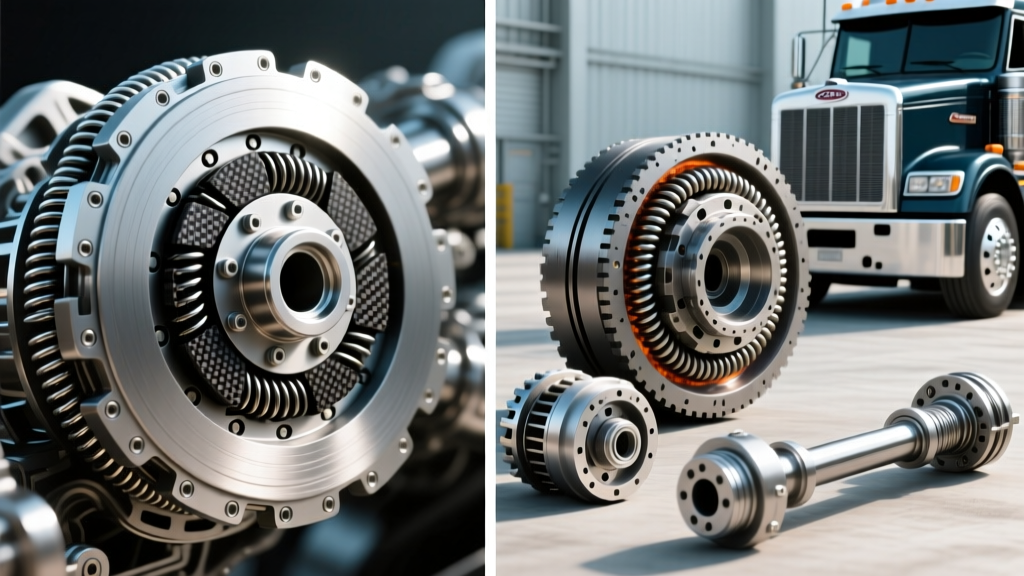
When motorsport enthusiasts ask, does a f1 car have a clutch, the answer is a resounding yes. Modern Formula 1 cars utilize advanced carbon multi-plate clutches (typically manufactured by AP Racing or Sachs) actuated via steering wheel paddles. However, these 5-to-7 plate setups are primarily used for launch control and pit exits; once at speed, the seamless-shift barrel system handles gear changes without traditional clutch intervention. Contrast this with the brutal reality of Class 8 commercial trucks, where a massive 15.5-inch twin-plate cerametallic clutch must manually manage up to 2,050 lb-ft of torque from powerplants like the Cummins X15 or Detroit DD15 without the luxury of electronic seamless shifting.
In the heavy-duty and commercial vehicle sector, clutch diagnostics and upgrades are not about shaving milliseconds off a shift time. They are about thermal survivability, gradeability, and managing immense rotational mass. Upgrading from an OEM organic single-plate to a heavy-duty twin-plate cerametallic setup requires a deep understanding of drivetrain geometry, release system hydraulics, and precise installation tolerances.
Diagnosing Heavy-Duty Clutch Slip and Gradeability Loss
Clutch slip in a Class 8 vehicle rarely presents as a high-RPM flare like it does in a passenger car. Instead, it manifests as a loss of gradeability—the inability to pull a loaded trailer up a 6% grade without the engine RPM creeping upward while road speed stagnates. This is a critical failure mode when hauling 80,000 lbs GCW (Gross Combination Weight).
Thermal Glazing vs. Mechanical Wear
When diagnosing slip, you must differentiate between thermal glazing and mechanical wear. Full-face organic clutch discs (common in regional LTL fleets) are highly susceptible to glazing when drivers frequently slip the clutch to creep in loading docks. The friction material overheats, creating a glass-like surface that sheds heat but loses its coefficient of friction. If the slip is accompanied by a distinct burning odor but the pedal free-travel is correct, glazing is the likely culprit. Conversely, if the clutch pedal engages extremely high (near the top of its travel) and the release bearing is constantly pre-loaded, the friction material is mechanically worn past its service limit, typically requiring a complete Eaton Advantage or Solo series replacement.
Engagement Chatter and Torsional Damper Failure
Heavy-duty diesel engines produce massive low-frequency torsional vibrations. To prevent these vibrations from shattering the transmission input shaft or gear teeth, heavy-duty clutch discs are equipped with complex multi-stage torsional dampening springs. When a commercial truck experiences violent engagement chatter—often felt through the chassis and steering wheel upon releasing the pedal from a dead stop—the root cause is frequently failed or sagging dampening springs within the disc hub, rather than a warped flywheel.
Another unique culprit for chatter in commercial manuals (like the Eaton Fuller RoadRanger 10, 13, and 18-speed transmissions) is a warped intermediate drive plate in twin-plate setups. If the flywheel was resurfaced incorrectly, or if the intermediate plate's drive lugs are worn, the plate will not float parallel to the flywheel, causing a rapid make-and-break contact cycle (chatter) during engagement.
The Clutch Brake: A Heavy-Duty Exclusive
Unlike F1 cars or light-duty pickups, heavy-duty commercial manuals utilize a clutch brake. This is a small friction disc mounted on the transmission input shaft. When the driver pushes the clutch pedal fully to the floor (past the normal engagement range), it squeezes this disc to stop the input shaft from spinning, allowing for easier standing-start gear engagement.
Diagnostic Warning: If a driver complains of hard shifting or grinding when starting from a stop, check the pedal over-travel. If the clutch linkage or air-over-hydraulic system is out of adjustment, the clutch brake may be engaging prematurely or failing to engage entirely. Riding the pedal to the floor while the vehicle is in motion will instantly destroy the clutch brake and score the transmission input shaft.
Upgrade Guide: OEM Organic vs. Twin-Plate Ceramic
For severe-duty applications—such as logging, oilfield services, or heavy equipment hauling—upgrading from a 14-inch single-plate organic to a 15.5-inch twin-plate cerametallic (puck-style) clutch is mandatory. Cerametallic materials utilize copper, iron, and ceramic compounds sintered together, providing aggressive bite and immense thermal capacity. Below is a comparison of friction materials used across the performance and commercial spectrum.
| Friction Material | Torque Capacity | Thermal Threshold | Typical Application | Upgrade Cost (USD) |
|---|---|---|---|---|
| Full-Face Organic | Up to 1,250 lb-ft | 500°F (260°C) | Regional Haul, LTL, Vocational | $800 - $1,200 |
| Cerametallic (Puck) | Up to 2,050+ lb-ft | 800°F (426°C) | Heavy Haul, Logging, Oilfield | $1,500 - $2,400 |
| Carbon Multi-Plate (Racing) | 1,100+ lb-ft (Low Inertia) | 1,200°F+ (650°C+) | F1, Prototype Endurance | $15,000+ |
Note: Pricing reflects component costs for heavy-duty aftermarket replacements (e.g., LuK, Sachs, Eaton) and excludes the significant labor costs of dropping a Class 8 transmission, which typically adds $1,200 to $2,000 in shop time.
Precision Installation: Torque Specs and Clearances
Upgrading a commercial clutch is an exercise in metrology. Failing to adhere to strict clearances will result in immediate warranty denial and catastrophic drivetrain failure. When installing a heavy-duty twin-plate clutch, the following specifications must be verified with dial indicators and feeler gauges:
- Pedal Free Travel: Must be strictly maintained between 1.50 and 2.00 inches. Less than 1.5 inches causes the release bearing to ride the clutch brake, leading to premature failure and hard shifting.
- Release Bearing Clearance: Exactly 0.500 inches (12.7mm) between the bearing face and the clutch brake when the pedal is fully released. This ensures the bearing is not pre-loaded against the pressure plate fingers.
- Flywheel Step Height: Critical for twin-plate setups. Eaton specifies a step height between 0.530 and 0.560 inches. If a machine shop resurfaces the flywheel face but ignores the step, the intermediate drive plate will bind, causing severe engagement chatter and clutch drag.
- Bellhousing Bore Runout: Maximum 0.006 inches. Excessive runout destroys the transmission input shaft pilot bearing, causes uneven clutch disc wear, and leads to input shaft seal leaks.
- Flywheel Face Runout: Maximum 0.005 inches. Measured with a magnetic base dial indicator at the outer friction edge. If runout exceeds this, the flywheel must be replaced or precision machined on a lathe.
- Flywheel to Crankshaft Bolts: Torque to 150-200 lb-ft (verify specific OEM manual for Cummins/Detroit), using a star pattern and applying high-temperature thread locker.
Air-Over-Hydraulic Release System Diagnostics
Most modern Class 8 trucks utilize an air-over-hydraulic clutch release system. The hydraulic master and slave cylinders provide the tactile feel, while an air assist cylinder provides the physical force required to compress heavy-duty pressure plate springs (which can exceed 3,500 lbs of clamp load).
If a driver reports a 'spongy' pedal or difficulty shifting, do not immediately condemn the mechanical clutch. First, verify that the vehicle's air system is building to at least 90 PSI. Next, check the hydraulic fluid level in the master cylinder (typically located on the firewall) and bleed the system using the bleed screw on the slave cylinder. Air trapped in the hydraulic line will prevent the air assist valve from opening fully, resulting in incomplete clutch disengagement and gear grinding. Always use the manufacturer-specified DOT 3 or DOT 4 hydraulic fluid, never power steering fluid or motor oil, which will destroy the EPDM rubber seals in the slave cylinder.
Summary: Commercial Durability Over Motorsport Speed
While the answer to 'does a f1 car have a clutch' reveals a marvel of lightweight, high-RPM carbon engineering, the heavy-duty commercial clutch is an entirely different beast. It is a massive, heat-soaking, torque-multiplying anchor designed to survive millions of engagement cycles under extreme loads. By understanding the nuances of torsional dampers, clutch brakes, and precise flywheel step heights, fleet technicians and owner-operators can accurately diagnose slip and chatter, and confidently upgrade to cerametallic twin-plate setups that keep freight moving over the steepest grades.