The Science of Gear Oil Degradation in Crossover AWDs
When performing a Nissan Rogue differential fluid change, most DIYers and quick-lube technicians simply drain the old oil, refill it, and move on. However, as a preventive maintenance cornerstone, the drained fluid is a literal window into the mechanical soul of your drivetrain. Whether you are driving the T32 generation (2014–2020) or the newer T33 platform (2021–2026), the all-wheel-drive (AWD) system relies heavily on the rear differential and the front Power Transfer Unit (PTU) to distribute torque.
Gear oils, specifically API GL-5 rated 75W-90, are formulated with complex sulfur-phosphorus extreme pressure (EP) additives. According to the American Petroleum Institute (API), these EP additives are designed to sacrifice themselves under high-load boundary lubrication conditions, preventing metal-to-metal contact between the ring and pinion gears. Over time, thermal cycling, shear stress, and environmental contamination alter the fluid's chemical composition. By closely analyzing the color, viscosity, and odor of the drained fluid, you can predict component failure thousands of miles before a catastrophic drivetrain lock-up occurs.
Visual Diagnostics: Decoding Differential Fluid Color
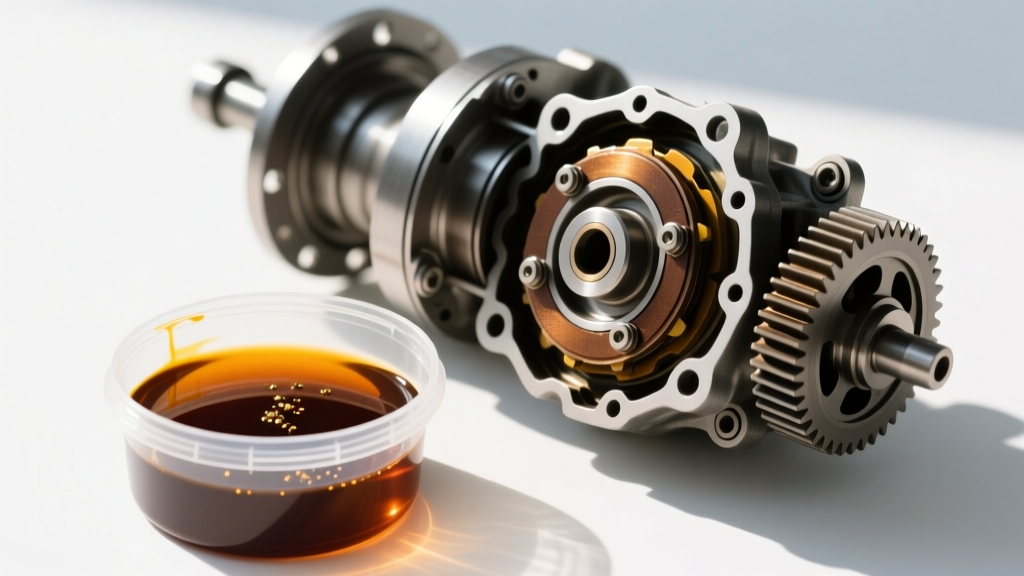
The visual state of your Rogue’s differential fluid is the first and most immediate diagnostic indicator. Use a clean, white paper towel or a clear glass catch pan to evaluate the sample in natural sunlight. Below is a comprehensive diagnostic matrix for interpreting fluid color.
| Fluid Color | Condition / Meaning | Root Cause | Required Action |
|---|---|---|---|
| Translucent Honey / Amber | New or Excellent | Fluid is within normal service life; EP additives are fully intact. | Refill and reset maintenance interval. |
| Dark Brown / Opaque | Normal Aging | Thermal oxidation and normal suspension of microscopic clutch/gear wear material. | Standard replacement. Inspect magnetic drain plug. |
| Milky / Chocolate Milk | Water Intrusion (Emulsified) | Failing axle seals, compromised breather valve, or frequent cold-weather condensation. | Immediate flush. Replace axle seals and clean breather tube. |
| Jet Black with Metallic Glitter | Catastrophic Wear | Ring and pinion gear spalling, needle bearing disintegration, or LSD clutch pack failure. | Do not drive. Differential teardown and rebuild required. |
| Sludgy / Tar-like | Severe Thermal Breakdown | PTU exhaust heat transfer (front) or severe overloading/towing beyond capacity. | Flush system, inspect for scoring, upgrade to high-temp synthetic. |
Sensory Diagnostics: Smell and Texture Analysis
Color only tells half the story. To truly master the preventive maintenance aspect of a Nissan Rogue differential fluid change, you must engage your other senses. GL-5 gear oil has a naturally pungent, sulfurous odor, but deviations from this baseline are critical warning signs.
The "Burnt Toast" Olfactory Test
If the drained fluid smells sharply of burnt carbon or acrid smoke, the oil has exceeded its thermal stability threshold. In the Nissan Rogue, the front PTU is located perilously close to the catalytic converter and exhaust manifold. While the rear differential runs relatively cool, the front transfer case often bakes the fluid. If the rear differential fluid smells burnt, it indicates that the vehicle has been subjected to sustained high-speed AWD engagement (such as driving in deep snow or sand with the AWD lock engaged), causing the electromagnetic coupling to overwork the rear gears. Adhering to SAE J308 viscosity standards by using a high-quality synthetic 75W-90 is vital to resist this thermal shearing.
Tactile Grit and the Fingerprint Test
Rub a drop of the used fluid between your thumb and index finger.
- Smooth / Slick: Normal. The base oil and friction modifiers are intact.
- Micro-Grit (like fine sandpaper): Indicates wear in the thrust washers or the spider gears inside the differential carrier.
- Sharp Metallic Flakes: If you feel distinct, sharp edges, the ring and pinion gear teeth are likely chipping or experiencing spalling due to improper backlash settings or bearing preload failure.
Execution Specs: Doing the Job Right
When the fluid condition dictates a change, precision is required. The rear differential on the T32 and T33 Nissan Rogue is a compact, low-volume unit. Overfilling can blow the axle seals due to thermal expansion, while underfilling leads to immediate pinion bearing starvation.
OEM Specifications and Torque Values
- Fluid Specification: API GL-5 75W-90 Synthetic Gear Oil (Nissan Part # 999MP-RT7590P or equivalent premium synthetic like Amsoil Severe Gear).
- Rear Differential Capacity: 0.43 Liters (approx. 14.5 fl oz).
- Drain Plug Torque: 33 ft-lb (44 Nm).
- Fill Plug Torque: 33 ft-lb (44 Nm).
- Crush Washers: Always replace the aluminum or copper crush washers (Nissan Part # 11026-4N200 for standard M12 plugs) to prevent weeping.
The "Fill First" Golden Rule
Before you ever put a wrench to the drain plug, always verify that the fill plug can be loosened. The fill and drain plugs on the Rogue's rear differential are typically 3/8-inch square drive or 10mm Hex. If the fill plug is seized due to galvanic corrosion in the aluminum differential housing, and you drain the fluid first, you will be left with a stranded vehicle and a dry differential. Apply a localized penetrating fluid and gentle heat if the fill plug resists.
Addressing the Milky Fluid Phenomenon in Northern Climates
One of the most common alarming discoveries during a Nissan Rogue differential fluid change in colder, humid climates is fluid that resembles a strawberry milkshake or chocolate milk. This is an emulsion of water and gear oil.
The rear differential features a small rubber breather valve located near the top of the housing. Its purpose is to allow expanding air to escape as the differential heats up during driving. When the vehicle is parked in sub-zero temperatures, the internal air contracts rapidly, creating a vacuum. If the breather valve is stuck open, or if the vehicle is backed into a deep snowbank or puddle that submerges the hub, water is sucked directly past the axle seals or through the breather tube.
Preventive Fix: If you discover milky fluid, a simple drain and fill is not enough. You must flush the differential with a cheap, dedicated flushing oil or a half-bottle of fresh 75W-90 to suspend the remaining water emulsion, drain it immediately, and then perform the final fill. Furthermore, locate the breather tube, ensure it is routed upward away from the suspension elements, and replace the cap if the rubber is hardened or cracked.
Summary: Proactive Drivetrain Preservation
Treating a Nissan Rogue differential fluid change as a mere checklist item is a missed opportunity for vital drivetrain triage. By taking an extra five minutes to evaluate the color, smell, and texture of the drained 75W-90 gear oil, you transition from reactive repairs to true preventive maintenance. Whether you are catching a failing axle seal via water intrusion or identifying early ring-gear spalling through tactile grit analysis, reading your differential fluid is the cheapest insurance policy your AWD crossover will ever have.