The Thermodynamics of Hypoid Gearsets and Axle Heat
As heavy-duty trucks push towing limits past 40,000 pounds in the 2026 model year, the thermal stress placed on solid rear axles has never been higher. The hypoid gearsets found in modern differentials—such as the GM 11.5-inch AAM, the Ford 10.5-inch, and the venerable Dana 70 and 80 series—are marvels of mechanical engineering. However, their design inherently generates immense heat. Because the pinion gear meshes below the centerline of the ring gear, the teeth experience significant sliding friction alongside rolling contact. This sliding action means that differential efficiency typically hovers between 85% and 95%, with the remaining 5% to 15% of input energy dissipated directly into the gear oil as thermal energy.
When fluid temperatures exceed 250°F, standard 75W-90 or 80W-90 gear oils begin to experience shear breakdown and oxidation, leading to accelerated wear on the ring and pinion, bearings, and limited-slip clutch packs. To combat this, enthusiasts and commercial fleet operators frequently turn to aftermarket finned differential covers. But beyond the thermal benefits, how exactly does installing an upgraded cover alter your long-term maintenance budget, specifically regarding the differential fluid exchange cost? This technical deep-dive explores the engineering, thermal dynamics, and financial realities of upgrading your differential cooling system.
Aftermarket Differential Covers: Engineering and Material Science
Stamped steel OEM differential covers are designed primarily for cost-efficiency and packaging clearance, not thermal management. They act as insulators, trapping heat inside the axle housing. Upgraded covers from manufacturers like Mag-Hytec, PPE (Pacific Performance Engineering), and AFE Power utilize high-grade cast aluminum, typically A356-T6 aerospace-grade alloy. Aluminum possesses a thermal conductivity roughly 1,500 times greater than stainless steel and nearly 10 times greater than cast iron.
Surface Area and Internal Baffling
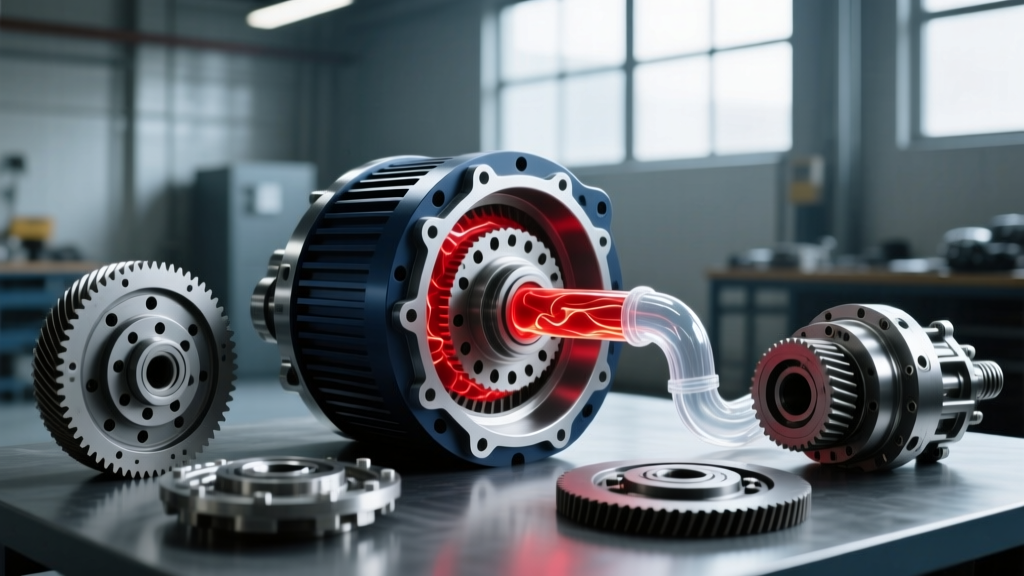
The external cooling fins on a premium differential cover increase the surface area exposed to ambient airflow by up to 300%. However, external fins are only half of the thermal equation. The most critical engineering feature of a high-end cover is internal fluid direction. Under heavy acceleration, the ring gear acts as a centrifugal pump, slinging gear oil forward and away from the cover. Advanced covers incorporate internal baffles and directional channels that catch the oil slung off the ring gear and force it against the inner wall of the aluminum cover, maximizing heat transfer before the oil drops back into the sump. Real-world testing on dynos and during heavy-grade towing (such as pulling a 15,000 lb fifth-wheel up a 6% grade) consistently shows a 20°F to 45°F drop in steady-state differential temperatures when switching from a stamped steel cover to a finned, baffled cast aluminum unit.
The Financial Breakdown: Differential Fluid Exchange Cost Impacts
While the thermal benefits are undeniable, upgrading your differential cover fundamentally changes the fluid dynamics and volume of the axle, which directly impacts your differential fluid exchange cost. OEM covers are designed to hold the minimum required fluid to submerge the lower portion of the ring gear, ensuring adequate splash lubrication while minimizing parasitic drag from fluid churning. Aftermarket covers, by virtue of their deeper sumps and cooling fins, significantly increase total system capacity.
When you calculate the differential fluid exchange cost, you must factor in the price of premium synthetic gear oils. In 2026, high-quality synthetic 75W-90 fluids, such as AMSOIL Severe Gear or Red Line ShockProof, retail between $18.00 and $26.00 per quart. Adding an extra 1.5 to 2.5 quarts per axle per service interval undeniably raises the baseline material cost.
| Axle Model | OEM Capacity | Upgraded Cover Capacity | OEM Exchange Cost (Shop) | Upgraded Exchange Cost (Shop) | DIY Fluid Cost (Synthetic) |
|---|---|---|---|---|---|
| GM 11.5" AAM (Duramax) | 3.75 Quarts | 5.50 Quarts | $130 - $160 | $190 - $240 | $110 - $145 |
| Dana 70 (HD Applications) | 3.50 Quarts | 5.00 Quarts | $140 - $170 | $200 - $250 | $100 - $130 |
| Ford 10.5" (Super Duty) | 3.30 Quarts | 4.75 Quarts | $125 - $155 | $180 - $220 | $95 - $125 |
Note: Shop labor rates vary regionally; DIY fluid costs assume the purchase of full cases of premium synthetic 75W-90 gear oil.
However, the increased fluid volume provides a larger thermal mass, which delays fluid degradation. Many fleet operators and heavy-duty owners find that they can safely extend their drain intervals from the OEM-recommended 50,000 miles to 75,000 or even 100,000 miles when using synthetic fluids in a high-capacity, cool-running aftermarket cover. Therefore, while the per-service differential fluid exchange cost is higher, the cost-per-mile often decreases over the lifespan of the vehicle.
Installation Protocols: Torque Specifications and Sealing
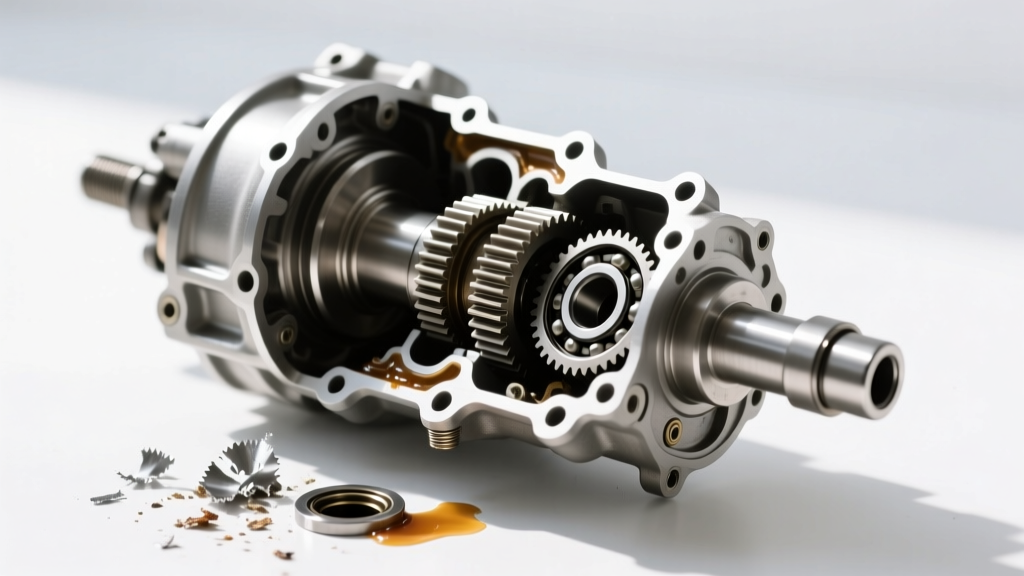
A proper installation is paramount. Leaking differential fluid not only ruins the cooling properties of the system but can lead to catastrophic gear failure if the sump runs dry. The debate between RTV silicone and reusable gaskets is a staple of axle maintenance. For heavy-duty applications subject to extreme thermal cycling, reusable gaskets with embedded steel cores, such as those manufactured by Lube Locker, are highly recommended over RTV. RTV can cure inconsistently, and excess squeeze-out can break off inside the axle, potentially clogging the oil pickup or scoring the pinion bearing.
Critical Torque Specifications
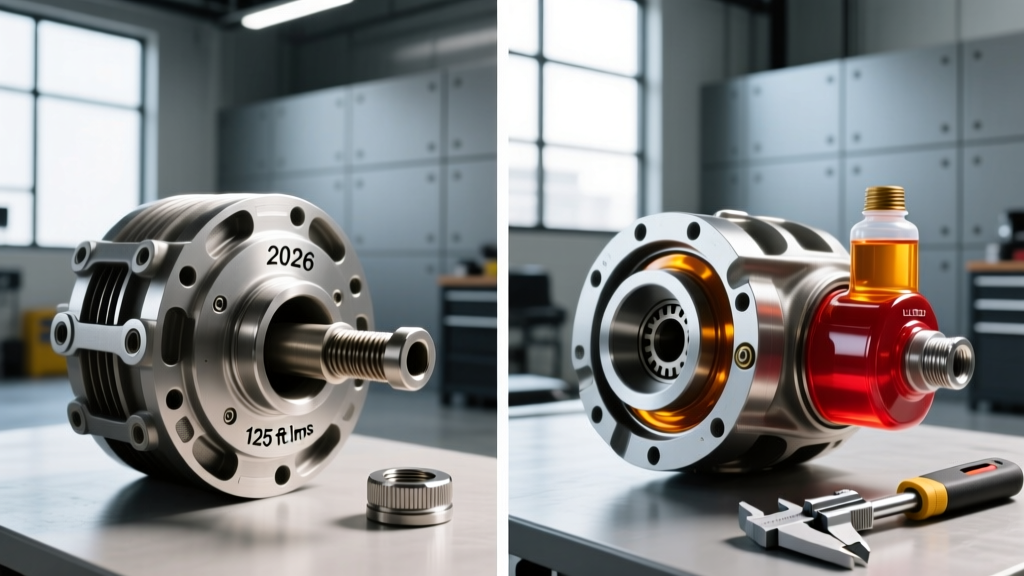
Over-torquing differential cover bolts is a common mistake that leads to warped covers, stripped threads in the aluminum or cast-iron axle housing, and crushed gaskets. Always use a calibrated inch-pound or low-range foot-pound torque wrench. Below are the standard torque specifications for common heavy-duty axles (always verify with your specific 2026 factory service manual):
- GM 11.5-inch AAM: M8x1.25 bolts. Torque to 28 lb-ft (336 in-lbs). Use a crisscross star pattern starting from the center.
- Dana 70 / Dana 80: 3/8"-16 bolts. Torque to 35 lb-ft. Apply a medium-strength threadlocker (blue) if the housing threads are worn.
- Ford 10.5-inch: M10x1.5 bolts. Torque to 35 lb-ft. Ensure the mating surface is completely free of old gasket material using a plastic scraper to avoid gouging the housing.
Expert Tip: When filling a high-capacity aftermarket cover, the traditional "fill until it runs out of the fill hole" method is often inaccurate. Because the cover is deeper, the fluid level may sit below the ring gear's optimal splash path if filled only to the OEM fill plug. Always measure the exact quart capacity specified by the cover manufacturer, pump that exact volume into the housing, and then verify the level. Some premium covers feature a dedicated, lower "fluid level check" plug specifically to solve this geometry issue.
Magnetic Drain Plugs and Debris Management
Another factor that influences long-term maintenance and the overall differential fluid exchange cost is the integration of high-strength neodymium magnetic drain plugs. OEM covers rarely feature adequate magnetism to capture the fine, abrasive metallic particulates generated during the initial break-in period or under extreme towing loads. Aftermarket covers typically include a 3/4-inch hex magnetic drain plug and a magnetic dipstick on the fill hole. These magnets capture ferrous wear metals before they can become embedded in the soft Babbitt material of the carrier and pinion bearings. By keeping the fluid cleaner for longer, magnetic plugs further justify the extended drain intervals that offset the higher upfront fluid costs.
Decision Matrix: Is an Upgraded Cover Necessary?
Not every vehicle requires an upgraded differential cooling cover. If you drive a half-ton truck for daily commuting and light utility, the OEM stamped steel cover and standard fluid capacity are perfectly adequate. However, you should strongly consider the investment in a finned, high-capacity cover if your use case falls into the following categories:
- Heavy Towing: Regularly towing trailers exceeding 10,000 lbs, especially in mountainous terrain where sustained high-torque, low-speed operation generates peak heat.
- Off-Road Crawling: Low-range transfer case operation in rocks or deep sand requires immense torque multiplication, generating extreme differential heat without the benefit of high-speed ambient airflow across the axle.
- Commercial Fleet Use: Vehicles operating in stop-and-go construction or utility environments where extended maintenance intervals and component longevity are critical to minimizing downtime.
Conclusion
Upgrading to a finned, baffled cast-aluminum differential cover is one of the most effective mechanical modifications you can make to protect your axle's ring and pinion under severe duty cycles. While it is true that the increased fluid volume will raise your immediate differential fluid exchange cost by roughly $40 to $80 per service when using premium synthetics, the return on investment is realized through vastly superior heat dissipation, reduced fluid shear, and the ability to safely extend service intervals. By adhering to precise torque specifications and utilizing modern sealing technologies, you ensure that your drivetrain remains reliable, cool, and efficient, no matter what the 2026 towing demands throw your way.