The R200 VLSD Architecture: How Ratios Alter Viscous Shear
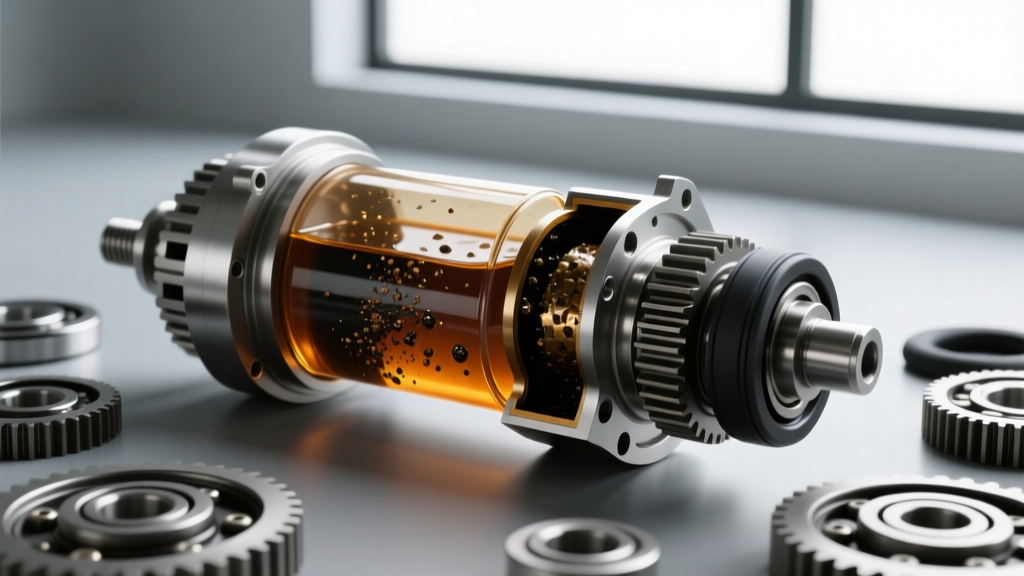
The Nissan R200 differential, specifically the Viscous Limited Slip Differential (VLSD) variant found in the Silvia S14/S15, Skyline R33/R34, and 300ZX, remains a legendary piece of drivetrain engineering. Unlike clutch-type LSDs that rely on friction plates and ramp angles, the VLSD utilizes a sealed internal coupling filled with a high-viscosity silicone fluid. When a speed differential occurs between the left and right axles, the fluid shears, heats up, and expands, locking the coupling and transferring torque.
When approaching a differential gear ratio and performance upgrade, most enthusiasts focus solely on acceleration. However, altering the ring and pinion ratio fundamentally changes the rotational speed delta across the viscous coupling. Swapping from a highway-friendly 3.916 ratio to an aggressive 4.363 or 4.636 ratio multiplies torque at the wheels. This increased torque load forces the VLSD’s silicone fluid to shear more violently during slip events, generating heat at an accelerated rate. Understanding this thermodynamic relationship is critical for selecting the correct gear oil and preventing catastrophic coupling failure on the track.
Performance Gear Ratio Selection Matrix
Choosing the right ring and pinion (R&P) set depends on your track layout, tire diameter, and power output. Below is a performance matrix for the R200 VLSD when paired with a modern 6-speed sequential or heavily modified RB25DET/RB26DETT powerplant.
| Ratio | Application Profile | Top Speed Impact (vs 3.9) | VLSD Thermal Load | Recommended Fluid Viscosity |
|---|---|---|---|---|
| 3.916 | High-speed circuits, highway cruising, drift (high grip) | Baseline | Low / Manageable | 75W-90 GL-5 |
| 4.111 | Club sprint, mixed street/track, tight autocross | -5% to -8% | Moderate | 75W-90 GL-5 (Synthetic) |
| 4.363 | Technical tracks, low-grip drift, aggressive canyon | -10% to -14% | High (Requires Cooling) | 75W-90 or 75W-110 GL-5 |
| 4.636 | Dedicated drift missile, drag/launch focus, short tracks | -15% to -20% | Extreme (Coupling at Risk) | 75W-140 (With Caveats) |
Note: Pushing a VLSD beyond a 4.3 ratio on a high-grip surface often results in the fluid overheating, temporarily losing its locking capability (fluid fade), or permanently degrading the silicone compound, leading to a "popping" or "chattering" failure mode during low-speed turns.
Step-by-Step R200 Rebuild & Ratio Swap
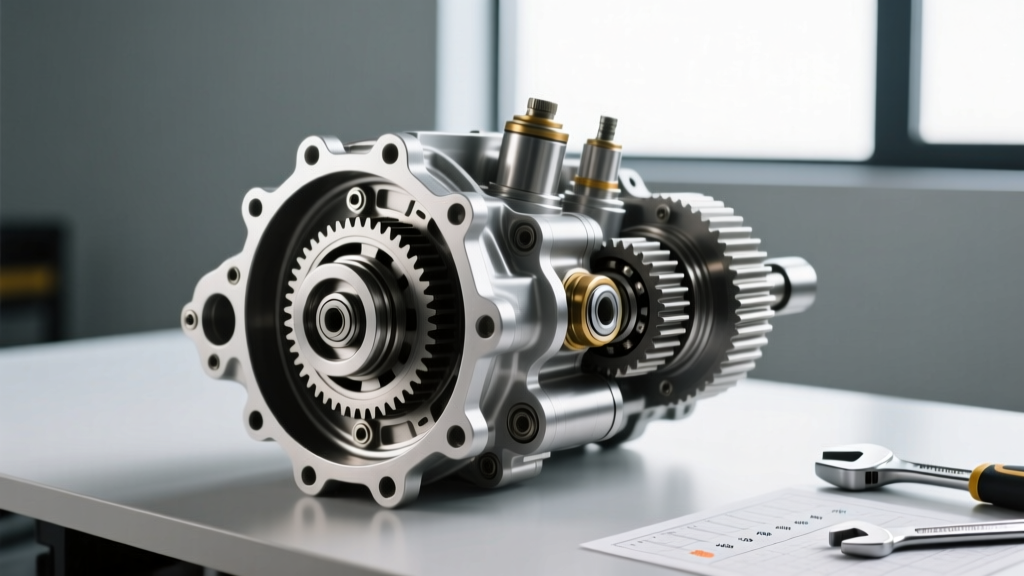
Upgrading the gear ratio in an R200 VLSD requires precision. The carrier houses the sealed viscous unit, which cannot be opened or serviced. You must protect it from shock loads and contamination during the R&P swap.
Teardown and Pinion Depth Calibration
Before tearing down the differential, measure the existing pinion rotating torque and backlash. Once the carrier and pinion are removed, inspect the pinion depth. Nissan stamps a specific deviation code (e.g., "+2" or "-1") on the head of the pinion gear. This code dictates the exact thickness of the pinion depth shim located between the inner pinion bearing and the gear.
- Base Pinion Depth Setting: Typically starts around 0.45mm to 0.55mm depending on the casing batch.
- Shim Adjustment: A "+1" on the pinion head means you add 0.01mm to the base shim thickness. Always verify with a pinion depth gauge tool before pressing the new inner Koyo bearing (Nissan PN: 38140-N4010).
Assembly & Critical Torque Specifications
Reassembling the R200 requires strict adherence to torque specs to ensure gear longevity and prevent bearing whine. Use a dial indicator to set backlash between 0.13mm and 0.18mm.
- Ring Gear to VLSD Case Bolts (M10x1.25): 72 - 86 Nm (53 - 63 ft-lbs). Critical: Apply Loctite 243 (blue) to all threads. Do not use lock washers, as they alter the clamping geometry.
- Side Bearing Cap Bolts: 80 - 95 Nm (59 - 70 ft-lbs).
- Pinion Companion Flange Nut (Crush Sleeve Type): 176 - 245 Nm (130 - 180 ft-lbs). This is a dynamic torque spec. You must tighten incrementally while measuring rotating torque. Target 1.2 - 1.8 Nm (10 - 15 in-lbs) of total pinion preload on new bearings.
- Drain/Fill Plugs (M18x1.5): 25 - 39 Nm (18 - 29 ft-lbs). Always use new aluminum crush washers.
Fluid Dynamics: Managing Heat in High-Ratio VLSDs
Because the R200 VLSD relies on fluid shear rather than mechanical friction plates, you do not need limited-slip friction modifiers. Adding LS additives (commonly required for clutch-type LSDs) to a VLSD will not harm it, but it offers zero benefit and can slightly reduce the base oil's shear stability.
When running shorter ratios (4.3+), the differential fluid serves two masters: lubricating the hypoid ring and pinion gears, and acting as a heat sink for the sealed viscous coupling. The coupling transfers its internal heat to the outer carrier, which then dissipates it into the gear oil.
Viscosity Selection for 2026 Track Standards
Historically, mechanics would dump thick 75W-140 oil into high-stress differentials. However, in a VLSD, 140-weight oil is often too viscous to circulate rapidly through the tight clearances of the R200's internal oil galleries, leading to poor heat transfer from the coupling to the casing.
- Optimal Choice: A high-quality, shear-stable Red Line 75W-90 GL-5 or Motul Gear 300 75W-90. These 100% synthetic ESTER-based fluids maintain their film strength under extreme hypoid pressure while remaining fluid enough to convect heat away from the VLSD core.
- Capacity: The R200 housing requires exactly 1.8 to 2.0 Liters (approx. 1.9L) depending on the specific finned aluminum cover used. Fill until the fluid level is even with the bottom of the fill hole on a level surface.
- Service Interval: For dedicated track cars running 4.3+ ratios, drop and replace the fluid every 3-4 track weekends. The silicone fluid inside the sealed VLSD cannot be changed; if it degrades, the entire coupling must be replaced or swapped for a mechanical 1.5-way LSD.
Real-World Cost & Sourcing Breakdown
Sourcing quality R&P sets for the R200 has become more specialized as the platform ages. OEM Nissan ratios are largely discontinued or hard to source in performance configurations. The aftermarket has stepped in, but pricing reflects the niche demand.
- Aftermarket R&P Sets (Cusco, OS Giken, Tom's): $750 - $1,100 USD. These are forged from SCM420 chromoly steel and feature optimized tooth profiles for reduced NVH.
- OEM Nissan Master Rebuild Kit: $250 - $350 USD. Includes Koyo/Nachi bearings, crush sleeves, seals, and shims. Never reuse a crush sleeve; always use a new Nissan PN 38155-N4010 equivalent.
- Machine Shop Setup (If not DIY): $350 - $500 USD. A proper setup requires a dial indicator, bearing puller/press, and inch-pound torque wrench. If you lack these tools, paying a drivetrain specialist is cheaper than replacing a destroyed ring gear.
Upgrading the gear ratio in your Nissan R200 VLSD differential transforms the vehicle's acceleration profile and corner-exit dynamics. By respecting the unique thermal requirements of the viscous coupling, utilizing precise assembly torque specs, and selecting the correct non-modifier synthetic gear oil, you can extract maximum performance while preserving the longevity of this iconic JDM drivetrain component.