The Core Architecture: FWD vs. AWD vs. 4WD
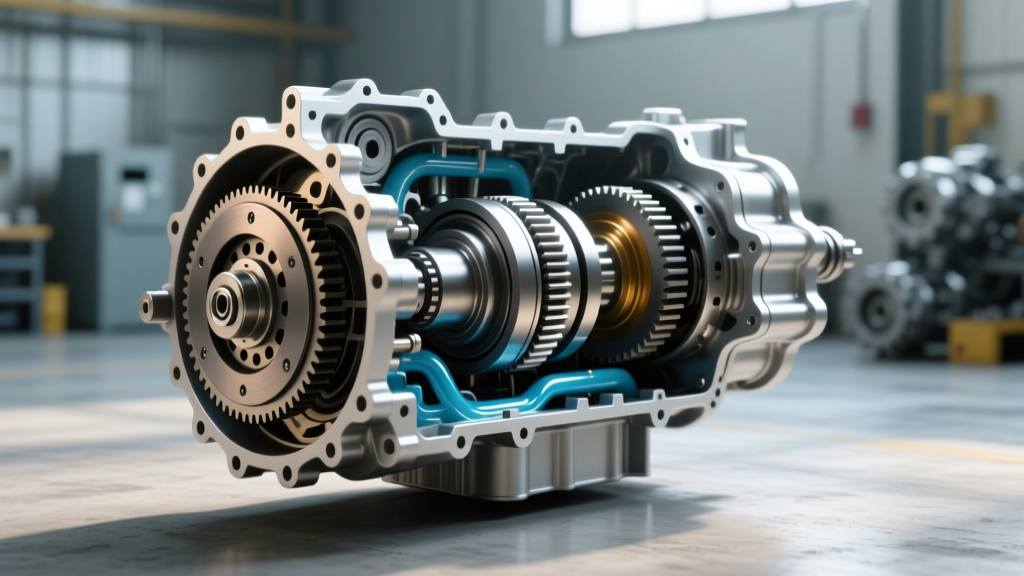
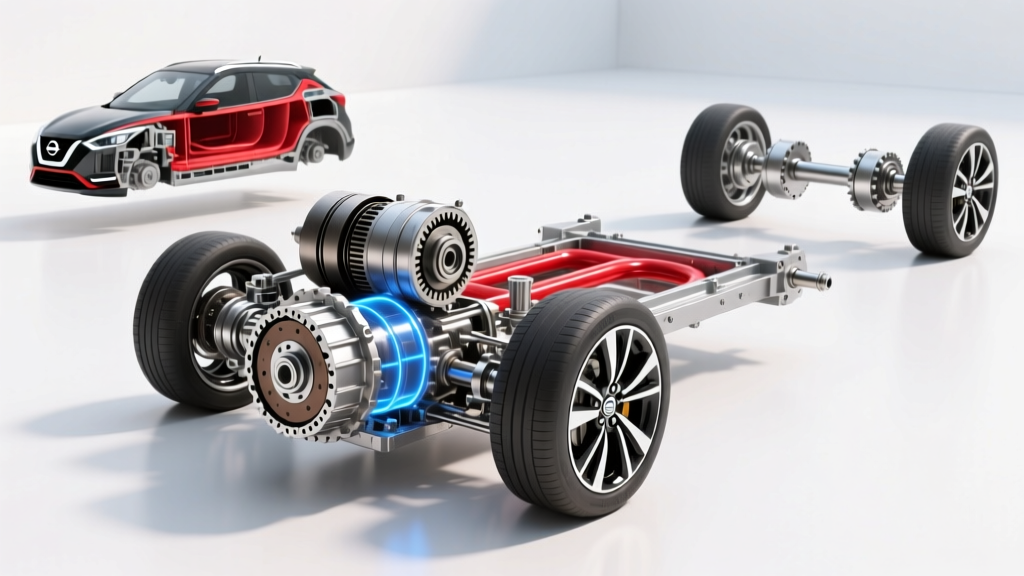
When evaluating subcompact crossovers in 2026, buyers frequently conflate all-wheel drive (AWD), four-wheel drive (4WD), and front-wheel drive (FWD) architectures. The Nissan Kicks drivetrain serves as an excellent baseline for this comparison. Predominantly engineered as a highly efficient FWD platform, the Kicks utilizes a transaxle that integrates the transmission and front differential into a single, compact housing. In contrast, AWD and 4WD systems require complex power-routing mechanisms to distribute torque to the rear axle.
Understanding these mechanical distinctions is critical for preventive maintenance. A FWD vehicle like the Kicks requires meticulous care of its Continuously Variable Transmission (CVT) fluid and integrated differential. Conversely, AWD and 4WD vehicles demand additional servicing of transfer cases, rear differentials, and electromagnetic clutch packs. According to the Nissan Owner Portal, adhering to layout-specific service intervals is the primary defense against catastrophic drivetrain failure.
Drivetrain Layout Comparison Chart
| Layout | Primary Components | Fluid Type | Service Interval | Avg. Service Cost |
|---|---|---|---|---|
| FWD (Nissan Kicks) | Transaxle (CVT + Open Front Diff) | Nissan NS-3 CVT Fluid | Every 60,000 miles | $150 - $250 |
| AWD (e.g., Rogue) | Transaxle + PTU + Rear Diff + Clutch Pack | Nissan Matic S / GL-5 | Every 30,000 - 60,000 miles | $250 - $400 |
| 4WD (e.g., Frontier) | Transmission + Mechanical Transfer Case + Diffs | API GL-5 75W-90 | Every 30,000 miles (or off-road use) | $200 - $350 |
Preventive Maintenance: Nissan Kicks FWD CVT Drivetrain
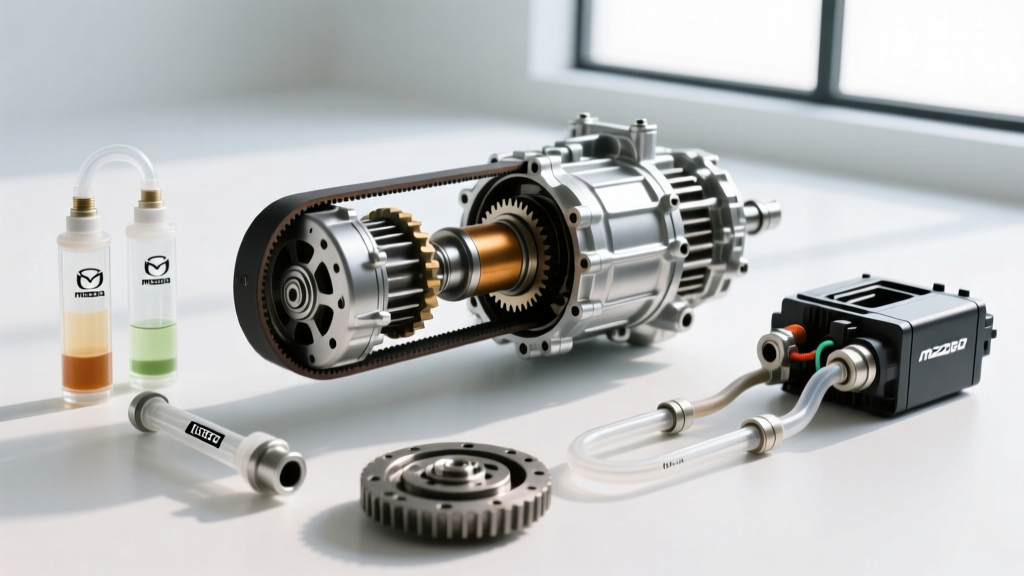
The Nissan Kicks drivetrain relies on the Jatco CVT7 (JF015E) or newer Xtronic variants, paired with the 1.6L HR16DE engine. Because the front differential is submerged in the same fluid as the CVT pulleys and belt, fluid degradation affects both power delivery and cornering lubrication. The Jatco technical documentation emphasizes that CVT fluid is not a 'lifetime' fluid, despite older dealership marketing claims.
Jatco CVT Fluid Service & Torque Specs
- Fluid Specification: Nissan NS-3 (Part # 999MP-NS300P). Never use NS-2 or generic ATF, as the friction modifiers are incompatible with the Kicks' lock-up clutch and stepper motor.
- Capacity: 7.4 quarts (dry fill); a standard drain-and-fill requires approximately 4.5 to 5.0 quarts.
- Drain Plug Torque: 34 Nm (25.3 lb-ft). Over-torquing the aluminum transaxle pan will strip the threads, necessitating a $1,200+ valve body/pan replacement.
- Filter/Strainer: Replace the internal strainer (Part # 31728-1XF0D) every 120,000 miles. This requires dropping the transmission pan. Clean the magnetic catch ring thoroughly to remove ferrous clutch material.
- Temperature Calibration: Post-service, the CVT fluid temperature must be monitored via an OBD2 bi-directional scanner. The fluid level check must be performed when the fluid temperature is precisely between 104°F (40°C) and 113°F (45°C) to ensure accurate expansion volume.
AWD System Maintenance: Clutch Packs & Rear Differentials
While the Nissan Kicks is FWD, its larger siblings (like the Rogue) utilize an Intelligent AWD system. This layout uses an electromagnetic clutch pack located at the rear axle to engage the rear wheels when front slip is detected. Preventive maintenance here focuses on thermal management and clutch friction preservation.
Electromagnetic Coupling Care
The AWD coupling relies on highly specialized hydraulic fluid to actuate the clutch plates and cool the assembly. If this fluid shears or oxidizes, the clutch pack will slip, leading to 'AWD Lock' warning lights and eventual mechanical burnout.
- Transfer Case / Coupling Fluid: Nissan Matic S (Part # 999MP-ATS00P). Capacity is remarkably small, typically around 0.4 liters (0.42 quarts).
- Service Interval: Every 30,000 miles for severe driving (towing, snow, mountainous terrain), or 60,000 miles for standard commuting.
- Rear Differential: Requires API GL-5 75W-90 gear oil. Capacity is roughly 0.5 liters. Drain and fill plug torque is typically 30 lb-ft (41 Nm).
- Failure Mode: Neglecting Matic S changes causes the electromagnetic coil to overwork, generating excessive heat that warps the clutch plates. Replacement of the rear coupling assembly exceeds $1,500 in parts and labor.
Traditional 4WD Maintenance: Transfer Cases & Locking Hubs
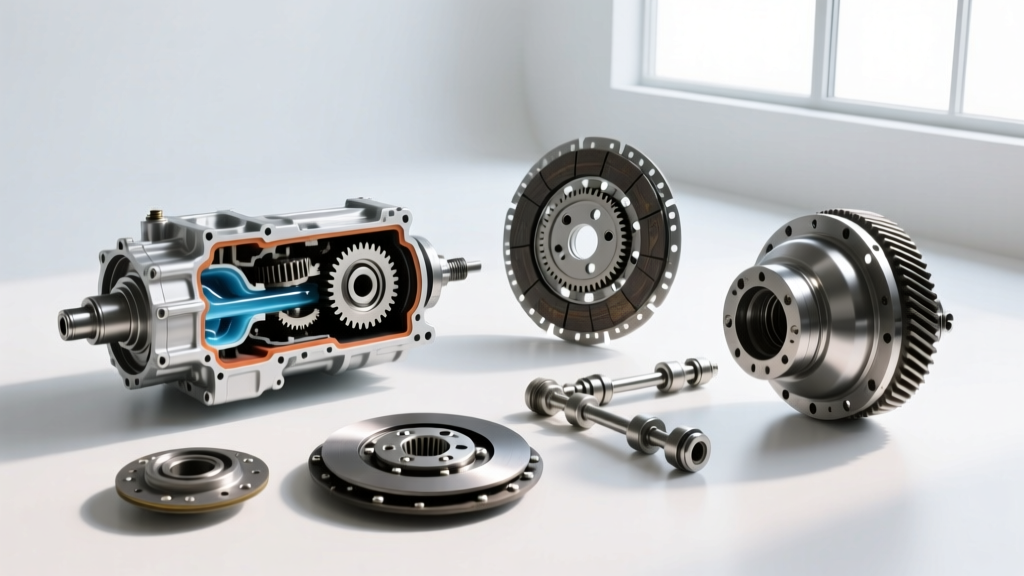
True 4WD systems, found in body-on-frame trucks like the Nissan Frontier or global SUVs, differ fundamentally from AWD. They utilize a mechanical transfer case with a heavy-duty chain or gear-driven front output shaft, designed for low-range torque multiplication.
Gear Oil Intervals & Component Greasing
Unlike the delicate electromagnetic clutches of AWD systems, 4WD transfer cases are robust but require strict adherence to extreme-pressure (EP) gear oil standards.
- Transfer Case Fluid: API GL-5 75W-90 Synthetic. Capacity varies by model (e.g., 2.0 to 2.5 liters).
- Front Differential: API GL-5 75W-90. If equipped with a limited-slip differential (LSD), a friction modifier additive must be included to prevent chatter during low-speed turns.
- Shift Motor Maintenance: The electronic shift-on-the-fly (SOTF) motor mounted on the transfer case is highly susceptible to moisture ingress and corrosion. During preventive maintenance, the motor connector should be disconnected, cleaned with electrical contact cleaner, and coated with dielectric grease.
- Actuator & Hub Service: For vehicles with manual or vacuum-actuated locking hubs, the hub internals must be disassembled, cleaned of old grease, and repacked with high-temp lithium complex grease every 30,000 miles to prevent 'hub lock' failure on the trail.
Diagnostic Warning Signs Across All Layouts
Recognizing early drivetrain anomalies can save thousands in secondary damage. Monitor your vehicle for the following layout-specific symptoms:
FWD / CVT (Nissan Kicks)
- Highway RPM Surging: Indicates the CVT belt is slipping due to degraded NS-3 fluid or a failing stepper motor. The transmission enters a 'fail-safe' limp mode, capping RPMs and speed.
- Whining on Deceleration: Often points to wear in the integrated front differential bearings or the CVT reduction gear set.
AWD Systems
- Chatter During Tight Turns: If the rear coupling fluid is degraded, the clutch plates may bind instead of slipping smoothly, causing a hopping sensation from the rear axle.
- Vibration at 50-65 MPH: A failing center support bearing on the two-piece driveshaft or a worn PTU (Power Transfer Unit) output seal.
4WD Systems
- Grinding from Undercarriage: If the transfer case chain stretches due to inadequate GL-5 lubrication, it will slap against the aluminum housing, producing a distinct metallic grinding noise under load.
- Front Axle Bind: If the front differential actuator fails to fully disengage when shifting back to 2WD, the front driveshaft will spin continuously, destroying the front axle seals and causing severe drivetrain bind on dry pavement.
Whether you are maintaining the efficient FWD Nissan Kicks drivetrain or servicing a heavy-duty 4WD transfer case, the cornerstone of longevity is using the exact OEM-specified fluid and adhering to precise torque and temperature protocols. Skimping on a $150 CVT drain-and-fill or a $40 transfer case service inevitably leads to premature, catastrophic component failure.