The Critical Role of Fluid in the NAG1 Torque Converter
The NAG1 (New Automatic Generation 1) transmission—widely known as the Mercedes-Benz 722.6, Chrysler W5A580, and Dodge/Jeep 5G-Tronic—is a masterpiece of early 2000s engineering that remains on the road in massive numbers. As we navigate the 2026 aftermarket landscape, the aging population of these 5-speed automatics means that torque converter and fluid-related failures are at an all-time high. Unlike older hydraulic-only transmissions, the NAG1 relies heavily on a computer-controlled Torque Converter Clutch (TCC) that utilizes a 'controlled slip' strategy for fuel efficiency and smooth shifting.
This controlled slip places immense thermal and mechanical stress on the automatic transmission fluid (ATF). When NAG1 torque converter fluid issues arise, they rarely present as simple leaks; instead, they manifest as complex drivability faults, solenoid codes, and catastrophic clutch pack wear. Understanding the precise fluid dynamics, diagnostic procedures, and exchange best practices is mandatory for any technician or advanced DIYer working on these platforms.
Anatomy of NAG1 Fluid Degradation
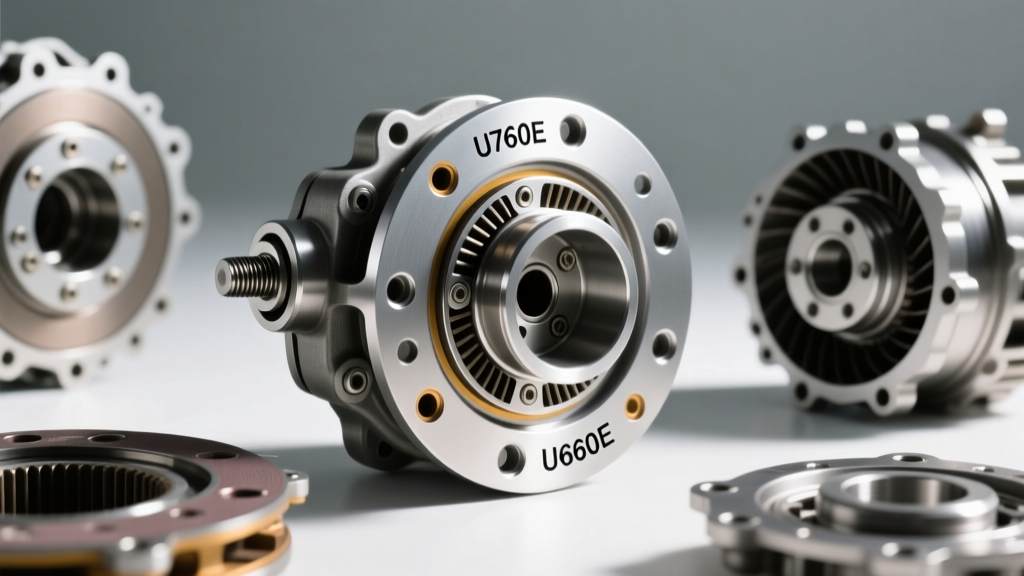
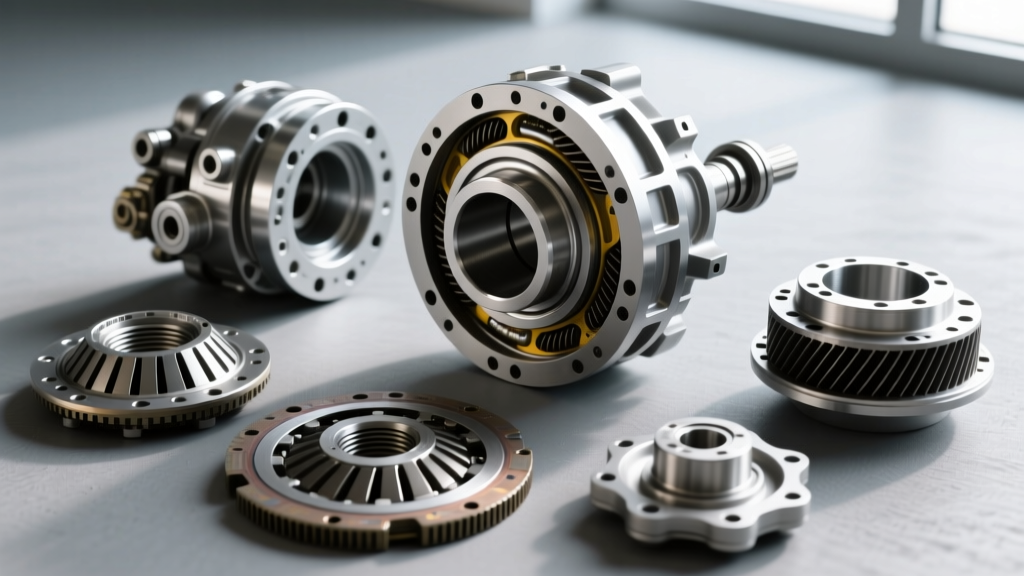
The NAG1 torque converter operates with a lockup clutch that is intentionally slipped by the Transmission Control Module (TCM) during specific load conditions to dampen engine harmonics. This micro-slipping generates intense localized heat and shears the friction modifiers suspended in the ATF.
When the friction modifiers deplete, the TCC can no longer slip smoothly. The result is a phenomenon known as 'converter shudder'—a harmonic vibration typically felt between 40 and 55 mph under light throttle. Furthermore, as the fluid oxidizes, it forms varnish that sticks the tiny spool valves inside the electro-hydraulic control unit (valve body), leading to harsh 2-3 shifts or delayed reverse engagements.
Identifying Symptoms of NAG1 Torque Converter Fluid Issues
Diagnosing fluid-related torque converter problems requires looking past the physical fluid and observing how the transmission behaves under load. Watch for these hallmark symptoms:
- TCC Shudder (40-55 mph): A rhythmic, washboard-like vibration indicating depleted friction modifiers or glazing on the TCC friction material.
- Delayed Reverse Engagement: Often caused by fluid bypassing worn TCC piston seals or a stuck TCC switch valve due to varnished fluid.
- Conductor Plate Codes (P0715, P0720, P2784): Metallic debris from a failing torque converter stator or TCC lining migrates to the conductor plate, fouling the magnetic speed sensors.
- Flare on the 3-4 Shift: Degraded fluid fails to actuate the K3 clutch piston rapidly enough, causing RPM flares before the gear catches.
NAG1 Fluid Specifications & Capacity Matrix
Using the incorrect fluid in a NAG1 is a guaranteed path to transmission destruction. The friction coefficient required for the 722.6/W5A580 TCC is highly specific. Below is the definitive matrix for NAG1 fluid specifications.
| MB Specification | OEM Fluid / Part Number | Aftermarket Equivalent | Fluid Color | Application Notes |
|---|---|---|---|---|
| MB 236.10 | Shell ATF 3403 (A 001 989 21 03) | Fuchs Titan ATF 3403 | Red | Early 722.6 (pre-2001). Obsolete for most applications. |
| MB 236.14 | Shell ATF 134 (A 001 989 45 03) | Fuchs Titan ATF 4134, Valvoline Import Multi-Vehicle | Blue / Green | Standard for all W5A580 and late 722.6. Do not mix with 236.10. |
Expert Warning: Never use generic Dexron III or Mercon V fluids in a NAG1 transmission. The friction modifiers in standard domestic ATFs will cause immediate TCC shudder and will permanently glaze the NAG1's specialized paper-based clutch linings within 500 miles.
The 'No Dipstick' Diagnostic Challenge
One of the most frustrating aspects of NAG1 torque converter fluid issues is verifying the fluid level. Mercedes-Benz and Chrysler designed the 722.6 and W5A580 without a traditional under-hood dipstick. Instead, the filler tube is sealed with a break-away lock pin at the base.
To check the fluid level, you must use a specialized NAG1 dipstick tool (such as OEM Tools 25381 or Mercedes tool 9226), which is inserted down the filler tube from the engine bay. The fluid level is entirely dependent on the transmission pan temperature, which must be read via an OBD2 scanner capable of accessing the TCM live data stream.
Temperature-to-Level Correlation Chart
- 25°C (77°F): Fluid level should be at the lower mark (approx. 40mm on the tool).
- 50°C (122°F): Fluid level should be in the middle of the safe zone.
- 80°C (176°F): Fluid level should be at the upper mark (approx. 65mm on the tool). This is the target operating temperature for a final level check.
Step-by-Step NAG1 Fluid Exchange Best Practices
A simple 'drain and fill' only replaces about 4.5 liters of the total 8.5 to 9.0-liter capacity, leaving over 3 liters of degraded fluid trapped inside the torque converter. To properly address NAG1 torque converter fluid issues, a complete fluid exchange is required.
1. Pan Drop and Filter Replacement
Remove the transmission pan. Note that the NAG1 pan is held on by 15 M6 bolts. Torque Spec: These bolts must be torqued to exactly 8 Nm (71 in-lbs) upon reinstallation. Over-torquing will strip the thin magnesium or aluminum casting of the transmission case. Replace the filter (Part # 220 277 01 00) and always replace the small rubber O-ring where the filter neck seats into the valve body. A missing or pinched O-ring will cause a loss of line pressure, resulting in immediate clutch burnout.
2. The Torque Converter Drain Plug Dilemma
Early 722.6 models featured a drain plug on the torque converter housing (accessed via the inspection plate, requiring a 22mm socket, torqued to 22 Nm). However, post-2001 Mercedes and nearly all Chrysler/Jeep W5A580 models eliminated this plug. If your NAG1 lacks a TC drain plug, you must use a transmission dialysis (flush) machine connected to the cooler lines, or perform a manual cooler-line flush by idling the vehicle in park while adding new MB 236.14 fluid to the filler tube and collecting the old fluid from the return cooler line until the color runs clear.
3. Re-sealing the Filler Tube
Once the fluid level is set at 80°C, you must install a new lock pin (Part # 220 277 00 73) into the base of the filler tube to secure the cap. Push it in until it snaps flush. Failure to secure this pin will result in the cap vibrating loose, leading to massive fluid loss and transmission seizure.
Addressing Conductor Plate Contamination
If your NAG1 torque converter fluid issues have triggered speed sensor codes (P0715/P0720), the fluid contamination has likely reached the conductor plate. The conductor plate sits directly on top of the valve body and houses the TCM and speed sensors.
Metallic particles from a failing torque converter stator bearing or shedding TCC friction material become magnetized and cling to the speed sensors, causing signal dropouts. According to technical bulletins from Sonnax transmission specialists, simply clearing the codes will not fix the issue. The valve body must be dropped, the conductor plate removed, and the sensors carefully cleaned with an electronic-safe solvent. If the TCC material has severely scored the valve body bore for the TCC switch valve, a Sonnax TCC switch valve repair kit (Part # 68942-07K) is required to restore proper hydraulic lockup control.
Cost Analysis & Preventative Maintenance
Ignoring NAG1 torque converter fluid issues will inevitably lead to a complete transmission replacement, which can exceed $4,500 in 2026 labor and parts markets. A proper preventive maintenance fluid exchange using OEM-spec MB 236.14 fluid, a genuine Mann or Hengst filter, and a new pan gasket (Part # 220 277 00 80) costs between $250 and $400 if performed at an independent European specialist, or roughly $150 for a meticulous DIYer.
For vehicles used in heavy towing, off-road conditions, or extreme heat, the fluid exchange interval should be halved from the manufacturer's 'lifetime' or 60,000-mile recommendation to every 30,000 to 40,000 miles. Maintaining the precise friction characteristics of the ATF is the single most effective way to ensure the NAG1's torque converter and clutch packs survive for well over 250,000 miles.
For deeper community troubleshooting and model-specific W5A580 wiring diagrams, enthusiast archives like MBWorld forums remain an invaluable resource for tracking down obscure TCM grounding issues that often mimic fluid-related torque converter failures.