The Economics of Torque Transfer: Powersports vs. Automotive
When enthusiasts and mechanics discuss torque converters, the conversation usually splits into two distinct worlds: powersports continuously variable transmissions (CVTs) and automotive hydrodynamic lockup converters. While the fundamental goal—multiplying torque and transferring rotational force—remains identical, the engineering, failure symptoms, and replacement costs differ wildly. In this 2026 model-specific cost analysis guide, we are breaking down the exact pricing, part numbers, and diagnostic frameworks for three vastly different torque converter systems: the asymmetric CVT torque converter found on the Coleman BT200X mini-bike, the ubiquitous GM 4L60E automotive lockup converter, and the complex GM 6L80 Electronic Controlled Capacity Clutch (ECCC) system.
Whether you are troubleshooting a bogging 196cc go-kart or diagnosing a severe torque converter clutch (TCC) shudder in a late-model Silverado, understanding the model-specific economics of these components is critical for making the right repair decisions.
Coleman BT200X Torque Converter: 2026 Price Breakdown & Specs
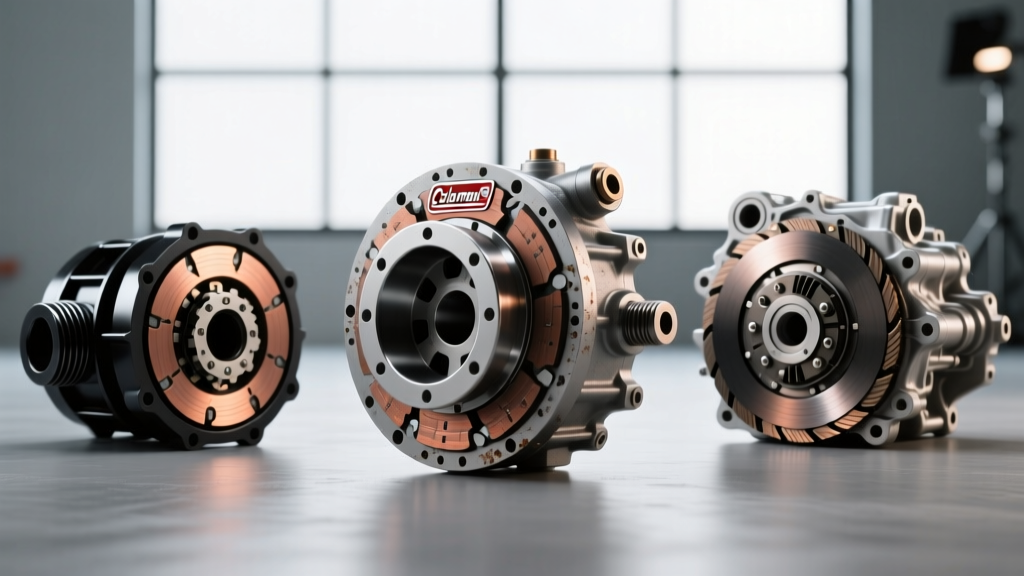
The Coleman BT200X is powered by a 196cc OHV single-cylinder engine. Unlike automotive automatics that use transmission fluid to couple the engine to the drivetrain, the BT200X utilizes a dry, asymmetric belt-driven torque converter system. This is frequently referred to as a Comet TAV2 clone. It consists of a centrifugal driver pulley mounted to the crankshaft, a torque-sensing driven pulley mounted to the transmission jackshaft, and a specialized asymmetrical drive belt.
Part Numbers, Specifications, and Pricing
In the powersports market, you rarely replace just the internal clutch weights or springs; you replace the entire torque converter assembly. As of 2026, aftermarket supply chains have stabilized, making complete kits highly affordable.
- Complete Torque Converter Kit (Part # 218352A / 219452A): Includes the driver pulley, driven pulley, plastic cover, and 27-3/4-inch asymmetric belt. Cost: $120 - $165.
- Replacement Drive Belt Only (Part # 211132A): 3/4-inch top width, 725mm circumference. Cost: $25 - $40.
- Driven Pulley Spring (Torque Spring): Often upgraded for higher engagement RPMs. Cost: $12 - $18.
According to Comet Industries TAV2 Specifications, the asymmetric design utilizes an 18-degree angle on the fixed sheave and a 28-degree angle on the movable sheave. This specific geometry allows the belt to ride deeper in the pulleys at low RPMs, providing a 2.7:1 starting ratio that mimics the torque multiplication of a stalled automotive converter.
Diagnosing BT200X Torque Converter Failure
Because the BT200X system is dry and exposed to the elements, failure symptoms are highly visual and auditory. Common symptoms include:
- Failure to Engage (Bogging): If the driver pulley shoes are glazed or the main spring has fatigued, the converter will not engage at the factory 1,200 RPM threshold, causing the engine to bog under load.
- Belt Squeal and Black Dust: Indicates the driven pulley is binding on the jackshaft due to lack of lubrication or corrosion, causing the belt to slip and overheat.
- Top-End Speed Loss: If the belt stretches beyond its 27-3/4-inch specification, it will not ride to the outermost diameter of the driven pulley, effectively robbing the bike of its overdrive ratio.
Automotive Baselines: 4L60E and 6L80 Cost Analysis
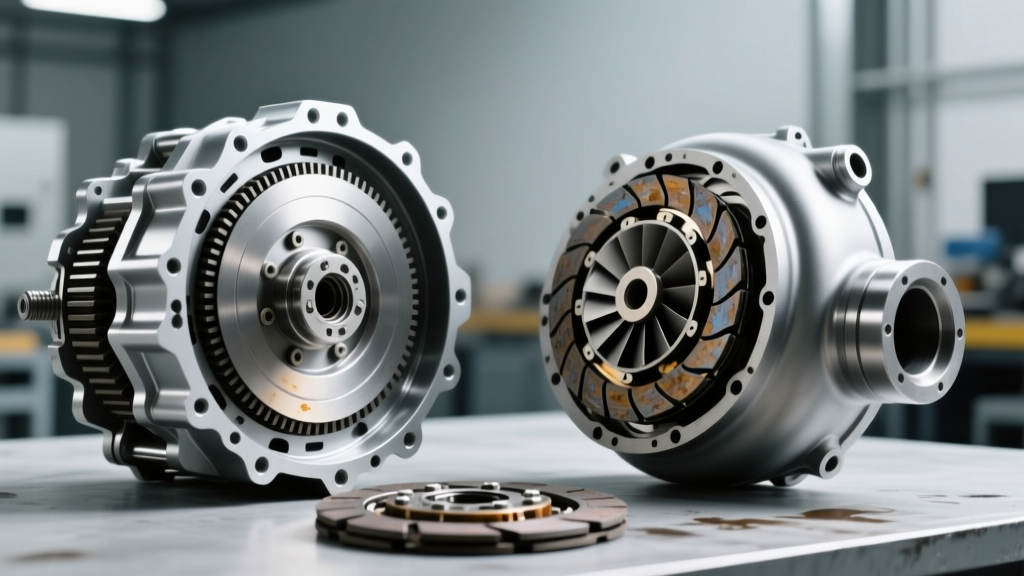
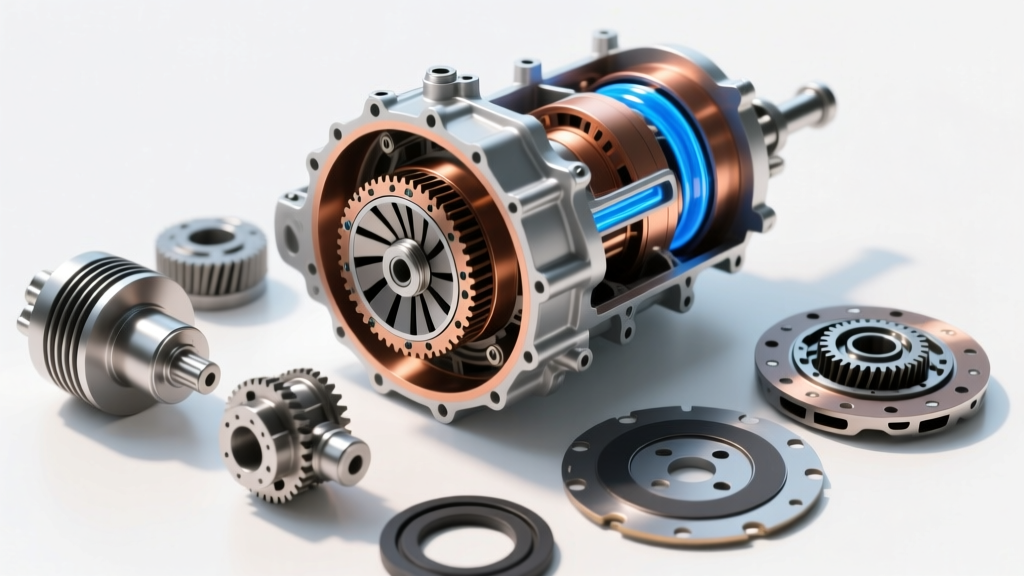
Transitioning from powersports to automotive platforms, the complexity and cost of torque converter systems increase exponentially. Automotive converters are sealed, fluid-filled units containing a stator, turbine, impeller, and a friction-lined Torque Converter Clutch (TCC) for 1:1 lockup.
GM 4L60E: The Budget Rebuild
The GM 4L60E remains one of the most common 4-speed automatic transmissions on the road. Its torque converter is a relatively simple 300mm unit with a standard PWM (Pulse Width Modulated) TCC apply solenoid.
- OEM Replacement Converter (e.g., TRG-4L60E): $160 - $240.
- Performance High-Stall Converter (e.g., 3,000 RPM): $350 - $550.
- Fluid Capacity & Cost: Requires approximately 11.2 quarts of Dexron VI. $65 - $85.
The most common symptom of a failing 4L60E torque converter is a TCC shudder in 3rd or 4th gear, often caused by the degradation of the friction lining or a failing TCC PWM solenoid. In 2026, the RockAuto Torque Converter Catalog lists remanufactured units for as low as $145, though core charges of $75 to $125 apply.
GM 6L80: The Lockup Clutch Premium
The 6L80 6-speed automatic introduced a highly complex TCC system known as ECCC (Electronic Controlled Capacity Clutch). Unlike older converters that fully locked or unlocked, the 6L80 ECCC operates in a state of continuous, micro-managed slip to dampen engine vibrations and improve fuel economy. While brilliant for efficiency, it is notorious for premature TCC shudder.
- OEM Replacement Converter (300mm / 340mm variants): $320 - $580.
- Billet Cover / Upgraded Clutch Lining: $650 - $900.
- Fluid Capacity & Cost: Requires Dexron ULV (Ultra Low Viscosity), which is significantly more expensive at $110 - $140 for a 12-quart dry fill.
Diagnosing a 6L80 requires a bi-directional scan tool to monitor TCC slip RPM. If the slip exceeds 20 RPM during steady-state highway cruising, the clutch lining is likely compromised, and the converter must be cut open and rebuilt or replaced entirely.
Comprehensive Cost & Specs Comparison Matrix
The table below illustrates the stark contrast in repair economics between asymmetric powersports CVTs and automotive hydrodynamic lockup converters.
| Model / Platform | Converter Type | Part Cost (2026) | Avg. Labor Cost | Total Est. Cost | Primary Failure Symptom |
|---|---|---|---|---|---|
| Coleman BT200X | Asymmetric Dry CVT | $120 - $165 | $0 (DIY) / $85 (Shop) | $120 - $250 | Belt slip, low-RPM bogging |
| GM 4L60E | Hydrodynamic w/ PWM TCC | $160 - $240 | $550 - $800 | $710 - $1,040 | TCC shudder, 3rd/4th gear slip |
| GM 6L80 | Hydrodynamic w/ ECCC | $320 - $580 | $850 - $1,300 | $1,170 - $1,880 | Micro-slip shudder, fluid degradation |
Labor Variables, Fluid Costs, and Hidden Fees
When analyzing torque converter replacement costs, the parts are often only a fraction of the final invoice. For the Coleman BT200X, the labor is almost entirely DIY-friendly. Removing the plastic CVT cover, unbolting the 13mm crankshaft bolt (torqued to roughly 35 lb-ft), and sliding the driver pulley off takes less than an hour. If a shop performs this, expect a flat 1-hour diagnostic and repair fee of $85 to $120.
Conversely, automotive torque converter replacement requires transmission extraction. For a 4L60E in a rear-wheel-drive truck, a mechanic must drop the driveshaft, disconnect the crossmember, unbolt the bellhousing, and support the engine. Labor times book between 4.5 and 6.5 hours. At a 2026 average independent shop rate of $135/hour, labor alone will eclipse $700.
Furthermore, automotive converters carry core charges. Because the internal friction materials and precious metals in the brazed stators are recyclable, parts suppliers mandate a core return. Failing to return your old 6L80 torque converter can result in a $150 to $250 penalty fee added to your final bill. Powersports CVTs carry no such core charges, as they are primarily cast aluminum, stamped steel, and rubber.
Expert Verdict: Repair vs. Replace Framework
The AutogearNexus Rule of Thumb: Never attempt to rebuild a sealed automotive torque converter in a home garage without a specialized balancer and cutting jig; the risk of high-speed rotational imbalance destroying your transmission input shaft is too high. Always buy a remanufactured or billet unit. However, for powersports CVTs like the Coleman BT200X, component-level repair (replacing just the drive belt or torque spring) is highly recommended and cost-effective.
If you are experiencing TCC shudder in a 6L80, do not immediately condemn the torque converter. First, perform a fluid exchange using genuine Dexron ULV and add a specialized shudder-fix friction modifier. According to data aggregated by Summit Racing Torque Converters and transmission rebuilders, up to 30% of mild ECCC shudder cases are resolved through fluid chemistry correction rather than mechanical replacement. For the Coleman BT200X, if your belt is covered in black dust, clean the jackshaft with emery cloth, apply a light coat of anti-seize, and install a new $30 belt before purchasing an entire $160 replacement kit.