The Anatomy of the MT-82 Hydraulic Release System
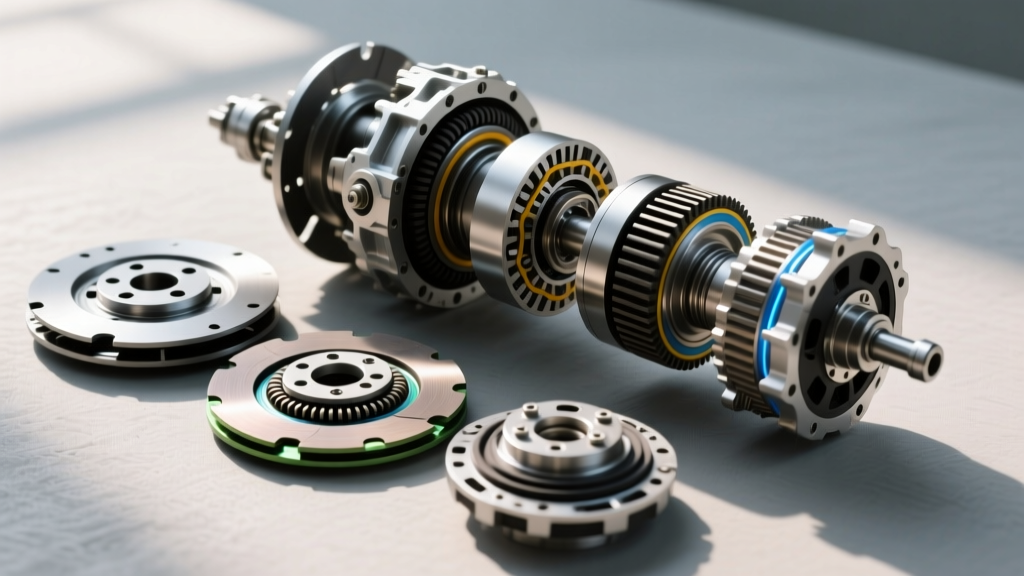
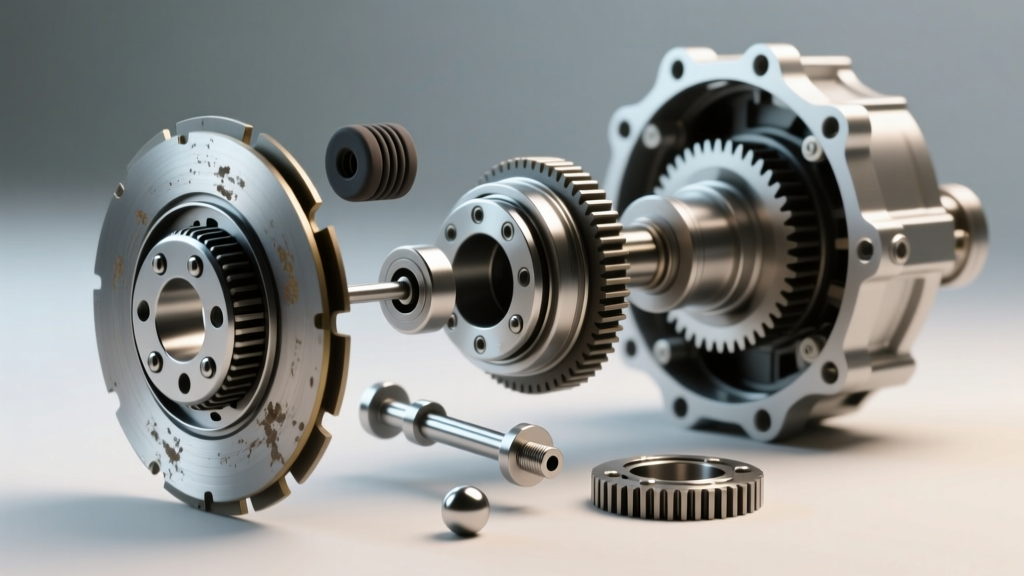
The Tremec MT-82 6-speed manual transmission, found in the 2015-2020 Ford Mustang S550 (and earlier S197 II models), utilizes a Concentric Slave Cylinder (CSC) rather than a traditional external slave cylinder, clutch fork, and pivot ball. In this setup, the CSC acts as the hydraulic throw-out bearing. It slides directly over the transmission input shaft bearing retainer collar and presses against the diaphragm spring fingers of the clutch pressure plate. While this design saves space and reduces moving parts, it places the hydraulic seals and bearing assembly inside the bellhousing, directly in the path of extreme clutch dust and radiant heat. As of 2026, understanding the specific failure modes of this hydraulic clutch component is critical for any Mustang owner or independent technician.
Identifying Throw-Out Bearing Noise vs. Gear Rattle
Diagnosing manual transmission noise requires isolating the exact moment the acoustic anomaly occurs. A failing hydraulic release bearing on the MT-82 will present a very specific auditory profile compared to input shaft bearing wear or normal gear rattle.
Acoustic Diagnostics Framework
- Clutch Depressed (Pedal on the floor): If a grinding, whirring, or metallic scraping noise begins or worsens when you press the clutch pedal to the floor, the hydraulic throw-out bearing is under load and failing. The bearing races are being forced against the pressure plate fingers, exposing worn internal ball bearings or a damaged cage.
- Clutch Engaged (Pedal released): If the noise is prominent when the pedal is out and the transmission is in neutral, but disappears or lessens when the pedal is pressed, you are likely hearing the MT-82's notorious input shaft gear rattle or a failing input shaft bearing, not the CSC.
- Clutch Engagement Zone (Pedal halfway up): A high-pitched squeal or chirp occurring only in the friction zone usually indicates a glazed release bearing face or worn diaphragm spring fingers, rather than internal bearing failure.
Why the OEM Concentric Slave Cylinder (CSC) Fails
The OEM Ford CSC (Part Number CK4Z-7A564-A) is manufactured with a plastic inner liner and rubber hydraulic seals. Over time, two primary failure mechanisms destroy this component:
- Heat Soak and Seal Extrusion: Stop-and-go traffic and aggressive track driving generate massive heat in the bellhousing. The OEM rubber seals soften, allowing DOT 4 brake fluid to bypass the internal piston. This results in a spongy pedal, fluid pooling in the bottom of the bellhousing (often mistaken for a rear main seal leak), and eventual clutch drag.
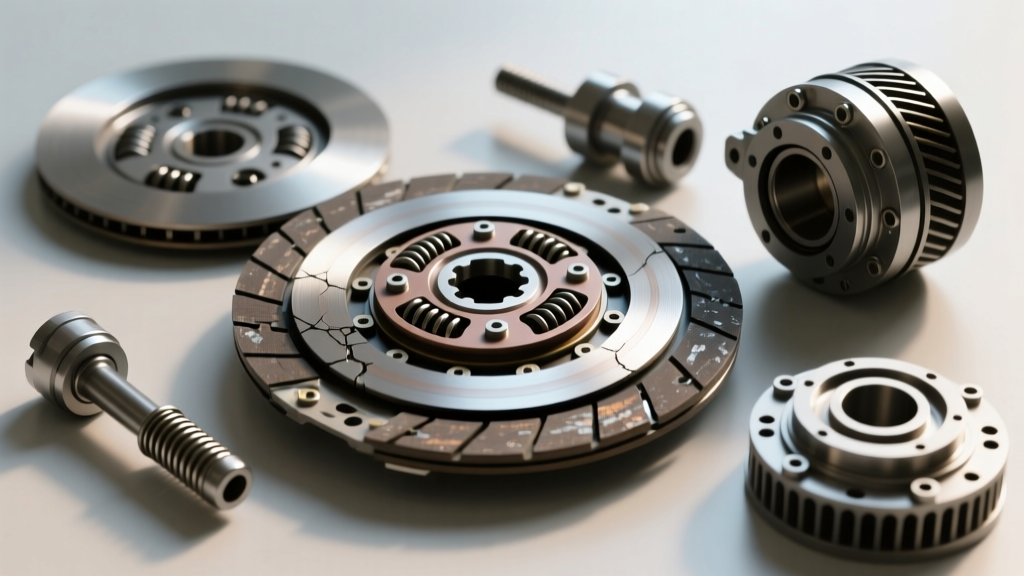
- Bearing Cage Disintegration: The MT-82's 23-spline input shaft can exhibit slight harmonic vibrations. If the steel bearing retainer collar develops a groove from the OEM bearing riding on it, the new bearing will wobble, accelerating cage wear and resulting in catastrophic metallic grinding.
Expert Diagnostic Tip: Before dropping the transmission, use a borescope camera through the inspection cover or starter motor hole. If you see a thick, black, oily sludge coating the clutch fork area or the bottom of the bellhousing, your CSC internal seal has blown. Clutch dust mixed with DOT 4 fluid creates this distinct paste.
Step-by-Step MT-82 CSC Replacement & Torque Specs
Replacing the hydraulic clutch release bearing on the S550 requires removing the exhaust system from the catalytic converters back, the aluminum driveshaft, the starter, and the transmission crossmember. Once the MT-82 is on a jack and the bellhousing is separated from the engine block, the CSC is held in place by two 8mm bolts.
Critical Inspection Step: Before installing the new CSC, you must measure the bearing retainer collar. Use a micrometer to check for grooves. If the collar is scored, it must be replaced (Ford Part # BR3Z-7050-A), or the new CSC will fail within 5,000 miles. Additionally, apply a microscopic layer of high-temperature synthetic grease (like Mobil 1 Synthetic Grease) to the collar—never over-grease, or centrifugal force will throw grease onto the clutch friction material.
Fastener Torque Specifications
| Component | Fastener Size | Torque Specification | Notes |
|---|---|---|---|
| CSC to Bellhousing | M6 x 1.0 | 8 - 10 Nm (71 - 89 lb-in) | Do not overtighten; plastic housing can crack. |
| Bellhousing to Engine Block | M10 x 1.5 | 40 Nm (30 lb-ft) | Use threadlocker on top two bolts near the dowel pins. |
| Flywheel to Crankshaft | M12 x 1.25 | 85 Nm (63 lb-ft) + 90 degrees | Must use new OEM torque-to-yield bolts or ARP hardware. |
| Driveshaft to Pinion Flange | M12 x 1.75 | 80 Nm (59 lb-ft) | Mark alignment before removal to prevent vibration. |
Bleeding the Hydraulic Clutch: The Syringe Method
The MT-82 hydraulic clutch system is notoriously difficult to bleed using the traditional 'pump the pedal' method. The CSC sits at the top of the bellhousing, and the hydraulic line routes upward, creating a natural trap for air bubbles. Furthermore, the OEM quick-connect fitting often restricts fluid flow during manual bleeding. As of 2026, the industry standard for the MT-82 is reverse pressure bleeding.
Using a large 100ml syringe and a piece of clear vinyl tubing, attach the tube to the bleeder nipple on the CSC (accessed from above the transmission tunnel after removing the rubber plug). Fill the syringe with fresh Motorcraft DOT 4 LV High Performance Brake Fluid (PM-20). Slowly inject the fluid backward through the system, pushing air up and out into the master cylinder reservoir under the hood. Keep the reservoir cap off and use a turkey baster to extract excess fluid so it doesn't overflow onto the firewall paint, which will strip the clear coat.
Cost Breakdown: OEM vs. Aftermarket Upgrades
When sourcing parts, you have three primary routes. According to current pricing data from RockAuto's Clutch Catalog and direct manufacturer listings, here is how the options compare for the S550 platform:
| Brand / Part Number | Type | Est. Price (2026) | Best Application |
|---|---|---|---|
| Ford OEM (CK4Z-7A564-A) | Standard CSC | $130 - $160 | Stock daily drivers, low-HP builds. |
| Ford Performance (M-7565-M8) | Heavy Duty CSC | $220 - $260 | Track use, supercharged applications. |
| Exedy (MCSC04) | Upgraded CSC | $180 - $210 | Aftermarket clutch kits, street/strip. |
For vehicles pushing over 500 wheel horsepower, we highly recommend pairing the Ford Performance Heavy Duty CSC with an aftermarket braided stainless steel AN4 clutch line. The OEM plastic line expands under high engine bay temperatures, causing pedal fade that mimics a failing throw-out bearing. Upgrading the line ensures firm, consistent hydraulic pressure directly to the release bearing.
Final Thoughts on MT-82 Drivetrain Longevity
Throw-out bearing noise on the MT-82 is rarely an isolated event; it is usually a symptom of heat mismanagement and fluid degradation. Flushing your clutch hydraulic fluid every 30,000 miles with a high-quality low-viscosity DOT 4 fluid will extend the life of the internal CSC seals. If you catch the bearing noise early—before the cage shatters and scores the input shaft—you can save yourself from a $400 transmission rebuild. Always inspect the bearing retainer collar, use precise torque specs, and reverse-bleed the system to ensure your hydraulic clutch operates flawlessly for the next 60,000 miles.
For further technical service bulletins regarding Mustang clutch judder and hydraulic system updates, technicians should consult the Exedy USA technical resources or their local Ford dealership's OASIS system for the latest TSB revisions.