The Great Drivetrain Cleaner Confusion: E-Bikes vs. Automotive EVs
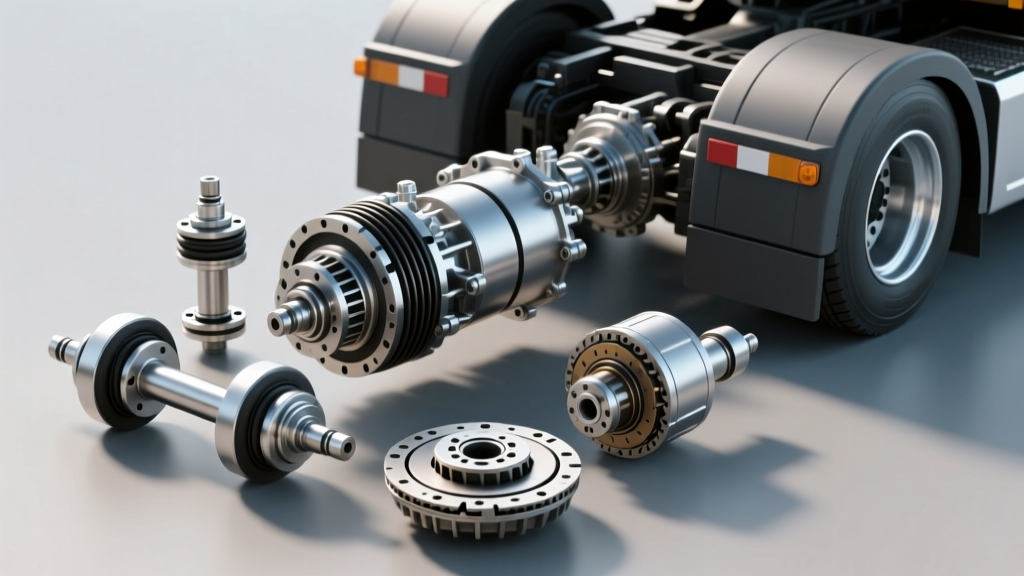
As we move deeper into the 2026 automotive landscape, the line between electric mobility categories has blurred in the minds of many DIY enthusiasts. A growing number of EV owners are searching for muc off bio drivetrain cleaner to maintain their Tesla, Rivian, or Porsche Taycan drive units. This represents a fundamental and potentially destructive category error. Muc-Off Bio Drivetrain Cleaner is an industry-leading, biodegradable solvent formulated specifically for the exposed chains, cassettes, and derailleurs of electric bicycles (e-MTBs) and motorcycles. It is not designed for, nor is it safe to use on, the sealed automotive drivetrains found in electric cars.
At AutoGearNexus, we frequently see owners attempting to spray bicycle chain degreasers onto the exterior casing, acoustic foams, or high-voltage (HV) connectors of automotive electric drive units (DUs). This guide will dismantle this misconception, explain the chemical incompatibilities, and provide a comprehensive buyer's guide for the actual fluids and cleaners your automotive EV drivetrain requires.
Chemical Incompatibility: Why Muc-Off Damages Automotive EVs
To understand why using a bicycle-specific bio-cleaner on a car is a critical mistake, we must look at the chemistry and the hardware. Muc-Off Bio Drivetrain Cleaner utilizes a specialized alkaline and bio-solvent formula designed to break down heavy chain waxes, PTFE lubricants, and road grime. While it is perfectly safe for bicycle O-rings, X-rings, and carbon fiber frames, it poses severe risks to automotive EV components:
- Acoustic Encapsulation Degradation: Modern EV drive units, such as the Tesla Model 3 Rear DU or the Hyundai E-GMP axles, are wrapped in specialized polyurethane acoustic foams to dampen high-frequency motor whine. Alkaline bio-solvents will rapidly break down these foams, leading to increased cabin NVH (Noise, Vibration, and Harshness).
- RTV Silicone and Gasket Swelling: The seam seals on automotive reduction gear casings rely on specific RTV (Room Temperature Vulcanizing) silicones. Aggressive bio-degreasers can cause these seals to swell, weep, and ultimately fail, allowing moisture ingress into the HV motor stator.
- Electrical Contact Corrosion: Spraying any liquid cleaner near the resolver sensors or the 400V/800V HV harness connectors risks capillary action drawing the solvent into the weather-pack seals, degrading the dielectric grease and causing insulation faults.
Expert Warning: Never apply bicycle, motorcycle, or general-purpose degreasers to the exterior or interior of an automotive EV drive unit. The acoustic materials and dielectric seals require pH-neutral, EV-specific cleaning agents.
Automotive EV Drivetrains vs. Traditional ICE Transmissions
To maintain an EV drivetrain properly, one must understand how it differs from the internal combustion engine (ICE) transmissions we have serviced for decades. Traditional automatic transmissions, like the ubiquitous ZF 8HP or the GM 6L80, are incredibly complex. A ZF 8HP45 contains a torque converter, multiple clutch packs, a mechatronic valve body, and requires approximately 9.5 liters of ZF LifeguardFluid 8. They generate immense heat and metallic shear debris, necessitating rigorous fluid flushes and pan-drop filter changes.
Conversely, automotive EV drivetrains are remarkably simple but operate at much higher rotational speeds (often exceeding 15,000 RPM). A typical EV DU consists of a 3-phase AC induction or permanent magnet synchronous motor, a single-speed helical reduction gear (usually with a ratio between 9:1 and 10.5:1), and an open differential. Because there are no clutch packs or valve bodies, the fluid requirements are entirely focused on high-speed bearing lubrication, copper winding cooling, and thermal management.
Buyer's Guide: What to Actually Use on Automotive EV Drivetrains
If you are looking to maintain your EV's drivetrain, you need products engineered for high-voltage environments and high-RPM reduction gears. Here is what you should actually be buying in 2026.
1. Internal Lubrication: EV-Specific Reduction Fluids
Do not use standard ATF or gear oil in an EV DU. Standard fluids contain friction modifiers designed for clutch packs, which can cause excessive foaming in an EV's splash-lubricated environment. Furthermore, they lack the necessary dielectric properties to safely interact with the motor's copper windings.
- Castrol ON EV Fluid: Engineered specifically for electric axles, offering superior thermal conductivity and copper corrosion protection. (Castrol EV Fluids)
- Pentosin ATF 9 / Tesla Part 1135270-00-A: The OEM standard for many Tesla Model 3/Y rear drive units, formulated for high-speed bearing shear stability.
2. Exterior Casing Cleaners
If your EV's undercarriage and drive unit casing are caked in road salt and grime, you need a cleaner that will not attack acoustic foams or wiring harnesses.
- Simple Green Aircraft & Precision Cleaner: pH-neutral, non-corrosive, and safe for aerospace and automotive wiring. It cuts through road film without degrading polyurethane acoustic wraps.
- CRC Brakleen (Non-Chlorinated, Low VOC): Excellent for spot-cleaning the exterior aluminum casing before performing a drain-and-fill, ensuring no dirt falls into the fill port.
3. Electrical Contact Cleaners
For cleaning the exterior of HV connectors or resolver sensor plugs before re-seating them:
- CRC QD Electronic Cleaner: Evaporates instantly, leaves zero residue, and is safe on sensitive EV plastics and dielectric greases.
Product Comparison: E-Bike vs. Automotive EV Maintenance
| Product Category | Target Application | Chemical Base | Safe on EV Acoustics? | Safe on HV Connectors? |
|---|---|---|---|---|
| Muc-Off Bio Drivetrain Cleaner | E-Bikes, E-Motos (Chains/Cassettes) | Alkaline / Bio-Solvent | No (Degrades Foam) | No |
| Castrol ON EV Fluid | Automotive EV Reduction Gears | Synthetic / Dielectric | N/A (Internal Use) | N/A (Internal Use) |
| Simple Green Aircraft | Automotive EV Exterior Casing | pH-Neutral Surfactant | Yes | Yes (When Powered Off) |
| CRC QD Electronic Cleaner | HV Connectors, Sensors | Fast-Evaporating Solvent | Yes | Yes |
Step-by-Step: Flushing a Tesla Model 3 Rear Drive Unit
While EV drivetrains are often marketed as 'sealed for life,' real-world data from high-mileage Teslas and Porsche Taycans shows that reduction gear fluid degrades due to thermal cycling and microscopic gear wear. We recommend a drain-and-fill every 60,000 miles. Here are the exact specifications for a Tesla Model 3/Y Rear DU:
Required Tools and Materials
- 3 Liters of Pentosin ATF 9 or OEM Tesla Fluid (Part 1135270-00-A)
- 8mm Allen socket (for fill and drain plugs)
- Torque wrench (capable of measuring 25 Nm)
- New crush washers for both plugs
The Procedure
- Preparation: Ensure the vehicle is powered completely off (not in 'Camp Mode' or 'Sentry Mode'). Clean the exterior of the DU casing around the fill and drain ports using CRC Brakleen to prevent debris ingress.
- Fill Port First: Always remove the fill plug (located on the upper side of the gear casing) before the drain plug. If the fill plug is seized, you do not want to drain the fluid and strand the vehicle.
- Drain: Remove the lower drain plug. Allow the fluid to drain completely. Inspect the magnetic drain plug for excessive metallic fuzz (a light paste is normal; large shards indicate gear or bearing failure).
- Reinstall Drain Plug: Install a new crush washer and torque the drain plug to 25 Nm (18.4 lb-ft).
- Fill: Using a fluid transfer pump, pump the new EV fluid into the fill port until it begins to weep out of the hole. The total capacity is approximately 2.4 Liters.
- Reinstall Fill Plug: Install a new crush washer and torque to 25 Nm (18.4 lb-ft).
Conclusion: Keep the Bio-Cleaner on the Bike Trail
The muc off bio drivetrain cleaner is a phenomenal product for its intended use case: keeping the Shimano STEPS or Bosch drivetrains of your electric mountain bike running silently and smoothly. However, the automotive EV drivetrain is an entirely different beast. By treating your car's electric drive unit with the same respect and specialized chemistry you would a high-voltage battery system, you ensure longevity, optimal thermal management, and a whisper-quiet ride. Leave the bicycle degreasers in the garage, and invest in proper EV dielectric fluids and pH-neutral automotive cleaners.