The Budget vs. Premium Clutch Debate in 2026
As we navigate the 2026 automotive aftermarket landscape, inflation and global supply chain shifts have driven a massive surge in ultra-budget import drivetrain components. For enthusiasts building GM LS-swapped vehicles or refreshing a daily-driven Tremec T56 Magnum, the allure of a sub-$200 MSC clutch kit (often sold under various generic importer names on major online marketplaces) is undeniable. However, when viewed through the lens of preventive maintenance and long-term drivetrain health, the true cost of budget friction components becomes glaringly apparent.
This guide provides a deep-dive technical comparison between generic MSC import kits, premium OEM-replacement options like Exedy, and heavy-duty performance alternatives like ACT (Advanced Clutch Technology). We will explore how your brand choice dictates your maintenance intervals, flywheel machining requirements, and hydraulic system longevity.
Material Science: Organic Friction and Thermal Degradation
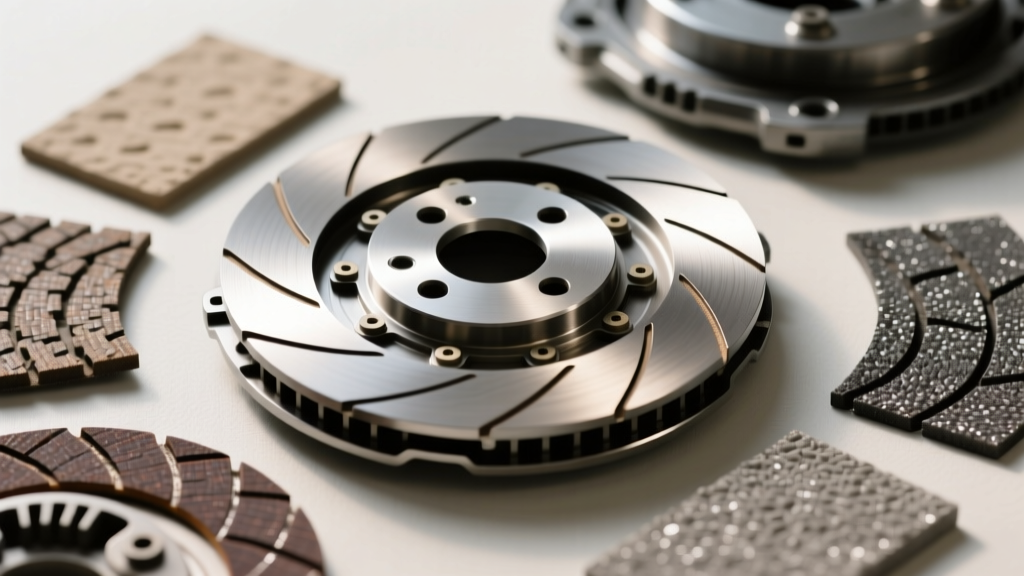
The friction disc is the heart of any manual transmission assembly. Budget MSC kits typically utilize a basic woven organic compound embedded with brass or copper wire chips. While this provides adequate initial bite for stock-horsepower applications, the resin binders used in these economy kits often suffer from early thermal degradation.
Thermal Thresholds and Marcel Spring Indexing
Premium manufacturers like Exedy use proprietary advanced organic compounds with higher thermal thresholds. A standard MSC organic disc may begin to experience resin outgassing (glazing) at surface temperatures exceeding 400°F. In contrast, an Exedy Stage 1 Organic disc can sustain surface temperatures up to 550°F before friction coefficients destabilize.
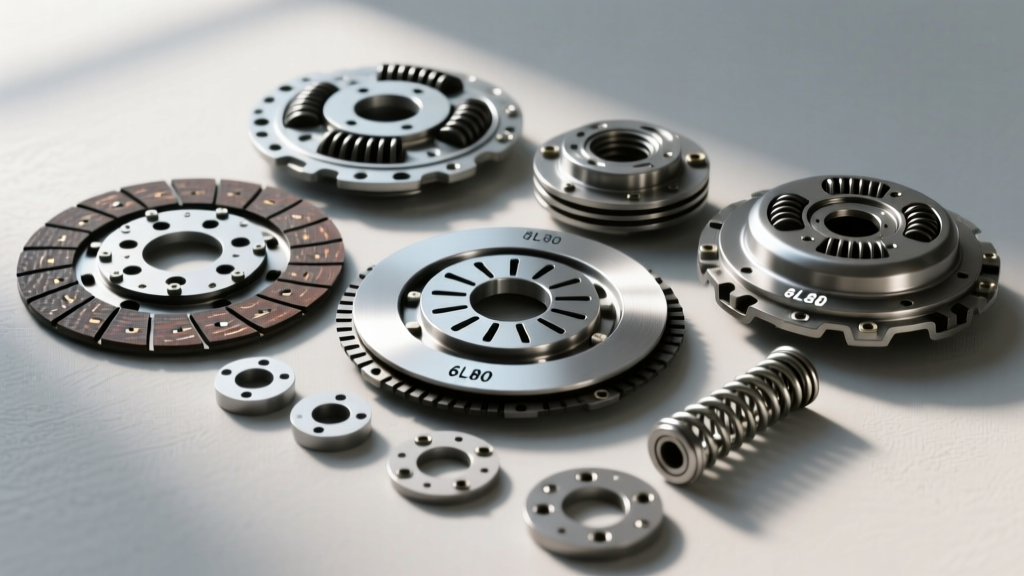
Furthermore, the "marcel" (wave) springs sandwiched between the friction facings dictate engagement smoothness. In teardown analyses, budget MSC kits frequently exhibit poorly indexed marcel springs, leading to uneven clamping pressure. This manifests as low-speed clutch chatter and accelerates wear on the transmission's input shaft pilot bearing.
Diaphragm Fatigue and Pressure Plate Metallurgy
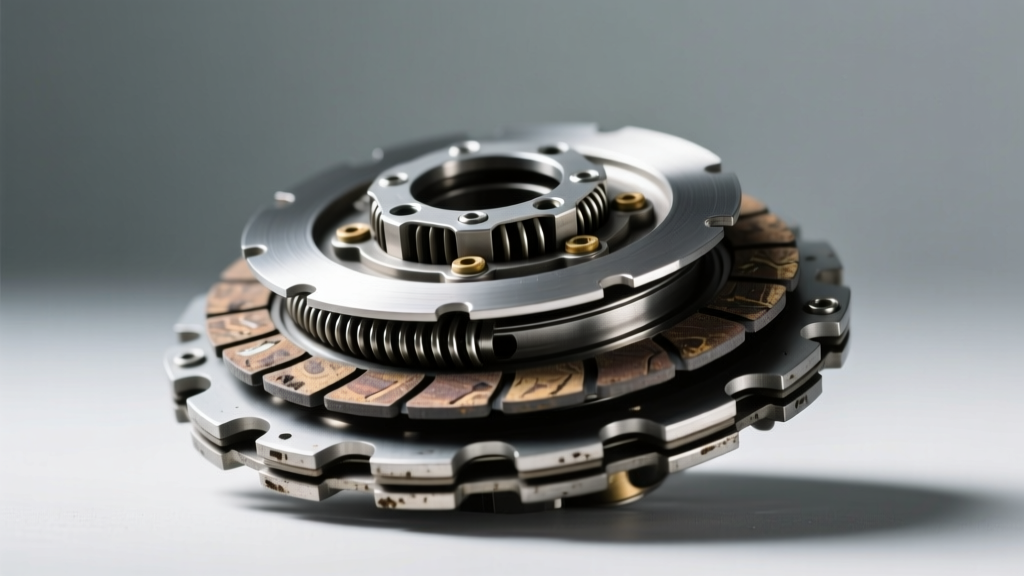
The pressure plate's diaphragm spring is responsible for generating clamp load. Preventive maintenance heavily relies on the consistency of this clamp load over tens of thousands of heat cycles. Generic MSC pressure plates often utilize stamped, lower-grade spring steel for the diaphragm fingers. Over time, these fingers suffer from metallurgical fatigue, resulting in a softening pedal feel and incomplete disengagement.
Incomplete disengagement is a silent killer for manual transmissions. If the clutch drag exceeds 0.030 inches of clearance, it forces the synchronizers in your T56 or TR-6060 to work overtime during shifts, leading to premature synchro ring wear and gear crunching. Premium kits utilize forged ductile iron covers and heat-treated, precision-bent diaphragm fingers to maintain exact clamp loads throughout their service life.
Brand Comparison & Maintenance Matrix
| Brand / Model Tier | Friction Material | Clamp Load (Approx.) | Est. Price (2026) | Flywear Resurface Protocol | Preventive Maint. Interval |
|---|---|---|---|---|---|
| MSC (Generic Import) | Basic Woven Organic | 2,400 - 2,600 lbs | $160 - $220 | Aggressive cut (0.015"+) or replace | Inspect every 15k miles |
| Exedy (Stage 1 OEM+) | Advanced Organic | 2,850 - 3,000 lbs | $380 - $450 | Standard cleanup (0.005" max) | Inspect every 40k miles |
| ACT (HD / Perf Street) | Heavy Duty Sprung Hub | 3,800 - 4,200 lbs | $480 - $550 | Mandatory flat-plate resurface | Inspect every 30k miles |
Preventive Maintenance Protocols by Application
Choosing your clutch brand dictates the strictness of your assembly and maintenance protocols. Below are the critical specifications required when installing and maintaining these systems in GM LS-series applications.
Flywheel Step Height and Runout Verification
One of the most common failure points when installing an MSC clutch kit is ignoring the flywheel "step." GM LS engines (Gen III and Gen IV) typically require a negative flywheel step of -0.020" to -0.030" depending on the exact block casting and bellhousing depth. Budget kits are often manufactured with loose tolerances, assuming a 0.000" step. If installed on a properly stepped flywheel, the MSC kit will suffer from incomplete clamping and severe slipping. Always measure the step height with a dial indicator and depth micrometer before assembly.
- Max Allowable Runout: 0.005" (0.127mm) measured at the friction surface.
- Surface Finish (Ra): 15-35 microinches for organic discs (MSC/Exedy). 30-50 microinches if upgrading to cerametallic.
Fastener Torque Specifications and Lubrication
Proper torque sequencing prevents pressure plate distortion, which is a primary cause of premature release bearing failure. According to Automotive Racing Products (ARP), if you are using upgraded aftermarket flywheel bolts (such as ARP 200-2802 for LS applications), the standard torque spec is 80 ft-lbs with ARP Ultra-Torque lubricant. However, if reusing OEM GM torque-to-yield flywheel bolts, the spec is typically 15 ft-lbs plus an additional 50 degrees of rotation.
For the pressure plate to flywheel M8x1.25 bolts, the spec is 26 ft-lbs (35 Nm) applied in a strict star pattern. Finally, the input shaft splines on the Tremec T56 Magnum must be lightly coated with a moly-based grease (like ARP 100-0001). Never use standard wheel bearing grease or anti-seize, as these will migrate onto the friction material during high-RPM shifts, destroying the clutch disc.
Real-World Failure Modes: MSC vs. Premium Alternatives
"The hidden cost of a budget clutch kit is rarely the kit itself; it is the collateral damage inflicted on the hydraulic master cylinder, the throw-out bearing, and the transmission synchronizers due to inconsistent diaphragm geometry."
Hydraulic Throw-Out Bearing (TOB) Preload
In LS-swap applications utilizing a hydraulic TOB (such as the GM 7/8" bore master cylinder setup), the distance from the bellhousing mounting face to the clutch diaphragm fingers is critical. Because MSC pressure plates often feature stamped, inconsistently bent fingers, the finger height can vary by up to 0.060" from kit to kit. If the fingers sit too high, the TOB is preloaded at rest. This prevents the master cylinder from fully returning, causing internal fluid bypass, rapid clutch wear, and eventual hydraulic failure. Premium kits like Exedy maintain finger height tolerances within 0.010", allowing for predictable TOB spacing and extended hydraulic system life.
Hub Spline Fretting and Micro-Welding
Budget friction discs often feature poorly broached hub splines. When mated to the 26-spline input shaft of a T56 Magnum, these loose tolerances cause micro-movements during torque transitions. Over 20,000 miles, this fretting corrosion can lead to micro-welding, where the disc literally fuses to the input shaft. When this occurs, the transmission must be removed and the input shaft aggressively polished or replaced—a $500+ machine shop bill that entirely negates the initial savings of the MSC kit.
Final Verdict for Daily vs. Track Builds
If you are performing a preventive maintenance refresh on a high-mileage daily driver or a dedicated track car, the data clearly supports stepping up from generic import options. While the MSC clutch kit may suffice for a low-horsepower, budget-conscious build where frequent teardowns are acceptable, it demands hyper-vigilant maintenance and frequent hydraulic bleeding. For a true "install and forget" preventive maintenance strategy, the Exedy Stage 1 or ACT HD kits provide the metallurgical consistency, precise step-height compatibility, and thermal endurance required to protect your entire driveline investment. Always consult the latest TREMEC Driveline Solutions documentation for your specific transmission model before finalizing your bellhousing and TOB spacing measurements.