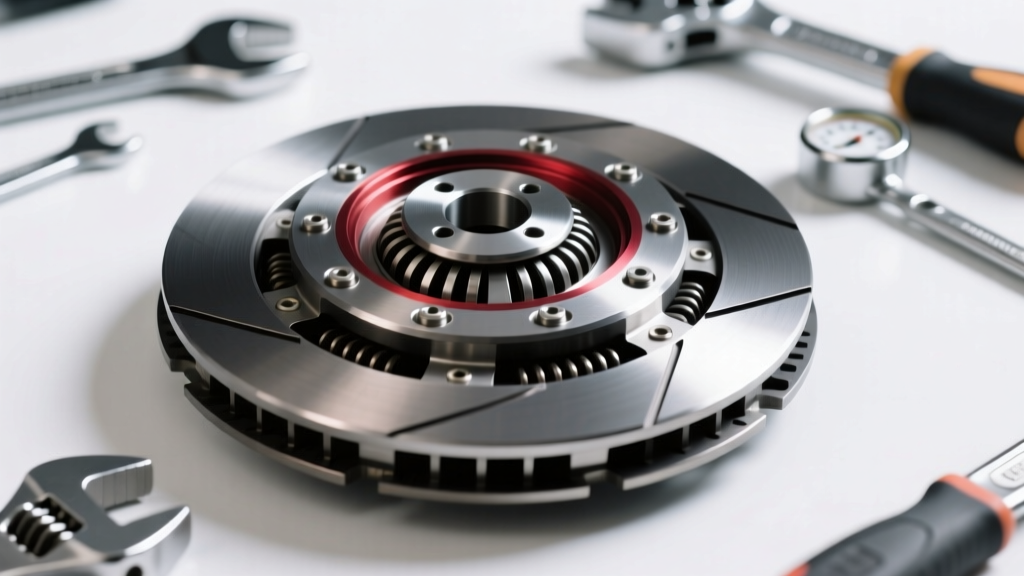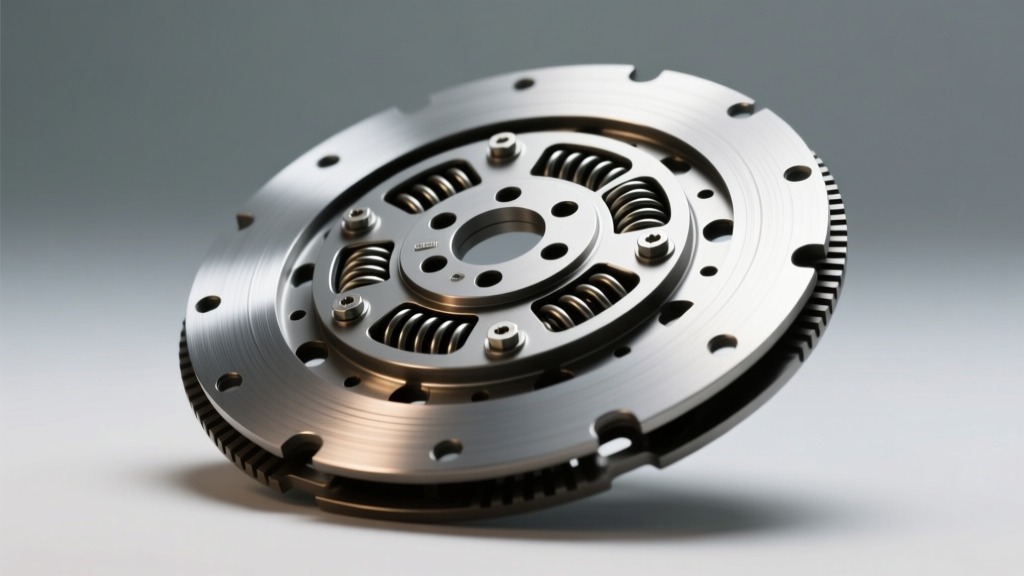
Master Rebuilder Warning: Never skip the pre-teardown line pressure and air tests on a 6L80. Replacing the 3-5-R friction components without verifying the integrity of the apply piston seals and the TEHCM (Transmission Electro-Hydraulic Control Module) solenoid feed orifices will result in an immediate comeback and burned frictions within 500 miles.
The Infamous GM 6L80 3-5-R Multi-Disc Architecture
The GM 6L80 and 6L90 transmissions, found in millions of Silverado, Sierra, Camaro, and Corvette applications from 2006 through the 2020s, rely heavily on a sophisticated multi-disc clutch system to manage torque transfer. Among these, the 3-5-R clutch pack is arguably the most critical and problematic assembly in the entire gearbox. This specific pack is responsible for engaging Reverse, 3rd, and 5th gears. When it fails, the vehicle typically exhibits a complete loss of reverse, accompanied by severe slipping or neutral-outs in 3rd and 5th gears, often triggering DTC P0733 (Gear 3 Incorrect Ratio) or P0735 (Gear 5 Incorrect Ratio).
As of 2026, the aftermarket support for the 6L80 platform is incredibly robust, but the sheer volume of high-mileage units entering repair bays means technicians must adhere to strict OEM and heavy-duty upgrade specifications. Understanding the precise stacking order, clearance tolerances, and material science behind this clutch pack is the difference between a lifetime repair and a catastrophic warranty claim.
Pre-Teardown Diagnostics: Air Testing the Drum
Before unbolting the transmission case or removing the valve body, you must isolate the failure to the 3-5-R hydraulic circuit. With the transmission on the bench and the valve body removed, locate the 3-5-R apply feed hole in the case separator plate area. Using a regulated air source set to exactly 45 PSI, apply air directly to the feed orifice.
Interpreting the Air Test Results
- Crisp, Immediate Apply: If you hear a solid, immediate 'thud' and the drum locks up, the piston seals and return springs are likely intact. The failure may be electrical (TEHCM) or related to severe friction material delamination.
- Sluggish or Hissing Apply: A delayed apply or audible hissing indicates compromised inner or outer O-rings on the 3-5-R apply piston, or a cracked piston housing. This requires a complete drum teardown and seal kit replacement.
- No Apply: The piston is stuck in the bore, or the return spring assembly has collapsed, binding the drum.
Teardown and the Wave Plate Epidemic
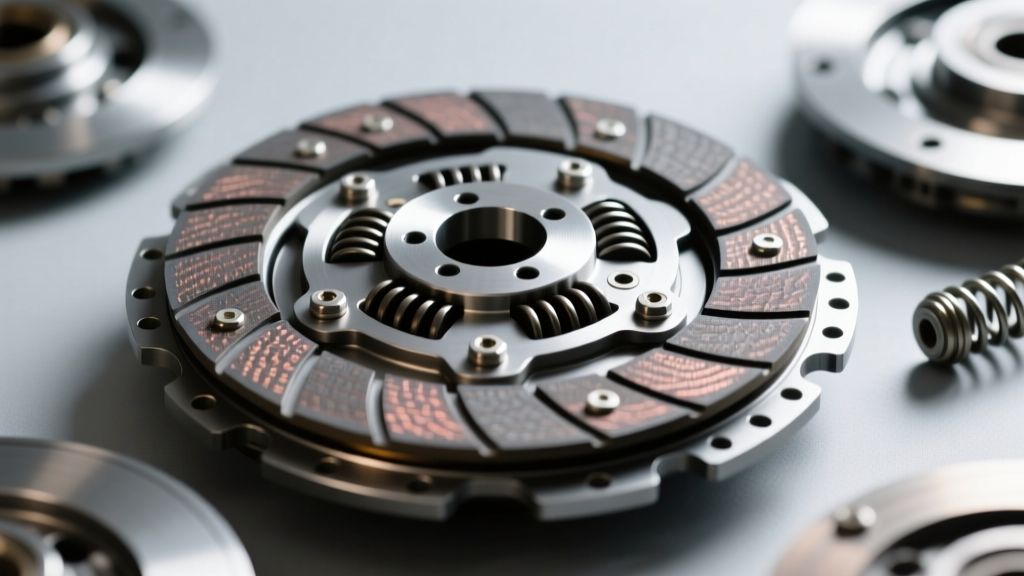
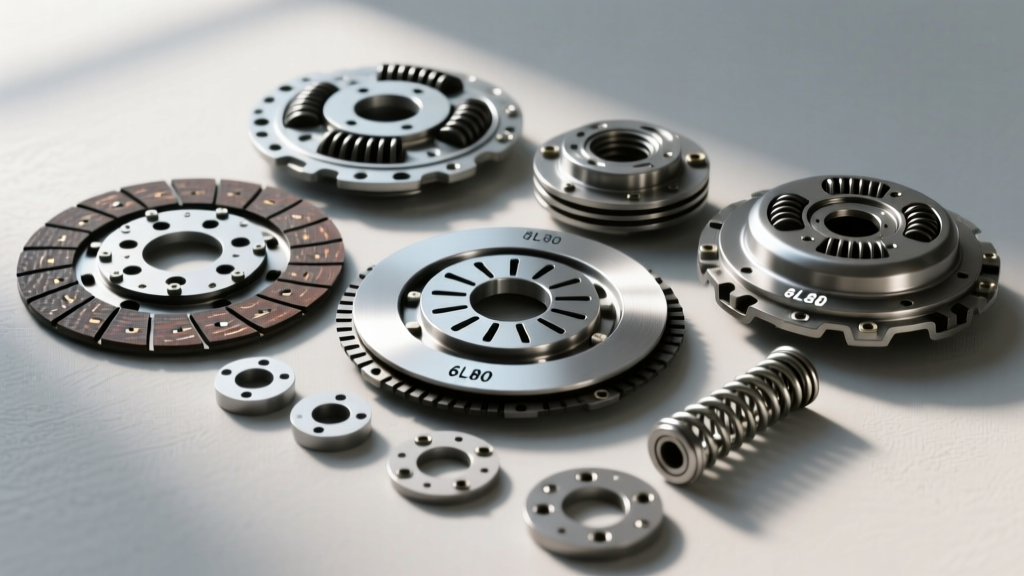
Once the drum is removed from the case, secure it in a soft-jaw vise. Remove the thick selective snap ring retaining the backing plate. The stacking order for a standard 6L80 3-5-R pack typically consists of a backing plate, followed by alternating friction and steel plates (usually 5 or 6 frictions depending on the specific torque rating and model year), a wave plate, and the apply piston assembly.
The most notorious failure point in early 6L80 units (2006-2012) is the 3-5-R wave plate. Originally designed to soften the apply engagement for smoother shifts, the early thin-stamped steel wave plate was prone to metal fatigue. Under heavy towing or repeated high-temperature cycling, the wave plate would fracture. Once shattered, it sends microscopic steel shrapnel directly into the adjacent 4-5-6 clutch pack, destroying both packs simultaneously. When rebuilding any 6L80 3-5-R pack today, it is mandatory to use the updated, thicker flat apply plate or the late-model revised wave plate design provided by GM and aftermarket suppliers like Sonnax.
Comparative Architecture: GM 6L80 vs. ZF 8HP
To truly understand multi-disc clutch systems, it is valuable to compare the GM 6L80 architecture with the ZF 8HP transmission (found in Ram trucks, BMW, and Audi applications). While the 6L80 3-5-R pack utilizes a traditional paper/cellulose-based High Energy friction material mated to smooth or lightly grooved steels, the ZF 8HP utilizes a radically different approach for its corresponding Clutch C (which handles 3rd, 5th, and 7th gears).
The ZF 8HP Clutch C often employs specialized sintered bronze friction materials in high-torque applications, paired with deeply grooved steel reaction plates designed to channel fluid away rapidly for lightning-fast lockup times. Furthermore, while the 6L80 relies on a thick backing plate and a single select-fit snap ring to manage pack clearance, the ZF 8HP requires measuring individual friction interface clearances (typically 0.5mm to 0.7mm per disc) using a dial indicator under 20 Newtons of spring pressure. Recognizing these fundamental differences prevents cross-contamination of rebuild techniques and ensures you are using the correct measurement tools for the specific transmission on your bench.
Precision Reassembly & Clearance Data
Proper clearance is the lifeblood of any multi-disc clutch pack. Too tight, and the pack drags, generating immense heat and burning the frictions. Too loose, and the piston strokes too far, causing delayed engagements, seal blowout, and accelerated wear. The target total clearance for the GM 6L80 3-5-R clutch pack is between 0.060 inches and 0.085 inches.
To achieve this, you must measure the distance from the backing plate to the snap ring groove using a straight edge and feeler gauges, then select the appropriate snap ring. According to Sonnax Industries and GM service documentation, the following select-fit snap rings are available to dial in your clearance:
| Snap Ring ID | Thickness (inches) | Thickness (mm) | Application Note |
|---|---|---|---|
| Ring A | 0.070 | 1.78 | Use with thick OEM frictions |
| Ring B | 0.078 | 1.98 | Standard rebuild baseline |
| Ring C | 0.086 | 2.18 | Common for Raybestos GPZ kits |
| Ring D | 0.094 | 2.39 | Maximum clearance compensation |
| Ring E | 0.102 | 2.59 | Rare, used for worn drum grooves |
Heavy-Duty Friction Upgrades: Raybestos GPZ
For daily drivers, standard OEM replacement frictions are adequate. However, for trucks used in towing, off-roading, or modified vehicles pushing beyond the stock 430 lb-ft torque limit, upgrading the friction material is highly recommended. Raybestos Powertrain offers the GPZ friction line, which utilizes a proprietary blend of synthetic aramid fibers and high-carbon compounds. The GPZ material increases torque capacity by up to 35% and dramatically improves heat dissipation compared to standard cellulose papers.
When using GPZ or similar high-performance frictions, the soaking procedure is non-negotiable. Submerge the friction discs in fresh, approved Dexron VI or Dexron ULV automatic transmission fluid for a minimum of two hours before assembly. Installing dry frictions will result in immediate glazing upon the first clutch apply event.
Final Valve Body & Pump Torque Specifications
Once the 3-5-R clutch pack is assembled, clearance-verified, and the drum is seated back into the case, the final reassembly steps dictate the longevity of the hydraulic system. The Automatic Transmission Rebuilders Association (ATRA) consistently emphasizes that improper valve body torque leads to cross-leakage between the 3-5-R and 4-5-6 circuits. Ensure all mating surfaces are surgically clean before installing the separator plate and valve body.
- Valve Body to Case Bolts (M6): 89 in-lbs (10 Nm). Do not exceed, as you will strip the aluminum case threads or warp the valve body casting.
- TEHCM to Case Bolts: 80 in-lbs (9 Nm).
- Oil Pump to Case Bolts (M8): 106 in-lbs (12 Nm). Always use a new pump O-ring and lightly lubricate it with assembly gel.
- Extension Housing Bolts: 37 ft-lbs (50 Nm).
Finally, upon installation in the vehicle, the 6L80 requires an exact fluid fill procedure. The total system capacity is approximately 10.5 to 11 quarts of Dexron VI. Because the 6L80 lacks a traditional dipstick, the fluid level must be verified at the transmission fluid level plug on the side of the pan with the fluid temperature precisely between 86°F and 122°F (30°C - 50°C) as monitored via a bi-directional OBD2 scan tool. Following these exacting standards ensures the 3-5-R clutch pack will deliver seamless shifts for hundreds of thousands of miles.