The Evolution of the Motorcycle Clutch Plate
The traditional cable-actuated manual clutch is no longer the sole standard in modern motorcycling. As of 2026, advanced platforms like the Honda CRF1100L Africa Twin DCT, the Gold Wing DCT, and aftermarket conversions utilizing a Rekluse auto-clutch system rely heavily on a precisely engineered automatic clutch pack. Unlike a standard manual setup where the rider modulates the friction zone, an automatic clutch pack is managed by hydraulic solenoids, centrifugal weights, or electronic actuators. This means the clutch plates for motorcycles in these systems endure different thermal and mechanical stress profiles, making specialized preventive maintenance absolutely critical.
Whether you are servicing a factory Dual Clutch Transmission (DCT) or tuning an aftermarket auto-clutch, understanding the friction materials, steel plate tolerances, and hydraulic fluid requirements is essential for longevity and performance.
Anatomy of a Motorcycle Automatic Clutch Pack
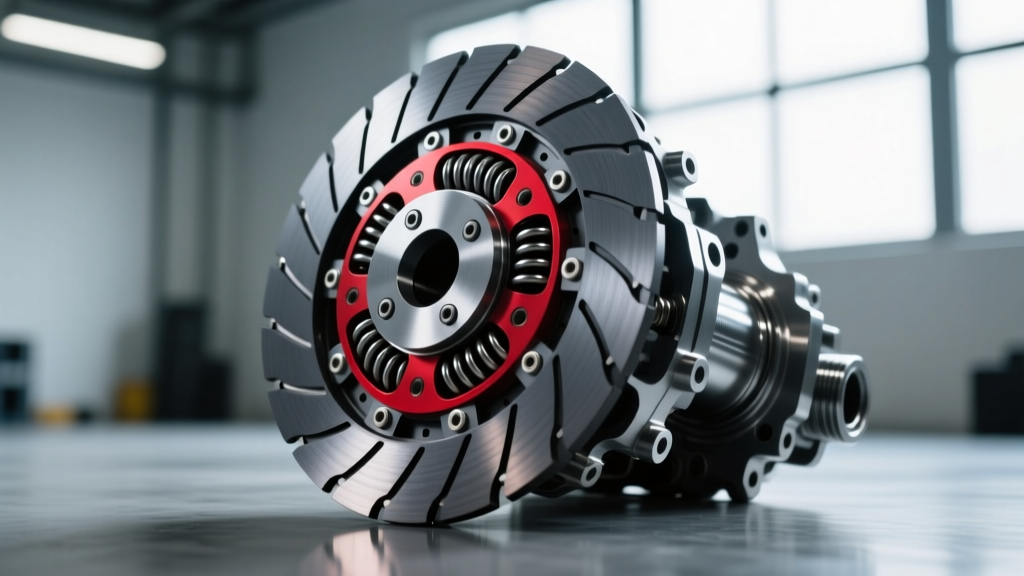
To maintain these systems, you must first understand their architecture. Factory DCT motorcycles utilize two separate wet multi-plate clutch packs housed within a shared oil bath. One clutch pack controls the odd gears (1, 3, 5), while the second manages the even gears (2, 4, 6). Because the transmission pre-selects the next gear, one automatic clutch pack is always engaged while the other is on standby, spinning freely.
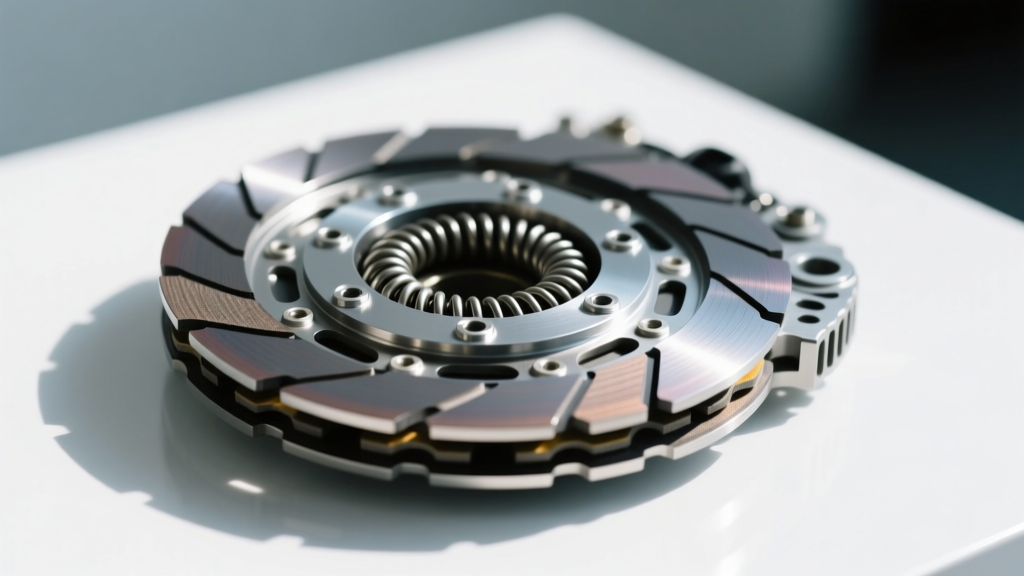
In contrast, aftermarket systems like the Rekluse Core EXP replace the standard manual motorcycle clutch plates with an auto-clutch pack that integrates a centrifugal wedging ramp and bearing system. This mechanical actuator forces the friction and steel plates together as engine RPM increases, effectively automating the clutch engagement without the need for complex hydraulic solenoids.
Preventive Maintenance: Fluid is Life
The most common cause of premature automatic clutch pack failure is incorrect fluid selection or neglected change intervals. The friction modifiers required for a DCT system are vastly different from those in a standard manual transmission.
- Honda DCT Systems: Never use standard JASO MA2 motorcycle oil in a Honda DCT. The high-friction modifiers in MA2 oil will cause the DCT's automatic clutch pack to shudder, grab aggressively, and wear out prematurely. You must use Honda Multi-Matic Fluid (HMMF) or the specific OEM DCT fluid. For the CRF1100L, the DCT hydraulic circuit requires a strict fluid and filter change every 24,000 miles or 2 years.
- Rekluse Auto-Clutch Systems: These systems are designed to operate in standard engine oil. A high-quality 10W-40 or 15W-50 JASO MA2 synthetic motorcycle oil is required to provide the correct friction coefficient for the clutch plates for motorcycles equipped with the Core EXP.
Measuring and Inspecting Clutch Plates
When a DCT begins to slip under heavy throttle or exhibits a flashing 'D' warning light on the dash, it is time to inspect the physical plates. The same applies to a Rekluse system that fails to fully disengage at idle or creeps forward aggressively.
Honda DCT Friction and Steel Plate Specifications
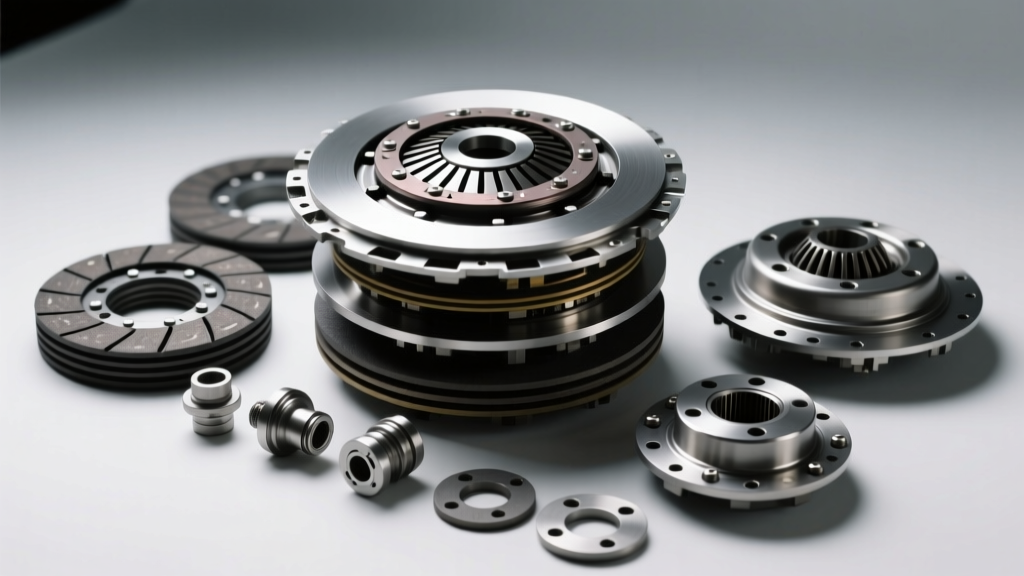
Using a micrometer, measure the thickness of the friction plates. For most modern Honda DCT applications (using OEM part numbers like 22201-MKJ-D00 for friction and 22315-MKJ-D00 for steel separators), the specifications are stringent:
- Standard Friction Thickness: 3.00 mm
- Service Limit (Replace): 2.60 mm
- Steel Plate Warpage Limit: 0.10 mm (measure on a surface plate with a feeler gauge)
If the friction material is glazed or smells burnt, the hydraulic solenoids may be failing to apply full clamping pressure, or the fluid is contaminated with asbestos-heavy wear material.
Rekluse Free Play Gain (FPG) Clearance
The Rekluse automatic clutch pack relies on a precise installed clearance known as Free Play Gain. If the clutch pack is too tight, the motorcycle will stall when coming to a stop. If it is too loose, the clutch will slip excessively during hard acceleration, burning up the friction plates.
- Target FPG: 0.035 inches (0.89 mm)
- Acceptable Range: 0.030" to 0.045"
This is measured using a dial indicator or the proprietary Rekluse feeler tool while manually expanding the wedging ramp mechanism inside the clutch basket.
Comparative Specification Chart
| System Type | Application Example | Friction Plate Count | Fluid Specification | Pack Clearance / Limit |
|---|---|---|---|---|
| Honda DCT (Dual Clutch) | 2026 CRF1100L Africa Twin | 7 per pack (14 total) | Honda HMMF / DCT Fluid | 2.60mm min thickness |
| Rekluse Core EXP (Auto) | Yamaha MT-09 / Tracer 9 | 6 Friction / 5 Steel | 10W-40 JASO MA2 | 0.035" Free Play Gain |
| Standard Manual (Wet) | Kawasaki ZX-6R | 8 Friction / 7 Steel | 10W-40 JASO MA2 | Spring length min 48.5mm |
Step-by-Step Replacement and Torque Specs
Replacing the clutch plates for motorcycles with automatic systems requires strict adherence to torque specifications and staking procedures. A loose clutch center nut on a DCT will destroy the mainshaft splines in a matter of miles.
- Drain and Disassemble: Drain the engine oil and remove the right-side clutch cover. On Honda DCT models, you must also disconnect the hydraulic clutch line and cap it to prevent air ingress into the DCT solenoid block.
- Remove the Center Nut: Use a clutch holding tool to lock the inner hub. The mainshaft locknut torque specification is typically 74 Nm (55 lb-ft). Remove the old nut; it is a one-time-use staked nut.
- Swap the Pack: Alternate friction and steel plates. Ensure the final plate installed is a friction plate. Align the tangs carefully to avoid binding in the aluminum clutch basket.
- Install Springs and Pressure Plate: The clutch spring bolts are small and easily stripped. Torque these to exactly 12 Nm (8.8 lb-ft) in a crisscross pattern.
- Stake the Nut: Install the new mainshaft locknut, torque to 74 Nm, and use a blunt punch to stake the collar into the shaft groove.
Cost Analysis and Sourcing OEM vs. Aftermarket
Maintaining an automatic clutch pack is an investment. A complete OEM Honda DCT friction and steel plate kit for one shaft costs between $250 and $320. Since the DCT uses two independent packs, a full system overhaul will run $500 to $640 in parts alone, plus the cost of HMMF fluid and OEM gaskets.
For off-road and dual-sport riders converting to a Rekluse auto-clutch, the initial Core EXP kit retails for approximately $949. However, replacement friction plate sets for the Rekluse pack are generally less expensive than OEM DCT packs, hovering around $130 to $160, making long-term consumable maintenance slightly more affordable for the aftermarket route.
Final Diagnostics and Bedding
After reassembly and fluid filling, the system must be bled (for DCT) or the idle speed adjusted (for Rekluse). For Honda DCT models, you must use an OBD2 diagnostic tool with HDS (Honda Diagnostic System) capabilities to run the DCT Clutch Learn Procedure. This recalibrates the hydraulic solenoid touch-points to account for the new, thicker friction plates. Skipping this software step will result in harsh, jerky shifts and rapid degradation of your newly installed automatic clutch pack.
For more technical service bulletins and OEM part diagrams, always refer to Honda Powersports or consult the Rekluse Tech Support database for the latest clearance tolerances specific to your motorcycle's year and model.