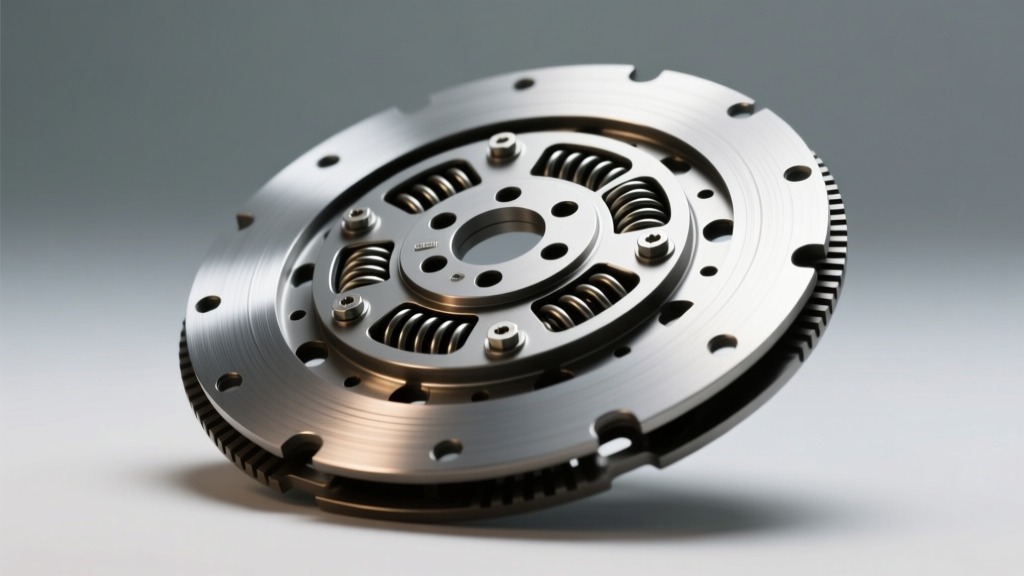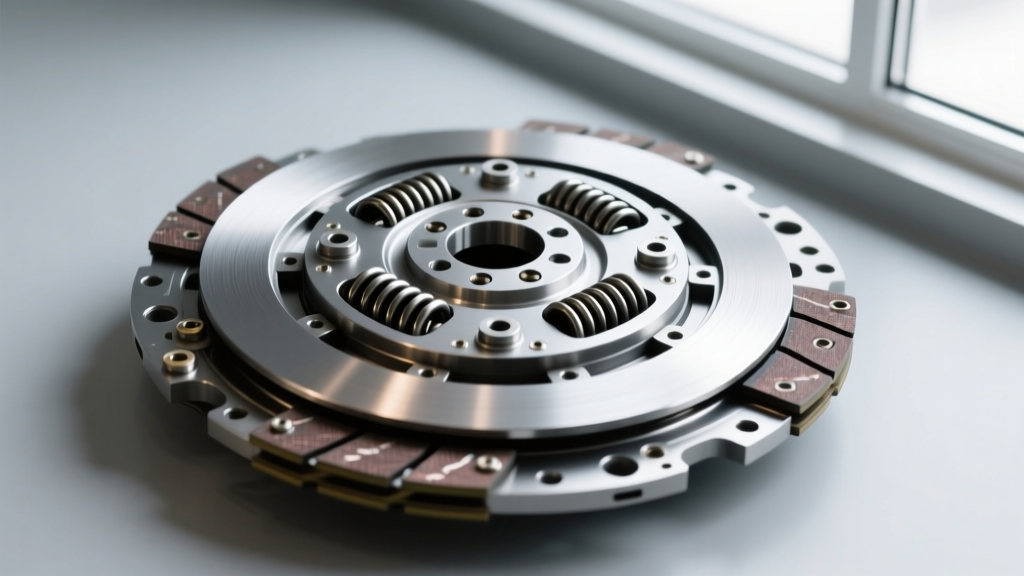
The 6L80 and 6L90 Multi-Disc Clutch Architecture in 2026
As we navigate the 2026 automotive repair landscape, the GM 6L80 and 6L90 rear-wheel-drive automatic transmissions are no longer in new production, yet they remain a massive cornerstone of the secondary drivetrain market. Found in millions of Silverado, Sierra, Camaro, and Corvette platforms, these six-speed units rely on a complex series of multi-disc clutch packs to route power. Unlike a manual gearbox, rebuilding an automatic requires a meticulous understanding of hydraulic apply rates, wave plate orientations, and precise stack heights.
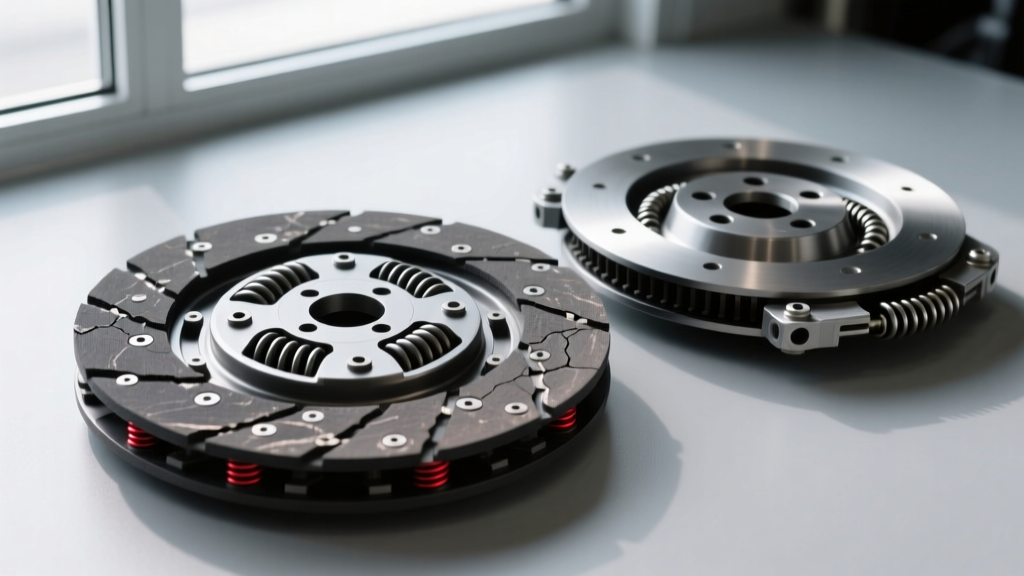
When a 6L80 begins exhibiting shift flares, delayed engagements, or complete loss of specific gear ranges, the root cause is almost always friction material degradation or piston seal failure. Sourcing the correct automatic clutch kit and adhering to strict OEM clearance specifications is the difference between a transmission that lasts another 150,000 miles and one that fails before the vehicle leaves the shop.
Diagnosing Multi-Disc Clutch Pack Failures
Before tearing down the transmission, accurate diagnosis prevents unnecessary parts replacement. The 6L80 utilizes five primary multi-disc clutch packs: 1-2-3-4, 3-5-R, 4-5-6, Low/Reverse, and the Overrun clutch. The most common high-mileage casualties are the 3-5-R and 4-5-6 packs.
- 3-5-R Clutch Pack Failure: Typically presents as a loss of 3rd gear, 5th gear, and Reverse. You will often see DTC P0734 (Gear 4 Incorrect Ratio) or P0735 (Gear 5 Incorrect Ratio) stored in the TCM. The fluid will smell severely burnt due to the high thermal load these clutches endure during towing.
- 4-5-6 Clutch Pack Failure: Results in slipping during the 4-5 and 5-6 upshifts. This pack is highly sensitive to low line pressure caused by worn pump slide seals or degraded valve body separator plates.
- 1-2-3-4 Clutch Pack Failure: Manifests as a harsh 2-3 shift or a complete loss of 4th gear, often accompanied by DTC P0734.
Selecting the Right Automatic Clutch Kit
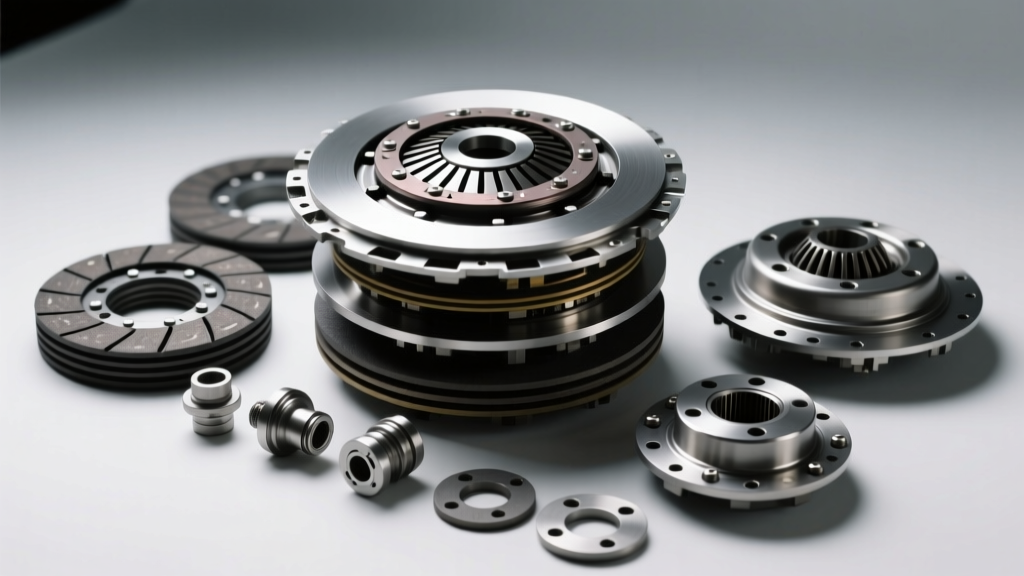
When sourcing an automatic clutch kit for the 6L80, technicians must choose between standard OEM replacement frictions and heavy-duty aftermarket alternatives. The choice depends heavily on the vehicle application. A daily-driven commuter sedan requires the smooth apply characteristics of OEM-style cellulose-based frictions, while a lifted 4x4 used for heavy towing demands high-energy Kevlar or carbon-infused materials.
| Kit Type | Manufacturer / Brand | Friction Material | Estimated Cost (USD) | Best Application |
|---|---|---|---|---|
| OEM Master Kit | GM Genuine / ACDelco | Standard Cellulose | $310 - $360 | Daily Drivers, Stock Sedans |
| Standard Master Kit | Precision International | OE-Style Composite | $240 - $280 | Budget Rebuilds, Fleet Vehicles |
| Heavy-Duty Master Kit | High Energy / Raybestos | Kevlar / Carbon Blend | $420 - $490 | Towing, Off-Road, Tuned Trucks |
For the 3-5-R and 4-5-6 packs specifically, GM part number 24239194 (3-5-R Friction) and 24239196 (4-5-6 Friction) are the baseline OEM references. Always pair new frictions with new OE-style steel plates (e.g., 24238904 for the 4-5-6 pack) unless the existing steels show zero bluing and measure within 0.001 in. of factory thickness.
Step-by-Step 3-5-R and 4-5-6 Clutch Pack Rebuild
Disassembly and Component Inspection
Upon removing the transmission and extracting the pump, carefully lift the clutch housings from the case. Use a clutch spring compressor to remove the snap rings holding the multi-disc packs together. Inspect the aluminum piston bores for scoring. In the 6L80, the 3-5-R piston return springs are notorious for fatiguing; replace them with an updated Sonnax spring kit to prevent piston cocking and uneven clutch apply.
Soaking and Staging the Frictions
Never install dry friction plates. Submerge all new cellulose and composite friction discs in fresh Dexron VI fluid for a minimum of 45 minutes prior to assembly. This allows the porous friction material to become fully saturated, preventing immediate glazing and burnout upon the first hydraulic apply.
Assembly and Critical Clearance Measurements
Stacking the multi-disc clutch packs requires strict attention to the orientation of the waved plates. The 3-5-R pack utilizes a waved steel plate at the bottom of the stack to cushion initial engagement. Installing this plate upside down or omitting it will result in a violent, banging 3rd gear shift.
Pro-Tip on Selective Snap Rings: Achieving the correct clutch pack clearance is entirely dependent on the final selective snap ring. GM offers seven different thicknesses for the 6L80 clutch packs, ranging from 1.40 mm to 2.60 mm in 0.20 mm increments. Always measure your clearance with a dial indicator and select the snap ring that places you in the middle of the specification window.
Target Clearance Specifications:
- 3-5-R Clutch Pack: 0.040 in. to 0.080 in. (1.02 mm to 2.03 mm)
- 4-5-6 Clutch Pack: 0.030 in. to 0.060 in. (0.76 mm to 1.52 mm)
- 1-2-3-4 Clutch Pack: 0.020 in. to 0.050 in. (0.51 mm to 1.27 mm)
Addressing the Valve Body and Clutch Feed Orifices
Replacing the multi-disc clutches is only half the battle. According to technical bulletins from Sonnax Industries, the 6L80 is highly susceptible to valve body wear, specifically in the torque converter clutch (TCC) regulator valve and the clutch feed orifices in the separator plate. If the separator plate orifices are washed out from years of abrasive fluid circulation, hydraulic pressure will bleed off before it can fully clamp the new clutch packs, leading to immediate failure.
It is strongly recommended to install a valve body recalibration kit (such as the Sonnax Zip Kit) and replace the separator plate with a new, laser-cut OEM unit during every multi-disc clutch overhaul. Furthermore, inspect the case bushings; the 6L80 stator support bushings frequently wear out, causing internal cross-leaks that starve the 4-5-6 clutch pack of fluid.
Essential Torque Specifications and Reinstallation
Proper torque sequencing is vital to prevent case distortion and internal fluid leaks. Use a calibrated inch-pound and foot-pound torque wrench for the following critical fasteners:
| Component | Fastener Type | Torque Specification |
|---|---|---|
| Oil Pump to Case | M8 Bolts (x5) | 18 lb-ft (25 Nm) |
| Valve Body to Case | M6 Bolts (x11) | 8 lb-ft (11 Nm) |
| Transmission Case to Bellhousing | M10 / M12 Bolts | 37 lb-ft (50 Nm) |
| Torque Converter to Flexplate | M10 Bolts (x3) | 44 lb-ft (60 Nm) |
| Extension Housing to Case | M10 Bolts (x6) | 27 lb-ft (37 Nm) |
Post-Rebuild Adaptation and Fluid Fill Procedure
The 6L80 requires exactly 11.2 quarts (10.6 liters) of Dexron VI fluid for a completely dry fill. Do not use older Dexron III or incompatible multi-vehicle fluids, as the specific friction modifiers in Dexron VI are calibrated to the 6L80 clutch apply algorithms.
Once the transmission is installed and filled, you must perform a Fast Learn procedure. As outlined by the Automatic Transmission Rebuilders Association (ATRA), the Transmission Control Module (TCM) relies on adaptive pressure tables to account for the thickness of new friction materials. Using a bi-directional scan tool like the GM GDS2 or a high-end aftermarket equivalent, command the Fast Learn adaptation. This procedure cycles the multi-disc clutch packs at varying line pressures, allowing the TCM to map the exact volume of fluid required to achieve a 0.15-second shift time. Skipping this step will result in harsh engagements and premature wear on your newly installed automatic clutch kit.
For further reference on OEM part numbers and master rebuild kit configurations, technicians can consult the cataloging resources at Precision International. By combining high-quality friction components with meticulous clearance measurements and modern valve body updates, the 6L80 multi-disc clutch system can be restored to better-than-factory reliability.