The Anatomy of Wet Multi-Plate Clutch Wear
Motorcycle drivetrains rely heavily on wet multi-plate clutch systems to transfer engine torque to the transmission input shaft. Unlike dry single-plate automotive clutches, motorcycle clutches operate in an oil bath, utilizing a stacked arrangement of friction plates and steel separator plates. As of 2026, the widespread adoption of assist-and-slipper (A&S) clutches across middleweight and liter-class motorcycles has reduced lever effort by up to 40%, but the fundamental physics of friction material degradation remain unchanged. Understanding clutch wear signs and lifespan indicators requires looking past simple lever feel and examining the mechanical tolerances of the clutch basket, springs, and plate stack.
The "Using Clutch When Braking" Reddit Motorcycle Debate
When investigating the search trend using clutch when braking reddit motorcycle, you will uncover a polarized debate regarding rider habits and their impact on drivetrain longevity. The core question is whether pulling the clutch lever in while braking causes premature wear compared to relying on engine braking.
From a technical standpoint, pulling the clutch lever in at a stoplight or during heavy braking does not directly wear the friction material, because the plates are fully separated. However, it introduces two secondary wear factors:
- Clutch Spring Sag: Holding the lever in compresses the clutch springs. A typical sportbike uses 5 to 6 springs, each exerting 40-60 lbs of pressure. Keeping them compressed for extended periods at stoplights accelerates spring fatigue and sag, leading to inadequate clamping force and subsequent friction plate slippage.
- Release Bearing and Pushrod Wear: Continuous engagement of the clutch actuation mechanism (especially on hydraulic systems with narrow throw-out bearings) increases wear on the release bearing and pushrod interfaces.
- Loss of Engine Braking: While not a clutch wear issue, pulling the clutch while braking transfers 100% of the deceleration load to the brake rotors and pads, increasing brake fade and component wear.
Expert Consensus: The optimal technique is to leave the clutch engaged while braking to utilize engine braking, only pulling the lever in when the RPMs drop near idle (typically around 2,000–2,500 RPM) to prevent stalling. "Riding" the clutch during slow-speed braking maneuvers, however, causes severe friction plate glazing.
Definitive Signs of Motorcycle Clutch Degradation
Diagnosing a failing motorcycle clutch requires isolating hydraulic/cable issues from actual internal mechanical wear. Here are the primary indicators that the internal plate stack has reached the end of its service life.
1. Friction Plate Glazing and Slippage Under Load
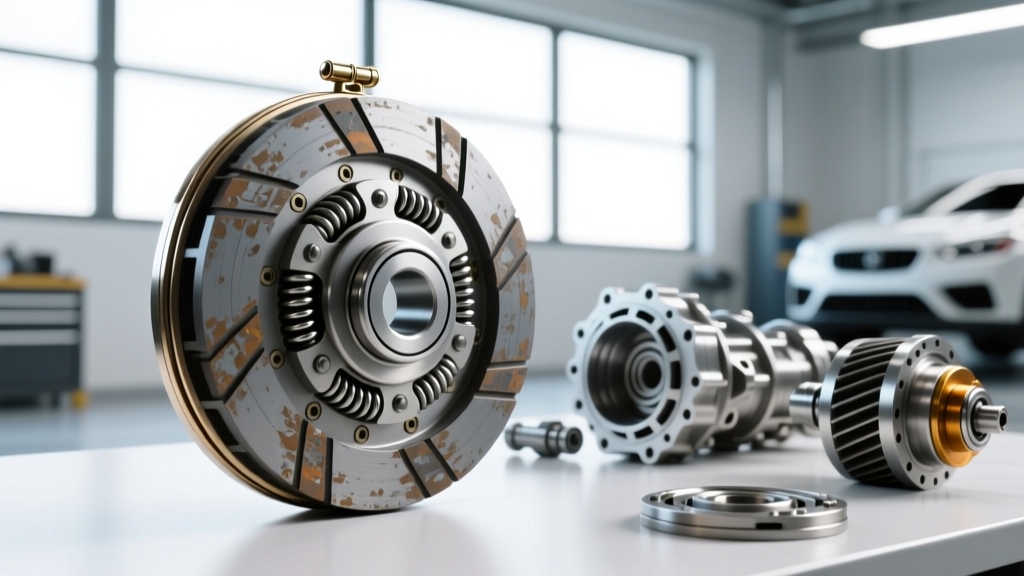
The most common symptom of wear is slippage in high-gear, high-torque scenarios (e.g., rolling on the throttle in 5th or 6th gear at 4,000 RPM). If engine RPMs surge without a proportional increase in road speed, the friction plates are worn or glazed. Glazing occurs when the clutch is partially engaged ("ridden"), generating excess heat that crystallizes the resin binders in the cork, Kevlar, or carbon-Kevlar friction material. Once glazed, the coefficient of friction drops drastically, and the plates must be replaced.
2. Engagement Point Migration and Lever Throw
As friction plates wear down, the overall stack height decreases. On cable-actuated systems, this causes the engagement point to migrate toward the very end of the lever's release throw. While you can temporarily compensate by adjusting the barrel adjuster at the lever or the crankcase actuator arm, running out of adjustment travel is a definitive indicator that the friction material has reached its minimum thickness limit.
3. Notchy Engagement and Low-Speed Chatter
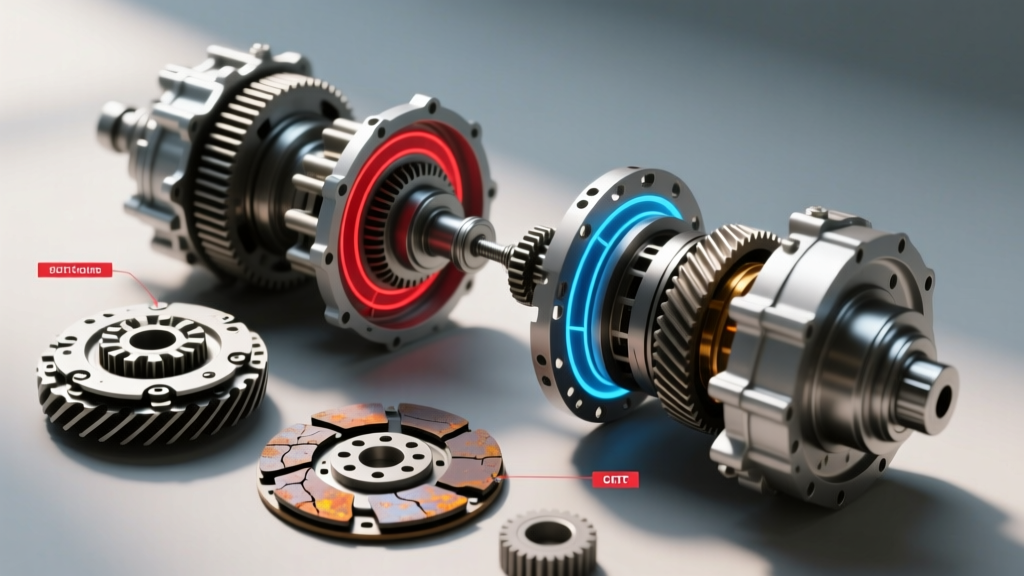
If the motorcycle exhibits a harsh, grabby engagement from a stop, or chatters during low-speed maneuvers, the steel separator plates are likely warped. Warpage creates uneven clamping pressure across the friction plates. This is often caused by aggressive drop-clutch launches or severe overheating from riding the clutch in stop-and-go traffic.
Diagnostic Protocol: Measuring Stack Height and Components
True clutch diagnostics require removing the clutch cover, extracting the clutch basket, and measuring the components with precision tools. Relying solely on mileage is insufficient, as riding style and oil choice (specifically using non-JASO MA2 rated oils containing friction modifiers) drastically alter lifespan.
According to Barnett Clutches technical guidelines, measuring the clutch pack stack height is the most reliable method for determining overall wear without needing to measure every individual plate. You compress the friction and steel plates together (excluding the judder spring and narrow friction plate if equipped) and measure the total stack with calipers.
| Component | Standard Measurement (Typical 600cc Sportbike) | Service Limit | Diagnostic Tool |
|---|---|---|---|
| Friction Plate Thickness | 3.0 mm | 2.6 mm | Micrometer (measure at 4 points) |
| Steel Plate Warpage | 0.0 mm (Flat) | 0.1 mm | Feeler gauge on surface plate |
| Clutch Spring Free Length | 45.5 mm | 43.0 mm | Vernier Calipers |
| Total Stack Height (Example) | 48.2 mm | 46.0 mm | Calipers (compressed) |
If the steel plates exhibit warpage beyond 0.1 mm, they will create hot spots and must be replaced alongside the friction plates. Reusing warped steel plates with new friction plates will ruin the new clutch pack in under 500 miles.
Lifespan Indicators: Mileage Expectancies by Category
Clutch lifespan is highly variable. A track-day sportbike may require a new clutch pack every 8,000 miles, while a shaft-driven cruiser might exceed 80,000 miles on the original plates. The EBC Brakes clutch engineering team notes that friction material composition plays a massive role in these intervals.
- Supersport / Track Bikes (e.g., Yamaha R6, Honda CBR600RR): 10,000 – 20,000 miles. High RPM engagement and aggressive downshifts wear plates rapidly. Kevlar or Carbon-Kevlar aftermarket packs (like EBC DRC+) are recommended for high-heat tolerance.
- Naked / Standard Bikes (e.g., Yamaha MT-07, Kawasaki Z650): 25,000 – 45,000 miles. Moderate torque and upright ergonomics reduce the temptation to slip the clutch excessively.
- Heavy Cruisers / Touring (e.g., Harley-Davidson Road Glide, Honda Gold Wing): 60,000 – 100,000+ miles. High rotational mass and low-RPM torque curves place less sheer stress on the friction material, though heavy bikes can wear out clutch cables and hydraulic slave cylinders long before the plates fail.
Rebuild Costs, Torque Specs, and 2026 Upgrades
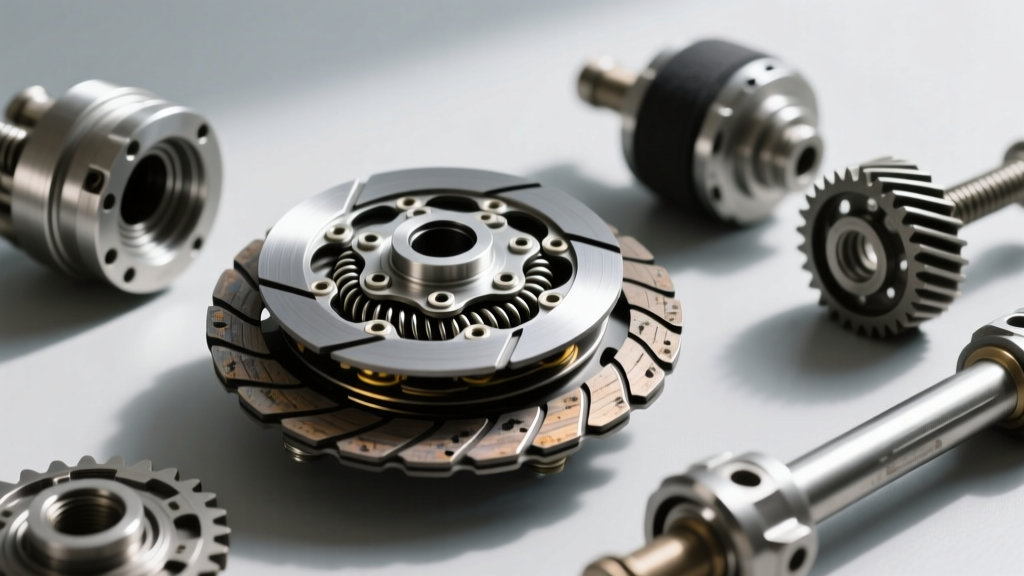
When a clutch pack fails, a complete rebuild involves replacing the friction plates, steel plates, and clutch springs. Attempting to save money by reusing old steel plates or springs is a false economy that leads to rapid repeat failure.
Cost Breakdown
- OEM Friction & Steel Plates: $150 – $280 (depending on plate count, typically 7-9 friction plates).
- Aftermarket Performance Kits (e.g., Barnett Carbon Kevlar): $180 – $320. These kits often include heavy-duty springs to increase clamping force by 10-15%.
- Clutch Cover Gasket: $12 – $25. Never reuse a swollen or torn paper/rubber gasket.
- Shop Labor: $180 – $300 (1.5 to 2.5 hours book time).
Critical Torque Specifications
Reassembly requires strict adherence to factory torque specifications. The clutch center locknut secures the inner hub to the transmission input shaft. If this nut backs out, it will destroy the transmission casing and input shaft splines.
- Yamaha MT-07 / YZF-R7 (CP2 Engine): Clutch center locknut torque is 75 Nm (55 lb-ft). You must stake the new lock washer into the nut groove using a brass drift.
- Kawasaki Ninja 400 / Z400: Clutch center locknut torque is 127 Nm (94 lb-ft). Requires a dedicated clutch holding tool to prevent the basket from spinning while applying torque.
- Clutch Spring Bolts: Typically 8 to 10 Nm (70-88 lb-in). Over-torquing these small 6mm bolts will strip the aluminum threads in the pressure plate, requiring a costly Timesert or Heli-Coil repair.
Fluid and Oil Considerations for Clutch Longevity
Finally, no discussion of motorcycle clutch wear is complete without addressing engine oil. Because the clutch shares oil with the engine and transmission, using automotive oils containing friction modifiers (like Molybdenum) will cause immediate and severe clutch slippage. Always verify that your oil meets the JASO MA or JASO MA2 standard, which guarantees the absence of friction modifiers. For 2026 models featuring advanced assist-and-slipper clutches, adhering to the manufacturer's exact viscosity recommendation (e.g., 10W-40 Full Synthetic) is critical, as the slipper ramp mechanisms rely on precise oil film strength to prevent clutch hop during aggressive engine braking. For further reading on drivetrain maintenance, consult resources like Cycle World's technical archives for model-specific adjustment procedures.