Introduction: The Post-Repair Clutch Nightmare
There are few things more frustrating for a motorcycle owner than picking up a bike from the dealership or independent shop after a full clutch replacement, only to experience slipping, dragging, or chatter within the first fifty miles. A fresh clutch should deliver crisp engagement, a predictable friction zone, and seamless power transfer. When it doesn't, you are suddenly facing a secondary diagnostic battle and the looming threat of paying for the same job twice. In 2026, with average shop labor rates climbing to $130–$180 per hour, a botched clutch rebuild is not just a mechanical annoyance; it is a significant financial liability.
In this comprehensive cost analysis, we will dissect the exact reasons why motorcycle clutches fail immediately after a repair, the hidden costs mechanics often overlook, and the precise diagnostic steps required to rectify post-replacement symptoms without bankrupting your maintenance budget.
Do All Motorcycles Have a Clutch? The Modern Drivetrain Reality
Before dissecting the financial fallout of a botched repair, we must address a common question from newer enthusiasts entering the sport: do all motorcycles have a clutch? The short answer is no. The modern motorcycle landscape has evolved significantly. Bikes equipped with Dual-Clutch Transmissions (DCT), such as the Honda Africa Twin or NC750X, utilize computerized electro-hydraulic actuation to manage clutch packs without a manual lever. Similarly, the booming adventure-scooter and maxi-scooter segments rely on Continuously Variable Transmissions (CVTs) with centrifugal clutches.
However, for the vast majority of the global fleet—from entry-level naked bikes to high-performance superbikes and heavy cruisers—the traditional wet, multi-plate manual clutch remains the industry standard. It is this specific architecture that is highly susceptible to assembly errors, improper fluid selection, and component mismatching during aftermarket replacements. When a manual wet clutch fails post-repair, the diagnostic and financial burden falls squarely on the owner or the warranting shop.
The Financial Impact: Cost Breakdown of a Botched Clutch Job
When a motorcycle returns to the shop with post-repair clutch symptoms, the cost to diagnose and fix the issue varies wildly based on the root cause. Below is a 2026 cost breakdown of common post-replacement failures, illustrating the "do-over tax" that owners and shops face.
| Post-Repair Symptom | Primary Root Cause | Parts Cost (OEM/Aftermarket) | Labor Cost (2026 Shop Rates) |
|---|---|---|---|
| Immediate Slipping Under Load | Wrong Engine Oil (Friction Modifiers) | $45 - $80 (JASO MA2 Oil & Filter) | $150 - $250 (Drain, Flush, Refill) |
| Clutch Dragging / False Neutrals | Notched Inner Hub / Outer Basket | $180 - $450 (Billet Basket / Hub) | $350 - $500 (Full Teardown) |
| Lever Chatter & Vibration | Warped Steel Plates / Weak Springs | $90 - $160 (Springs & Steels) | $350 - $500 (Full Teardown) |
| Spongy Lever / Incomplete Disengagement | Trapped Air / Failing Master Cylinder | $20 - $250 (Fluid to Radial Master) | $120 - $200 (Bench Bleed & Line Flush) |
Common Post-Replacement Failures & Diagnostic Costs
1. The JASO MA2 Oil Catastrophe
The single most common cause of a clutch slipping immediately after a DIY or budget-shop rebuild is the use of the wrong engine oil. Automotive oils often contain friction modifiers (like molybdenum) designed to improve fuel economy in cars. In a shared-sump motorcycle engine, these modifiers coat the friction plates, causing catastrophic slip under heavy throttle. According to the EBC Brakes Motorcycle Clutch Technical Guides, using non-compliant oil can glaze high-performance Kevlar or carbon fiber friction materials in under 100 miles.
The Fix & Cost: If caught early, dropping the oil, flushing the crankcase with a cheap flush fluid, and refilling with a certified JASO MA/MA2 10W-40 or 20W-50 oil (approx. $60 for fluids) may save the plates. If the plates are already glazed, the engine cases must be split or the side cover removed again, adding $400+ in labor and requiring a brand-new friction pack ($120–$180).
2. Incorrect Friction Stack Height
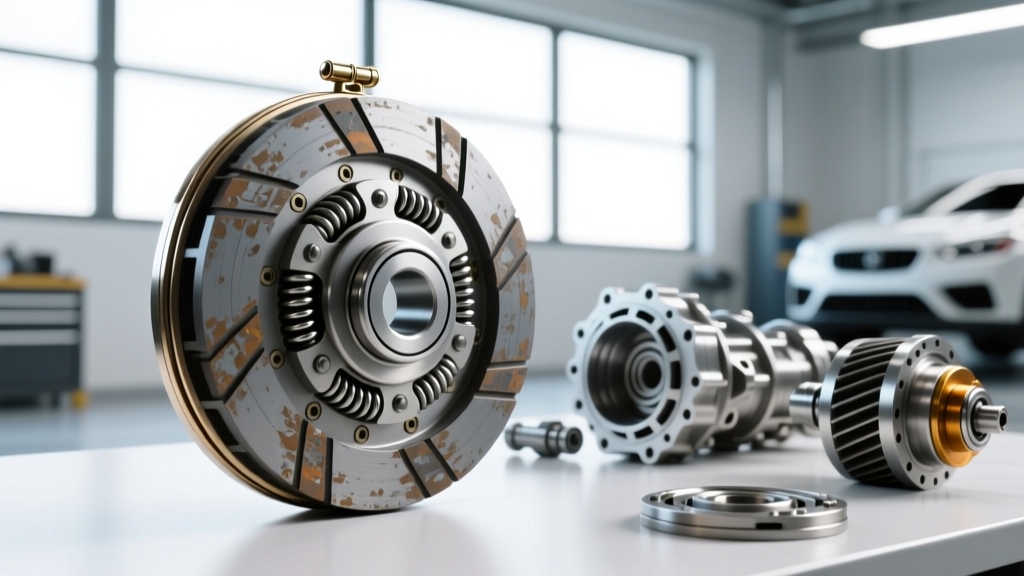
A wet clutch relies on a precise total stack height—the combined thickness of all friction and steel plates. If a mechanic reuses old, worn steel plates to save money, or installs an aftermarket kit that doesn't perfectly match OEM thickness tolerances, the stack height will be out of spec. A stack that is too thin will result in a slipping clutch and a lever that pulls all the way to the bar. A stack that is too thick will cause the clutch to drag, making it impossible to find neutral at a stoplight and causing the rear wheel to chirp on cold starts.
The Fix & Cost: Proper diagnosis requires removing the clutch pack and measuring the total stack height with a digital caliper against the factory service manual specifications. Replacing warped or out-of-spec steel plates costs between $80 and $130 for an OEM steel kit, plus the repeated labor of opening the clutch cover.
3. Basket Notching and Hub Wear
Many shops will install a fresh set of friction plates but fail to inspect the aluminum clutch basket (outer hub) and inner boss. Over time, the tangs of the clutch plates hammer into the soft aluminum, creating deep notches. When new plates are installed into a notched basket, they hang up on the grooves, preventing smooth engagement and disengagement. This manifests as a gritty lever feel and severe clutch drag.
As noted in the Barnett Clutches Technical Information archives, ignoring basket wear is a primary reason for warranty claims on new clutch kits. Upgrading to a CNC-machined billet aluminum basket with stainless steel inserts (from brands like Hinson or Wiseco) costs between $250 and $450, but permanently eliminates the notching issue and the subsequent labor costs of repeat repairs.
Critical Torque Specifications & Assembly Errors
A post-repair clutch failure is frequently the result of a technician relying on a "feel" rather than a calibrated torque wrench. The internal components of a motorcycle clutch are subjected to immense rotational shear forces. If the center boss nut is under-torqued, the entire clutch pack will wobble, destroying the plates and the transmission input shaft bearing. If the clutch spring bolts are over-torqued, they can strip the soft aluminum threads of the pressure plate or snap under thermal expansion.
- Yamaha CP2 (MT-07 / Tenere 700): Clutch boss nut requires exactly 75 Nm (55 lb-ft) with a new lock washer. Spring bolts require a delicate 10 Nm (7 lb-ft).
- Honda CBR600RR / CBR1000RR: Clutch center locknut typically torques to 59 Nm (43 lb-ft). Spring bolts are torqued to 12 Nm (9 lb-ft) in a crisscross pattern to ensure even pressure plate seating.
- Harley-Davidson Twin Cam / M8: The primary drive and clutch hub nut requires heavy torque (often 70-80 ft-lbs) and the mandatory application of Red Loctite (Threadlocker 271) to prevent the hub from walking off the mainshaft.
Expert Diagnostic Tip: If your motorcycle exhibits a rhythmic "clunk" or vibration through the lever immediately after a rebuild, suspect an unevenly torqued pressure plate or a missing thrust washer on the clutch pushrod. This requires immediate teardown to prevent the pushrod from drilling through the engine case.
Hydraulic Bleeding & Master Cylinder Issues
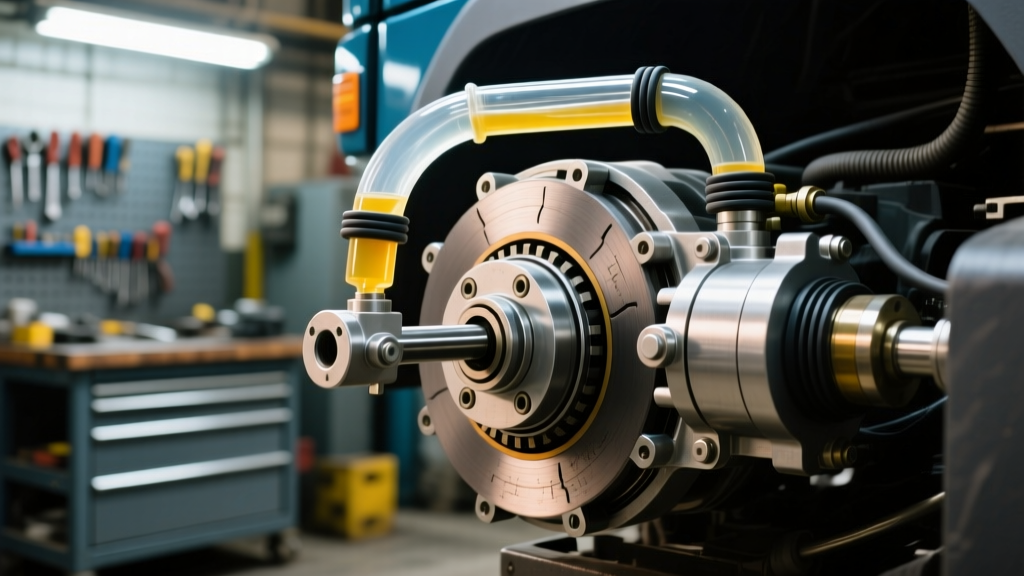
For motorcycles with hydraulic clutch actuation (using DOT 4 or DOT 5.1 fluid), post-repair dragging is often misdiagnosed as a mechanical failure when it is actually a hydraulic issue. If the mechanic opened the hydraulic line to replace a leaking pushrod seal or failed to properly bench-bleed a new master cylinder, air bubbles will remain trapped in the banjo bolts or the slave cylinder.
Air is compressible; hydraulic fluid is not. If air is present, the lever will feel spongy, and the slave cylinder will not travel far enough to fully disengage the clutch plates. According to RevZilla's Common Tread maintenance guides, proper bleeding requires attention to the master cylinder banjo bolt angle and, in some cases, using a vacuum bleeder to pull fluid down from the reservoir to the slave cylinder. A proper hydraulic flush and bench bleed should cost no more than $120–$150 in labor, a fraction of the cost of pulling the engine side cover.
Conclusion: Navigating Warranties and the "Do-Over" Tax
Experiencing clutch problems after a repair or replacement is a test of patience and financial endurance. Whether you are dealing with a slipping clutch caused by friction-modified oil, a dragging clutch born from a notched basket, or hydraulic air pockets, the key to minimizing costs is precise, data-driven diagnosis. Always demand that your shop measures the friction stack height with calipers and verifies the JASO MA2 compliance of the oil before signing off on a warranty claim. By understanding the true cost breakdown of these post-repair failures, you can hold technicians accountable, avoid the dreaded "do-over tax," and get back to the road with a drivetrain that performs exactly as engineered.