Understanding the Wet Multi-Plate Motorcycle Clutch
Unlike the dry, single-plate clutches found in most manual cars, the vast majority of motorcycles utilize a 'wet' multi-plate clutch system. This means the friction and steel plates are bathed in the same engine oil that lubricates your crankshaft and transmission. While this design provides superior cooling and compact packaging, it also introduces unique failure modes. For beginners, motorcycle clutch maintenance can seem intimidating, but understanding the physics of clutch engagement and disengagement is the first step toward diagnosing common drivetrain issues.
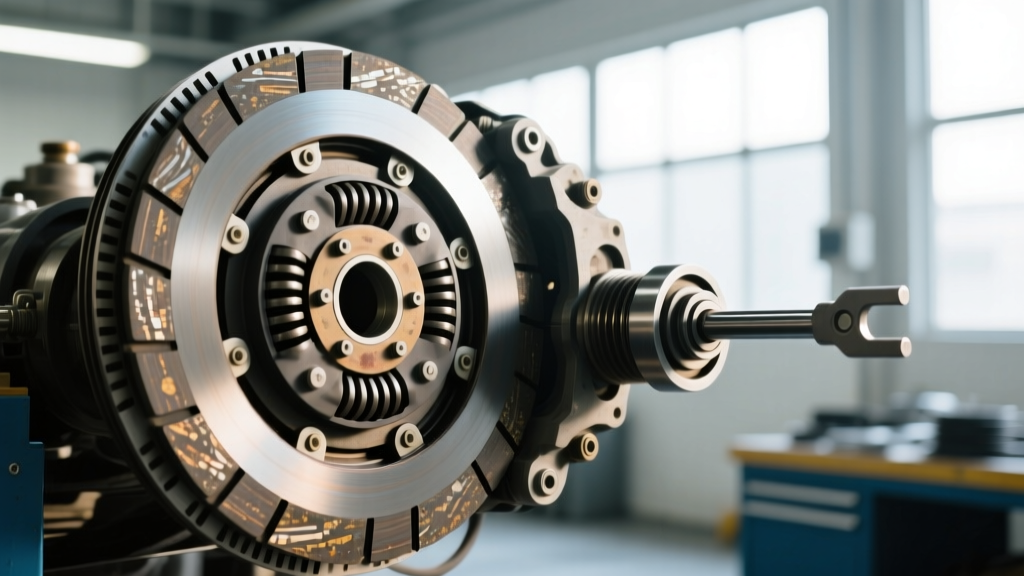
When you pull the clutch lever, you are compressing heavy steel springs (or diaphragm springs on modern bikes like the Ducati Panigale V4). This lifts the pressure plate, separating the alternating friction and steel plates, allowing the engine to spin independently of the transmission. When you release the lever, the springs clamp the plates together, locking the engine output to the gearbox input shaft. Any disruption in this clamping force or separation distance results in either engagement issues (slipping) or disengagement issues (dragging).
Disengagement Issues: Diagnosing Clutch Drag
Clutch drag occurs when the clutch fails to fully disengage, even when the lever is pulled completely to the handlebar. This is incredibly common on older motorcycles or bikes that have sat through the winter. The symptoms are unmistakable and often frightening for new riders.
- The 'Creep': With the bike in first gear and the clutch lever pulled in, the motorcycle still wants to move forward, requiring you to use the front brake to hold it still at a stoplight.
- The 'Clunk': Shifting from neutral into first gear produces a violent, loud 'bang,' and the bike may lurch forward or stall.
- Neutral Hunting: Finding neutral while the engine is running at a standstill becomes nearly impossible, though it shifts into neutral easily when the engine is off.
Root Causes of Disengagement Failure
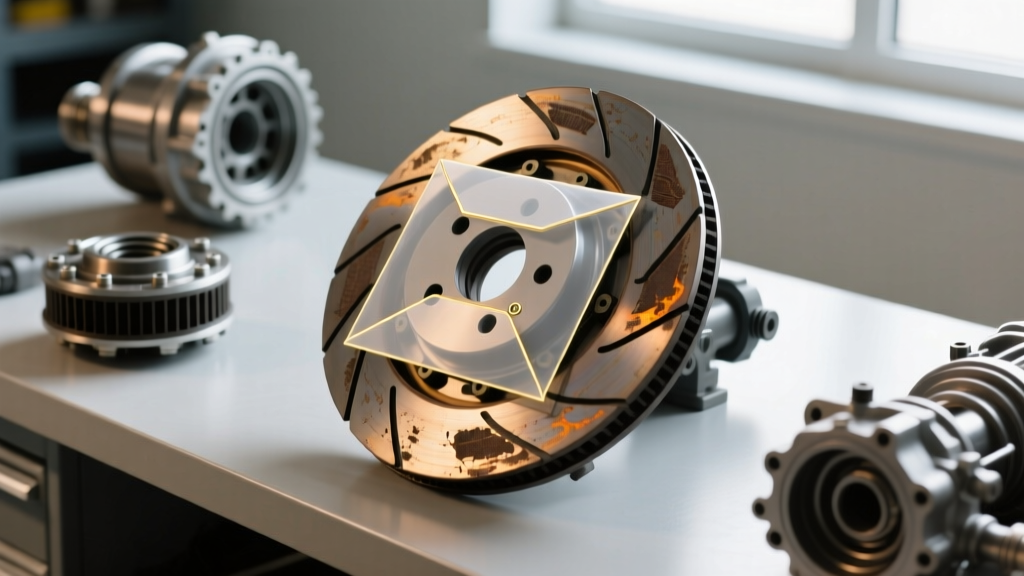
Clutch drag is rarely caused by a single catastrophic failure; it is usually the result of accumulated tolerances or degraded materials. Warped steel plates are the primary culprit. When steel plates overheat, they warp. Even a fraction of a millimeter of warping across six or seven steel plates means that when the pressure plate lifts, the warped plates continue to rub against the friction material, transmitting rotational force to the transmission.
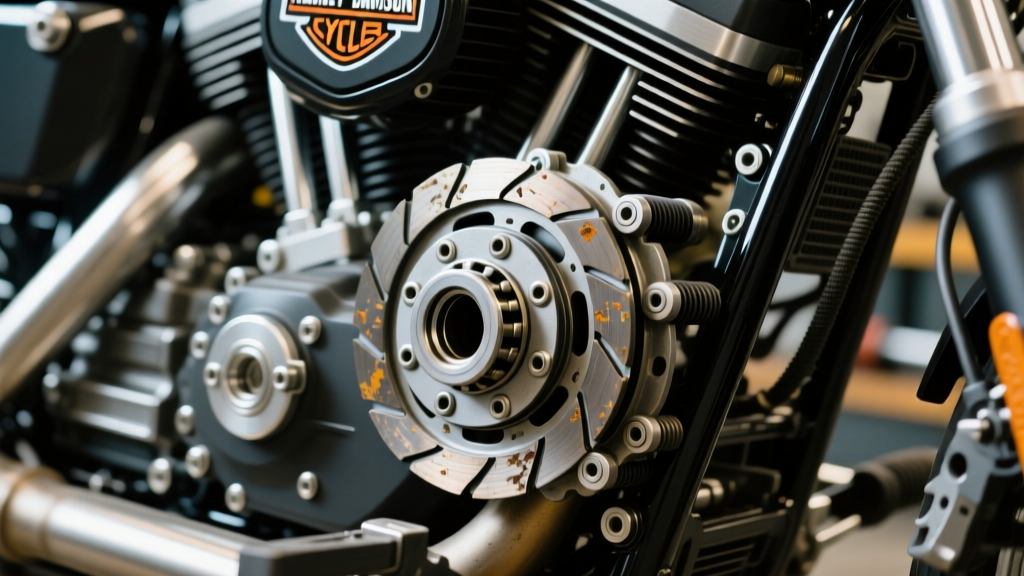
Another major cause of drag is 'notching' in the aluminum clutch basket. The outer tabs of the friction plates ride in the fingers of the clutch basket. Over thousands of miles of engagement impacts, these steel tabs hammer into the softer aluminum, creating deep grooves or notches. When you pull the lever, the friction plates get physically wedged in these notches and refuse to separate.
| Symptom | Primary Suspect | Beginner Diagnostic Step |
|---|---|---|
| Bike creeps in gear with lever pulled | Warped steel plates | Remove plates, lay on flat glass surface, check with feeler gauge |
| Violent clunk shifting into 1st gear | Notched clutch basket fingers | Visual inspection of outer basket tabs for deep grooves |
| Lever feels stiff, poor disengagement | Frayed cable or air in hydraulic line | Check cable free-play or bleed hydraulic master cylinder |
| Drag only occurs on cold mornings | Incorrect oil viscosity / stiction | Verify oil meets JASO MA2 spec; warm up bike before riding |
Engagement Issues: When the Clutch Slips
While drag is a disengagement issue, slipping is an engagement failure. This happens when the springs cannot apply enough clamping force to lock the plates together under load. The classic symptom is rolling on the throttle in a high gear (like 4th or 5th) and watching the tachometer needle climb rapidly while your road speed remains stagnant. You are essentially burning up your friction material, which will quickly lead to total drivetrain failure if ignored.
Slipping is most commonly caused by worn friction plates, weakened clutch springs that have lost their tensile strength due to heat cycling, or the use of the wrong engine oil. In high-horsepower applications, such as a supercharged Kawasaki Ninja H2 or a heavily modified Harley-Davidson Softail, the stock spring pressure may simply be insufficient for the torque output, requiring heavier aftermarket springs.
Core Motorcycle Clutch Maintenance Procedures
Proper maintenance is the difference between a clutch that lasts 80,000 miles and one that fails at 15,000 miles. Here is how to approach the foundational maintenance tasks.
1. Cable Adjustment and the '15mm Rule'
For cable-actuated clutches, maintaining the correct amount of 'free play' at the lever is critical. Free play is the distance the lever travels before you feel resistance from the clutch springs. The industry standard for most Japanese and European motorcycles is between 10mm and 15mm of free play measured at the lever's outer edge.
Why is this gap necessary? As your engine heats up, the metal components expand, and the clutch cable stretches. If you adjust the cable so tightly that there is zero free play when the engine is cold, thermal expansion will cause the cable to pull on the pressure plate while you are riding. This slightly lifts the pressure plate, causing the clutch to slip under load, generating immense heat, and ultimately destroying the friction plates. Always adjust your cable when the engine is at operating temperature.
2. Hydraulic System Bleeding
Modern sportbikes and cruisers increasingly use hydraulic clutch actuation, similar to a brake system. These systems use DOT 4 or DOT 5.1 glycol-based fluid, which is hygroscopic (it absorbs moisture from the air). Over time, this moisture lowers the boiling point of the fluid and causes internal corrosion in the master and slave cylinders.
If your hydraulic lever feels 'spongy' or slowly creeps toward the handlebar while held in at a stoplight (a phenomenon known as 'bypassing'), you need to bleed the system. Using a vacuum bleeder on the 8mm slave cylinder bleed nipple is the most efficient method for beginners. Flush the system until the fluid runs completely clear, ensuring no air bubbles remain in the banjo bolt fittings.
3. Measuring Plate Thickness and Spring Length
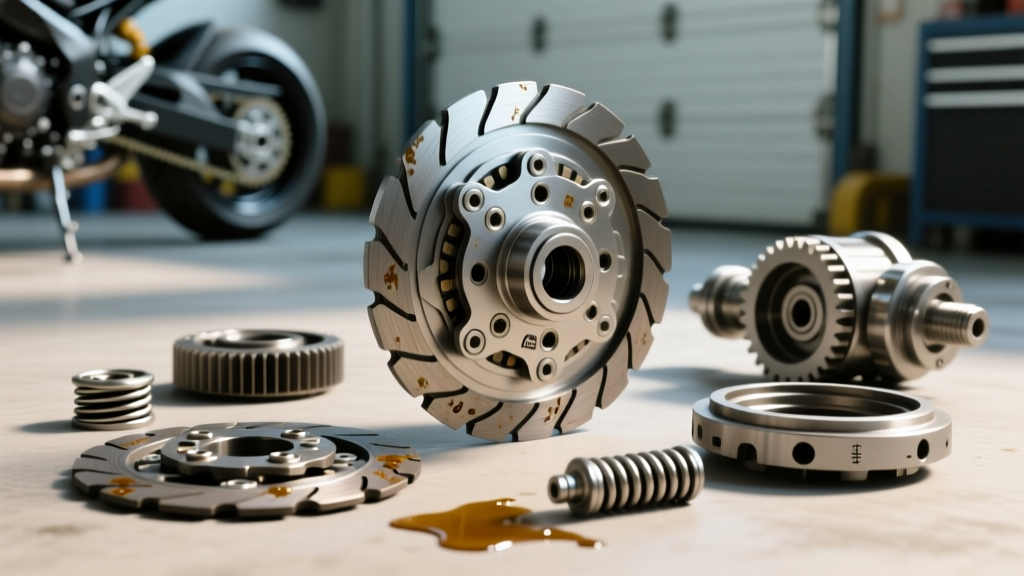
When performing deep motorcycle clutch maintenance, guessing is not an option. You must use a micrometer and calipers. For example, on a Honda CBR600RR, the standard friction plate thickness is 3.0mm, and the absolute service limit is 2.6mm. If your plates measure 2.7mm, you might think they are fine, but they will begin slipping under heavy acceleration within a few thousand miles.
Similarly, measure your clutch springs. If the factory service manual specifies a free length of 44.0mm and a service limit of 41.5mm, any spring measuring 41.0mm must be replaced. Weak springs are a leading cause of engagement failure that many amateur mechanics miss because they only replace the friction plates.
The Hidden Saboteur: Engine Oil and JASO MA2
The most common mistake beginners make in motorcycle clutch maintenance is using standard automotive engine oil. Modern automotive oils (API SN/SP ratings) contain friction modifiers, such as molybdenum dialkyldithiocarbamate (MoDTC), designed to reduce internal engine friction and improve fuel economy in cars.
If you put automotive oil in a wet motorcycle clutch, those friction modifiers coat the clutch plates, making them incredibly slippery. Your clutch will slip almost immediately under load. You must only use oils that carry the JASO MA or MA2 certification. JASO MA2 oils are specifically formulated without friction modifiers, ensuring the high coefficient of friction required for motorcycle clutch engagement. As of 2026, most premium synthetic motorcycle oils clearly display the JASO MA2 seal on the bottle; never compromise on this specification.
Upgrades and Replacements: What to Buy
When your plates are worn or your basket is notched, it is time for replacement. Stick to reputable OEM or high-quality aftermarket suppliers. EBC Brakes offers their highly regarded CK series (e.g., CK2344 for the CBR600RR), which uses premium cork-based friction material and typically costs between $90 and $130. For heavy-duty applications, such as touring or high-torque cruisers, Barnett Clutches offers Kevlar and Carbon Fiber friction plates that can withstand significantly higher temperatures before fading.
When reinstalling the clutch, torque specifications are non-negotiable. For instance, the clutch center locknut on a Yamaha MT-07 (CP2 engine) requires exactly 75 Nm (55 lb-ft) of torque, and you must use a brand new locking washer every time. The pressure plate spring bolts are typically much smaller, requiring only 10 Nm (7 lb-ft). Over-torquing these small 6mm bolts will strip the aluminum threads in the inner hub, turning a $120 clutch job into a $400 hub replacement nightmare.
Expert Tip: Always soak new cork or Kevlar friction plates in the exact engine oil you plan to use in the bike for at least 2 hours before installation. Installing dry friction plates will cause them to glaze and burn upon the very first engagement, permanently ruining the new clutch pack.
Final Thoughts on Drivetrain Longevity
Mastering motorcycle clutch maintenance is a rite of passage for every rider. By understanding the delicate balance between cable free-play, hydraulic pressure, spring tension, and oil chemistry, you can diagnose engagement and disengagement issues before they leave you stranded on the side of the road. Treat your clutch with respect, use the correct JASO MA2 fluids, and always measure your tolerances with precision tools. Your motorcycle's drivetrain will reward you with tens of thousands of miles of seamless, buttery-smooth shifting.