The Anatomy of a Burnt Clutch Smell
A burning smell emanating from a vehicle's drivetrain is one of the most visceral warnings a driver can experience. However, for the advanced automotive technician in 2026, relying solely on the olfactory sense is no longer sufficient. The scent of burning friction material indicates that the component has already breached its thermal safety margins. To accurately diagnose the root cause—whether it is driver abuse, hydraulic failure, or mechatronic degradation—technicians must cross-reference physical symptoms with digital data. This is where the concept of the envelope clutch template becomes a critical diagnostic asset.
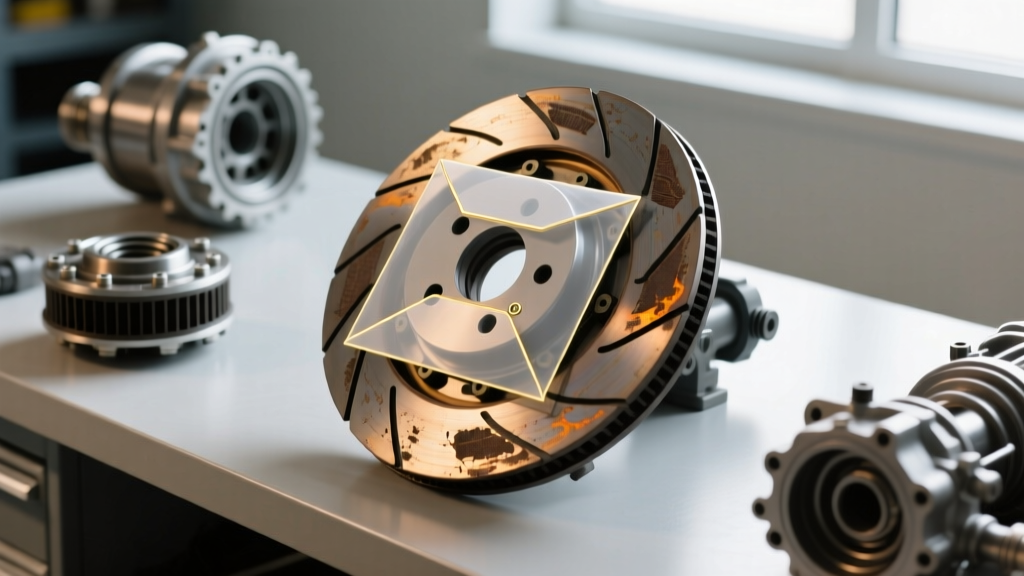
Modern powertrain control modules (PCMs) and transmission control modules (TCMs) do not merely monitor RPM and vehicle speed. They utilize a multi-dimensional thermal and friction map known as an envelope clutch template. This template defines the exact operational boundaries—mapping torque load, slip speed, and time—before catastrophic thermal degradation occurs. When a clutch burns, it means the system has operated outside this engineered envelope, resulting in the pyrolysis of the friction facings and the breakdown of surrounding lubricants.
Friction Material Olfactory Signatures
Before connecting a bi-directional scan tool, a master technician must identify the specific friction material failing. Different compounds produce distinct chemical signatures when subjected to extreme heat:
- Organic / Kevlar Blends: Common in daily-driver manual clutches and some dry dual-clutch transmissions (DCTs). When overheated, organic resins and Kevlar fibers produce a sharp, acrid smell remarkably similar to burning hair or hot brake pads.
- Ceramic / Sintered Iron: Found in high-performance applications like the Tremec T56 Magnum or heavy-duty diesel trucks. Ceramic materials do not burn in the traditional sense; instead, the metallic binders and sulfur compounds in the grease oxidize, producing a harsh, metallic, or sulfuric odor (often described as rotten eggs or hot pennies).
- Carbon-Carbon: Used in elite motorsport and hypercar applications. Overheating carbon produces a distinct, dusty, almost sweet chemical odor, though this is rare in street-driven vehicles.
- Automatic Transmission Fluid (ATF) Pyrolysis: In automatics, a burnt smell is often not the torque converter clutch (TCC) itself, but the ATF oxidizing due to excessive TCC slip. ZF LifeguardFluid 8, for example, develops a distinctly sour, burnt-toast aroma when subjected to continuous temperatures exceeding 145°C (293°F).
Decoding the Envelope Clutch Template
The envelope clutch template is essentially a software-based diagnostic matrix. When using OEM software like Ford's FDRS, GM's GDS2, or advanced aftermarket tools like the Snap-on Zeus+, technicians can overlay live PID data against the factory's thermal envelope template.
Expert Insight: 'A clutch doesn't fail simply because of high RPM. It fails because of the area under the slip curve. The envelope clutch template calculates the cumulative thermal energy (Torque x Slip Speed x Time). If a driver holds a manual car at 3,000 RPM on a steep incline, they are generating massive thermal energy with zero vehicle movement, instantly pushing the clutch disc outside its thermal envelope and causing glazing or outright combustion.' - Drivetrain Engineering Standards, 2025.
By pulling up the envelope clutch template on your scan tool, you can monitor specific PIDs to see exactly when and why the breach occurred. Key PIDs to log include TCC_SLIP_RPM, TRANSMISSION_FLUID_TEMP, CLUTCH_PEDAL_POSITION, and ENGINE_TORQUE_ESTIMATE.
Automatic vs. Manual: Breaching the Thermal Envelope
The mechanics of thermal failure differ vastly between traditional manual transmissions and modern torque-converter automatics. Below is a comparison of how the thermal envelope is breached in two of the most common performance and daily-driver transmissions on the road today.
| Transmission Model | Clutch Type | Max Continuous Slip Temp | Acceptable Slip RPM | Primary Failure Mode |
|---|---|---|---|---|
| ZF 8HP (8-Speed Auto) | Torque Converter Clutch (TCC) | 135°C (275°F) | < 20 RPM at Lockup | TCC lining delamination, Mechatronic sleeve wear |
| Tremec T56 Magnum | Dry Single Disc (Manual) | 250°C (482°F) Peak | 0 RPM (Fully Engaged) | Disc glazing, flywheel heat checking, pressure plate warping |
| Ford 10R80 | TCC / Wet Multi-Plate | 140°C (284°F) | < 15 RPM at Lockup | Valve body bore wear, TCC apply pressure loss |
Deep Dive: ZF 8HP TCC Slip and Thermal Degradation
The ZF 8HP transmission is an engineering marvel, but its torque converter clutch is highly sensitive to fluid degradation and mechatronic wear. When a customer reports a 'burnt smell' and a shudder between 40-50 MPH, the TCC is slipping outside its acceptable envelope.
Diagnostic Workflow for ZF 8HP
- Check Fluid Condition: Drop the ZF 8HP plastic pan. The fluid should be a clear, bright yellow-green. If it is dark brown and smells burnt, the TCC lining has likely degraded. ZF LifeguardFluid 8 capacity is approximately 9.5L for a dry fill, but a service fill requires 6 to 8 liters depending on torque converter drain-back.
- Monitor TCC Slip: Using a scan tool, monitor TCC Slip RPM in 6th, 7th, and 8th gears at steady highway cruise. Slip should be tightly controlled between 10-20 RPM to manage torsional vibrations. If slip exceeds 50-100 RPM continuously, the TCC apply pressure is insufficient.
- Mechatronic Sleeve Inspection: A common cause of TCC pressure loss in the 8HP is the wear of the aluminum mechatronic sleeve where it seals against the transmission case. This allows TCC apply fluid to bypass, reducing clamping force and causing the TCC to slip and burn.
Repair Specs & Costs: Replacing the TCC requires transmission removal and teardown. A genuine ZF TCC assembly (Part # 24574 equivalent) costs between $450 and $700. Labor and fluid push the total repair cost to $1,800 - $2,500. When reinstalling the mechatronic unit, the sleeve bolts must be torqued precisely to 8 Nm, and the pan bolts to 10 Nm in the specified spiral pattern to prevent case distortion.
Deep Dive: Tremec T56 Magnum Manual Clutch Abuse
For manual transmissions, the envelope clutch template is less about continuous micro-slip and more about gross thermal events—such as 'riding' the clutch or aggressive slip during drag racing launches. The Tremec T56 Magnum, widely used in modern muscle cars, requires precise setup to maintain its thermal envelope.
Diagnosing Manual Thermal Breaches
If a T56 Magnum clutch is burning, the first mechanical check is the hydraulic throwout bearing (HTOB) clearance. If the clearance is too tight, the clutch is never fully engaged, causing continuous micro-slip that generates massive heat. The ideal air gap between the HTOB face and the pressure plate fingers should be between 0.125" and 0.200".
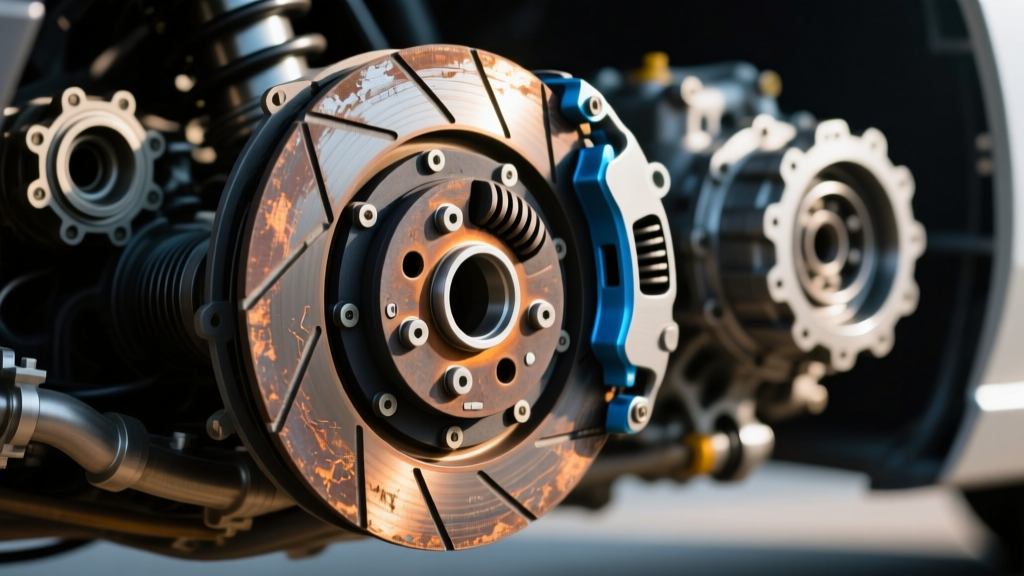
Furthermore, bellhousing alignment is critical. If the transmission bellhousing is misaligned relative to the engine block, the input shaft binds in the pilot bearing. This binding prevents the clutch disc from seating flush against the flywheel during engagement, causing localized hot spots, severe chatter, and a burning smell as the disc slips under load.
Repair Specs & Costs: When replacing a burnt organic disc, upgrade to a high-capacity unit like the Exedy Mach 400 (Part # EXE-11807), which handles up to 780 lb-ft of torque while retaining organic drivability (Cost: $650 - $800). The flywheel must be inspected for heat checking (blue spots). If runout exceeds 0.005", it must be resurfaced or replaced. Always use ARP flywheel bolts, torqued to 70 ft-lbs plus an additional 20 degrees of rotation. The pressure plate bolts must be torqued to 35 ft-lbs in a strict star pattern to ensure even diaphragm spring tension.
Summary: Protecting the Operational Envelope
Diagnosing a clutch burning smell requires moving beyond simple visual inspections and embracing data-driven diagnostics. By understanding the chemical signatures of different friction materials and utilizing an envelope clutch template via advanced OBD2 telemetry, technicians can pinpoint whether a failure is the result of mechanical wear, hydraulic degradation, or operator error. Whether you are measuring TCC slip RPMs on a ZF 8HP or verifying bellhousing runout on a Tremec T56, respecting the thermal and mechanical envelopes of these components is the only way to ensure long-term drivetrain reliability.
For further reading on clutch thermal degradation and modern transmission diagnostics, consult the SAE Technical Papers Archive, the ZF Aftermarket Portal for 8HP service guidelines, and Tremec Engineering Guides for manual transmission installation tolerances.