The Hidden Culprit: How Your Motorcycle Clutch Cover Dictates Clutch Health
When diagnosing manual motorcycle transmission issues, riders often immediately blame the friction plates or clutch springs. However, the motorcycle clutch cover—encompassing both the outer engine casing and the inner hub/pressure plate assembly—is frequently the root cause of chronic slipping, chatter, and dragging. As a senior transmission diagnostician, I have torn down hundreds of dirt bikes and sportbikes where the clutch cover assembly was the silent killer of drivetrain performance.
In this comprehensive buyer’s guide and root cause analysis, we dissect the primary failure modes associated with OEM and aftermarket clutch covers. Whether you are rebuilding a late-model Yamaha YZ450F, maintaining a Kawasaki Ninja ZX-6R, or upgrading a Harley-Davidson Touring model, understanding the metallurgy and tolerances of your clutch housing is critical for selecting the right replacement components and avoiding repeat failures.
Anatomy of the Assembly: Outer Casing vs. Inner Hub
Before diving into diagnostics, we must clarify terminology. In motorcycle mechanics, "clutch cover" refers to two distinct but interacting components:
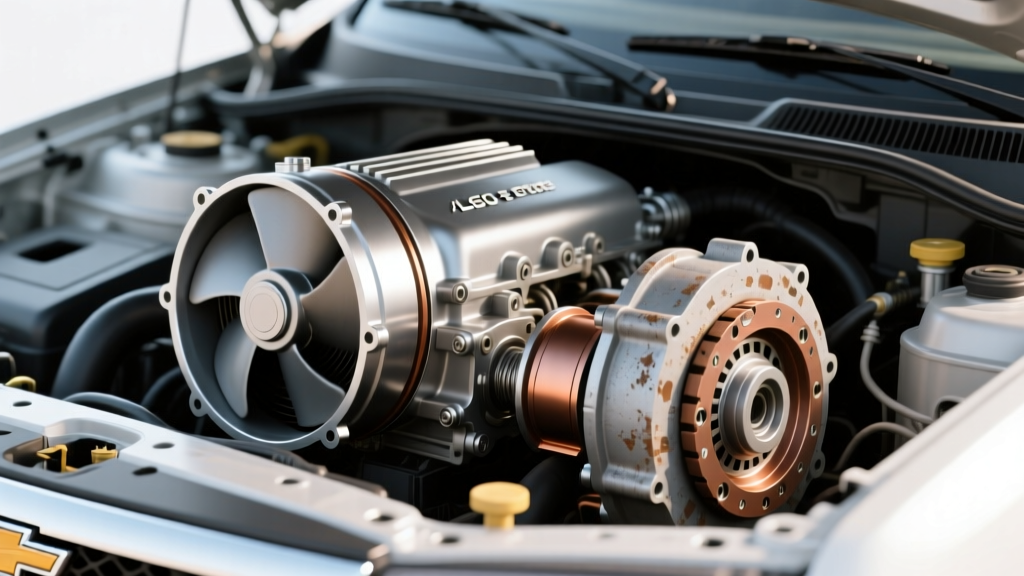
- The Outer Clutch Cover (Casing): The stamped aluminum or magnesium exterior shell that seals the oil bath, houses the clutch lifter actuator, and protects the internal components from debris.
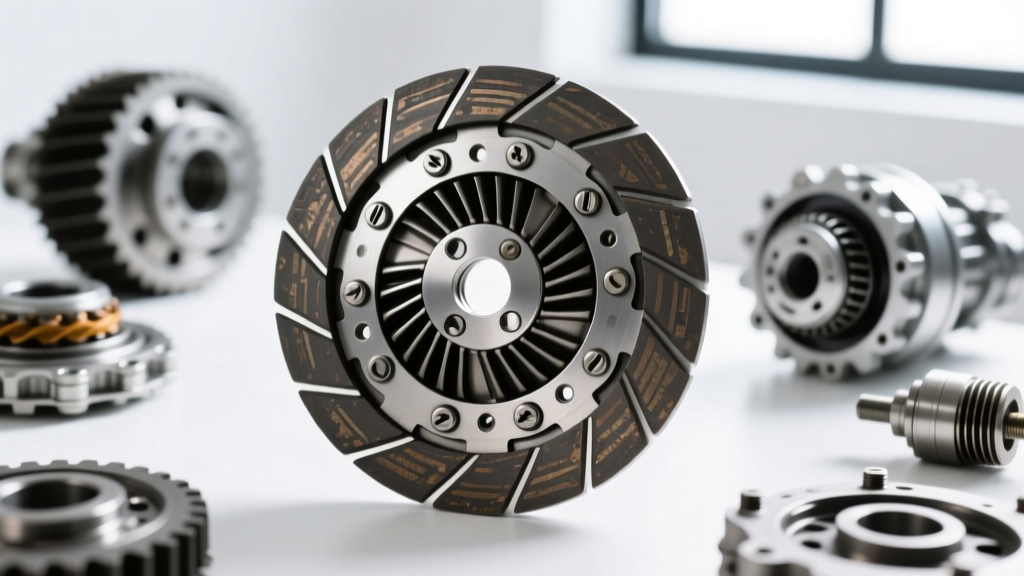
- The Inner Clutch Hub & Basket: Often referred to as the inner cover assembly, this includes the splined center hub (holding the friction plates) and the outer basket (holding the steel plates). This is where the actual torque transfer occurs.
Failure in either component will manifest as severe clutch system symptoms. Let us break down the three most common failure modes and how to diagnose them using professional teardown techniques.
Root Cause Analysis: 3 Primary Clutch Failure Modes
1. Basket Notching and Inner Hub Grooving (Clutch Chatter)
Symptom: Aggressive engagement, rear-wheel hop under acceleration, inability to find neutral at a stop, and a "notchy" feel at the clutch lever.
Root Cause: Most OEM inner hubs and outer baskets are manufactured from die-cast aluminum. Under the immense shearing force of high-RPM launches (especially in 450cc motocross or 1000cc superbikes), the steel clutch plate tabs hammer against the soft cast aluminum splines. Over time, this creates deep grooves or "notches." When the plates cannot slide freely out of these notches, the clutch fails to disengage fully (dragging) or engages abruptly (chatter).
The Fix: Upgrade to a CNC-machined billet aluminum inner hub and basket. Brands like Hinson and Wiseco use 7075-T6 aerospace-grade aluminum, which is hard-anodized or Teflon-coated to reduce friction and virtually eliminate notching. According to Hinson Racing Tech Tips, a billet inner hub increases clutch life by up to 300% compared to cast OEM units, maintaining precise stack height tolerances.
2. Oil Contamination via Cover Gasket Degradation (Clutch Slipping)
Symptom: Loss of top-end power, high RPMs without corresponding acceleration, and a spongy lever feel despite proper cable/hydraulic adjustment.
Root Cause: The outer motorcycle clutch cover relies on a gasket to seal the engine oil. If the cover is over-torqued during a previous service, the mating surface warps, or the paper gasket degrades, oil can leak out. More critically, on liquid-cooled engines (like the Honda CRF450R or KTM 350 SX-F), the water pump is often driven by a shaft situated directly behind or adjacent to the clutch cover. A failing water pump mechanical seal will dump coolant directly into the clutch cavity. This glycol contamination coats the friction plates, destroying their coefficient of friction and causing catastrophic slip.
The Fix: Always use OEM or high-quality aftermarket steel-reinforced gaskets (such as Cometic or Vesrah). If coolant is found in the oil (appearing as a milky emulsion on the clutch cover dipstick or sight glass), replace the water pump seal and flush the engine with a cheap oil cycle before the friction plates are permanently ruined.
3. Actuator Bearing Brinelling (Inconsistent Lever Feel)
Symptom: A gritty, grinding sensation when pulling the clutch lever, uneven disengagement, or a lever that feels "stuck" at the bite point.
Root Cause: The outer clutch cover houses the clutch lifter mechanism, which utilizes a small thrust bearing or ball-bearing actuator to push the clutch pushrod. If this bearing lacks lubrication or is subjected to excessive load from heavy-duty aftermarket clutch springs, the bearing races will develop brinelling (permanent indentations). As noted in Rekluse Technical Support documentation, a failing actuator bearing prevents the pushrod from applying even, linear pressure to the pressure plate, leading to uneven clutch drag and premature throw-out bearing failure.
The Fix: Inspect the actuator bearing inside the outer cover every time the clutch is serviced. Replace with an OEM SKF, NTN, or Koyo bearing (typically a $12-$18 part) and pack it with high-temperature molybdenum grease rather than replacing the entire outer cover casing.
Buyer’s Guide: OEM vs. Aftermarket Billet Clutch Components
When sourcing a replacement motorcycle clutch cover or internal hub assembly, you must weigh cost against durability. Below is a diagnostic comparison matrix to guide your purchase based on your riding style and transmission demands.
| Component Type | Material / Construction | Avg. Price Range | Best Application | Common Failure Point |
|---|---|---|---|---|
| OEM Outer Cover | Die-Cast Aluminum / Magnesium | $120 - $280 | Trail riding, commuter, OEM restoration | Stripped bolt threads, warped mating surface |
| Billet Inner Hub | CNC 7075-T6 Aluminum (Hard Anodized) | $220 - $350 | Motocross, Enduro, aggressive track use | Wears out OEM cast outer basket prematurely |
| Complete Billet Basket Kit | CNC Billet Hub + Outer Basket + Plate | $650 - $900 | Professional racing, high-horsepower builds | None (Outlasts friction plates by 3x) |
| Auto-Clutch Cover System | Billet Housing with Internal Centrifugal Weights | $800 - $1,100 | Technical single-track, trail riding, beginners | Weight pivot pin wear, requires frequent oil changes |
Critical Torque Specs & Installation Tolerances
Improper installation of the clutch cover and internal components is a leading cause of premature failure. Always consult your specific factory service manual, but adhere to these general diagnostic tolerances and torque specifications common to modern 450cc and 600cc platforms:
- Clutch Center Lock Nut: Typically 58-62 lb-ft (80-84 Nm). Critical: Always use a new staked lock washer. Reusing an old washer leads to the inner hub backing off the main shaft, destroying the transmission splines and requiring a full engine split to repair.
- Clutch Spring Bolts: 7-9 lb-ft (10-12 Nm). Over-torquing these will strip the soft aluminum threads on the inner hub or warp the pressure plate, causing clutch drag that mimics a bent pushrod.
- Outer Clutch Cover Bolts: 7-8 lb-ft (10-11 Nm). Use a crisscross star pattern to ensure even gasket compression. Apply a medium-strength threadlocker (blue) to prevent vibration-induced backing out, which is common on high-compression singles and inline-fours.
- Friction Plate Stack Height: Measure the entire pack with calipers. If your manual specifies a minimum stack height of 54.0mm and you measure 52.5mm, the clutch will slip regardless of cover condition. Compensate with thicker steel plates or a new friction pack.
The Mechanic's Decision Matrix: Replace or Rebuild?
Use this quick diagnostic framework when you pull the outer motorcycle clutch cover and inspect the internals on the bench:
- Run your fingernail across the inner hub splines. If your nail catches in a groove deeper than 0.5mm, the hub must be replaced. Filing the notches is a temporary hack that alters the clutch pack stack height, leading to insufficient pressure plate clamping force and eventual slip.
- Inspect the outer cover mating surface. Lay it on a known-flat piece of glass or machined granite with a feeler gauge. If the warpage exceeds 0.15mm, the cover must be resurfaced on a lapping plate or replaced entirely to stop oil weeping.
- Check the pushrod and lifter. If the steel pushrod shows any bluing (heat discoloration) or the tip is mushroomed, replace it. A mushroomed pushrod will bind inside the outer cover actuator, preventing full disengagement and causing the bike to creep forward in gear.
By treating the motorcycle clutch cover and its internal hub assembly as a precision-machined system rather than a simple dust shield, you can eliminate chronic drivetrain gremlins, optimize lever feel, and ensure maximum power transfer to the rear wheel for the life of the motorcycle.