The Dual-Clutch Drag Dilemma on the GMT360 Platform
As of 2026, the GMT360 platform remains a staple on used SUV lots and in independent repair shops. However, technicians and DIYers frequently encounter a highly specific diagnostic trap: confusing engine parasitic drag with transmission clutch drag. When owners search for a fix for their 2005 Chevy Trailblazer fan clutch, they are often actually experiencing torque converter clutch (TCC) release problems, or vice versa. Both systems utilize a 'clutch' mechanism to engage and disengage, and both suffer from severe drag and release failures as the vehicle ages.
In this step-by-step diagnostic guide, we will isolate the exact failure points of the 4.2L LL8 Atlas engine's thermal fan clutch and the 4L60-E transmission Torque Converter Clutch. By understanding the mechanical and hydraulic differences between these two systems, you can accurately diagnose clutch drag and release problems without throwing unnecessary parts at the vehicle.
Phase 1: Anatomy of the 2005 Chevy Trailblazer Fan Clutch
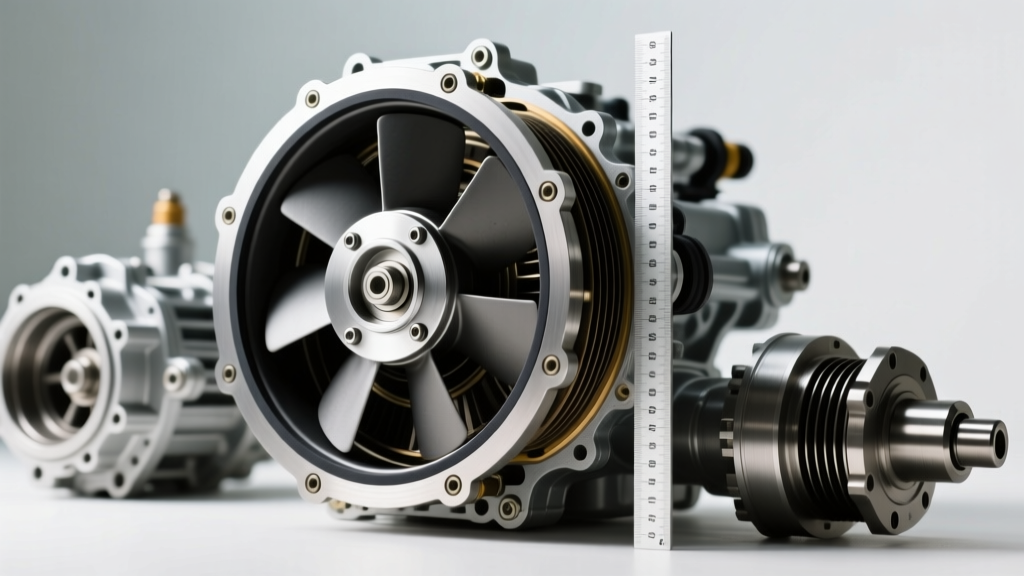
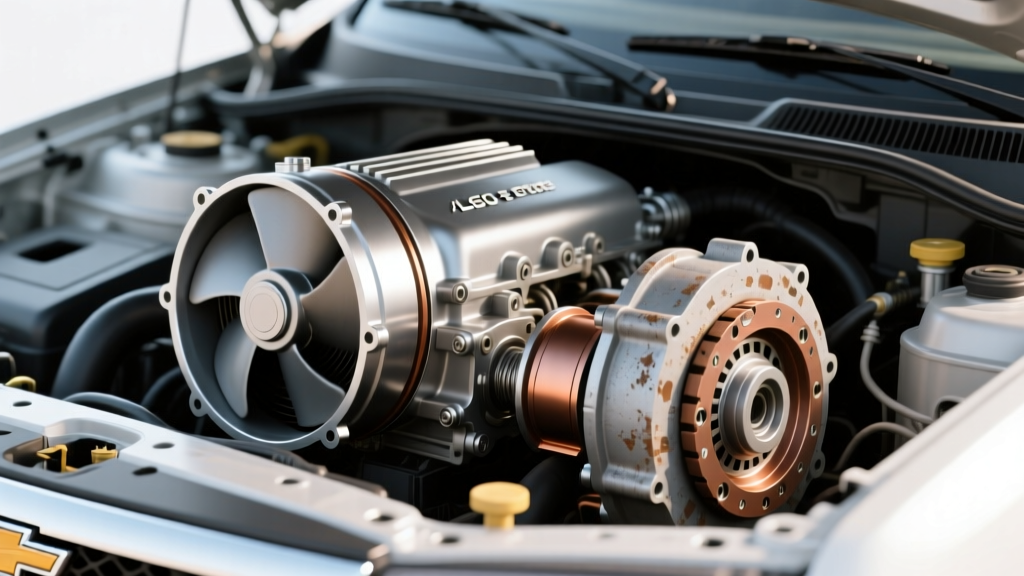
The 2005 Trailblazer equipped with the 4.2L inline-six uses a heavy-duty, thermostatically controlled viscous fan clutch. Unlike an electronic fan, this clutch relies on a bi-metallic coil spring on the front face to open a valve, allowing silicone fluid to transfer torque from the water pump shaft to the fan blades.
How Fan Clutch Drag Occurs
- Internal Seal Failure: The internal O-rings degrade, causing the silicone fluid to leak out or bypass the valving. The clutch remains permanently locked (engaged), creating massive rotational drag at highway speeds.
- Bi-Metal Spring Fatigue: The front coil loses its tension over years of heat cycling, failing to close the fluid valve when the engine cools down, resulting in a failure to release.
- Bearing Seizure: The internal pilot bearing dries out, causing mechanical binding that mimics hydraulic drag.
Phase 2: Step-by-Step Fan Clutch Drag Diagnosis
Before tearing into the transmission, you must rule out the engine's cooling system. A locked fan clutch can rob the 4.2L engine of up to 20 horsepower and cause severe RPM fluctuations that feel exactly like a transmission shudder.
- The Cold Start Test: Start the Trailblazer after it has sat overnight. Listen for a loud 'roaring' sound that persists beyond the first 60 seconds. A healthy clutch will engage briefly to clear fluid, then release and quiet down. If it stays roaring, the clutch is dragging.
- The Roll-Up Test (Engine Off): With the engine off and cold, attempt to spin the fan blades by hand. You should feel moderate resistance. If the fan spins completely freely, the internal fluid has leaked out (failure to engage). If it is completely locked and won't budge, the internal bearing has seized or the valve is stuck open.
- The Newspaper Test (Engine Running - CAUTION): Keep hands clear of moving parts. Roll up a magazine or thick newspaper and gently push it into the side of the spinning fan. If the fan clutch is properly released (disengaged) at idle, the fan will stop spinning immediately. If it shreds the paper and continues to spin aggressively, the clutch is failing to release.
Expert Insight: Never use a wrench to forcefully stop the fan blade while the engine is running to test the clutch. The 4.2L water pump shaft is relatively soft aluminum and can easily be twisted or stripped, leading to a catastrophic coolant leak.
Phase 3: Diagnosing 4L60-E TCC Release Problems
If the 2005 Chevy Trailblazer fan clutch tests perfectly, the drag and release issue is almost certainly originating from the 4L60-E transmission's Torque Converter Clutch (TCC). The TCC is a hydraulic friction clutch inside the torque converter that locks the engine to the transmission input shaft at cruising speeds to eliminate slip and improve fuel economy.
How TCC Drag and Release Failures Happen
The most common cause of TCC release problems on the 4L60-E is valve body wear. Specifically, the TCC control valve and TCC apply valve bores in the aluminum valve body wear out due to constant oscillation of the steel valves. When the bore wears, the valve hangs up in the 'apply' position. When you come to a stop, the TCC fails to release, causing the engine to stall—exactly like stopping a manual transmission car without pressing the clutch pedal.
Phase 4: Step-by-Step TCC Diagnostic Procedure
- Scan Tool Data Monitoring: Connect an OBD2 scanner capable of reading manufacturer-specific PIDs. Monitor the 'TCC Slip Speed' parameter. When the TCC is commanded ON at highway speeds, slip should be near 0 RPM. When you lift off the throttle and coast to a stop, the TCC should be commanded OFF, and slip should immediately jump to match engine RPM. If slip remains at 0 RPM as you come to a stop, the TCC is dragging and failing to release.
- Check for Cross-Contamination: Pull the transmission dipstick. If the ATF smells burnt or appears black, the TCC friction material has been destroyed due to prolonged slipping or dragging. If you see a milky, pinkish fluid, engine coolant has breached the transmission cooler inside the radiator, destroying the TCC clutch lining.
- Valve Body Inspection: If the fluid is clean but the TCC still drags, drop the transmission pan. Inspect the TCC PWM solenoid screen for debris. In 90% of 4L60-E TCC release failures with clean fluid, the valve body requires a Sonnax Zip Kit or a reamed TCC control valve bore installation to restore hydraulic clearance.
Symptom Comparison Matrix: Fan Clutch vs. TCC Drag
Use this diagnostic table to quickly isolate the source of the clutch drag based on driver complaints and physical symptoms.
| Diagnostic Criteria | 2005 Trailblazer Fan Clutch Drag | 4L60-E TCC Release Failure |
|---|---|---|
| Primary Symptom | Engine roaring, severe power loss, poor MPG | Engine stalling at stoplights, harsh downshifts |
| RPM Behavior | RPMs artificially high at highway speeds | RPMs drop to near zero when braking to a stop |
| Temperature Correlation | Worse after engine reaches full operating temp | Consistent regardless of engine temp |
| Transmission Fluid | Normal, red, and clean | Often burnt, dark, or contains friction material |
| OBD2 Codes | P0128 (Coolant Temp), P0446 (Rarely) | P0740, P0741, P0742 (TCC Stuck ON) |
Parts, Pricing, and Torque Specifications (2026 Guide)
When replacing components to resolve clutch drag and release problems, always adhere to OEM torque specifications to prevent secondary failures.
Fan Clutch Replacement Specs
- OEM Part Number: ACDelco 15-40133 (GM 15293048) - Available via ACDelco Parts Catalog.
- Estimated Cost: $140 - $180 USD.
- Tool Required: J-41240 Fan Clutch Wrench Set (32mm or 1-1/4 inch wrench). Note: The water pump shaft thread may be reverse-threaded depending on the exact build month.
- Torque Spec: Water pump pulley bolts must be torqued to 11 lb-ft (15 Nm). The fan clutch nut itself is typically tightened to 40 lb-ft, but verify thread direction first.
TCC Valve Body Repair Specs
- OEM Part Number: Sonnax 77754-03K TCC Control Valve Kit or 4L60-E Zip Kit.
- Estimated Cost: $65 - $120 USD for the valve kit; $350+ for a complete remanufactured valve body.
- Tool Required: Sonnax reaming tool kit (if reaming the aluminum bore) or drop-in replacement valves.
- Fluid Capacity: The 4L60-E pan drop and filter change requires exactly 5 quarts of Dexron VI ATF. Do not use older Dexron III, as it lacks the friction modifiers required for proper 2026-era TCC apply/release modulation.
Final Diagnostic Verdict
Clutch drag and release problems on the 2005 Chevy Trailblazer require a systematic approach. By separating the mechanical, thermal drag of the engine fan clutch from the hydraulic release failures of the 4L60-E torque converter clutch, you can save hundreds of dollars in misdiagnosed repairs. Always start with the free physical tests—the newspaper test for the fan and the OBD2 slip-speed PID test for the transmission—before turning a single wrench.