Bridging the Gap: Powersports vs. Heavy-Duty Truck Logic
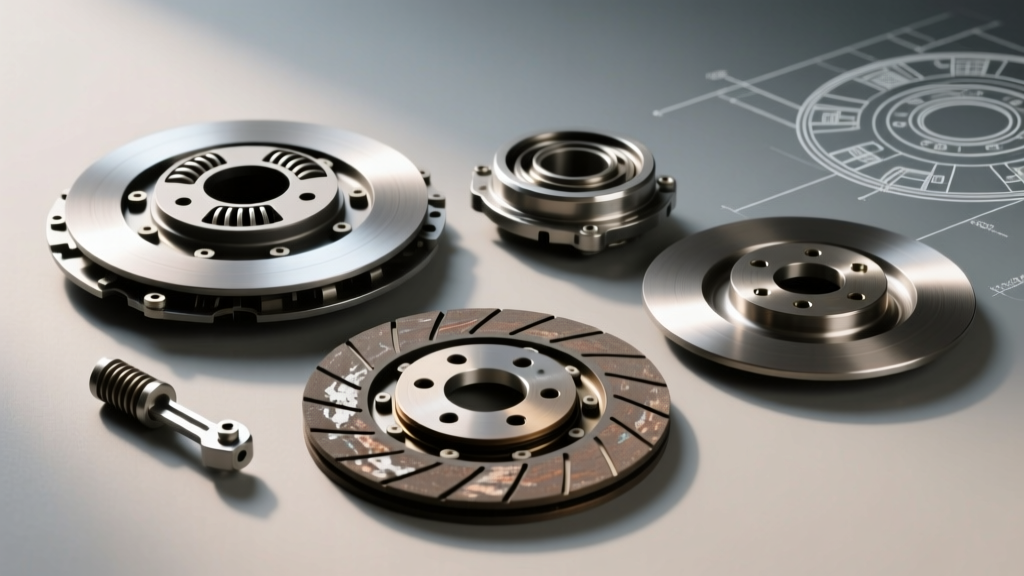
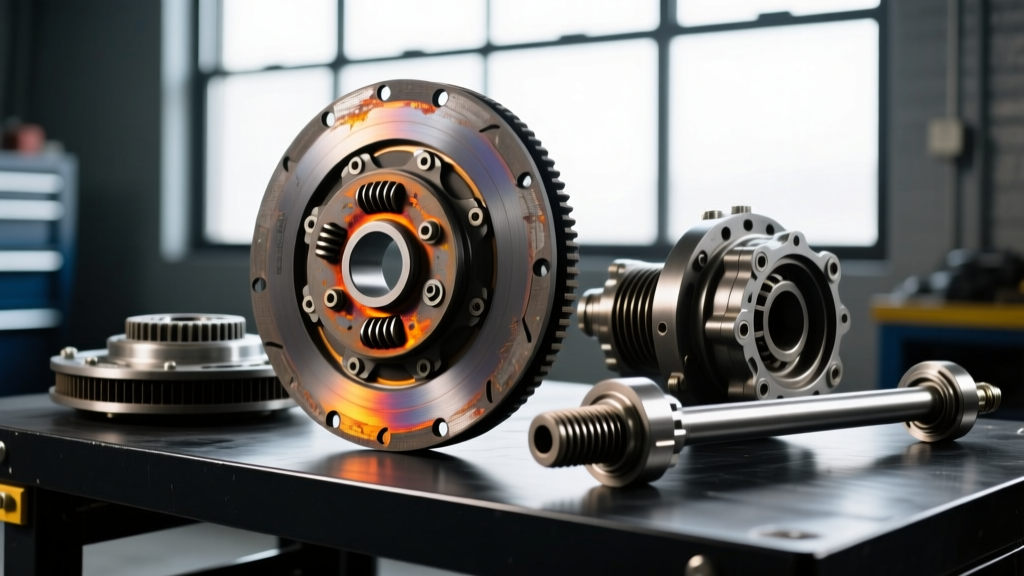
Many beginners enter the powersports world after turning wrenches on their daily drivers or heavy-duty pickups. When you study truck clutch components, you are typically looking at massive dry friction discs, hydraulic throw-out bearings, dual-mass flywheels, and heavy-duty pressure plates like those found in a LuK RepSet or a South Bend diesel upgrade. However, applying heavy-duty truck logic to a Yamaha YZ250 dirt bike or a Polaris Sportsman 850 ATV will lead to misdiagnosed problems, improper repairs, and destroyed transmissions.
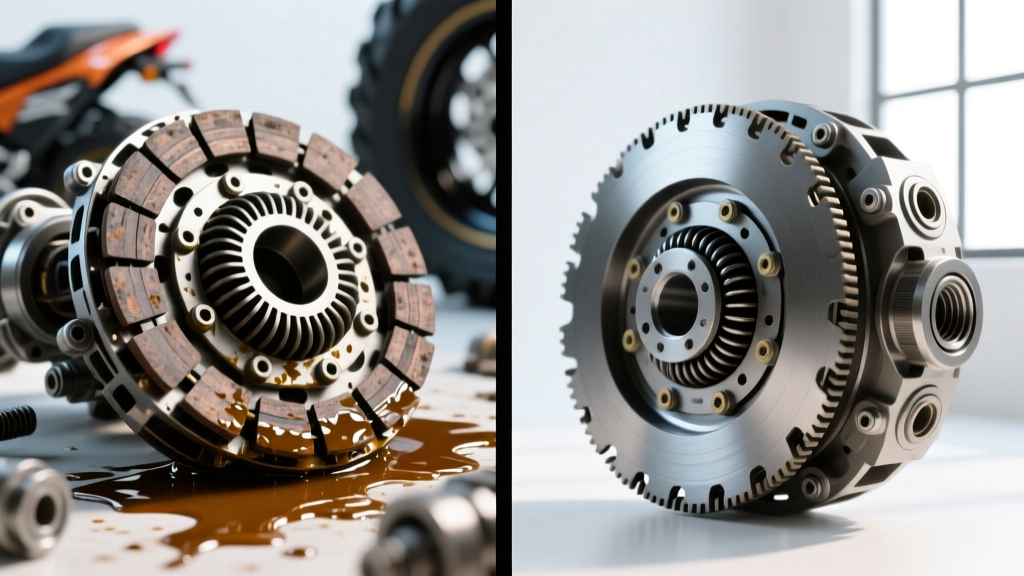
Motorcycle and ATV clutches are predominantly "wet," multi-plate systems that share an oil bath with the engine and transmission. In this beginner-friendly explainer, we will break down the unique clutch problems specific to motorcycles and ATVs, contrasting them with truck systems so you can accurately diagnose slipping, notching, and engagement issues in 2026.
The Fundamental Difference: Wet Multi-Plate vs. Dry Single-Plate
To understand powersports clutch problems, you must first understand the environment in which they operate. A standard truck clutch relies on a single, large dry friction disc clamped against a steel flywheel. If a truck clutch slips, it is usually due to oil contamination from a rear main seal leak, a glazed friction surface, or a failing pressure plate diaphragm spring.
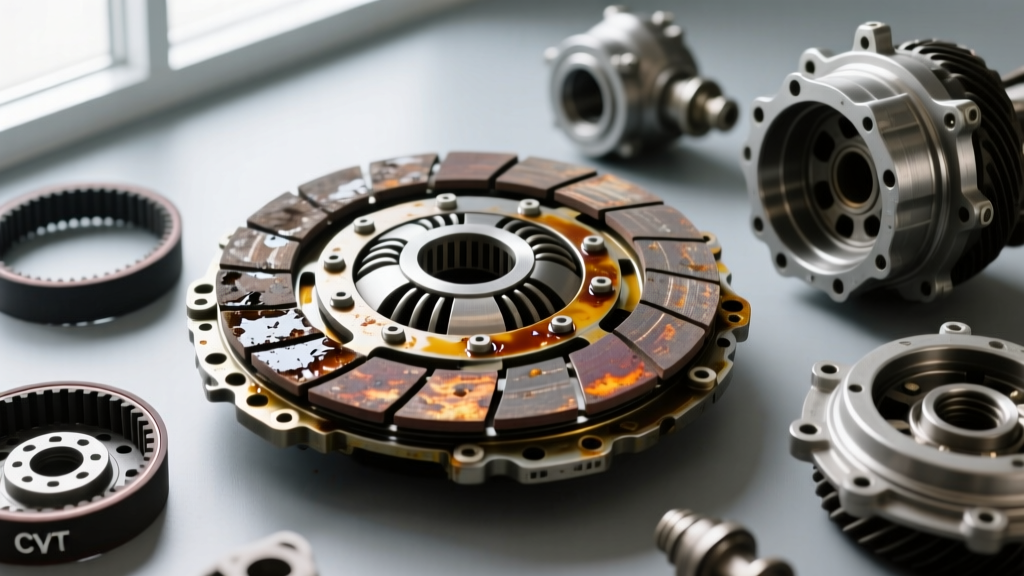
Conversely, motorcycles and ATVs use a stack of alternating fiber (friction) and steel plates housed inside a metal basket. Because this entire assembly is submerged in engine oil, the friction material is specifically designed to grip because of the oil's shear properties, not in spite of it.
The Oil Contamination Trap (Why Truck Oil Destroys ATV Clutches)
The most common beginner mistake is draining an ATV or motorcycle and refilling it with standard automotive or truck oil (e.g., API SP 5W-30). Modern truck and car oils contain friction modifiers—often molybdenum-based compounds—designed to reduce internal engine friction and improve fuel economy. When these modifiers coat the fiber plates of a wet motorcycle clutch, the clutch will slip violently under load. Always ensure you are using oil certified to the JASO MA or JASO MA2 standard, which guarantees the absence of friction modifiers that interfere with wet clutch engagement.
Common Motorcycle and ATV Clutch Problems (And How to Diagnose Them)
1. Clutch Basket Notching and "False Neutral"
The Symptom: You pull the clutch lever in at a stoplight, but the bike still creeps forward. When shifting, the transmission clunks loudly, or you struggle to find neutral while the engine is running (but it slips into neutral easily when the engine is off).
The Diagnosis: Unlike truck clutch components where the flywheel and pressure plate are relatively smooth, ATV and motorcycle fiber and steel plates have metal "tabs" that slide into the aluminum fingers of the clutch basket and steel hub. Over thousands of engagement cycles, the impact of the steel plates against the soft aluminum basket creates deep grooves, or "notches."
When notching occurs, the plates hang up in the grooves and fail to separate fully when you pull the lever. This causes clutch drag. Furthermore, the hanging plates prevent the transmission shafts from aligning properly, causing the infamous "false neutral" issue. If you run your fingernail across the basket fingers and it catches in a divot deeper than 0.5mm, the basket must be replaced or machined.
2. High-RPM Slipping Under Heavy Load
The Symptom: You are climbing a steep ATV trail or accelerating out of a corner on your motocross bike. The engine RPMs surge, but your forward momentum does not increase proportionally.
The Diagnosis: In a truck, slipping usually means the disc is worn down to the rivets. In a wet multi-plate system, slipping is usually a triad of three issues:
- Spring Fatigue: The coil springs that apply pressure to the plate stack lose their temper (anneal) from extreme heat cycles. A spring that should measure 51.0mm might compress to 47.0mm, losing critical clamping force.
- Fiber Plate Wear: The cork, Kevlar, or carbon-impregnated paper material wears down, reducing the overall stack height.
- Warped Steel Plates: Aggressive slipping (like feathering the clutch in deep mud) generates immense heat, warping the steel separator plates and reducing the surface area contact.
3. Mushy or Notchy Lever Feel
The Symptom: The clutch lever at the handlebar feels spongy, or it pulls with a distinct "ratcheting" sensation.
The Diagnosis: If you are dealing with a hydraulic clutch (common on modern KTM, Husqvarna, and high-end ATVs), a mushy lever usually indicates air in the hydraulic line or a failing master cylinder seal—very similar to a truck's hydraulic throw-out bearing system. However, if the lever feels notchy or gritty, the issue is mechanical. The clutch lifter bearing (a small needle bearing or ball bearing inside the clutch pushrod) is likely dry, pitted, or failing. This is unique to powersports and requires splitting the cases or pulling the pushrod to service.
Diagnostic Data: Powersports vs. Heavy-Duty Truck Clutch Components
To help visualize the differences in failure modes and architecture, review the comparison chart below:
| Feature | Motorcycle / ATV (Wet Multi-Plate) | Heavy-Duty Truck (Dry Single/Dual) |
|---|---|---|
| Operating Environment | Submerged in engine/transmission oil | Dry, enclosed bell housing |
| Primary Wear Item | Fiber plates & Aluminum Basket Fingers | Friction Disc Material & Flywheel Surface |
| Common Failure Mode | Basket notching, spring sag, oil contamination | Glazing, DMF spring failure, hydraulic leaks |
| Actuation Method | Cable, Direct Mechanical, or Small Hydraulic Piston | Heavy-duty Hydraulic or Pneumatic Assist |
| Average DIY Parts Cost | $90 - $350 (Plates, Springs, Gasket) | $400 - $1,200+ (Kit, Flywheel, Throw-out) |
The Bench-Measurement Protocol: Torque Specs and Clearances
When you pull the clutch cover off your motorcycle or ATV, do not simply swap parts and reassemble. Proper diagnosis requires a set of digital calipers and a micrometer. Here is a standard benchmark for a typical 250cc-450cc motocross or sport ATV engine (such as the Honda CRF450R or Yamaha YZ450F):
- Fiber Plate Thickness: Nominal 3.00mm. Service limit is typically 2.80mm. If the stack is below the manual's total stack-height specification, the clutch will slip regardless of spring tension.
- Steel Plate Runout: Place the steel plates on a known flat glass surface and use a feeler gauge. If warpage exceeds 0.10mm, the steels must be replaced.
- Spring Free Length: Nominal 51.00mm. Service limit is usually around 48.50mm. Never mix old and new springs.
Critical Torque Specifications
Reassembly requires precision. Overtightening can strip soft aluminum threads, while undertightening will result in the clutch center nut backing off and destroying the crankshaft keyway.
- Clutch Center Nut: Typically 54 to 60 lb-ft (73-81 Nm). You must use a dedicated clutch holding tool (like the Motion Pro 08-0411) to lock the basket in place. Do not use an impact wrench, as the shock loading can crack the internal hub.
- Pressure Plate Bolts: Typically 7 to 9 lb-ft (10-12 Nm). Always apply a medium-strength threadlocker (like Loctite 243) to these bolts, as the high-frequency vibration of a single-cylinder or V-twin engine will back them out over time.
Sourcing and 2026 Pricing Expectations
As of 2026, the aftermarket for powersports clutches is highly developed, offering solutions that vastly outperform OEM Polaris OEM Parts or Honda/Yamaha stock components.
- OEM Replacements: A standard OEM fiber and steel plate kit will cost between $120 and $180. This is adequate for trail riding and casual use.
- Aftermarket Friction Kits: Brands like EBC Brakes (specifically their CK Series or SRC Kevlar kits) and Dennis Kirk's in-house options offer superior bite and heat resistance for $90 to $150.
- Billet Baskets & Auto-Clutches: If your basket is deeply notched, you can upgrade to a CNC-machined billet aluminum basket from Hinson or Rekluse. These feature hard-anodized coatings that prevent notching entirely. Expect to pay $250 to $450 for a billet basket, and upwards of $800 for a Rekluse auto-clutch system, which uses centrifugal weighting to eliminate stalling on technical ATV trails.
Conclusion
Diagnosing clutch problems on motorcycles and ATVs requires a complete mental shift away from the heavy-duty truck clutch components you might be used to. By understanding the unique wet-clutch environment, respecting the JASO MA2 oil requirements, and carefully measuring basket notching and spring fatigue, you can restore your machine's drivetrain to factory-fresh performance. Grab your calipers, order the correct gasket, and tackle the repair with confidence.