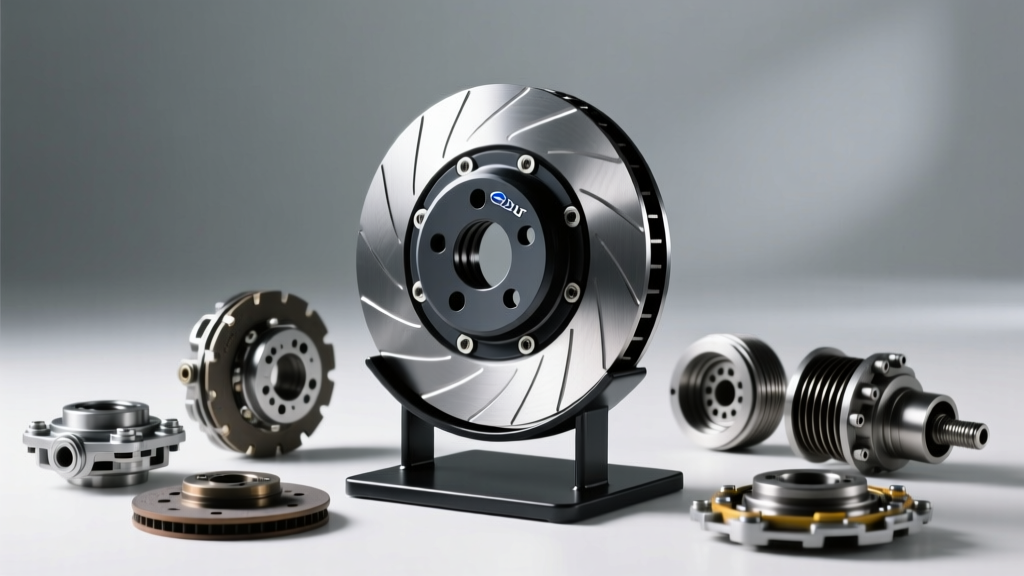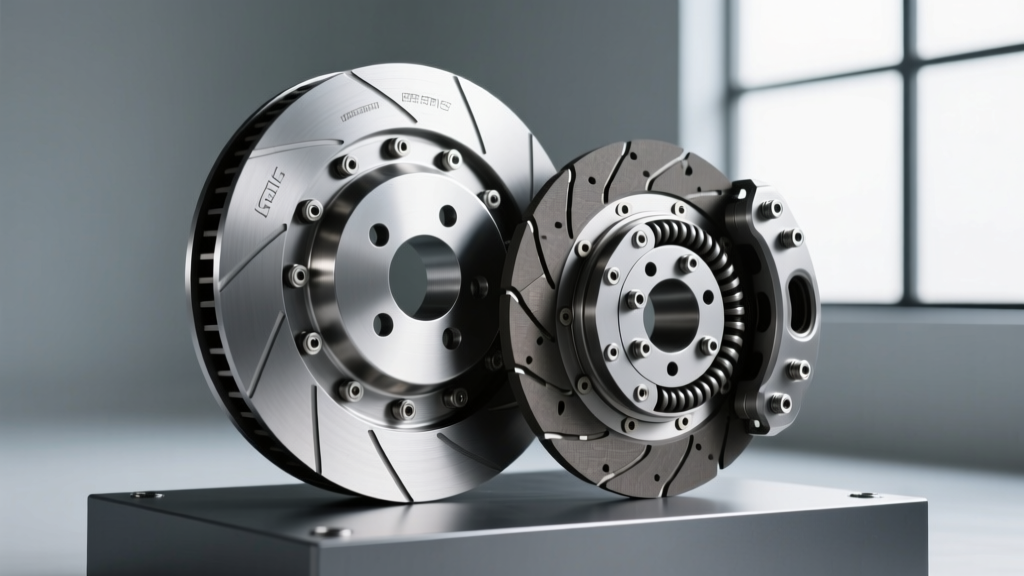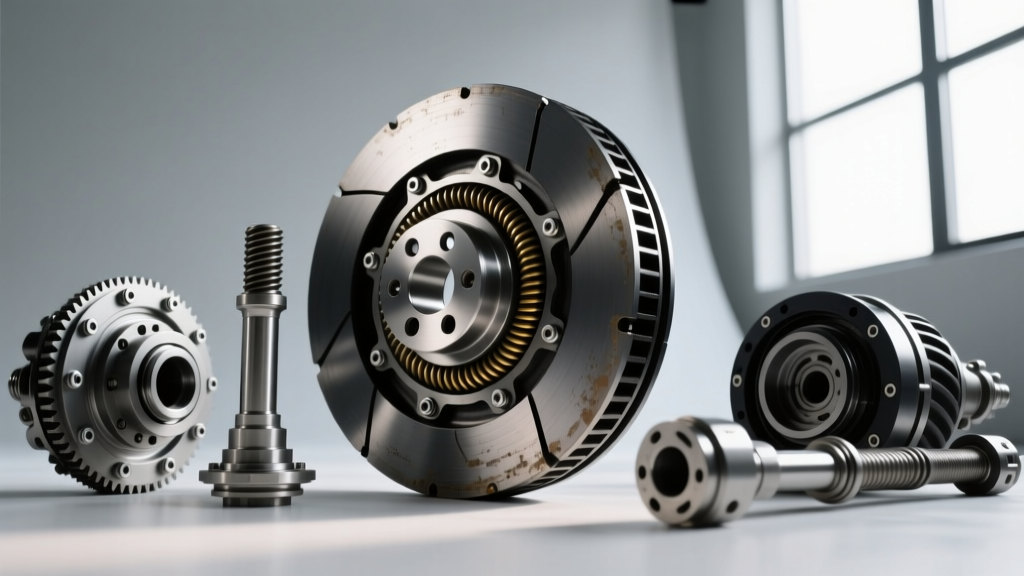
The Core Question: Do Automatic Transmissions Have a Flywheel?
When enthusiasts begin modifying their drivetrains or planning an engine swap, a common point of mechanical confusion arises: do automatic transmissions have a flywheel? The strict engineering answer is no. Automatic transmissions utilize a flexplate instead of a traditional flywheel. The flexplate is a thin, stamped steel ring that bolts to the engine's crankshaft and features a ring gear for the starter motor. However, unlike a manual flywheel, the flexplate does not provide a friction surface for a clutch, nor does it store significant rotational inertia.
In an automatic setup, the rotational mass and inertia requirements are handled by the torque converter, which bolts directly to the flexplate. The torque converter's heavy internal fluid and stator assembly provide the necessary momentum to keep the engine idling smoothly under load and multiply torque during initial acceleration. Conversely, manual transmissions rely on a heavy cast-iron or machined steel flywheel to store kinetic energy, smooth out the power pulses of the internal combustion engine, and provide a clamping surface for the clutch disc.
Understanding this distinction is critical when converting a vehicle from an automatic to a manual transmission, or when evaluating drivetrain inertia. For this model-specific repair guide, we are focusing on the legendary Mazda MX-5 Miata (specifically the 1.8L BP engine platform) to explore the profound benefits of shedding that manual rotational mass by upgrading to a lightweight flywheel.
Model-Specific Focus: Mazda Miata 1.8L (BP) Drivetrain Inertia
The Mazda Miata is the quintessential lightweight sports car. In a vehicle that weighs barely 2,400 lbs, parasitic drivetrain loss and rotational mass dictate the driving experience far more than peak horsepower. The stock OEM Mazda 1.8L cast-iron flywheel weighs approximately 20.5 lbs. While this heavy mass is excellent for daily driving smoothness and preventing stalls when a novice driver dumps the clutch, it acts as a massive rotational anchor for the engine's revving capabilities.
By swapping to a lightweight chromoly or billet aluminum flywheel, you fundamentally alter the engine's Moment of Inertia (MOI). The benefits of this modification on the BP 1.8L platform are transformative, bridging the gap between a street car and a dedicated track machine.
Real-World Lightweight Flywheel Benefits on the BP 1.8L
- Accelerated Throttle Response: With nearly 50% of the rotational mass removed from the crankshaft, the engine revs up and drops down significantly faster. This makes heel-toe downshifting and rev-matching incredibly precise.
- Reduced Parasitic Drag: The engine expends less energy spinning its own internal mass, transferring more of the BP 1.8L's modest 128-140 wheel horsepower directly to the rear wheels.
- Improved Chassis Balance: Shedding 10 lbs of rotating mass off the rear of the engine block lowers the polar moment of inertia, making the Miata feel even more eager to rotate into tight apexes.
Rotational Mass Breakdown: Stock vs. Lightweight
Below is a data-driven comparison of the most popular flywheel options for the 1994-2005 Mazda Miata 1.8L platform. Data sourced from manufacturer specifications and verified by Summit Racing Equipment dynamometer testing logs.
| Manufacturer / Part Number | Material | Weight | Estimated MOI Reduction | Average Price (USD) |
|---|---|---|---|---|
| OEM Mazda (BP4W-11-500) | Cast Iron | 20.5 lbs | Baseline | $280 - $320 |
| Exedy Lightweight (MZ03LW) | Chromoly Steel | 11.4 lbs | ~45% | $380 - $420 |
| ACT Streetlite (MZ012) | Forged Chromoly | 12.1 lbs | ~40% | $350 - $390 |
| OS Giken Super Lock | Billet Aluminum | 8.8 lbs | ~60% | $650 - $750 |
Expert Insight: For a street-driven Miata that sees occasional track days, the Exedy MZ03LW is the gold standard. It retains enough mass to prevent severe idle gear rattle while offering a massive bump in throttle response. Billet aluminum options (like OS Giken) are generally reserved for dedicated race cars due to extreme NVH (Noise, Vibration, and Harshness) and low-speed drivability issues.
Step-by-Step Installation & Critical Torque Specifications
Replacing the flywheel on a Miata BP 1.8L requires dropping the transmission. This involves removing the exhaust mid-pipe, driveshaft, starter, and bellhousing bolts. Once the transmission is out and the stock clutch is unbolted, the true precision work begins.
Preparation and Rear Main Seal Inspection
Before installing the new lightweight flywheel, you must inspect the rear main seal (RMS). The BP engine is notorious for RMS weeping. If there is any sign of oil sweating around the crankshaft flange, replace the seal now. A lightweight flywheel will not mask the vibration of an oil-soaked clutch disc. Additionally, clean the engine block mating surface and the crankshaft flange with brake cleaner to ensure zero contamination.
Critical Fastener Torques
Improper torque on flywheel and clutch hardware is a leading cause of catastrophic drivetrain failure. Always refer to the Miata.net Torque Specifications database for factory-verified numbers. For the 1.8L BP engine:
- Flywheel to Crankshaft Bolts: 71 - 81 lb-ft (96 - 110 Nm). Critical Step: Apply a medium-strength threadlocker (Loctite 243) to the bolt threads. Torque in a crisscross star pattern to ensure the flywheel seats perfectly flat against the crank flange.
- Clutch Pressure Plate to Flywheel: 25 - 32 lb-ft (34 - 43 Nm). Use a clutch alignment tool to center the friction disc. Tighten the pressure plate bolts gradually in a star pattern, one turn at a time, to avoid warping the diaphragm spring.
- Transmission Bellhousing to Engine Block: 46 - 61 lb-ft (62 - 83 Nm) for the large 17mm bolts; 32 - 45 lb-ft for the smaller 14mm bolts.
The Trade-Off: Understanding Lightweight Flywheel Gear Rattle
No modification is without compromise. When you ask if automatic transmissions have a flywheel, you are also inadvertently asking why automatics are so quiet at idle. The torque converter dampens engine pulses. In a manual car, the heavy stock flywheel acts as a harmonic damper.
When you install an 11 lb Exedy or ACT flywheel, you remove that dampening effect. At idle, with the clutch pedal out (engaged) and the transmission in neutral, the torsional vibrations from the engine's firing pulses travel through the clutch disc and into the transmission input shaft. Because the input shaft is no longer held under load, it bounces against the gear teeth, creating a distinct "marbles in a tin can" rattling sound. This is known as neutral gear rattle.
How to mitigate NVH: 1. Ensure your engine and transmission mounts are fresh. Worn mounts amplify chassis resonance. 2. Use a high-quality synthetic manual transmission fluid (like Red Line MT-90) which provides better gear cushioning than conventional fluids. 3. Understand that pressing the clutch pedal in will immediately silence the rattle, as it disconnects the engine from the transmission input shaft. This rattle is mechanically harmless, though acoustically annoying to the uninitiated.
Final Verdict for the Miata Builder
While automatic transmissions rely on fluid dynamics and heavy torque converters to manage inertia, the manual transmission driver has the unique ability to manually tune their drivetrain's rotational mass. For the Mazda Miata 1.8L, upgrading to a lightweight chromoly flywheel is arguably the most transformative "feel" modification you can perform. It requires strict adherence to torque specifications and a tolerance for idle gear rattle, but the reward is a telepathic connection between your right foot and the rear tires that no heavy, automatic flexplate setup could ever replicate.