The Acoustic Signature: Diagnosing Drivetrain Rattle
Manual transmissions in high-torque applications—ranging from VW TDI diesels to Ford PowerStroke trucks—rely heavily on the flywheel to dampen torsional vibrations before they reach the gearbox. When a low-RPM rattle, pedal pulsation, or shutdown clunk emerges, technicians and DIYers face a critical diagnostic crossroad. Do you replace the OEM dual mass setup, or pivot to a single mass conversion? Before ordering a complete clutch kit with flywheel, accurate symptom diagnosis is mandatory to avoid costly comebacks, misdiagnosed internal transmission damage, and severe NVH (Noise, Vibration, and Harshness) complaints.
In 2026, the aftermarket is flooded with both OEM-replacement Dual Mass Flywheels (DMF) and Single Mass Flywheel (SMF) conversion kits. Choosing the wrong assembly based on a misinterpreted noise will result in a vehicle that either vibrates violently at idle or destroys its input shaft bearings. Let us break down the acoustic and mechanical signatures of flywheel failure.
Identifying Dual Mass Flywheel (DMF) Collapse
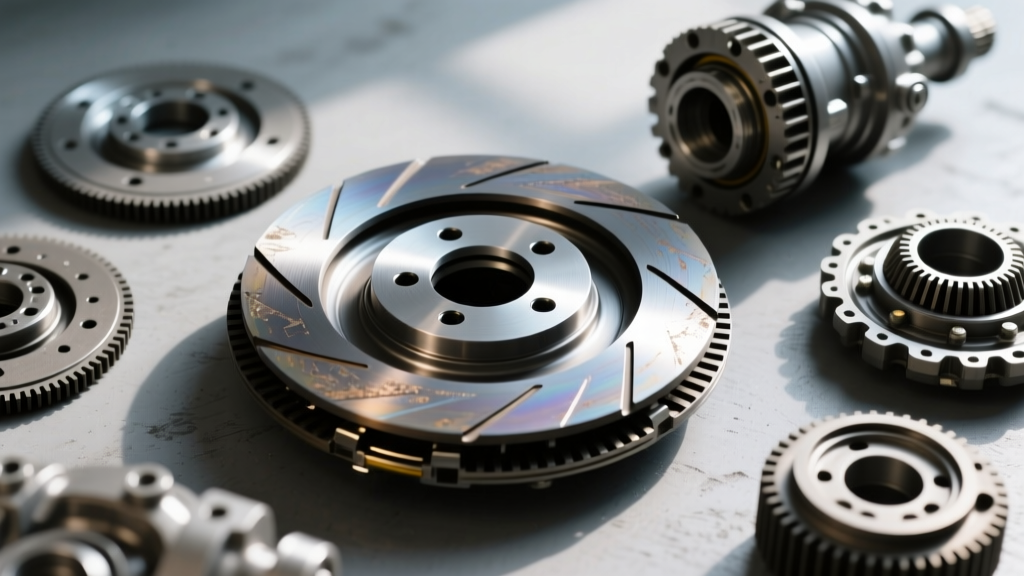
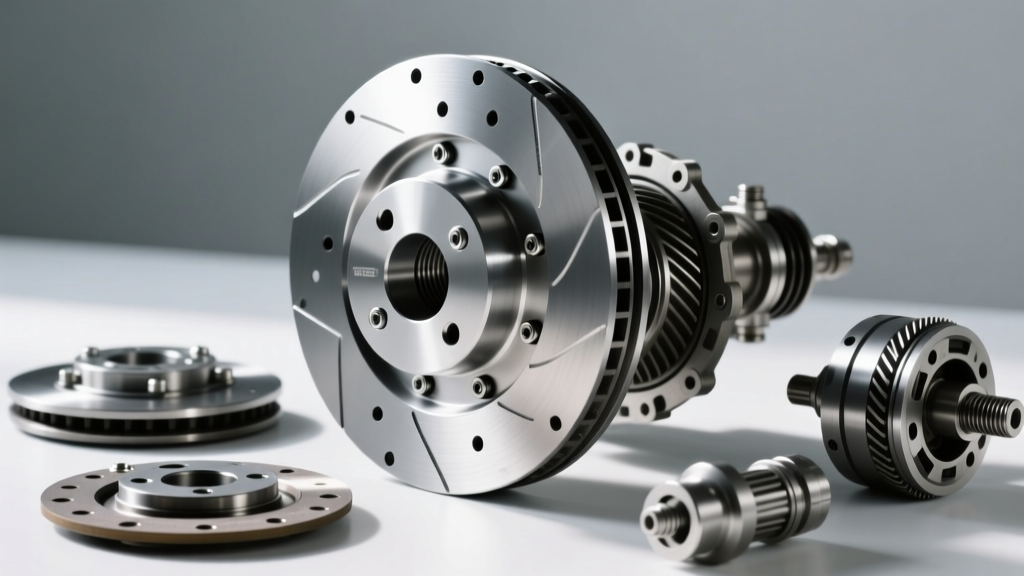
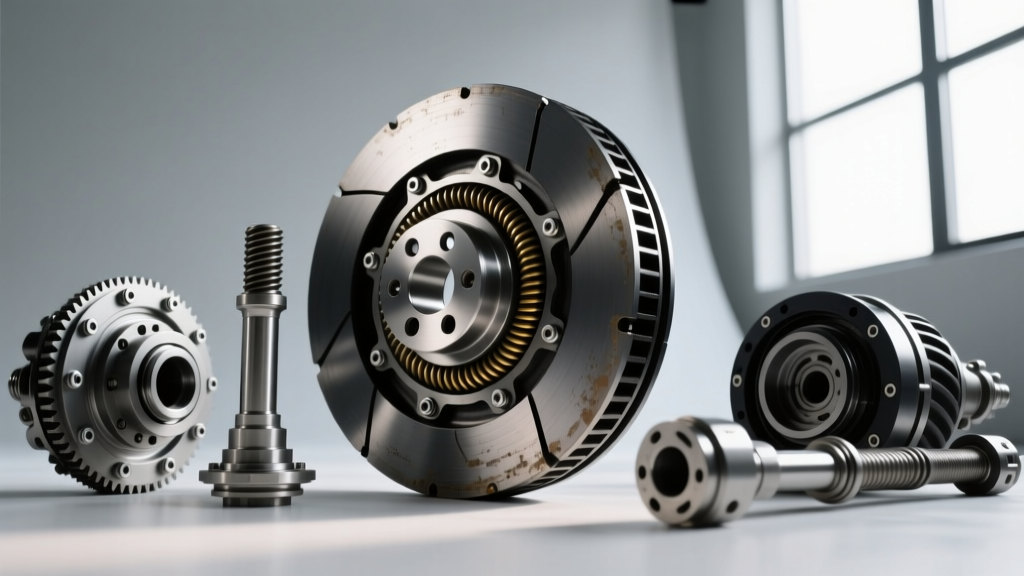
A DMF consists of a primary mass (bolted to the crankshaft) and a secondary mass (mated to the clutch pressure plate), separated by internal arc springs and a friction damping ring. According to engineering data from Schaeffler Aftermarket, the internal grease degrades over time due to extreme thermal cycling, leading to spring fatigue and eventual mechanical collapse.
Key DMF Failure Symptoms
- The Shutdown Clunk: When you turn off the engine, the primary mass stops instantly with the crankshaft, but the secondary mass continues to spin. If the internal damping springs are broken or the friction ring is worn out, the secondary mass slams against the primary mass stops, producing a loud, metallic "clunk" from the bellhousing.
- Light-Throttle Rattle (800–1,200 RPM): A failing DMF loses its ability to absorb engine firing pulses. This manifests as a distinct rattling or buzzing noise that peaks just off-idle and disappears when the engine is revved past 1,800 RPM or when the clutch pedal is fully depressed.
- Pedal Pulsation: As the DMF warps from excessive heat (often caused by a slipping clutch), the secondary mass develops axial runout. This transfers directly to the clutch diaphragm springs, causing a rhythmic pulsation in the clutch pedal during engagement.
Single Mass Flywheel (SMF) Conversion: Symptom Resolution or New Problem?
Many owners opt for an SMF conversion kit (such as those offered by Sachs or South Bend Clutch) to eliminate the recurring cost and failure points of the DMF. An SMF is a solid piece of machined steel. It cannot break internally, making it highly attractive for tuned, high-horsepower applications. However, swapping to an SMF fundamentally alters the NVH profile of the vehicle.
Troubleshooting Post-Conversion NVH
If a customer complains of "gear rattle" after an SMF conversion, it is rarely a defect in the new clutch kit with flywheel assembly. Instead, it is the acoustic reality of removing torsional damping. Without a DMF, engine firing pulses are transmitted directly through the solid flywheel into the transmission input shaft. This causes the unloaded gears inside the transmission to rattle against their shafts while idling in neutral. As noted in technical bulletins from ZF Aftermarket, this gear rattle is a normal characteristic of solid flywheel setups and does not indicate internal gearbox damage, though it frequently alarms drivers unfamiliar with the modification.
Diagnostic Matrix: DMF vs. SMF Failure Modes
Use the following matrix to isolate the root cause of drivetrain noise before tearing down the transmission.
| Symptom | RPM Range | Probable Cause | Verification Test |
|---|---|---|---|
| Metallic clunk on engine shutoff | 0 RPM (Shutdown) | DMF internal stop-pin failure or broken arc springs | Stethoscope on bellhousing during key-off; inspect for metal shavings in inspection cover. |
| Buzzing/rattling vibration | 800–1,200 RPM | DMF spring fatigue or worn friction ring | Load engine in 4th gear at 1,000 RPM (lugging); rattle will intensify if DMF is failing. |
| Neutral gear rattle (clutch engaged) | 700–900 RPM (Idle) | Normal SMF characteristic or worn transmission input shaft bearings | Depress clutch pedal; if noise vanishes instantly, it is SMF gear rattle. If noise persists, suspect input shaft bearing. |
| Chatter upon clutch engagement | 1,000–1,500 RPM | Hot-spotted SMF/DMF face, oil contamination, or warped pressure plate | Measure flywheel face runout with a dial indicator; inspect friction disc for glazing or oil intrusion. |
Precision Measurement & Torque Specs for Flywheel Replacement
Whether you are installing a replacement DMF or an SMF conversion, precision machining and strict torque adherence are non-negotiable. A common mistake is blaming a new clutch kit for vibrations that were actually caused by a warped crankshaft flange.
Runout Specifications
Before installing any flywheel, mount a dial indicator on the engine block and measure the crankshaft flange runout. The maximum allowable runout is typically 0.05mm (0.002"). If the crank flange is bent, no flywheel—single or dual mass—will operate smoothly. Once the flywheel is torqued down, measure the secondary mass (or SMF friction face) runout. For a DMF, axial runout on the secondary plate should not exceed 0.5mm (0.020") as per OEM tolerances. For an SMF, the limit is much stricter, generally 0.1mm (0.004").
Critical Torque Specifications
Always use new, OEM-grade flywheel bolts. Reusing stretch bolts will result in catastrophic failure under high-torque loads.
- VW 2.0L TDI (02Q 6-Speed, DMF): Flywheel-to-crankshaft bolts (M11) require a multi-stage torque sequence: 60 Nm (44 lb-ft) + 90 degrees + 90 degrees. Pressure plate to DMF: 25 Nm (18 lb-ft).
- Ford 6.0L PowerStroke (ZF S6-650, SMF Conversion): Solid flywheel-to-crankshaft bolts require 100 lb-ft (136 Nm). It is highly recommended to apply a medium-strength thread locker (e.g., Loctite 243) to the bolt threads to prevent backing out under heavy diesel vibration.
2026 Pricing & Part Sourcing Realities
The cost of manual transmission service has risen significantly. When budgeting for a clutch kit with flywheel, consider the following 2026 market averages for parts and labor:
- OEM-Style DMF Kit (e.g., LuK RepSet Pro): $950 – $1,400. Includes DMF, pressure plate, friction disc, release bearing, and often a Concentric Slave Cylinder (CSC).
- SMF Conversion Kit (e.g., Sachs Performance): $650 – $900. Includes solid flywheel, sprung-hub friction disc (to absorb some shock), and pressure plate.
- Machine Shop Resurfacing: SMFs can be resurfaced for $75 – $125. DMFs cannot be resurfaced due to the stepped height between the primary and secondary masses and the risk of altering the internal spring preload.
- Labor (FWD/AWD vs. RWD 4x4): Expect 5–7 hours for a FWD transverse setup ($750–$1,050) and 8–12 hours for a longitudinal 4x4 diesel application ($1,200–$1,800).
"Never diagnose a clutch failure without checking the flywheel's history. If a vehicle is on its third clutch but still has the original 180,000-mile DMF, the flywheel's internal dampers are guaranteed to be compromised. Selling the customer a friction kit without the flywheel is just setting a timer for their next breakdown." — Master Drivetrain Technician, AutogearNexus Contributor
Expert Verdict: Should You Convert or Replace OEM?
If the vehicle is a daily-driven commuter, a light-duty diesel, or operates frequently in stop-and-go traffic, retain the OEM DMF design. The acoustic comfort and driveline protection it offers are worth the premium price of the clutch kit with flywheel assembly. Source your parts from reputable manufacturers like LuK or Sachs, and verify authenticity via official OEM parts portals or certified distributors to avoid counterfeit units flooding the market.
However, if the vehicle is a dedicated tow rig, a tuned performance car exceeding 450 wheel-torque, or an off-road rig where field-repairability is paramount, an SMF conversion is the superior mechanical choice. Just ensure the customer is fully educated on the resulting idle gear rattle and cabin resonance before you turn the first wrench.