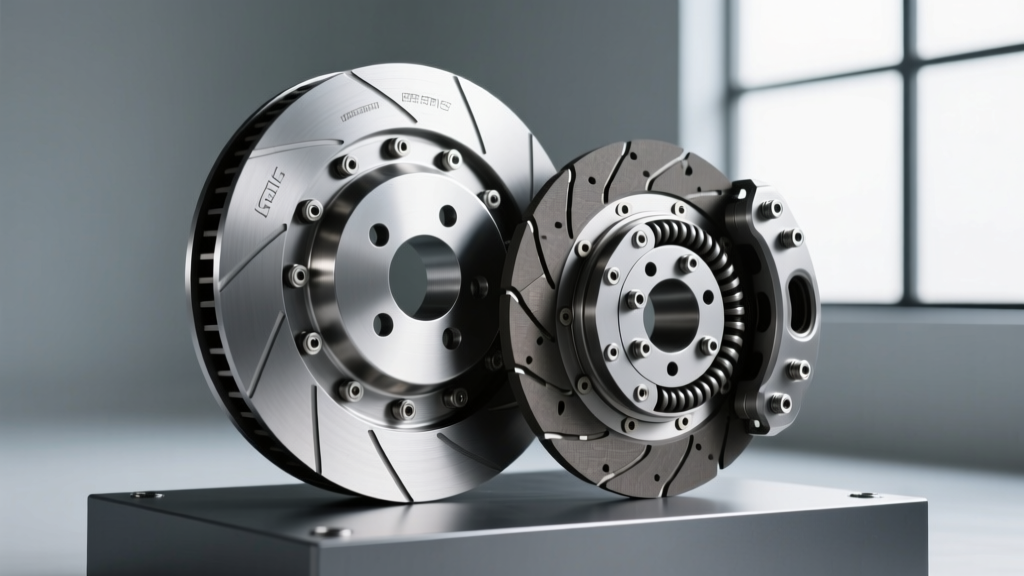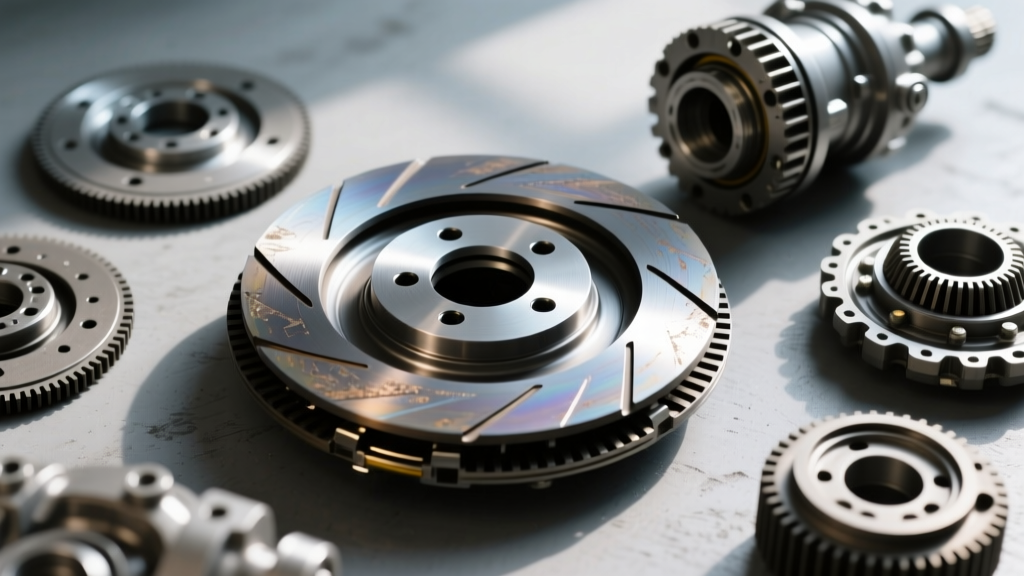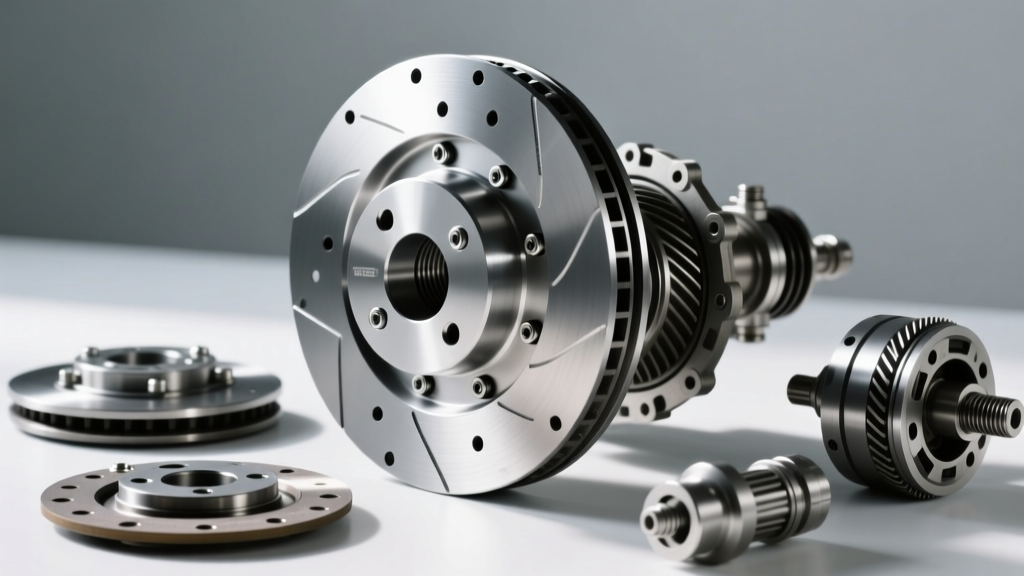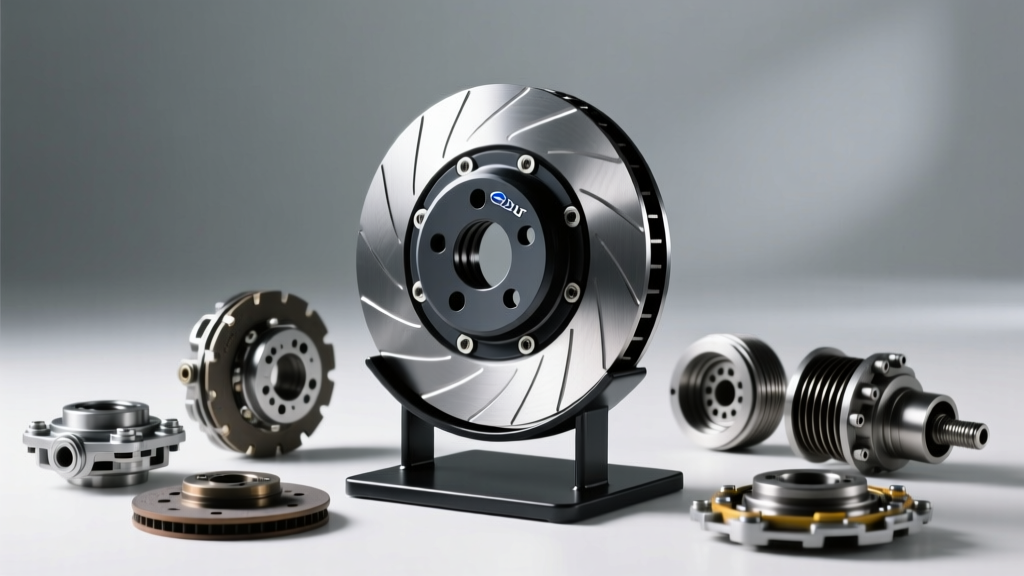
The FA20DIT Drivetrain: Why Flywheel Diagnostics Matter
As of 2026, the VA-chassis Subaru WRX is well into its second decade on the enthusiast market. While the FA20DIT direct-injection turbo engine and the robust TY856WW3MA 6-speed manual transmission are celebrated for their tuning potential, the interface between them—the flywheel and clutch assembly—is a notorious wear point. The OEM dual-mass flywheel (DMF) was engineered to dampen the harsh torsional vibrations inherent to direct-injection engines. However, increased horsepower, aggressive launch control, and simple age take a severe toll on this component.
Ignoring early flywheel problems and symptoms can lead to catastrophic transmission input shaft damage, premature pilot bearing failure, and destroyed clutch friction material. When the time comes to address these issues, simply swapping the friction disc is a band-aid solution. Sourcing a comprehensively matched 2015 WRX clutch kit with flywheel is the most reliable path to restoring drivability and protecting your drivetrain investment. Below, we break down the exact symptoms of flywheel failure and the expert best practices for replacement.
5 Critical Flywheel Problems and Symptoms in the VA Chassis
Diagnosing a failing flywheel requires isolating the noise and vibration from other drivetrain components like wheel bearings, CV axles, or the throw-out bearing. Here are the definitive symptoms of a compromised WRX flywheel.
1. Neutral Gear Rattle and Torsional Chatter
The most common complaint among VA-chassis owners is a distinct metallic clattering or rattling noise when the car is idling in neutral, which disappears the moment the clutch pedal is depressed. This occurs because the internal damping springs and friction plates inside the OEM DMF have fatigued, lost their grease, or suffered spring cup failure. When you press the clutch, you stop the transmission input shaft from spinning, halting the vibration transfer and silencing the rattle. If left unchecked, the internal springs can shatter, sending metal debris into the bellhousing.
2. Thermal Hot-Spotting and Pedal Pulsation
The FA20DIT produces immense low-end torque, which often tempts drivers into slipping the clutch during low-speed maneuvers or launching. This excessive friction generates localized heat exceeding 1,200°F on the cast-iron friction surface, creating hardened, bluish 'hot spots.' These uneven surfaces cause severe clutch chatter upon engagement and a distinct pedal pulsation that can be felt through the driver's foot and the firewall. According to Subaru Technical Information System (STIS), any visible bluing or heat checking on the DMF surface mandates immediate replacement, as resurfacing dual-mass flywheels is strictly prohibited by the manufacturer.
3. Excessive Radial Play and Ring Gear Grinding
A dual-mass flywheel consists of a primary mass (bolted to the crank) and a secondary mass (mated to the clutch) connected by a central bearing and spring assembly. Over time, the central bearing wears out, allowing the secondary mass to wobble radially. A key symptom of this is a grinding noise during engine cranking. The starter motor Bendix gear struggles to engage cleanly with the wobbling ring gear, leading to chewed teeth and eventual starter failure.
4. Drivetrain Clunking on Throttle Lift-Off
When you abruptly lift off the throttle, the drivetrain transitions from load to overrun. A healthy DMF absorbs this shock. A worn DMF with excessive rotational free-play in its center hub spline will produce a loud, metallic 'clunk' from the bellhousing area during these transitions, often accompanied by a jerky deceleration feel.
5. Clutch Fork and Pivot Ball Wear
While technically a symptom of the release system, a wobbling, worn DMF pushes unevenly against the pressure plate fingers. This erratic movement forces the clutch fork and pivot ball to work at irregular angles, accelerating wear on the fork pad and causing the pivot ball to fracture or wear through the bellhousing casting.
Diagnostic Matrix: Flywheel Failure vs. Drivetrain Noise
To avoid misdiagnosis, use this matrix to isolate the root cause of your NVH (Noise, Vibration, and Harshness) issues before ordering parts.
| Symptom | When It Occurs | Probable Root Cause | Verification Method |
|---|---|---|---|
| Metallic Rattle | Idling in Neutral | DMF Internal Spring Failure | Depress clutch; if noise stops, DMF is failing. |
| Pedal Pulsation | Clutch Engagement (1st gear) | Flywheel Hot-Spotting / Warping | Measure runout with dial indicator (Max 0.15mm). |
| Grinding on Start | Engine Cranking | Ring Gear Wear / Radial Play | Inspect ring gear teeth via inspection cover. |
| High-Pitch Squeal | Clutch Pedal Depressed | Throw-Out Bearing (Not Flywheel) | Apply light pressure to pedal; squeal indicates TOB. |
Single Mass vs. Dual Mass: Selecting Your Replacement
When replacing the OEM unit, you face a critical decision: stick with an OEM-style Dual Mass Flywheel (DMF) or convert to a Single Mass Flywheel (SMF). Enthusiasts tuning their FA20DIT beyond 350 WHP almost universally prefer SMF conversions due to their ability to handle extreme clamping loads without the risk of internal spring detonation.
However, SMF conversions introduce gear rattle (NVH) at idle because they lack the internal dampening mass to absorb the FA20's direct-injection combustion pulses. Below is a comparison of popular setups available for the 2015-2021 WRX.
| Setup Type | Part Number Example | Torque Capacity | NVH / Gear Rattle | Best Application |
|---|---|---|---|---|
| OEM Replacement DMF | Subaru 31200AA101 | ~280 lb-ft (OEM) | Very Low (Smooth) | Stock or Stage 1 daily drivers. |
| Lightweight SMF Conversion | Exedy SRC504 + Clutch Kit | Up to 450 lb-ft | Moderate (Idle Rattle) | Track cars, Stage 2/3 builds, autocross. |
| Heavy Duty SMF (Sprung Hub) | ACT SB11-HDSS Kit | Up to 530 lb-ft | Low-Moderate (Dampened) | High-torque street/strip, tuned daily drivers. |
For the majority of tuned street cars, a sprung-hub SMF setup like the ACT Heavy Duty clutch paired with a rigid chromoly flywheel offers the best compromise between torque capacity and street manners. According to drivetrain specialists on the NASIOC Transmission Forum, using an unsprung (rigid) hub disc on an SMF in a daily-driven WRX will result in unbearable cabin drone and transmission case wear.
Expert Installation Best Practices
Installing a 2015 WRX clutch kit with flywheel requires strict adherence to torque specifications and dimensional checks. The TY856WW3MA transmission is heavy and alignment is unforgiving.
Pro-Tip: Flywheel Step Height Measurement
Never assume a new flywheel is perfectly pre-set. You must measure the 'step height'—the distance between the friction surface and the pressure plate mounting surface. For most Subaru applications, the ideal step height is between 0.020" and 0.030" (0.50mm - 0.75mm). Use a machinist straight-edge and a feeler gauge. If the step height is incorrect, the clutch will either slip prematurely or fail to fully disengage, regardless of pedal adjustment.
Critical Torque Specifications (FA20DIT)
- Flywheel to Crankshaft Bolts: 69 lb-ft (94 Nm). Always use new OEM stretch bolts (Subaru PN 800210650) and apply a medium-strength thread locker. Tighten in a crisscross pattern in three progressive steps.
- Pressure Plate to Flywheel Bolts: 18 lb-ft (25 Nm). Tighten in a star pattern, one turn at a time, to prevent warping the pressure plate diaphragm springs.
- Transmission Bellhousing to Engine Block: 37 lb-ft (50 Nm) for the primary 12mm bolts.
- Clutch Fork Pivot Ball: 25 lb-ft (34 Nm). Apply a generous dab of high-temperature molybdenum grease to the pivot ball contact pad.
The Pilot Bearing Oversight
The FA20 uses a sealed needle-roller pilot bearing pressed into the rear of the crankshaft. When removing the old DMF, the pilot bearing is often destroyed. Never drive the new transmission input shaft into a dry or seized pilot bearing; you will crack the transmission input shaft housing. Use a dedicated pilot bearing puller, and freeze the new bearing overnight before pressing it in. Ensure it sits perfectly flush with the crankshaft flange.
Final Thoughts on Sourcing and Costs in 2026
The aftermarket support for the VA-chassis WRX remains incredibly strong. When budgeting for this repair, expect to spend between $600 and $900 for a high-quality SMF clutch and flywheel combo (like Exedy or ACT), while an OEM DMF replacement will cost upwards of $800 for the flywheel alone, plus another $300 for the OEM clutch kit.
Always verify your exact transmission code before ordering, as Subaru made subtle changes to the input shaft spline count and throw-out bearing collar dimensions between the 2015-2017 and 2018-2021 model years. Consult Exedy USA's fitment guides or your local dealership's parts desk with your VIN to guarantee a flawless installation. Addressing flywheel symptoms early with a matched, high-quality assembly is the ultimate defense for your WRX's drivetrain longevity.