The Architecture of Mazda's i-Activ AWD System
When evaluating modern crossover platforms, the integration of all-wheel drive (AWD) operation and long-term reliability is paramount. For Mazda owners and technicians, understanding the mechanical nuances of the i-Activ AWD system is critical, especially when navigating the complexities of a Mazda drivetrain warranty claim. Unlike traditional reactive AWD systems that wait for front-wheel slip before engaging the rear axle, Mazda’s i-Activ system utilizes a predictive, sensor-fusion approach to pre-load the rear driveline, optimizing traction and fuel efficiency simultaneously.
As of the 2026 model year, Mazda's Skyactiv-Drive platforms continue to rely on a sophisticated Power Take-Off (PTO) unit, a multi-piece propeller shaft, and an electronically controlled rear coupling. This technical deep-dive explores the exact operation of these components, the specific maintenance parameters required to keep them functional, and how Mazda's warranty framework applies to these critical drivetrain assets.
Predictive Torque Distribution and Sensor Fusion
The core differentiator of the i-Activ system is its reliance on an array of up to 27 distinct vehicle sensors. Rather than simply monitoring wheel speed differentials, the AWD control module ingests real-time data regarding steering angle, longitudinal and lateral G-forces, wiper status, and even ambient outside temperature. By calculating the coefficient of friction based on environmental inputs and driver torque requests, the system can command the rear coupling to engage before slip actually occurs.
This predictive operation reduces the parasitic drag associated with traditional hydraulic AWD systems. Because the system can operate in a near 100:0 (front-to-rear) torque split during steady-state highway cruising, mechanical losses in the PTO and driveshaft are minimized, preserving the fuel economy inherent to the Skyactiv-G and Skyactiv-X powertrains.
Mechanical Deep-Dive: PTO, Driveshaft, and Rear Coupling
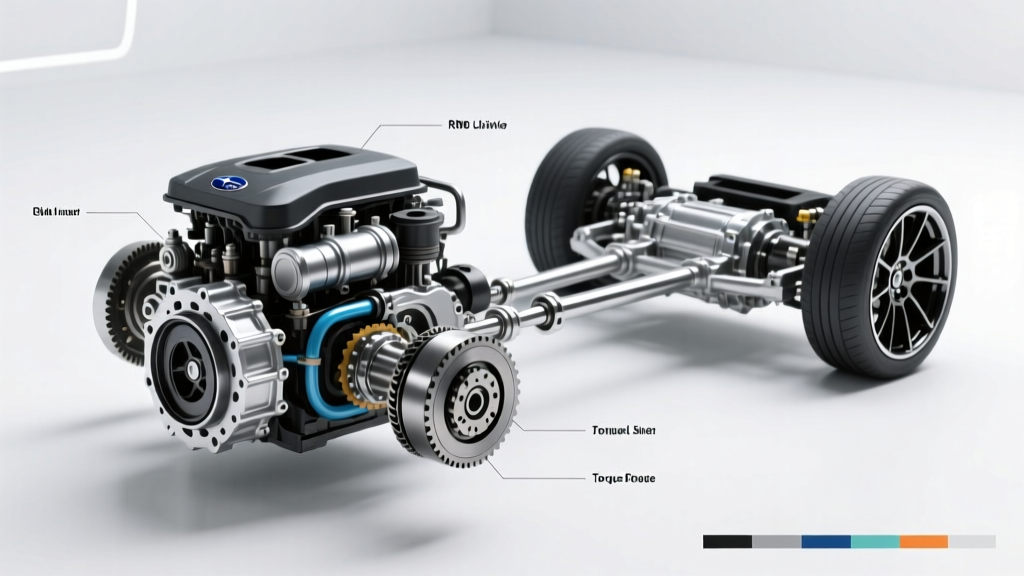
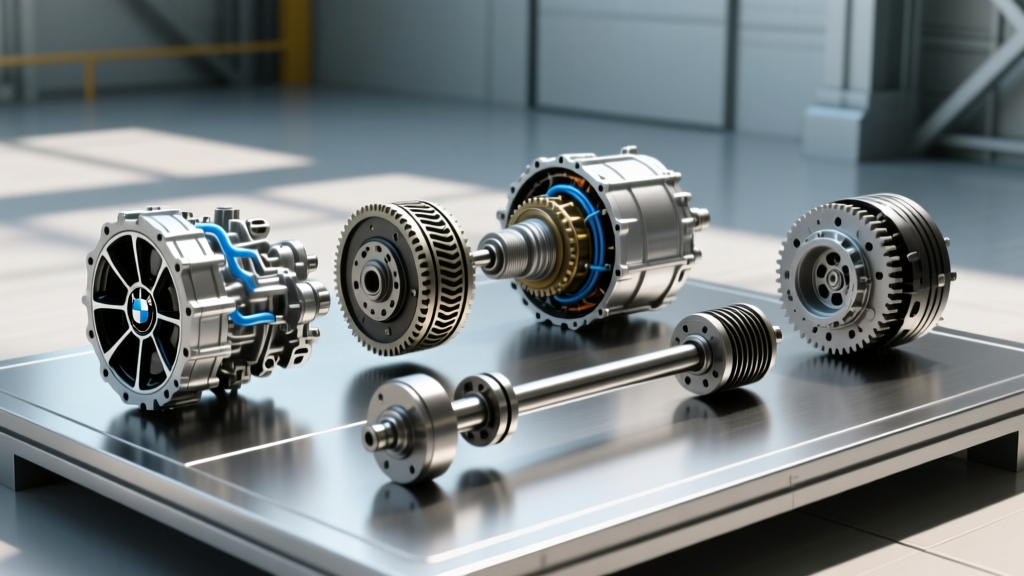
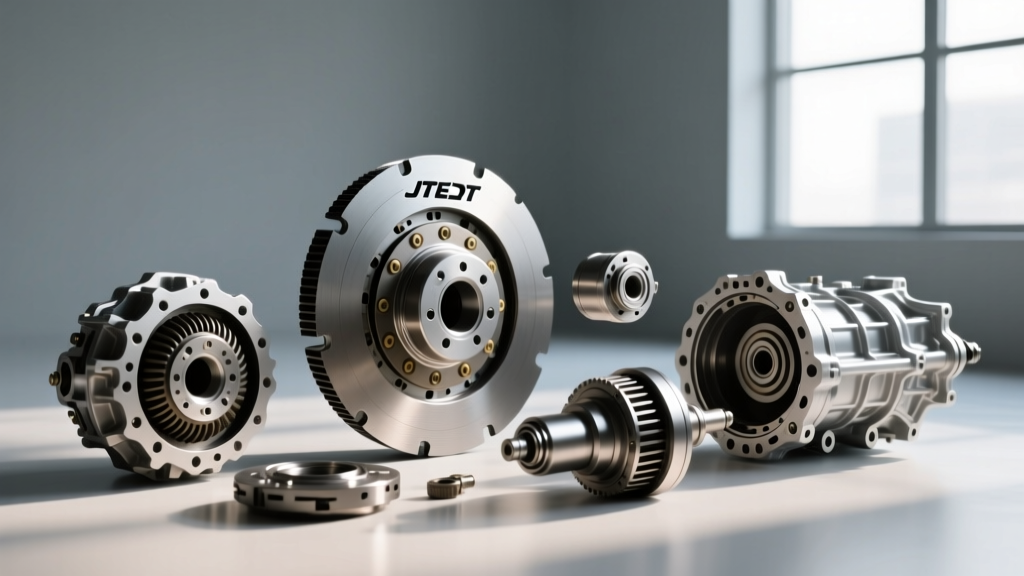
To understand what is covered under a Mazda drivetrain warranty, one must first understand the physical hardware. The i-Activ system is primarily sourced from JTEKT, a global leader in driveline components. The system comprises three main mechanical assemblies:
- Front Power Take-Off (PTO): Bolted directly to the Skyactiv-Drive transaxle, the PTO utilizes a hypoid gear set to redirect torque 90 degrees to the rear propeller shaft. It is lubricated by the transaxle's internal fluid network or a dedicated chamber, depending on the specific transmission generation.
- Propeller Shaft Assembly: Typically a two-piece or three-piece steel shaft featuring a center support bearing and high-durability Constant Velocity (CV) joints. The shaft is engineered with a specific torsional damping rate to absorb driveline shock during aggressive torque transfers.
- Rear Electronic Coupling & Differential: Housed within or immediately adjacent to the rear differential, the JTEKT coupling utilizes an electric motor and a precision ball-cam mechanism to actuate a multi-plate clutch pack. This eliminates the need for a high-pressure hydraulic pump, reducing weight and thermal degradation risks.
Component Specifications and Fluid Capacities
Proper fluid maintenance is the most common point of contention during warranty claims. Below are the baseline specifications for the widely used CX-5 / CX-50 AWD platforms:
| Component | Fluid Type | Capacity (Approx.) | OEM Part Number |
|---|---|---|---|
| Rear Differential / Coupling | Mazda Long Life Gear Oil G7 (75W-80) | 0.50 L | 830077992 |
| Front Transaxle (AWD Config) | Mazda ATF FZ | 7.8 L (Dry Fill) | 830077994 |
| Driveshaft Center Bearing | N/A (Sealed / Pre-lubricated) | N/A | KD53-25-310 |
Navigating the Mazda Drivetrain Warranty Coverage
A common point of confusion among owners is the distinction between a 'powertrain' and a 'drivetrain' warranty. According to the official Mazda USA warranty guidelines, Mazda does not offer a standalone 'drivetrain' policy; instead, drivetrain components are bundled into the comprehensive Powertrain Limited Warranty. This coverage extends for 60 months or 60,000 miles, whichever comes first.
What is Covered Under the Powertrain Limit?
Under this warranty framework, the AWD system is heavily protected. Covered components explicitly include the front transaxle, the PTO unit, the rear propeller shaft, the rear differential assembly, and the electronic coupling. If the JTEKT ball-cam mechanism suffers a premature internal failure, or if the PTO hypoid gears experience metallurgical fatigue under normal use, Mazda will cover the parts and labor for replacement.
Common AWD Failure Modes and Warranty Claim Rejections
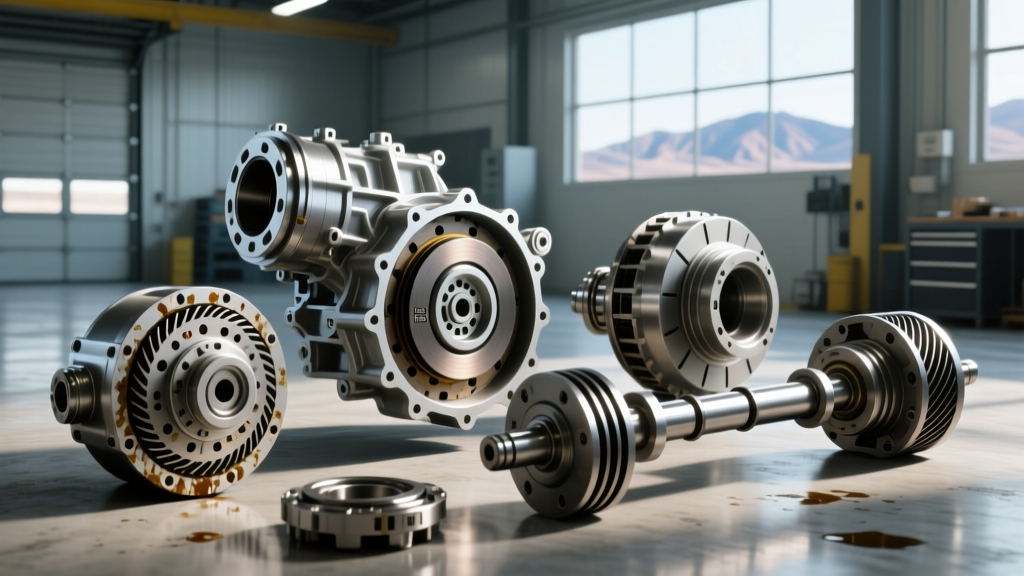
While the Mazda drivetrain warranty is robust, dealerships will reject claims if the failure is traced back to negligence or environmental damage. The most frequent AWD failure mode on the i-Activ system is rear coupling overheating and clutch pack glazing. This occurs when the specialized Long Life Gear Oil G7 degrades due to extreme towing loads, frequent deep-snow operation, or missed maintenance intervals.
If a technician pulls a diagnostic code indicating 'Coupling Overtemperature' and subsequent fluid analysis reveals burnt friction material or severe shearing of the G7 oil, the warranty claim will likely be denied. Furthermore, physical damage to the propeller shaft from road debris or improper lifting procedures (e.g., placing a hydraulic jack directly on the driveshaft rather than the designated chassis lift points) will void coverage for the affected components.
Diagnostics: Monitoring Coupling Health via OBD-II
For advanced DIYers and independent shop technicians, monitoring the health of the i-Activ system before a catastrophic failure occurs is possible via OBD-II PID logging. Using a bi-directional scan tool capable of accessing the Mazda AWD Control Module, technicians can monitor the Clutch Pack Wear Index and Coupling Temperature.
During normal operation, the coupling temperature should rarely exceed 90°C (194°F) even under moderate load. If the PID data consistently shows temperatures spiking above 110°C (230°F) during standard acceleration, it indicates that the multi-plate clutch is slipping excessively due to degraded fluid or worn friction surfaces. Catching this degradation early and performing a fluid exchange can save the $1,200 to $1,800 cost of a rear differential/coupling assembly replacement.
Preventative Maintenance: Torque Specs and Intervals
To ensure the longevity of the AWD system and maintain compliance with warranty requirements, strict adherence to fastener torque specifications is mandatory during any service or fluid exchange. Improper torque on the rear differential fill and drain plugs can lead to fluid starvation, while over-torquing the PTO bolts can warp the transaxle casing.
Critical Fastener Torque Specifications
- Rear Differential Fill/Drain Plug: 25 - 39 Nm (18 - 29 lb-ft). Always replace the crush washer (Part # 99564-1180) to prevent seepage.
- Propeller Shaft to Rear Diff Flange Bolts: 45 - 55 Nm (33 - 41 lb-ft). These must be tightened in a star pattern to prevent driveshaft imbalance and NVH (Noise, Vibration, and Harshness) issues.
- PTO to Transaxle Mounting Bolts: 35 - 45 Nm (26 - 33 lb-ft).
- Rear Differential Mounting Bushing Brackets: 75 - 95 Nm (55 - 70 lb-ft).
While Mazda officially categorizes the rear differential fluid under 'inspect' during standard scheduled maintenance, severe-duty operation (trailering, mountainous terrain, or sub-zero climates) dictates a drain and fill of the Long Life Gear Oil G7 every 30,000 miles. Adhering to this severe-duty schedule not only preserves the mechanical integrity of the JTEKT coupling but also provides the documented service history required to successfully defend a Mazda drivetrain warranty claim should an internal defect arise.