The Engineering of AWD: Surviving the Sierra Nevada
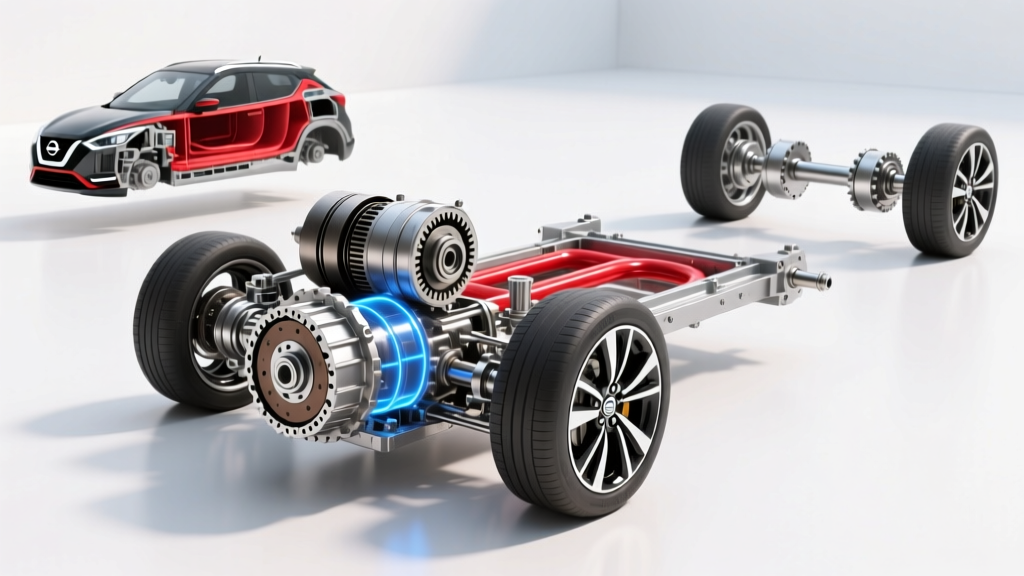
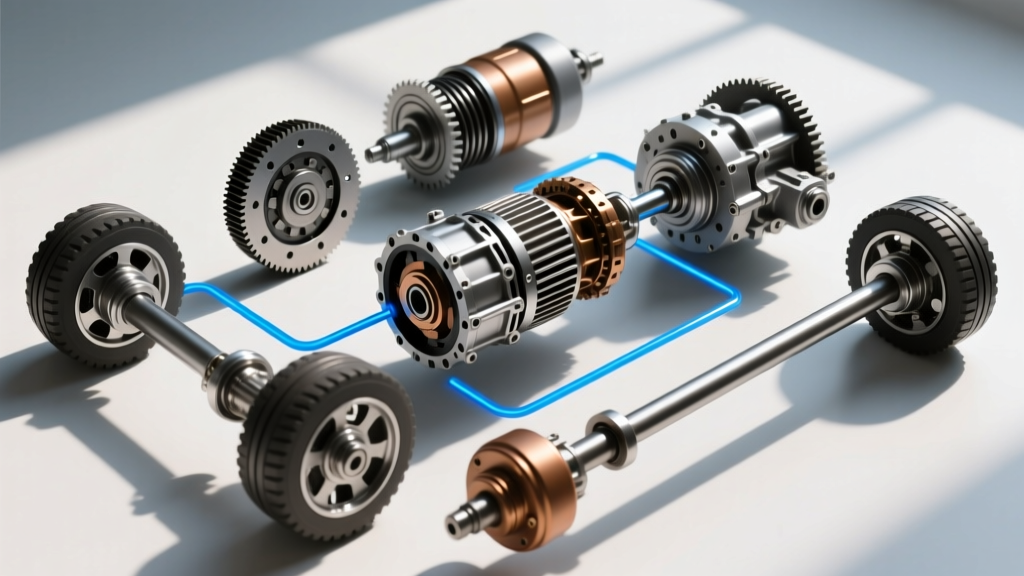
Operating an all-wheel-drive (AWD) vehicle in the high-altitude, steep-grade environment of Northern Nevada presents unique mechanical challenges. When evaluating the extreme mechanical stress placed on a drivetrain in Reno NV, engineers and technicians must account for high-altitude torque deficits, severe thermal cycling, and the sustained loads of climbing routes like NV-431 (Mt. Rose Highway) or I-80 over Donner Pass. Unlike part-time four-wheel-drive (4WD) systems that rely on a locked mechanical transfer case, modern AWD systems utilize complex torque-vectoring differentials, wet clutch packs, and planetary gear sets to dynamically distribute power. This technical deep-dive explores the exact operation, fluid dynamics, and maintenance specifications of the dominant AWD architectures encountered in today's automotive landscape.
Core AWD Architectures: Haldex, Torsen, and Active Clutches
To properly diagnose and maintain an AWD system, one must first understand the underlying torque-biasing mechanism. The market is currently dominated by three primary architectures, each with distinct operational characteristics and failure modes.
1. Haldex FWD-Biased Systems (Gen IV and Gen V)
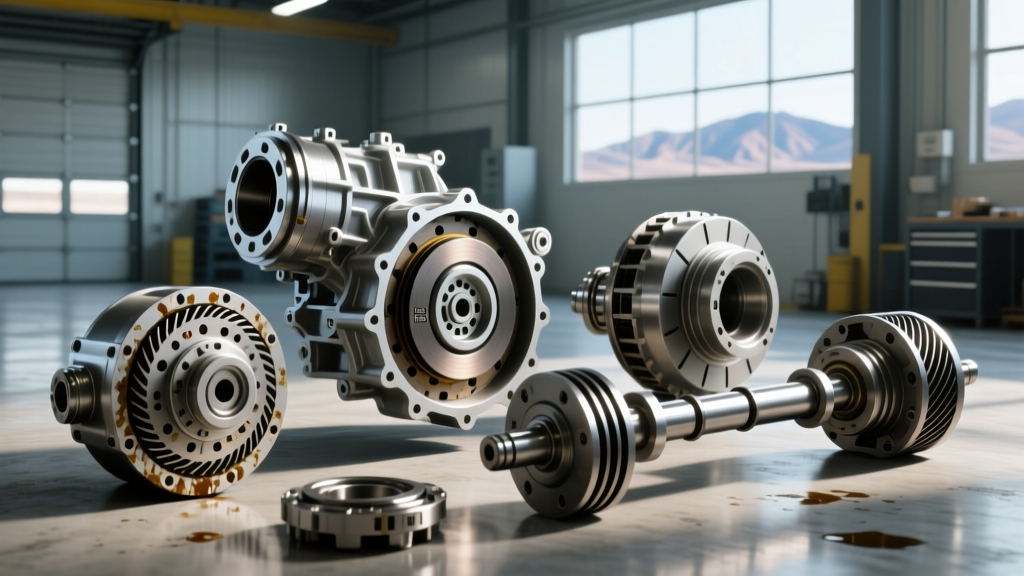
Found extensively in Volkswagen, Audi (transverse engines), and Volvo applications, the Haldex coupling operates on a front-wheel-drive bias. The Gen V system, introduced in the mid-2010s, eliminated the traditional hydraulic accumulator and pilot valve in favor of an electric centrifugal pump. When the ECU detects front axle slip, it modulates the electric pump to pressurize the multi-plate clutch pack, routing up to 100% of available rear axle torque. A critical failure point in the Gen V unit is the internal strainer. Unlike older generations with replaceable inline filters, the Gen V strainer (often requiring pump disassembly to access) catches clutch material and debris. If clogged, pump cavitation occurs, resulting in a complete loss of rear-wheel drive.
2. Torsen and Crown Gear Center Differentials
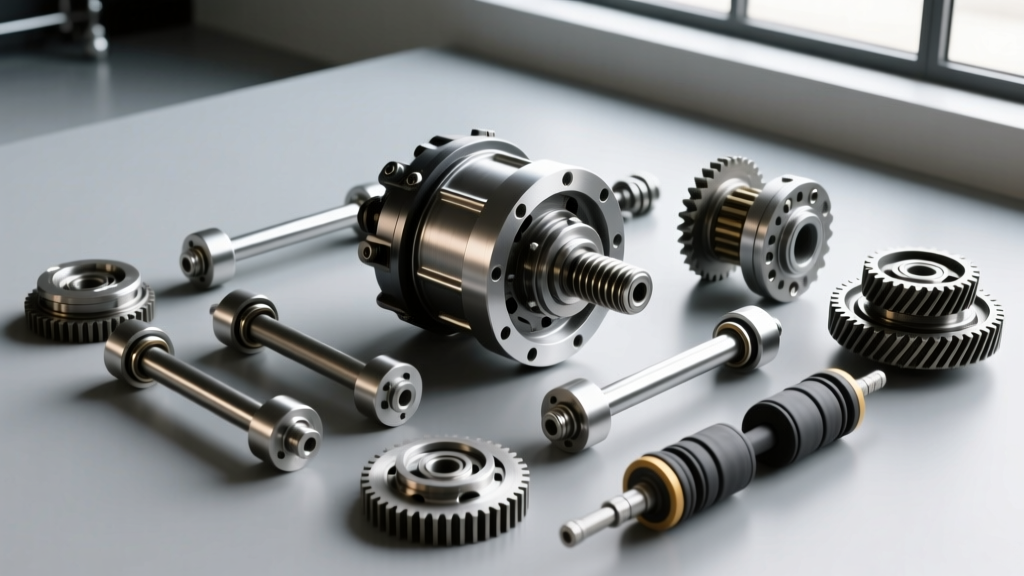
Utilized in longitudinal platforms (e.g., Audi Quattro with ZF manual/automatic transmissions, Subaru Symmetrical AWD manuals), the Torsen (Torque Sensing) differential relies on the physics of helical worm gears. It requires no electronic sensors, hydraulic pumps, or clutch packs to operate. Under normal conditions, torque is split 50/50. When a slip event occurs, the internal gear geometry creates a binding effect, yielding a Torque Bias Ratio (TBR) typically between 3:1 and 4:1. This means the axle with traction can receive up to 75-80% of the available torque purely through mechanical resistance. Because it is a true differential, if one axle is lifted entirely off the ground (zero resistance), an open Torsen diff will send all power to the lifted wheel unless the vehicle's ABS system applies brake-based torque vectoring to simulate resistance.
3. Active Torque Vectoring (BMW xDrive / SH-AWD)
BMW’s xDrive system utilizes a transfer case (commonly the ATC35L or ATC45L manufactured by ZF) mounted directly to the rear of the transmission. Inside, a wet multi-plate clutch pack is actuated by an electric motor driving a ball-ramp mechanism. As the motor turns, steel balls ride up a ramp, forcing a thrust plate against the clutch pack. This allows the ECU to infinitely vary the torque split from 0:100 to 50:50 in milliseconds, integrating directly with the DSC (Dynamic Stability Control) module to pre-emptively lock the drivetrain before slip occurs.
| System Type | Default Bias | Actuation Method | Max Rear Torque | Primary Failure Mode |
|---|---|---|---|---|
| Haldex Gen V | 95:5 (FWD) | Electric Centrifugal Pump | 100% | Strainer clogging / Pump motor burnout |
| Torsen Type B/C | 50:50 | Mechanical Helical Gears | ~80% (TBR limited) | Fluid shear / Gear tooth spalling |
| BMW xDrive (ATC) | 40:60 (RWD) | Electric Motor Ball-Ramp | 100% | Clutch pack glazing / Servo motor failure |
| Subaru Active C-Diff | 50:50 | Electronic Hydraulic Clutch | 100% | Transfer solenoid failure / Viscous fluid degradation |
Transfer Case Fluid Dynamics and Thermal Management
The steep 6-8% sustained grades surrounding Reno place immense thermal loads on transfer case fluids. In a wet-clutch AWD system, the fluid must not only lubricate bearings and chains but also provide precise frictional characteristics for the clutch pack while dissipating extreme heat.
Fluid Shear Stability on High-Altitude Grades
When climbing from Reno's 4,500 ft base elevation to the 8,900 ft summit of Mt. Rose, engine torque drops due to reduced air density, requiring the transmission and transfer case to operate at higher RPMs and increased clutch slip to maintain momentum. Standard hypoid gear oils will quickly shear out of grade in a Haldex or xDrive coupling. According to BorgWarner's engineering guidelines on AWD couplings, specialized friction-modified fluids are mandatory to prevent clutch chatter and thermal runaway.
- Haldex Gen V: Requires VAG G 060 175 A2 (or equivalent OEM fluid). Capacity is exceptionally low, typically between 600ml and 800ml depending on the exact housing. Overfilling will cause the centrifugal pump to aerate the fluid, leading to immediate pressure loss.
- BMW ATC35L / ATC45L: Requires Shell TF0870 (BMW Part # 83222446673). Capacity is approximately 0.6 Liters. Using standard ATF (like Dexron VI) will alter the friction coefficient of the clutch plates, resulting in aggressive binding during tight, low-speed parking maneuvers.
- Torsen / Open Center Diffs: Require 75W-85 or 75W-90 GL-5 Hypoid Gear Oil. Capacity ranges from 0.8L to 1.4L. Thermal breakdown here results in whining noises under load and eventual bearing failure.
Drivetrain Maintenance: Torque Specs and Service Intervals
Proper maintenance of an AWD drivetrain extends far beyond simple fluid swaps. The mechanical linkages connecting the transmission to the rear differential must be serviced with exact precision to prevent catastrophic failure under load.
Critical Fastener Torque Specifications
When servicing the driveshaft or replacing the Haldex coupling assembly, fasteners must be treated as single-use torque-to-yield (TTY) components. Below are standard baseline specifications for common transverse AWD platforms (always verify with OEM service manuals for specific model years):
- Haldex Driveshaft Flange Bolts (M10x1.25): 40 Nm + 90-degree turn. These secure the propeller shaft to the input flange. Under-torquing leads to flange wobble and destruction of the input shaft seal.
- CV Axle Spindle Nut (M27): 200 Nm + 180-degree turn. The front CV axles on AWD vehicles endure compounded torsional and steering loads. A loose spindle nut will destroy the wheel bearing and CV joint splines within 500 miles.
- Transfer Case Drain/Fill Plugs: Generally 35 Nm to 45 Nm. Always replace the copper or aluminum crush washers to prevent weeping, which can quickly lead to fluid starvation given the sub-1-liter capacities of modern active couplings.
- Center Support Bearing (2-piece driveshafts): 25 Nm. Ensure the bearing is clocked correctly to the factory paint marks to avoid driveline harmonic vibration at highway speeds.
Diagnosing Drivetrain Bind and Clutch Pack Wear
One of the most common, yet misdiagnosed, issues with AWD systems in cold-weather, high-altitude climates is drivetrain bind during low-speed turning. While often blamed on a failing transfer case, the root cause is frequently tire circumference variance.
Expert Diagnostic Rule: In active AWD systems like xDrive or Haldex, the wheel speed sensors feed data to the AWD ECU. If the rolling circumference of the front and rear tires varies by more than 2% (approximately 4/32' of an inch in tread depth difference), the ECU will interpret the axle speed delta as wheel slip. It will continuously command the transfer case clutch pack to engage, leading to rapid fluid degradation, clutch glazing, and eventual transfer case seizure.
When diagnosing a suspected transfer case failure, always begin by measuring the rolling circumference of all four tires using a tailor's tape measure around the exact center of the tread. If replacing a single damaged tire on an AWD vehicle with worn tread, the new tire must be 'shaved' to match the exact circumference of the remaining three tires. Failing to do so on a vehicle tackling the twisting, snowy switchbacks of the Sierra Nevada will guarantee a $2,500+ transfer case replacement within a few thousand miles.
Understanding the intricate balance of hydraulic pressures, mechanical gear geometry, and electronic modulation is essential for maintaining any AWD vehicle. Whether you are navigating the urban grid or pushing up the mountain passes, respecting the precise engineering of your drivetrain ensures reliability when traction is at a premium.