The Thermodynamics of Friction Material Degradation
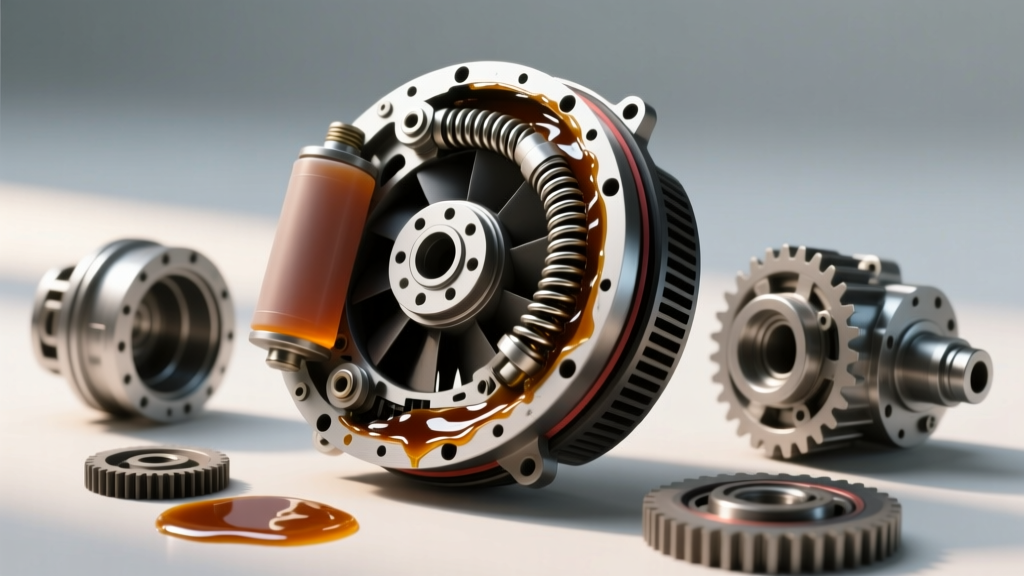
At the core of every manual transmission—from the venerable Honda K-Series 6-speed to the heavy-duty Tremec T-56 Magnum—lies a simple but thermally brutal reality: the clutch is a sacrificial friction interface. When enthusiasts and professionals alike research how to drive clutch-equipped vehicles for maximum longevity, the focus must shift from mere shift speed to thermal management. The friction disc, typically composed of organic compounds, Kevlar, or sintered iron, operates by converting kinetic energy into heat during the engagement phase. A standard organic friction disc (such as those found in a LuK RepSet) can withstand surface temperatures up to 400°F (204°C) before the resin binders begin to break down, leading to glazing. Once glazed, the coefficient of friction (μ) drops precipitously from a nominal 0.35 down to 0.15 or lower, resulting in the classic symptom of clutch slip under high-torque loads.
Decoding Driving Inputs and Wear Patterns
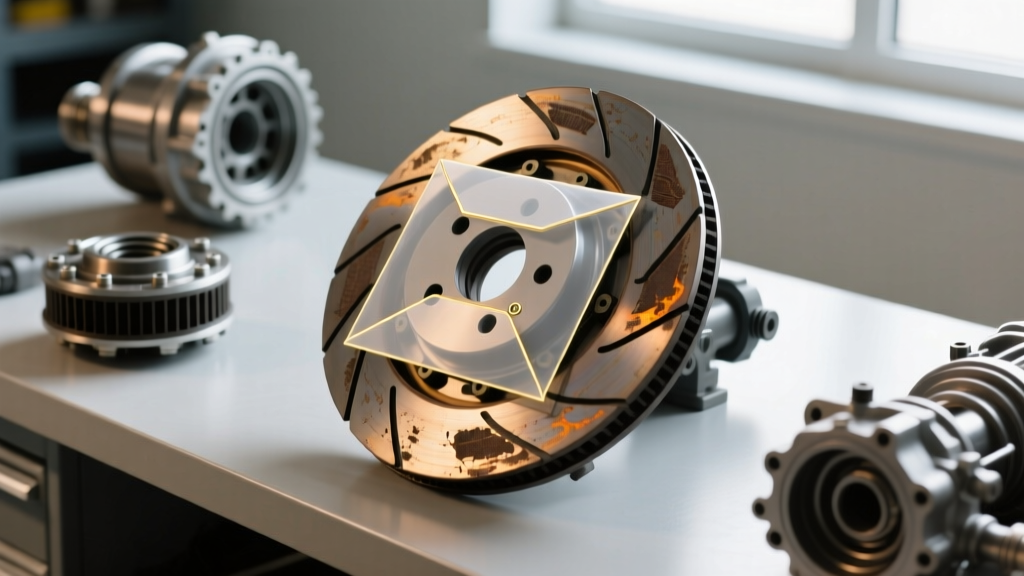
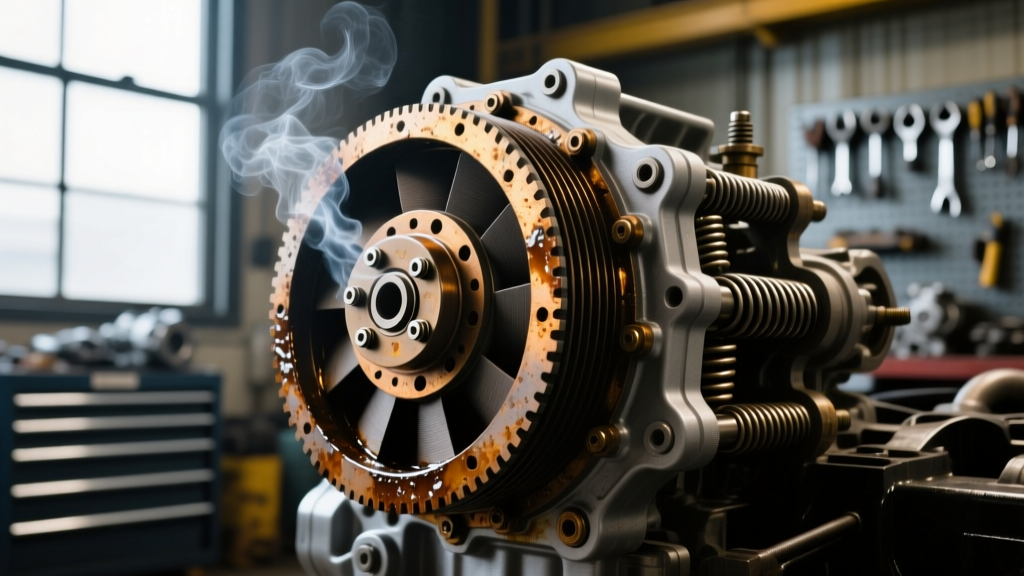
Understanding how to drive clutch systems without inducing premature wear requires analyzing the RPM delta between the engine and the transmission input shaft during engagement. The energy dissipated as heat is calculated by the integral of torque multiplied by the slip speed over time. 'Riding the clutch' at low RPMs generates sustained, low-grade heat that warps the pressure plate diaphragm springs over time. Conversely, aggressive, high-RPM launches (commonly seen in drag or track applications) generate instantaneous thermal shock. This shock can cause the friction material to chunk or marcel the springs (the wavy steel plate beneath the friction material) to collapse entirely. According to Exedy's technical documentation, a single severe over-heat event can reduce the remaining lifespan of an organic disc by up to 40%, baking the resins into a hard, glass-like surface that will chatter violently upon subsequent take-offs.
Quantitative Diagnostic Matrix: Measuring Lifespan Indicators
Visual inspection requires transmission removal, making predictive diagnostics critical for daily drivers and fleet managers. Below is the definitive 2026 diagnostic matrix for measuring clutch wear without dropping the bellhousing.
| Diagnostic Metric | Optimal / New Specification | Service Limit / Replacement Threshold | Primary Failure Mode Indicated |
|---|---|---|---|
| Pedal Free-Play | 25mm - 35mm (1.0 - 1.4 in) | < 10mm (0.4 in) | Release bearing pre-load; diaphragm spring fatigue |
| Friction Disc Thickness | 8.5mm - 9.5mm | < 2.0mm (measured at rivet depth) | Normal abrasive wear; impending rivet scoring |
| Engagement Bite Point | Mid-pedal (40-60% travel) | Top 10% of pedal travel (near firewall) | Severe disc wear or hydraulic master cylinder bypass |
| Clamp Load Retention | ~2,400 lbs (OEM spec) | Slip at > 65% of peak engine torque | Pressure plate thermal warping / spring sag |
| DMF Lateral Runout | < 0.5mm (0.020 in) | > 1.0mm (0.040 in) | Dual Mass Flywheel internal arc-spring failure |
Acoustic and Tactile Failure Modes
Diagnosing clutch wear signs extends deeply into NVH (Noise, Vibration, and Harshness) analysis. A failing clutch system communicates its status through specific acoustic frequencies and tactile feedback loops.
1. Throw-Out Bearing (TOB) Resonance
A high-pitched whine or metallic rasp that occurs only when the clutch pedal is depressed indicates a failing release bearing. In modern hydraulic setups utilizing a Concentric Slave Cylinder (CSC), the bearing is under constant light contact with the diaphragm fingers. If the CSC hydraulic circuit loses pressure or the internal PTFE liner degrades, the bearing will bind. Replacement of a CSC (e.g., GM part number 24264182 for LS applications) requires a full system bleed, as trapped air will cause erratic engagement and mimic the symptoms of a warped pressure plate.
2. Dual Mass Flywheel (DMF) Degradation
Many modern manual vehicles, particularly European diesels and high-torque applications like the Ford Mustang EcoBoost, utilize a DMF to isolate torsional crankshaft vibrations. A definitive wear sign of a failing DMF is a rhythmic 'clack-clack' rattle at idle that disappears when the clutch pedal is fully depressed. This occurs because the internal arc-springs have exceeded their cyclic fatigue limit and the primary/secondary mass plates are striking each other. According to Schaeffler (parent company of LuK and Sachs), a DMF exhibiting more than 1.0mm of lateral runout or excessive rotational free-play must be replaced; resurfacing a DMF is mechanically impossible and highly dangerous.
Economic Realities: 2026 Replacement Costs and Part Selection
When lifespan indicators confirm that replacement is necessary, the financial and mechanical scope of the job must be planned meticulously. In 2026, average dealership and specialized independent labor rates range from $150 to $220 per hour. A standard rear-wheel-drive clutch replacement requires 4.5 to 6.5 hours of book time, placing labor costs between $675 and $1,430.
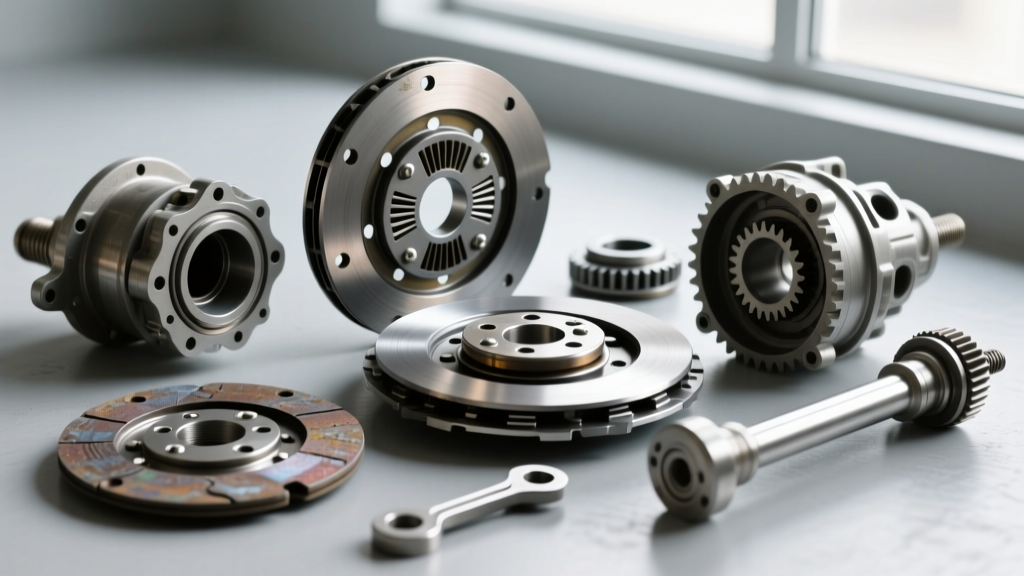
- OEM / Premium Aftermarket (LuK, Sachs, Aisin): $250 - $450 for a complete RepSet (Disc, Pressure Plate, TOB, Pilot Bearing). Best for daily drivers and factory-torque applications.
- Performance Stage 1 (Exedy, ACT): $450 - $800. Features heavy-duty diaphragm springs (increasing pedal effort by 15-25%) and high-temp organic or Kevlar compounds.
- Dual Mass to Single Mass (SMF) Conversions: $600 - $900. While controversial, converting to a solid SMF eliminates future DMF failures but increases gear rattle and drivetrain shock. Requires specific ECU tuning to prevent stalling at low RPMs.
Preventative Maintenance and Hydraulic Integrity
Often, what drivers perceive as clutch wear is actually hydraulic degradation. The clutch master cylinder and slave cylinder rely on DOT 3 or DOT 4 brake fluid, which is highly hygroscopic. Over a 3-year period, moisture contamination lowers the fluid's boiling point and causes internal corrosion of the slave cylinder bore. If the bite point of your clutch is migrating toward the floor, or if you experience 'sticky' pedal return in cold weather, the issue is likely hydraulic bypass, not friction material wear.
Expert Transmission Diagnostic Tip: Before condemning a clutch disc for slipping in 3rd or 4th gear, verify the pedal free-play at the master cylinder pushrod. If the pushrod is adjusted too tightly, or if the aftermarket pedal stop restricts full upward travel, the clutch master cylinder cannot fully return to its fluid-replenishment port. This creates a closed hydraulic loop that artificially pre-loads the release bearing, causing the clutch to slip under high boost or load, perfectly mimicking a worn-out friction disc.
Final Torque Specifications and Assembly Protocol
When replacing the assembly, strict adherence to torque sequences is non-negotiable to prevent pressure plate warping and subsequent chatter. For standard M8 pressure plate bolts, the specification is typically 22 to 26 lb-ft, tightened in a multi-pass star pattern to ensure even diaphragm loading. When mating the transmission to the engine block (such as the Tremec T-56 Magnum bellhousing), the bellhousing-to-block bolts must be torqued to 35 lb-ft, and the input shaft must be perfectly aligned using a dedicated alignment tool (not just a cheap plastic pilot). Misalignment of even 0.015 inches will cause premature wear on the transmission input shaft bearing and induce severe clutch chatter upon engagement.
Mastering how to drive clutch systems is ultimately about respecting the physical limits of the friction materials and hydraulic actuation. By monitoring pedal free-play, listening to NVH changes, and respecting thermal thresholds, manual transmission operators can reliably extract 80,000 to 120,000 miles from OEM friction components, even in high-performance applications.