The 'Burning Clutch' Misdiagnosis in Heavy-Duty Diesels
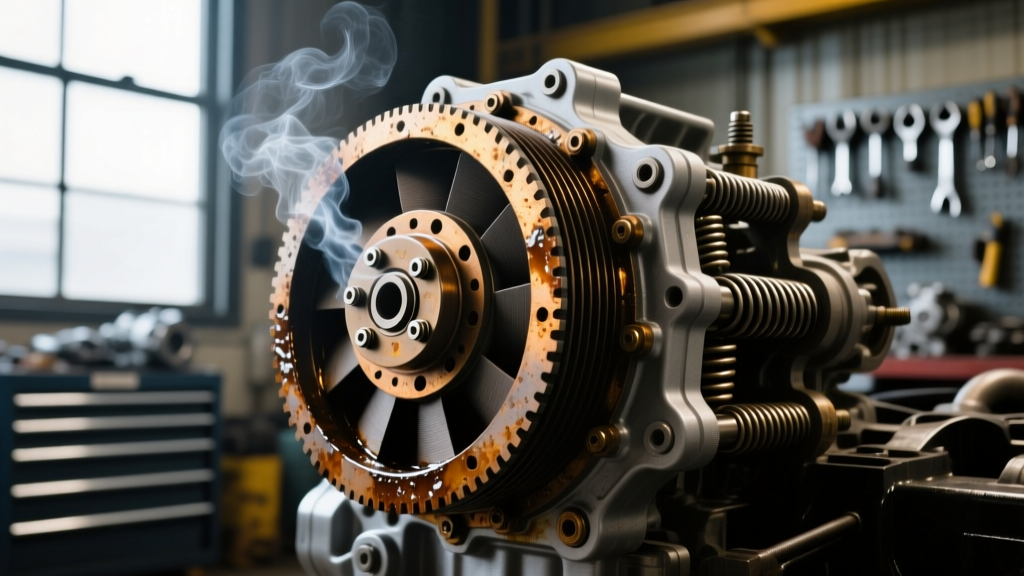
When a Kenworth T680 Next Gen or W990 operator detects a pungent, burning odor entering the cab via the HVAC system, the immediate assumption is almost always a slipping drive clutch. However, in modern heavy-duty diesel platforms equipped with PACCAR MX-13 or Cummins X15 engines, the culprit is frequently a failing engine cooling fan clutch. Because the fresh air intake for the cab HVAC system is located low on the cowl—directly in the path of the engine bay's thermal exhaust—a failing fan clutch can easily mimic the exact symptoms of a burning transmission clutch.
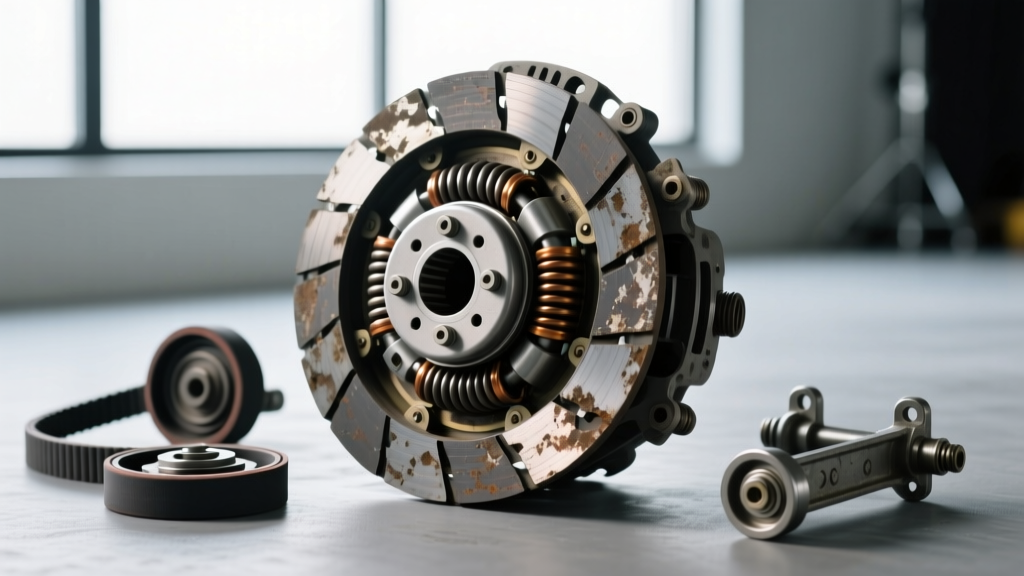
As we navigate the 2026 landscape of tighter aerodynamic cowlings and aggressive thermal management systems, understanding the mechanical link between your cooling system and drivetrain is critical. A seized or slipping fan clutch not only produces a distinct burning odor but also introduces massive parasitic drag on the engine. This parasitic drag forces the driver to over-rev and lug the engine, which can eventually cause the actual drive clutch (such as an Eaton Fuller Endurant HD automated manual or a manual 18-speed) to slip and burn. Accurate diagnosis saves thousands of dollars in unnecessary transmission teardowns.
Viscous vs. Electromagnetic: Identifying Your Kenworth Setup
Before diagnosing the smell, you must identify which fan clutch technology your Kenworth utilizes. The odor profile changes drastically depending on the failure mode of the specific unit.
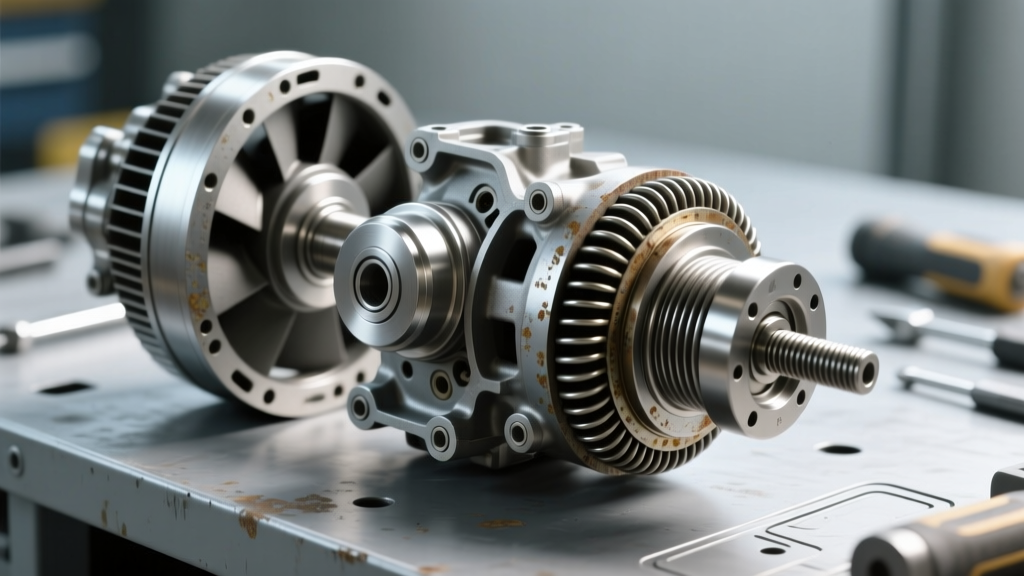
- Viscous (Thermal) Fan Clutches: Common on older W900s and T880s. These rely on a silicone-based viscous fluid shearing between precision-machined grooves. When the internal bimetallic strip fails or the shaft seal blows out, the silicone fluid leaks onto the hot exhaust manifold or turbocharger housing, producing a sweet, acrid, chemical burn smell.
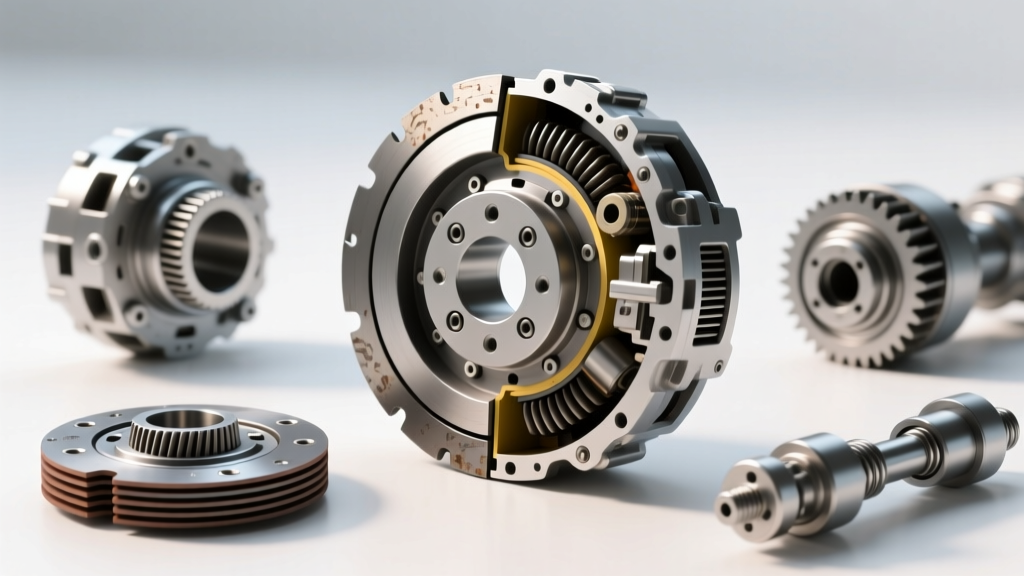
- Electromagnetic (EM) Fan Clutches: Standard on most 2024-2026 Kenworth models with MX-13 engines. These use an electrical solenoid and magnetic coil to engage the friction liner. If the coil shorts or the friction material glazes and slips, it produces a sharp, sulfuric odor that smells remarkably similar to burnt brake pads or a slipping drive clutch disc.
Step-by-Step Diagnostic Protocol for Kenworth Fan Clutches
To isolate the source of the burning smell, master technicians follow a strict elimination protocol. Do not drop the transmission until these engine-bay checks are completed.
Step 1: The Cold Spin & Drag Test
With the engine off and completely cold, attempt to spin the fan blade by hand. A healthy electromagnetic or viscous fan clutch will offer a specific amount of rotational resistance due to the fluid shear or magnetic detent. If the fan spins with zero resistance, the internal seal has failed and the fluid has burned off or leaked out. Conversely, if the fan is completely locked and cannot be turned by hand, the internal bearing has seized or the viscous fluid has permanently solidified due to extreme thermal degradation.
Step 2: Electrical Solenoid & Harness Testing
For EM fan clutches (like the Horton Advantage or Kysor systems), a burnt smell often originates from an overheated wiring harness or a shorted magnetic coil. Disconnect the fan clutch electrical harness and use a digital multimeter to measure the resistance across the solenoid pins.
- Set your multimeter to the Ohms (Ω) setting.
- Probe the two terminals on the fan clutch side of the connector.
- A healthy Horton EM coil should read between 11.5 and 14.5 ohms at room temperature.
- If the reading is near zero (short circuit) or infinite (open circuit), the internal coil has burned out, generating the smell and triggering the check engine light (e.g., SPN 791 FMI 3/4).
Step 3: Thermal Imaging & Fluid Leak Inspection
Use a FLIR thermal camera to scan the front of the engine after a 15-minute idle. Look for localized hot spots around the fan clutch hub. A failing viscous clutch will often sling burning silicone fluid in a radial pattern. Inspect the belly pan and the lower radiator shroud for a sticky, amber-colored residue. If present, the viscous seal is compromised.
'In 2026, with the amount of acoustic and thermal shielding packed into the T680 Next Gen engine bay, a minor fan clutch fluid leak will bake onto the EGR cooler and DPF lines, creating a severe burning smell that enters the cab long before the driver notices a drop in coolant or a spike in engine temperature.' — Senior PACCAR Drivetrain Diagnostic Specialist
Drive Clutch vs. Fan Clutch: Smell & Symptom Comparison
Use this diagnostic matrix to quickly differentiate between a failing engine fan clutch and a failing transmission drive clutch.
| Symptom / Characteristic | Failing Fan Clutch (Viscous/EM) | Slipping Drive Clutch (Transmission) |
|---|---|---|
| Odor Profile | Sweet/acrid (viscous) or sharp electrical/sulfur (EM coil) | Sulfuric, burnt asbestos, distinct brake-pad smell |
| When it Occurs | Idling, low-speed PTO, high ambient heat, stop-and-go | Launching from a stop, lugging uphill, heavy haul starts |
| RPM vs. Speed | Engine RPMs normal, excessive fan roar present | Engine RPMs flare without proportional vehicle acceleration |
| HVAC Impact | Smell aggressively enters cab via fresh air cowl intake | Smell rarely enters cab unless clutch housing is vented forward |
| Parasitic Effect | Engine feels sluggish, EGTs rise, fuel economy drops | Engine revs freely, loss of torque multiplication to wheels |
Replacement Costs, Part Numbers, and Torque Specifications
If your diagnostic tests confirm the fan clutch is the source of the burning smell, immediate replacement is required to prevent collateral damage to the water pump bearings and serpentine belt tensioner. Below are the standard specifications for common Kenworth heavy-duty platforms.
Common Part Numbers & Pricing (2026 Estimates)
- Horton Advantage EM Fan Clutch (PACCAR MX-13): Part #8300-00 Series. Retail cost ranges from $850 to $1,250.
- Kysor Viscous Fan Clutch (Cummins X15): Part #K1003053 or equivalent. Retail cost ranges from $600 to $900.
- Labor Time: 2.0 to 3.5 hours depending on cab configuration and radiator shroud removal. At a standard 2026 dealer rate of $165/hour, expect labor to add $330 to $577.
Compare this to a full Eaton Fuller drive clutch replacement, which typically requires an engine-out or transmission-drop procedure, costing between $3,500 and $5,500 in parts and labor. Proper diagnosis is a massive cost-saver.
Critical Torque Specifications
When installing a new fan clutch onto the Kenworth engine hub, adhering to precise torque specs is vital to prevent harmonic vibration and premature bearing failure.
- Fan Hub to Crankshaft Pilot (M16 Bolt): 185 - 205 lb-ft (Apply medium-strength threadlocker).
- Fan Clutch to Hub Mounting Bolts (M10 x 1.5): 35 - 45 lb-ft in a star pattern.
- Fan Blade to Clutch Face (M8 Bolts): 18 - 22 lb-ft.
Always consult the specific Kenworth service manual or PACCAR technical bulletins for your exact VIN build, as torque values can vary slightly between the MX-13 and MX-11 platforms.
Preventative Maintenance to Avoid Parasitic Drag
To prevent future fan clutch failures and the associated burning smells, integrate the cooling system into your standard PM (Preventative Maintenance) schedule. Every 50,000 miles, inspect the fan clutch electrical harness for chafing against the radiator shroud—a common issue on T680s that leads to shorted coils and burnt wiring smells. Additionally, check the fan blade for micro-cracks and ensure the fan clutch mounting face is free of debris. For more in-depth troubleshooting on heavy-duty cooling systems, reference the engineering guidelines provided by Horton Inc., a leading OEM supplier for commercial vehicle thermal management.
By understanding the distinct olfactory and mechanical signatures of a failing fan clutch, owner-operators and fleet technicians can avoid the costly mistake of misdiagnosing a cooling system failure as a catastrophic transmission clutch burn.