The 2026 E-Commerce Parts Trap: Axle Upgrades vs. Emissions Sensors
For DIY mechanics and fleet managers navigating the modern automotive aftermarket, searching for 'differential' parts online has become a minefield of algorithmic confusion. When you set out to upgrade your rear axle or perform routine drivetrain maintenance, e-commerce search engines frequently cross-pollinate mechanical axle components with emissions sensors. The most common culprit? The differential pressure transducer.
This comprehensive buyer's guide and technical comparison will break down the mechanical realities of limited slip vs. open differentials, outline precise gear oil specifications, and explicitly define what a differential pressure transducer actually is—ensuring you never accidentally add a $150 diesel emissions sensor to your cart when you actually need a differential rebuild kit or 75W-90 synthetic gear oil.
Open vs. Limited Slip Differential (LSD): Mechanical Breakdown
The core purpose of any axle differential is to allow the left and right drive wheels to rotate at different speeds while cornering. However, how they manage torque distribution under load defines their performance category.
The Open Differential Baseline
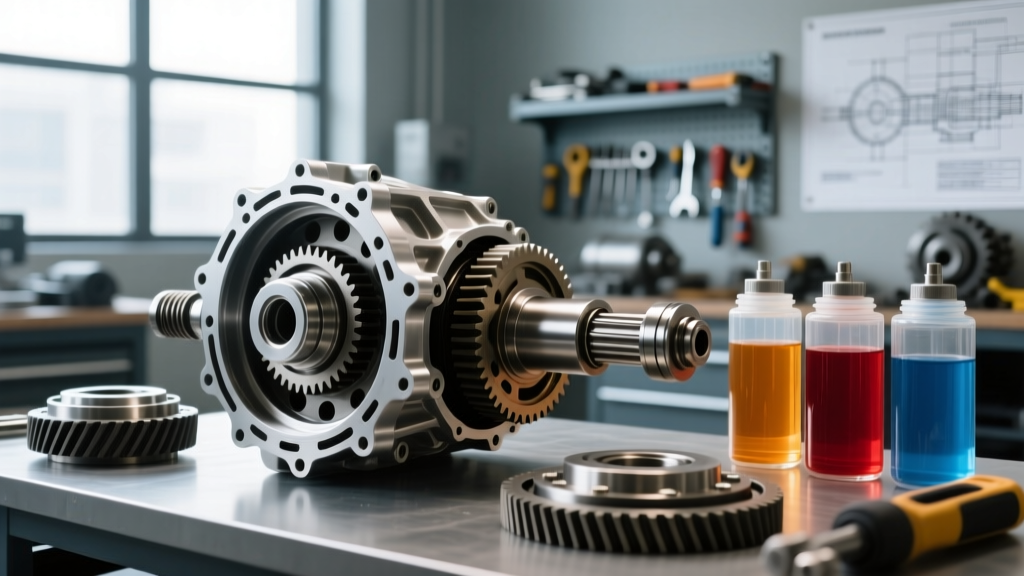
The open differential is the factory standard for most base-model trucks, SUVs, and passenger cars. Internally, it relies on a simple spider gear and side gear arrangement. Torque follows the path of least resistance. If your left rear tire hits a patch of ice or lifts off the ground during aggressive cornering, the open differential sends 100% of the rotational force to the slipping wheel, leaving the vehicle stranded or unable to accelerate out of a turn.
- Best Application: Highway cruising, standard commuting, and dry-pavement driving.
- Fluid Requirement: Standard API GL-5 75W-90 or 80W-90 gear oil. No friction modifiers required.
- Cost to Replace/Upgrade: $150 - $300 for a basic Motive Gear or Yukon open carrier.
Limited Slip Differentials: Clutch-Pack vs. Helical Gear
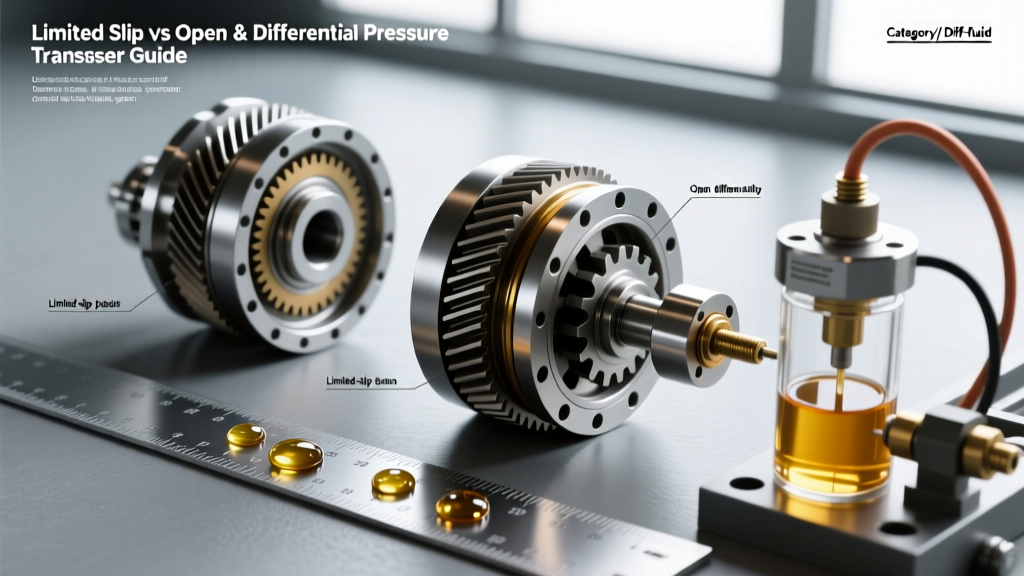
A Limited Slip Differential (LSD) actively biases torque to the wheel with the most traction. In 2026, the aftermarket is dominated by two primary LSD architectures:
1. Clutch-Pack (e.g., Eaton Positraction, Auburn Pro-Series): These utilize a series of carbon-fiber or steel friction clutches sandwiched between the side gears and the carrier. When one wheel begins to slip, the internal thrust loads compress the clutch packs, locking the axles together to transfer torque. They are highly effective but require specific maintenance.
2. Helical Gear (e.g., Eaton Truetrac, Torsen T-2/T-3): These operate purely on gear geometry. Under load, the helical side gears and pinion mates create axial thrust that wedges the gears against the differential casing, generating torque bias without the need for clutch packs. They are virtually maintenance-free and operate silently.
The 'Differential Pressure Transducer' Confusion Explained
BUYER BEWARE: If your search for 'differential parts' yields a small, cylindrical electrical component with a plastic vacuum hose nipple and a 3-pin wiring harness, you are not looking at an axle component.
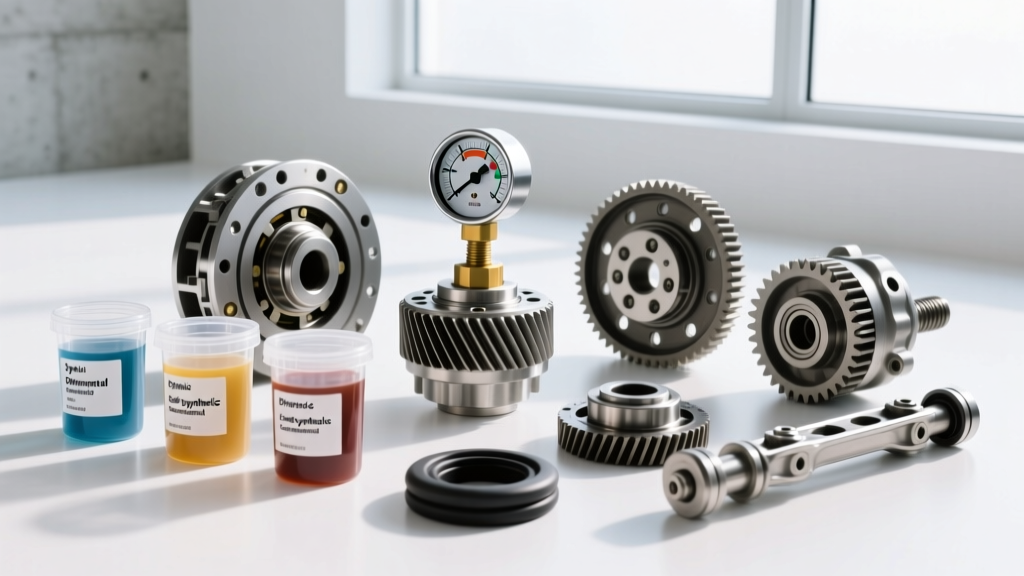
A differential pressure transducer (often called a DPFE sensor or DPF pressure sensor) is an emissions control device used primarily on diesel engines (and some EcoBoost gasoline engines). It measures the pressure drop (delta P) across the Diesel Particulate Filter (DPF) or EGR system to calculate soot load and trigger regeneration cycles.
Identifying the Transducer vs. Axle Parts
| Component Type | Function | Example Part Numbers | Typical Cost | Requires Gear Oil? |
|---|---|---|---|---|
| Open / LSD Carrier | Mechanical torque distribution to drive wheels. | Eaton 19590-010 (Posi), 913A485 (Truetrac) | $450 - $900 | Yes (2 to 3 pints) |
| Differential Pressure Transducer | Measures exhaust backpressure for DPF/EGR emissions. | Ford 7C3Z-9J460-A, SMP ETS0033 | $45 - $160 | No (Electrical/Vacuum) |
| Ring & Pinion Gear Set | Sets the final drive ratio and rotational direction. | Yukon YG F8.8-373, Motive Gear 8.5-342 | $180 - $350 | Lubricated by carrier fluid |
When ordering from suppliers like Standard Motor Products (SMP) or RockAuto, always verify the part category. If the part is listed under 'Fuel & Air > Emissions' rather than 'Drivetrain > Axle Assembly', you have encountered the transducer, not a drivetrain component.
Drivetrain Fluid Specifications & Friction Modifiers
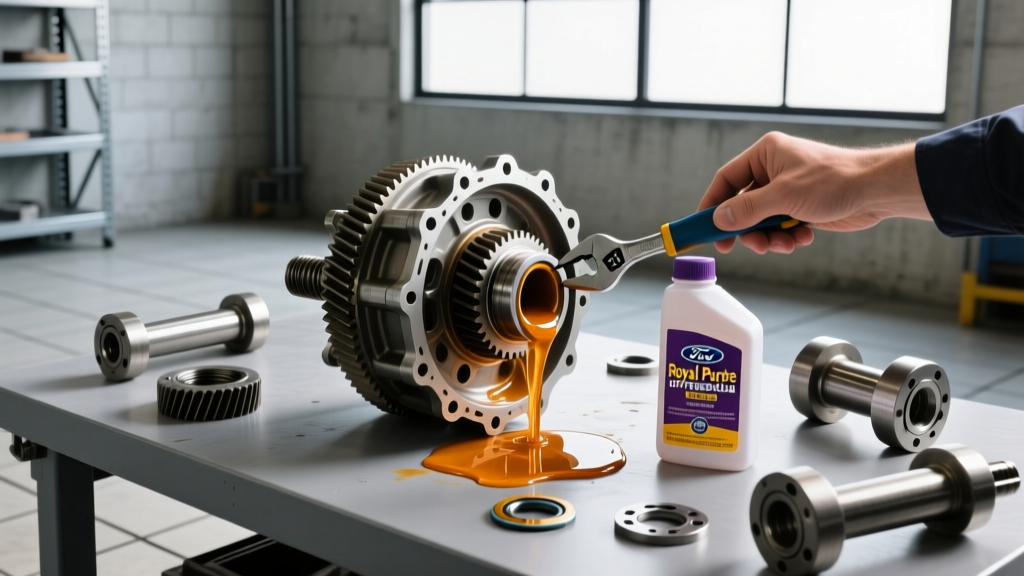
Proper lubrication is the single most critical factor in differential longevity. The hypoid gear design of the ring and pinion generates extreme sliding friction, necessitating API GL-5 rated fluids with high zinc and phosphorus (ZDDP) anti-wear additives.
Viscosity Selection: 75W-90 vs. 80W-90
For most modern trucks and SUVs (including the Ford F-150, Chevy Silverado, and Jeep Wrangler), 75W-90 Synthetic is the factory and aftermarket standard. It provides superior cold-weather flow, reducing parasitic drivetrain loss and improving fuel economy by up to 2% compared to conventional 80W-90. For heavy-duty towing or dedicated off-road rigs operating in high ambient heat, 75W-140 is often recommended to maintain film strength under extreme shear.
The LSD Friction Modifier Mandate
If you are running a clutch-type LSD (like the Eaton Posi), you must add a friction modifier. Without it, the clutch packs will bind and release erratically, causing a violent 'chatter' or 'judder' during low-speed turns, eventually destroying the clutches.
- OEM Additives: GM Part # 1052358 (4 oz) or Ford XL-3.
- Aftermarket Synthetics: Premium lines like Red Line Synthetic Gear Oils or Amsoil Severe Gear already contain the correct dosage of friction modifiers for clutch-type LSDs, eliminating the need for separate additives.
Note: Helical gear LSDs (Truetrac/Torsen) and open differentials do not require friction modifiers.
Critical Installation Torque Specs & Rebuild Data
Whether you are swapping an open carrier for an LSD or performing a ring-and-pinion gear swap, precision torque is non-negotiable. The following specifications apply to the most common light-truck and performance axles on the road today.
Ford 8.8-Inch (Solid Axle & IRS)
The Ford 8.8 is ubiquitous in Mustangs, Rangers, and older F-150s. It uses a 10-bolt cover and 1.32-inch, 31-spline axle shafts in performance applications.
- Ring Gear Bolts (7/16" x 20 RH): 70 - 85 lb-ft (Apply Blue Loctite 243).
- Carrier Bearing Cap Bolts: 70 - 85 lb-ft.
- Differential Cover Bolts (M8): 25 - 30 lb-ft.
- Fluid Capacity: Approximately 2.5 to 2.8 pints (varies slightly by IRS vs. solid axle housing).
GM 8.5 / 8.625-Inch 10-Bolt (Trucks & SUVs)
Found in millions of Silverados, Tahoes, and Suburbans. This is a robust, semi-floating axle that responds incredibly well to Eaton Automotive Differentials upgrades.
- Ring Gear Bolts (1/2" x 20 LH): 120 - 130 lb-ft (Left-hand thread! Apply Red Loctite 271).
- Carrier Bearing Cap Bolts: 60 lb-ft.
- Differential Cover Bolts: 22 lb-ft.
- Fluid Capacity: Approximately 2.1 to 2.4 pints.
Dana 44 (Jeep Wrangler & Light Duty)
The legendary Dana 44 remains a staple for off-road builds. When rebuilding, pay special attention to the pinion nut crush sleeve.
- Ring Gear Bolts (1/2" x 20 RH): 55 - 85 lb-ft.
- Pinion Nut (Torque-to-Yield): 140 - 250 lb-ft (until proper bearing preload of 15-25 in-lbs is achieved).
- Differential Cover Bolts: 30 - 35 lb-ft.
- Fluid Capacity: Approximately 2.0 to 2.5 pints (depending on aftermarket deep-sump covers).
Final Buyer's Verdict
Upgrading from an open differential to a limited slip unit is one of the most transformative traction modifications you can make to a rear-wheel-drive or part-time 4WD vehicle. For daily drivers and towing applications, a helical gear LSD like the Eaton Truetrac offers seamless, maintenance-free torque biasing. For drag racing or rock crawling, a locking or heavy-duty clutch-type LSD is preferred.
Just remember to audit your shopping cart before checkout. Ensure you are buying mechanical drivetrain components, API GL-5 gear lubricants, and axle bearings—not a differential pressure transducer meant for your exhaust system. Proper parts selection, combined with meticulous adherence to torque specs and fluid chemistry, will ensure your axle survives the harshest environments well into the next decade of driving.