The 4th-Gen F-Body T56 Hydraulic Conundrum
The 1998-2002 Chevrolet Camaro and Pontiac Firebird, equipped with the legendary BorgWarner T56 6-speed manual transmission, remain some of the most/LS1tech.com/forums/'>LS1Tech community has documented, the true culprit is often the clutch master cylinder pushrod, not the master cylinder itself. In 2026, with these vehicles aging well past the two-decade mark, the original plastic pushrods are disintegrating, making pushrod adjustment and replacement a mandatory skill for any F-Body owner.
How to Tell If Your Clutch Master Cylinder Is Bad
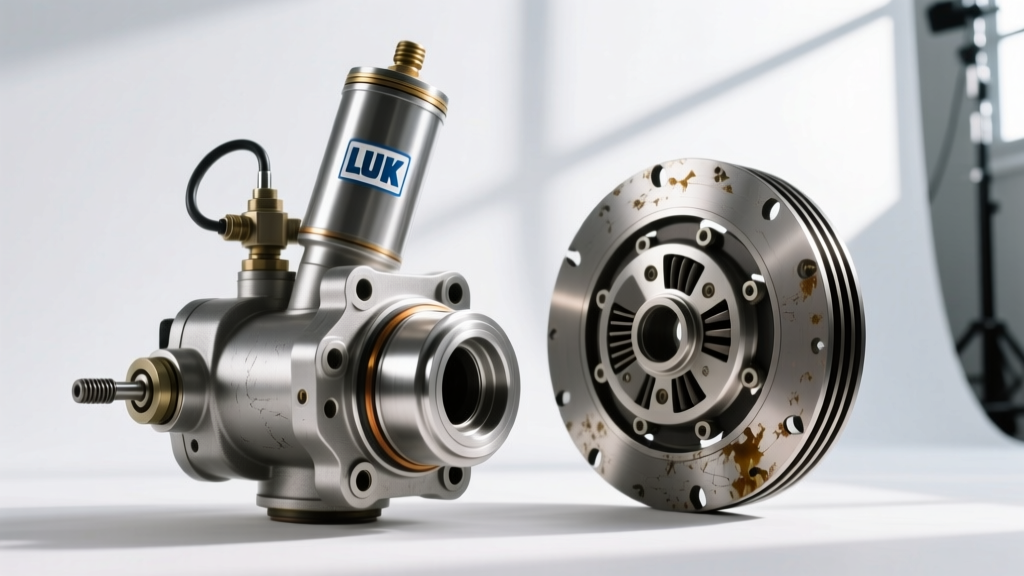
Before tearing into the pedal box, you must accurately diagnose the hydraulic circuit. The GM hydraulic clutch system operates on a simple principle: pedal force moves the master cylinder piston, displacing DOT 3/DOT 4 fluid through a hard line and flexible hose to the slave cylinder, which pushes the T56 release bearing against the pressure plate fingers. When symptoms arise, knowing how to tell if your clutch master cylinder is bad versus identifying a pushrod or slave cylinder failure is critical to saving time and money.
Symptom Matrix: CMC vs. Pushrod vs. Slave
| Symptom | Failing Master Cylinder (CMC) | Worn/Misadjusted Pushrod | Failing Slave Cylinder | |||||||||||||||
|---|---|---|---|---|---|---|---|---|---|---|---|---|---|---|---|---|---|---|
| Fluid on Driver's Floorboard | Yes (Internal seal bypass/leak) | No | No (Leans to slave cylinder failure is rare unless contaminated fluid was used.
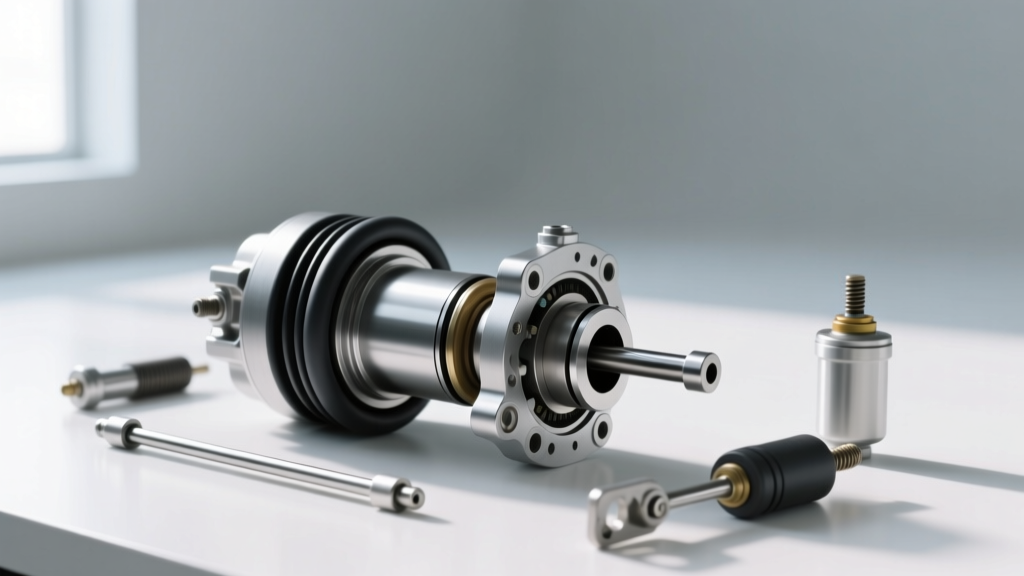
Why the OEM F-Body Pushrod Fails: Engineering FlawsThe OEM GM pushrod (often tied to master cylinder assemblies like GM# 12571615) features a plastic clevis and a weak retention clip. Over thousands of clutch actuations, the plastic deforms, creating excessive 'dead play' between the pedal arm and the master cylinder piston. This dead play reduces the total stroke of the master cylinder. Because the T56 requires approximately 1.15 inches of slave cylinder throw to fully disengage the clutch disc from the flywheel, any lost motion at the pedal translates to incomplete disengagement at the transmission. Furthermore, the pedal ratio in the 4th-Gen F-Body is roughly 6:1. This means 0.250 inches of slop at the pushrod results in a significant loss of hydraulic volume displacement. Upgrading to a billet aluminum adjustable pushrod, such as those offered by Tick Performance or B&M, eliminates this flex and allows for precise preload adjustment. Step-by-Step: Clutch Master Cylinder Pushrod AdjustmentIf you have determined that the master cylinder is healthy but the throw is insufficient, or if you are installing a new aftermarket adjustable pushrod, follow this precise adjustment procedure. Tools and Part Numbers Required
The Adjustment Procedure1. Access the Pedal Box: Remove the driver's side lower kick panel and the knee bolster. You will need to unclip the master cylinder pushrod from the clutch pedal arm. Use a small pick to pop the OEM retaining clip (discard the plastic OEM clevis if upgrading). 2. Unbolt the Master Cylinder: Under the hood, locate the master cylinder mounted to the firewall. Remove the two 13mm mounting nuts securing the CMC to the firewall studs. Carefully pull the CMC forward slightly to relieve tension on the pushrod. 3. Install the Adjustable Pushrod: Thread the new billet pushrod into the master cylinder piston. Secure the spherical bearing end to the clutch pedal arm using the provided hardware. 4. Setting the Preload and Freeplay (CRITICAL): This is where the magic happens. The goal is to eliminate dead travel while ensuring the master cylinder piston fully returns to its resting position to uncover the fluid compensation port. If the pushrod is adjusted too long, it will hold the piston slightly depressed, blocking the port and causing the clutch to drag or the fluid to boil and lock the brakes.
Bleeding the T56 Hydraulic System Post-AdjustmentAny time the hydraulic circuit is opened or the master cylinder is manipulated, air enters the system. The T56 slave cylinder is notorious for trapping air due to its horizontal orientation inside the transmission bellhousing. The Gravity and Pump Method:
Final Torque Specs and ReassemblyProper torque ensures the master cylinder does not crack its plastic reservoir or warp the firewall mounting flange. Refer to the table below for exact 2026 standard specifications:
By mastering this pushrod adjustment, you eliminate the sloppy pedal feel characteristic of aging LS1 platforms and ensure the T56's synchros are fully unloaded during shifts. Remember, if you complete this adjustment and still experience gear crunching—particularly the infamous T56 2nd-to-3rd gear lockout—the issue has likely moved past the hydraulics and into the transmission's internal syncro assemblies or the clutch disc itself. |