The Phenomenon of Long RP Tachycardia in Heavy-Duty Drivetrains
In the performance truck and SUV community, towing massive fifth-wheel trailers or pushing heavily modified off-road rigs requires significant drivetrain modifications. One of the most common upgrades is installing numerically deep ring and pinion gear sets—such as 4.88, 5.13, or even 5.38 ratios—to restore mechanical advantage and keep modern turbo-diesel engines in their optimal powerband. However, this modification introduces a severe high-speed driveline anomaly that advanced transmission and drivetrain specialists refer to as long RP tachycardia.
When diagnosing a long RP tachycardia differential issue, technicians are describing the high-frequency harmonic flutter, accelerated gear wear, and chassis vibration experienced when deep-geared axles are subjected to sustained highway cruising. The term "tachycardia" is borrowed from cardiology to describe the rapid, palpitating vibration felt through the floorboards when the pinion gear's mesh frequency exceeds the dampening capacity of the stock differential fluid and carrier bearings. If you are running a lifted 2026 Ford F-350 or a Ram 3500 with deep gears, understanding and mitigating this harmonic resonance is critical for drivetrain survival.
The Physics of Gear Mesh Frequency and Harmonic Resonance
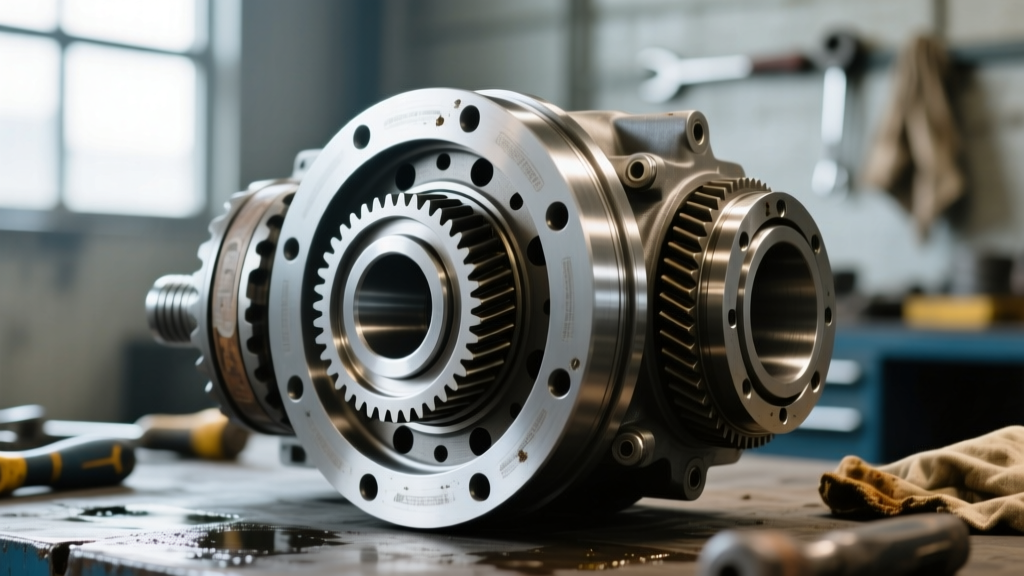
To understand why long RP tachycardia occurs, we must look at the physics of gear mesh frequency (GMF). GMF is calculated by multiplying the pinion gear's rotational speed (RPM) by the number of teeth on the ring gear. When you install a 5.13 gear set in a Dana 80 or GM AAM 11.5-inch axle, the pinion gear must spin significantly faster at 75 MPH compared to a stock 3.73 ratio. This extreme rotational velocity generates high-frequency acoustic energy and torsional vibrations.
At specific RPM thresholds, this energy aligns with the natural resonant frequency of the axle housing and driveshaft, creating a standing wave of vibration. This "tachycardia" effect causes the gear oil to aerate and shear, leading to localized micro-welding on the ring and pinion teeth. Over time, this manifests as a high-pitched whine under load and a fluttering vibration on deceleration, ultimately resulting in catastrophic ring and pinion failure if left unaddressed.
Hardware Upgrades to Suppress Driveline Tachycardia
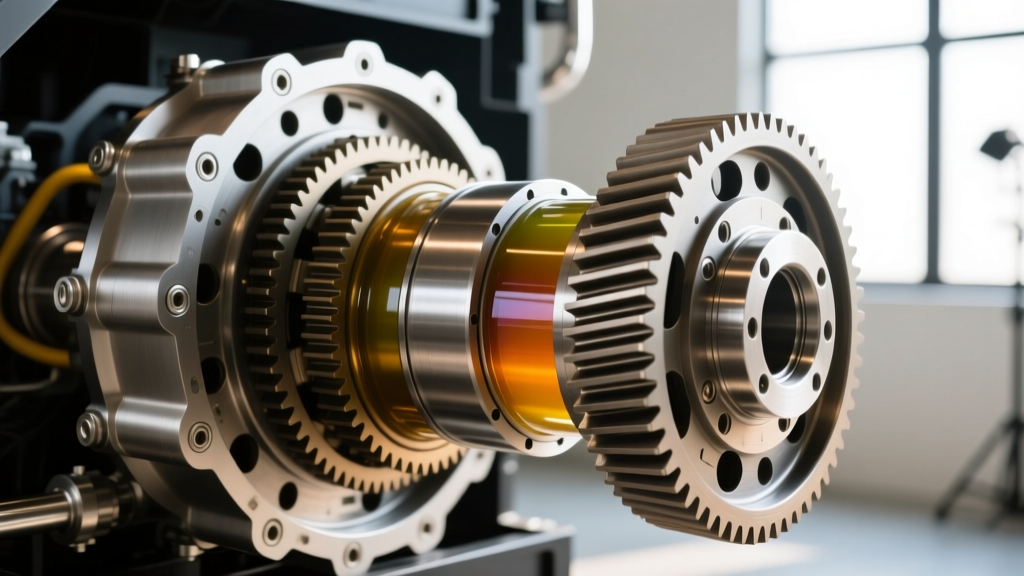
Eliminating high-frequency differential harmonics requires upgrading the rotating mass and improving the torsional rigidity of the axle assembly. Standard replacement gears from budget manufacturers often lack the precise metallurgical treatments required to dampen high-RPM vibrations.
- Cryogenic Treatment: Upgrading to cryogenically treated ring and pinion sets (such as those offered by Yukon Gear & Axle) alters the steel's crystalline structure, converting retained austenite to martensite. This increases surface density and dramatically reduces high-frequency harmonic ringing.
- 35-Spline and 40-Spline Axle Shafts: Torsional flex in the axle shafts exacerbates the tachycardia effect by introducing micro-variations in gear mesh under load. Upgrading from stock 30-spline shafts to 35-spline chromoly shafts ensures that rotational energy is transferred smoothly, stabilizing the gear mesh pattern at highway speeds.
- Heavy-Duty Carrier Bearings: The stock carrier bearings in many late-model SUVs and light-duty trucks cannot handle the increased side-loads generated by deep gear sets. Upgrading to Timken or SKF heavy-duty tapered roller bearings ensures the carrier remains perfectly centered, preventing deflection that causes harmonic flutter.
Fluid Dynamics: Dampening High-Frequency Friction
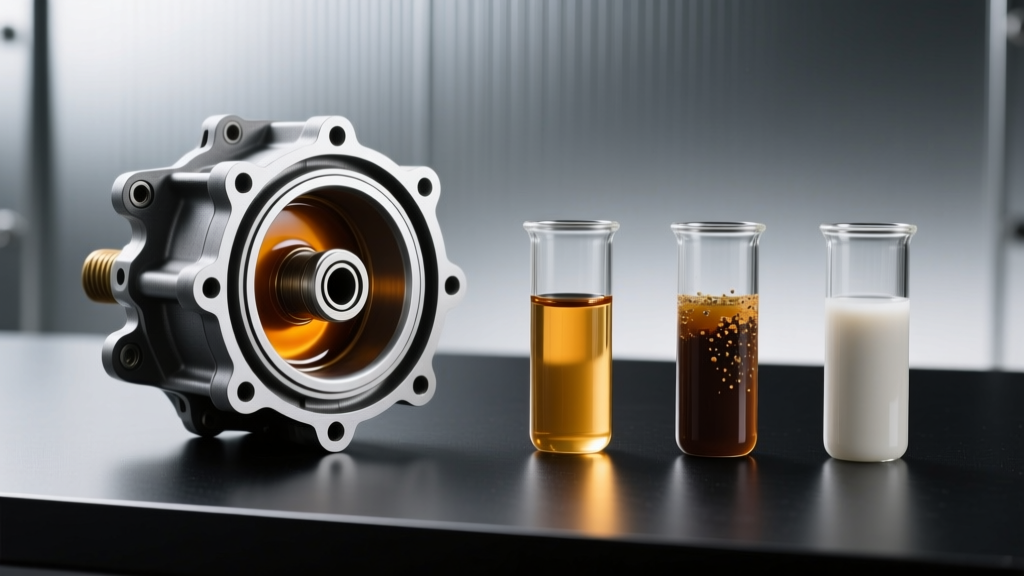
Standard 75W-90 GL-5 gear oil is entirely inadequate for a differential suffering from long RP tachycardia. Under high-frequency mesh conditions, the fluid's viscosity index improvers rapidly shear down, causing the oil to behave like a much thinner fluid. This leads to boundary lubrication, where metal-to-metal contact occurs on the hypoid gear surfaces.
For heavy-duty trucks running 4.88 or deeper ratios, stepping up to a full synthetic 75W-140 gear oil is mandatory. According to testing data from AMSOIL, their Severe Gear 75W-140 synthetic fluid maintains its shear stability even when subjected to the extreme localized heat and high-frequency friction generated by deep gear sets. The thicker 140-weight fluid acts as a hydraulic dampener, absorbing the acoustic energy of the gear mesh and physically quieting the tachycardia effect. For clutch-type limited-slip differentials (like the Eaton Detroit Truetrac or GM G80), adding the exact OEM-specified friction modifier is critical to prevent chatter, which can compound the harmonic vibration.
Precision Setup: Backlash, Preload, and Torque Specifications
You cannot simply bolt in a new ring and pinion and expect it to survive highway speeds. The setup tolerances for deep gears must be exact. A variance of just two-thousandths of an inch in backlash can shift the contact pattern from the optimal center of the tooth flank to the toe or heel, instantly triggering severe tachycardia harmonics.
Below are the critical setup specifications for the two most common heavy-duty truck axles found in modern Super Duty and HD platforms:
Dana 80 / AdvanTEK 80 (Ford F-350 / Commercial)
- Fluid Capacity: 3.5 to 4.0 Quarts (Verify with aftermarket differential cover)
- Pinion Bearing Preload: 25 to 35 in-lbs (New bearings)
- Ring Gear Bolt Torque: 120 to 150 lb-ft (Apply Loctite 242 to threads)
- Pinion Nut Torque: 450 to 500 lb-ft (To achieve crush sleeve collapse)
- Target Backlash: 0.006" to 0.010"
GM / Ram AAM 11.5-Inch Axle
- Fluid Capacity: 3.75 Quarts
- Pinion Bearing Preload: 20 to 30 in-lbs
- Ring Gear Bolt Torque: 125 lb-ft
- Pinion Nut Torque: 400 lb-ft minimum (Crush sleeve)
- Target Backlash: 0.005" to 0.009"
Truck and SUV Axle Harmonic Threshold Chart
Understanding the limits of your specific axle housing is vital when planning a regear. The table below outlines the approximate RPM thresholds where long RP tachycardia becomes a factor based on the axle model and gear ratio.
| Axle Model | Stock Ratio | "Long RP" Ratio | Harmonic RPM Threshold (75 MPH) | Recommended Fluid Viscosity |
|---|---|---|---|---|
| Dana 80 | 3.73:1 | 5.13:1 | ~2,850 Pinion RPM | 75W-140 Synthetic |
| AAM 11.5" | 3.42:1 | 4.88:1 | ~2,700 Pinion RPM | 75W-140 Synthetic |
| Sterling 10.5" | 3.55:1 | 4.56:1 | ~2,600 Pinion RPM | 75W-110 / 75W-140 |
| Dana 60 (Front) | 3.73:1 | 5.38:1 | ~2,950 Pinion RPM | 75W-140 Synthetic |
Maintenance Intervals for Deep-Geared Axles
If your truck or SUV is equipped with deep gears and operates frequently at highway speeds, the standard manufacturer recommendation of changing differential fluid every 100,000 miles is a recipe for disaster. The intense heat and shear forces generated by long RP tachycardia degrade the additive packages in synthetic gear oils much faster than in stock configurations.
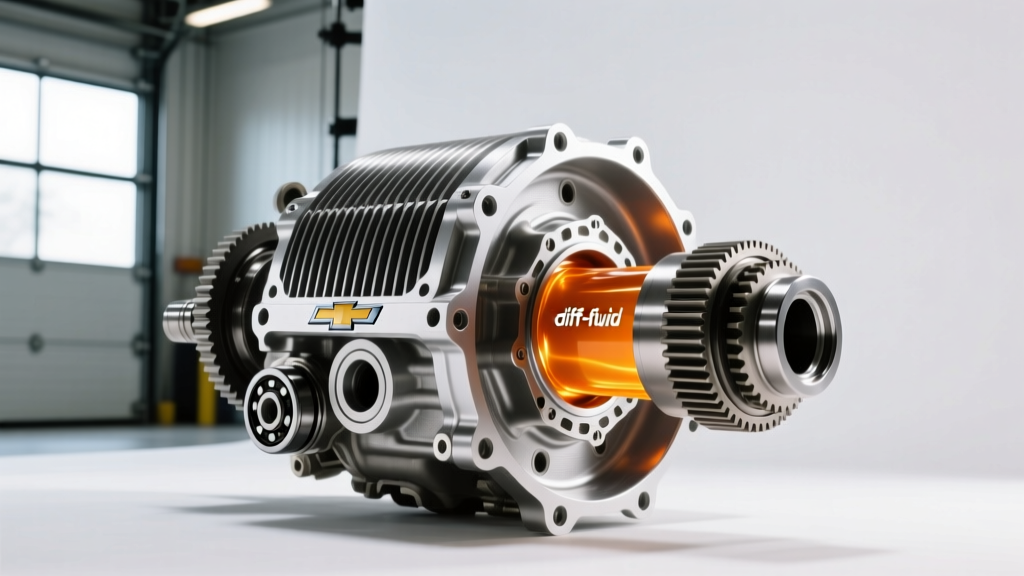
For severe-duty towing and high-speed highway driving, Dana Incorporated and aftermarket specialists recommend draining and refilling the front and rear differentials every 25,000 to 30,000 miles. When performing the service, always inspect the differential cover for fine metallic glitter. While a small amount of paste-like residue is normal for new gear break-in, shiny flakes indicate that the tachycardia harmonics are actively wearing down the ring and pinion surface. Upgrading to a finned aluminum differential cover increases fluid capacity and provides superior heat dissipation, further protecting the gear set from thermal breakdown.
Final Thoughts on Drivetrain Harmonics
Regearing a heavy-duty truck or SUV is one of the most effective ways to unlock performance, towing capability, and off-road prowess. However, ignoring the physics of long RP tachycardia differential harmonics will result in premature wear, excessive cabin noise, and eventual drivetrain failure. By selecting cryogenically treated hardware, utilizing high-viscosity synthetic fluids, and adhering to strict setup tolerances, you can build an axle assembly that delivers massive torque multiplication while remaining whisper-quiet and reliable at 80 MPH.