The Engineering Behind the Rear Differential CR-V AWD System
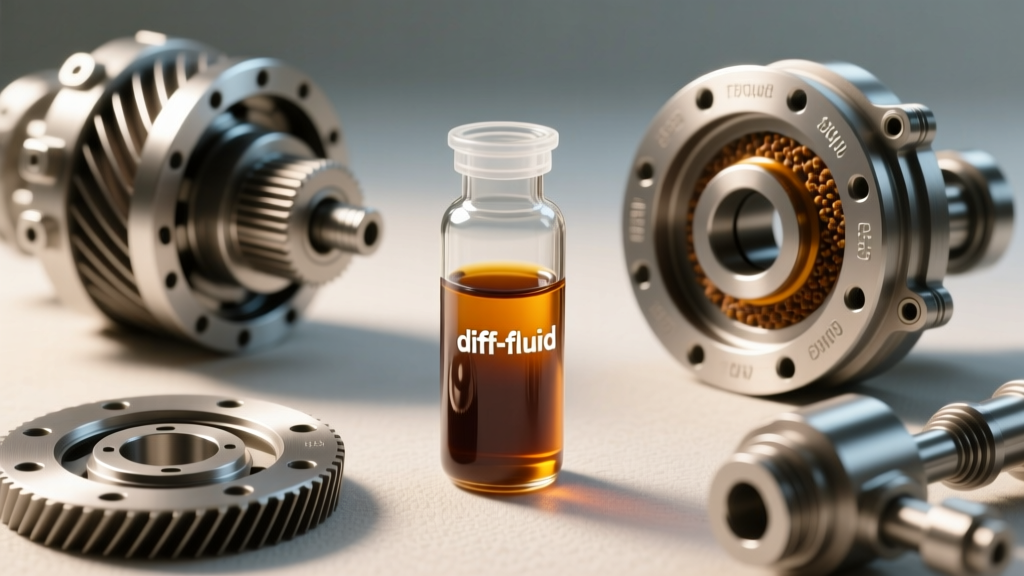
When researching rear differential crv maintenance, most DIY forums focus strictly on mileage intervals, entirely ignoring the most critical diagnostic tool at your disposal: fluid condition. Unlike a traditional solid-axle truck with a simple open or limited-slip differential, the Honda CR-V utilizes a highly specialized Real Time AWD (or VTM-4) system. This rear assembly houses wet clutch packs that hydraulically engage to transfer torque to the rear wheels when front slip is detected.
Because these clutch packs are submerged directly in the differential fluid, the lubricant serves a dual purpose: it must protect the hypoid ring and pinion gears from extreme shearing forces while simultaneously acting as a hydraulic medium and friction modifier for the AWD clutches. As we move through 2026, thousands of 4th and 5th-generation CR-Vs are crossing the 100,000-mile threshold. Evaluating the color, viscosity, and odor of your differential fluid is the single most effective preventive maintenance step you can take to avoid catastrophic transfer case and rear axle failures.
Decoding Fluid Colors: The Visual Inspection Chart
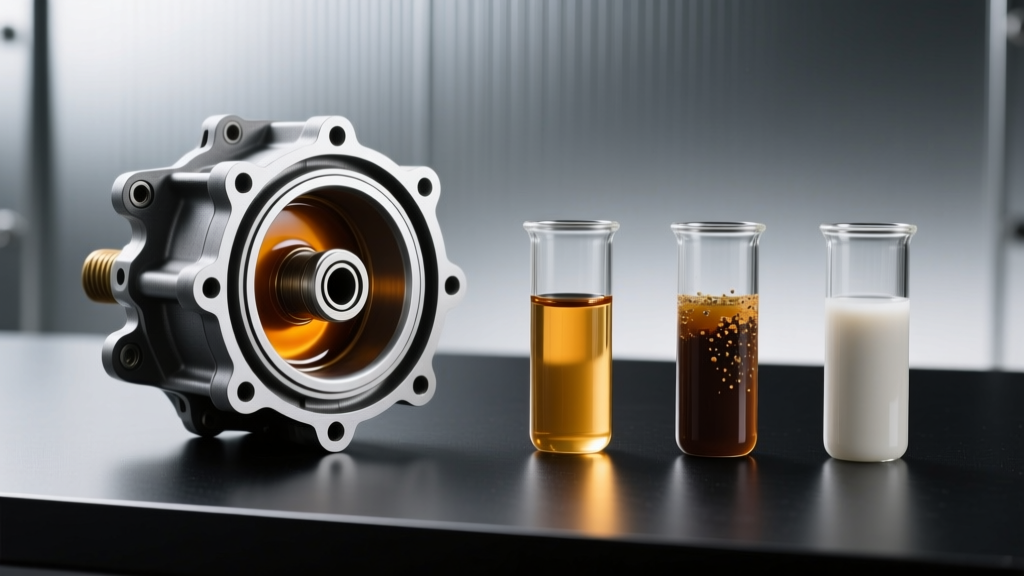
Honda's proprietary fluids—VTM-4 (for 2002–2011 models) and Dual Pump Fluid II (DPF-II for 2012+ models)—have distinct baseline characteristics. Over time, thermal cycling and clutch wear alter their chemical composition. Use the following diagnostic chart to interpret your fluid's condition.
| Fluid Color | Consistency & Odor | Diagnosis | Required Action |
|---|---|---|---|
| Light Amber / Honey | Thin, translucent, mild chemical scent | New or recently serviced fluid. | No action required. System is healthy. |
| Dark Brown / Opaque | Slightly thicker, smells like hot oil | Normal service wear. Friction material shedding from clutches. | Monitor. Plan for drain and fill within 15,000 miles. |
| Jet Black | Sludgy, acrid burnt smell | Severe thermal breakdown. Friction modifiers are depleted. | Immediate flush required. Perform Figure-8 test for clutch damage. |
| Grey with Glitter | Opaque, metallic shimmer in sunlight | Active mechanical wear. Ring/pinion or clutch drum degradation. | Drop the diff cover (if equipped) or flush. Inspect for metal shavings on the magnetic drain plug. |
| Milky / Frothy | Emulsified, looks like chocolate milk | Water intrusion via submerged breather tube or failed axle seal. | Immediate flush. Inspect breather hose and replace axle seals. |
1. Amber to Light Honey (New / Excellent)
Fresh Honda VTM-4 (Part # 08200-9003) and DPF-II are remarkably clear with a light amber hue. At this stage, the fluid's shear stability is at its peak, and the proprietary friction modifiers are fully active, ensuring smooth clutch engagement without shudder during tight parking lot turns.
2. Dark Brown and Opaque (Normal Wear)
It is entirely normal for CR-V rear differential fluid to turn dark brown or even muddy black-brown after 30,000 miles. The wet clutches naturally shed microscopic friction material as they engage and disengage. As long as the fluid does not smell burnt and lacks metallic particulate, this color indicates normal operation, not immediate failure.
3. Jet Black with Metallic Glitter (Critical Failure)
If you pull a sample that is jet black and catches the light with a metallic glitter, your differential is actively consuming itself. This indicates that the clutch drums are scoring, or the hypoid gear teeth are experiencing micro-pitting. Continuing to drive with this fluid will lead to the AWD system binding, which can destroy the rear driveshaft and transfer case.
4. Milky, Frothy, or 'Chocolate Milk' (Water Intrusion)
The CR-V rear differential features a breather tube designed to equalize pressure as the housing heats up and cools down. If you frequently ford deep water, drive through deep snow, or if the breather hose becomes disconnected, the cooling differential will create a vacuum, sucking moisture directly into the housing. Water emulsifies with the gear oil, destroying its lubricity and causing rapid rust formation on the bearing journals.
The Syringe Extraction Method: Inspecting Without Draining
Many owners hesitate to check their fluid because they fear stripping the notoriously tight drain plug. As a preventive maintenance best practice, you can perform a syringe extraction test through the fill plug to assess color and condition without committing to a full drain.
- Locate the Fill Plug: Safely raise and support the rear of the CR-V on jack stands. Locate the upper fill plug on the rear differential housing.
- Extract a Sample: Remove the fill plug using a 3/8-inch square drive or 17mm hex socket (depending on generation). Insert a clean, flexible plastic tube attached to a large fluid syringe into the fill hole.
- Analyze the Sample: Draw out 10-15ml of fluid into a clear glass jar. Hold it up to direct sunlight to check for metallic glitter and assess the true color. Smell the fluid to check for burnt friction material.
- Top Off if Necessary: If you extracted too much, use a hand pump to inject fresh OEM fluid until it reaches the bottom lip of the fill hole.
OEM Specifications, Capacities, and Torque Data
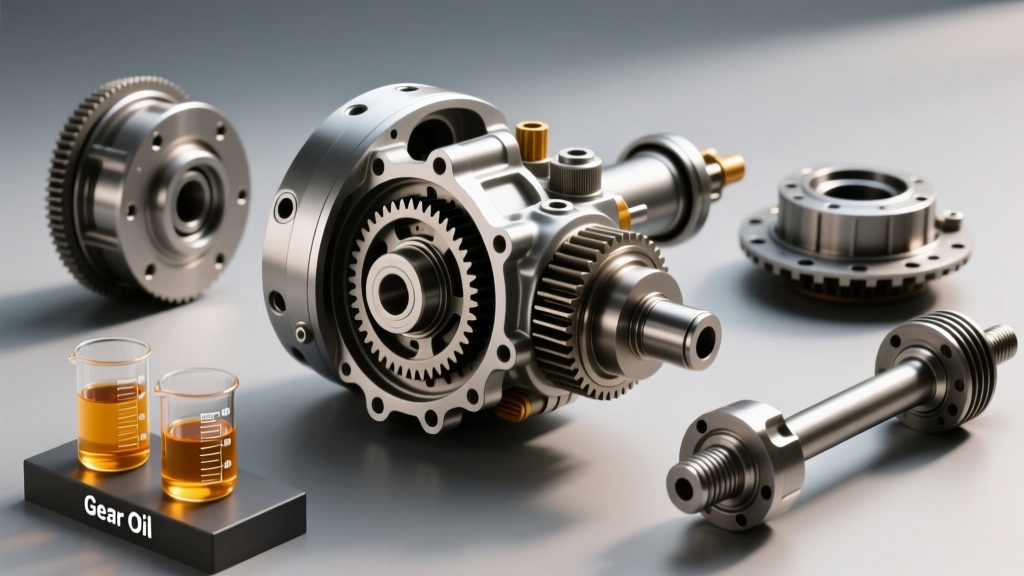
Using the correct fluid is non-negotiable. Standard 75W-90 GL-5 gear oils contain sulfur-based extreme pressure (EP) additives that will chemically etch and destroy the CR-V's wet clutch packs, leading to permanent AWD failure. Always adhere to the following OEM specifications.
| Specification | 2002-2011 (VTM-4 System) | 2012-Present (Real Time AWD) |
|---|---|---|
| Required Fluid | Honda Genuine VTM-4 | Honda Genuine Dual Pump Fluid II (DPF-II) |
| Fluid Capacity | 1.3 Quarts (1.2 Liters) | 1.1 Quarts (1.05 Liters) |
| Drain Plug Torque | 29 lb-ft (39 N·m) | 29 lb-ft (39 N·m) |
| Fill Plug Torque | 32 lb-ft (44 N·m) | 32 lb-ft (44 N·m) |
| Crush Washer P/N | 90471-PX4-000 (18mm) | 90471-PX4-000 (18mm) |
Note: Always replace the aluminum crush washers on both the fill and drain plugs during service. Reusing old washers is the primary cause of differential fluid weeping and subsequent gear starvation. Sourcing these from reputable suppliers like RockAuto or your local dealer is highly recommended.
Preventive Maintenance: The Figure-8 Auditory Test
Visual inspection of your rear differential CR-V fluid must be paired with mechanical testing. The most common symptom of degraded DPF-II or VTM-4 fluid is a low-frequency groaning or shuddering noise originating from the rear axle during tight, low-speed turns.
To perform the Figure-8 test:
- Find an empty, dry parking lot.
- Roll the steering wheel to full lock and drive in a tight circle.
- Repeat in the opposite direction, forming a figure-8 pattern.
- If you hear a rhythmic groaning or feel the rear tires hopping, the friction modifiers in your differential fluid have completely sheared and burned off. The clutch packs are binding instead of slipping smoothly.
In many cases, performing two back-to-back drain and fills with fresh OEM fluid will completely resolve the groaning noise, restoring the hydraulic damping properties required for smooth clutch engagement. For comprehensive service intervals and technical service bulletins (TSBs) regarding AWD systems, always consult the Honda Technical Information Portal or reference the maintenance minder data on Honda Owners Online.
Final Thoughts on Condition-Based Maintenance
While the Honda Maintenance Minder system will typically trigger a rear differential service code (often accompanied by the main oil life indicator) every 30,000 to 45,000 miles, severe driving conditions demand closer attention. If you frequently tow, drive in mountainous terrain, or navigate deep snow, pulling a syringe sample every 15,000 miles to check for water intrusion and thermal breakdown will ensure your Real Time AWD system remains responsive and reliable for the life of the vehicle.