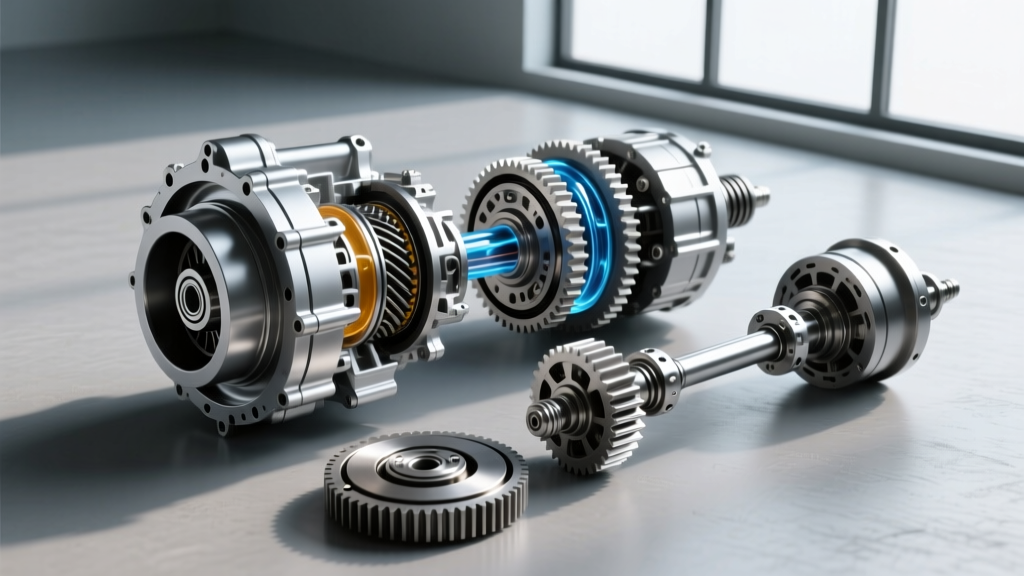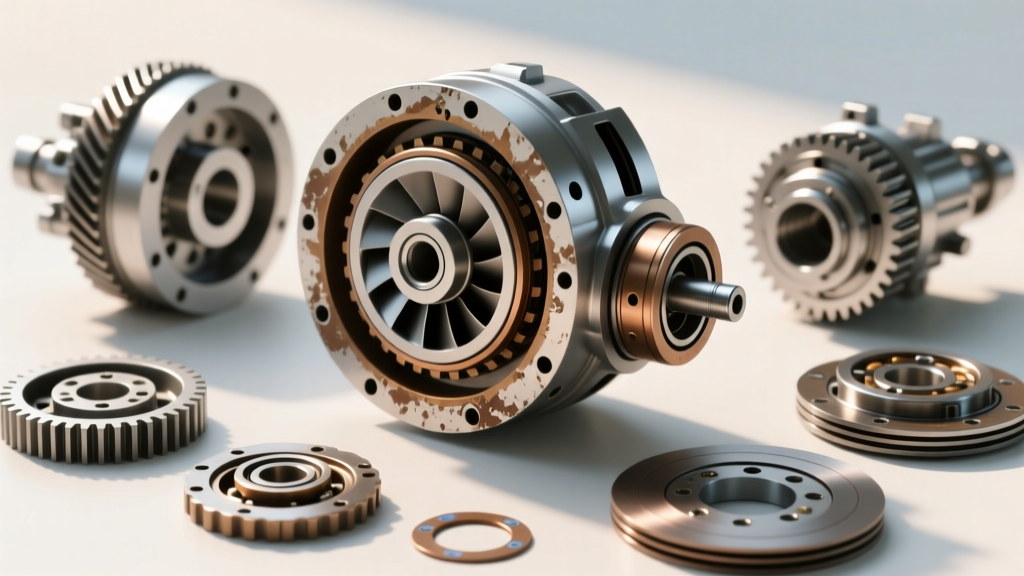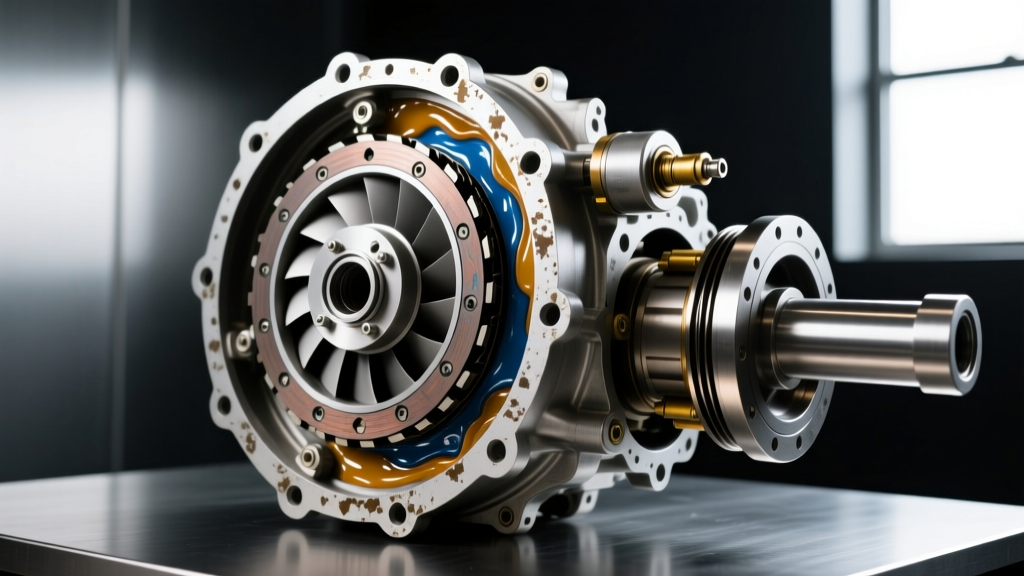
The Reality of the 'Lockup' 727 TorqueFlite
When enthusiasts and professional builders discuss installing a lockup torque converter for 727 TorqueFlite applications, it is critical to first establish a mechanical baseline. The original Chrysler A727 (later designated 36RH/37RH) is a legendary, heavy-duty three-speed automatic transmission. However, from the factory, the classic 727 was never equipped with a lockup torque converter. Lockup functionality in the Mopar lineage was introduced with the A500 and A518 (later 42RH/46RH) overdrive transmissions, which utilized a front case and planetary gearset dimensionally identical to the 727, but added a lockup-compatible pump stator support, a hollow input shaft for TCC fluid routing, and an overdrive rear extension.
Therefore, diagnosing lockup torque converter operation in a '727' usually means you are working on one of two setups: a modified classic 727 case retrofitted with an aftermarket lockup input shaft and custom valve body, or an A518/46RH front-half mated to a custom rear end. In either scenario, the hydraulic and mechanical principles of the Torque Converter Clutch (TCC) apply identically. The TCC eliminates the inherent slip of the fluid coupling at highway speeds, dropping engine RPMs by 400-600, reducing heat, and improving fuel economy. But when this system fails, the symptoms can be violent and destructive.
Core Symptoms of Lockup TCC Failure
Diagnosing a failing lockup torque converter requires isolating whether the fault lies within the converter's internal friction clutch, the valve body's hydraulic routing, or the external electrical solenoids. Below are the primary failure modes encountered in Mopar lockup systems.
1. Severe TCC Shudder at 45-55 MPH
The most common complaint is a rhythmic, violent shaking that feels like driving over rumble strips when the TCC attempts to engage in third gear (or overdrive). This shudder is almost always caused by a breakdown in the friction coefficient between the TCC clutch disc and the converter's front cover. In Mopar applications, this is frequently traced to fluid contamination or the use of non-friction-modified ATF. If the friction material is glazing or breaking down, the clutch rapidly engages and disengages (micro-slip) due to hydraulic feedback, creating harmonic resonance through the driveline.
2. Engine Stalling at Idle (Dragging Clutch)
If the engine lugs down severely or stalls when coming to a stop, the TCC is failing to release. This 'dragging' condition occurs when the TCC apply valve in the valve body becomes stuck in the apply bore, or when cross-leakages in the pump stator support continuously feed apply pressure to the converter. It can also indicate that the internal TCC return spring inside the torque converter has collapsed, preventing the clutch piston from retracting when hydraulic pressure is dumped.
3. Failure to Engage (Highway Overheating)
When the TCC never locks, the transmission will operate normally but will generate excessive heat at highway speeds due to continuous fluid shear inside the converter. This is typically caused by a failed TCC solenoid, a severed wire in the transmission harness, or insufficient governor pressure failing to signal the TCC shift valve to move.
727 Lockup Diagnostic Pressure Table
Accurate diagnosis requires a transmission pressure gauge tapped into the main line pressure port and, if equipped with an external TCC tap, the lockup apply port. Use the following specifications as your baseline for a healthy Mopar lockup system.
| Diagnostic Parameter | Target Specification | Troubleshooting Notes |
|---|---|---|
| Main Line Pressure (Drive, 1000 RPM) | 145 - 165 PSI | Low line pressure will result in weak TCC apply force and severe shudder. |
| TCC Apply Pressure (Locked) | 130 - 150 PSI | Must be within 15 PSI of main line pressure. A larger drop indicates stator support seal leaks. |
| TCC Release Pressure | 0 - 5 PSI | Any pressure here in Park/Neutral indicates a stuck TCC valve or cross-leak. |
| Governor Pressure (TCC Trigger) | 30 - 45 PSI | Hydraulic lockup systems require this minimum pressure to shift the TCC valve. |
| Engine Stall Speed | 1,800 - 2,400 RPM | Varies by camshaft and rear gear; low stall indicates a binding TCC or stator. |
Step-by-Step Valve Body & Electrical Troubleshooting
When faced with TCC shudder or no-lock conditions, follow this systematic diagnostic protocol before condemning the torque converter itself. According to Sonnax Tech Resources, verifying hydraulic integrity at the valve body is paramount before dropping the transmission.
- Verify Fluid Level and Condition: Check the fluid with the transmission at operating temperature and the engine idling in Neutral. Smell the fluid; a burnt odor indicates the TCC friction material has already been destroyed, necessitating a converter replacement and a complete cooler flush.
- Test the TCC Solenoid: If your setup uses an electronic lockup kit (common in retrofitted 727s), locate the TCC solenoid on the valve body. Apply 12 volts directly to the solenoid terminals. You should hear a distinct, sharp 'click'. Test the resistance with a multimeter; most Mopar TCC solenoids should read between 12 and 25 ohms. An open or shorted circuit requires solenoid replacement.
- Inspect the Governor Pressure: For purely hydraulic lockup systems, connect a gauge to the governor tap. If governor pressure does not exceed 30 PSI at 45 MPH, the TCC shift valve will never move. This points to a worn governor bore, a stuck governor weight, or a leaking governor plug, not a torque converter failure.
- Drop the Valve Body and Inspect the TCC Valve: Remove the valve body and extract the TCC apply valve. Look for scoring on the valve spool or the aluminum bore. If the valve is scored, hydraulic fluid bypasses the clutch, causing slip and shudder. Install a sleeved TCC valve kit (such as the Sonnax 72960-01K equivalent for A518/46RH front halves) to restore hydraulic integrity.
- Check Stator Support Seals: If the valve body tests perfectly but TCC apply pressure is low, the Teflon or cast-iron sealing rings on the pump stator support are likely worn, allowing apply fluid to bleed back into the sump before it reaches the converter.
Fluid Selection: The Friction Modifier Trap
One of the most catastrophic mistakes made in Mopar transmission builds is applying classic 727 fluid logic to a lockup system. The original non-lockup 727 TorqueFlite thrived on Type F fluid or non-friction-modified Dexron, which provided aggressive, firm shifts. However, Type F fluid will instantly destroy a lockup torque converter.
Lockup TCCs require highly specialized friction modifiers to allow the clutch to 'slip' microscopically during the apply phase, ensuring a smooth transition. Using Type F causes the clutch to grab violently, leading to immediate shudder, fractured friction linings, and damaged converter hubs. For any lockup torque converter for 727 TorqueFlite applications (or A518 hybrids), you must use Mopar ATF+4 (Type 9602) or a premium synthetic equivalent explicitly rated for Chrysler lockup systems, such as Red Line C+ or Amsoil Signature Series Fuel-Efficient Synthetic ATF. Always perform a complete cooler flush when swapping fluid types; residual Type F trapped in the transmission cooler will contaminate the new ATF+4 and cause recurring shudder.
Rebuild Specs, Part Numbers, and Torque Settings
If diagnosis confirms internal torque converter failure or requires a system upgrade, precision during reassembly is non-negotiable. Refer to TCI Automotive Tech Info and manufacturer blueprints for exact clearances. Below are the critical specifications for a Mopar lockup torque converter installation.
- Recommended Converter: TCI Part # 142301 (Small Block Mopar Lockup) or Hughes Performance HE Series. Ensure the converter matches your input shaft spline count (23-spline for small block, 26-spline for big block/Hemi).
- TCC Clutch Clearance: Internal lockup clutch clearance should measure between 0.030' and 0.050'. Anything over 0.060' will result in delayed engagement and excessive slip heat.
- Torque Converter to Flexplate Bolts: 45 lb-ft. Critical: Use Grade 8 hardware and apply blue Loctite 242. Never use standard Grade 5 hardware, as the harmonic stress of a lockup engagement can shear inferior bolts.
- Transmission to Engine Block: 35 lb-ft for the bellhousing bolts.
- Valve Body to Case Bolts: 100 in-lb (inch-pounds). Over-torquing these small bolts will warp the valve body casting, causing the TCC valve to bind in its bore.
- Cooler Line Fittings: 15-20 lb-ft. If using NPT fittings in the case, use liquid PTFE sealant. Never use Teflon tape, as shredded tape can migrate into the TCC apply circuit and block the solenoid or valve.
By respecting the unique hydraulic requirements of the Mopar lockup system, utilizing the correct friction-modified fluids, and adhering to strict pressure diagnostics, you can eliminate TCC shudder and build a 727-based drivetrain that offers both brutal launch capability and civilized, cool-running highway manners.