The Performance Case for Locking Differentials
Upgrading from an open or factory limited-slip differential to a dedicated locking differential is one of the most transformative modifications you can make to a vehicle's drivetrain. Whether you are building a dedicated rock crawler, a desert pre-runner, or a high-horsepower drag car, a locker ensures 100% torque distribution to both wheels, eliminating the single-wheel spin that robs you of forward momentum. However, introducing a mechanical, pneumatic, or electronic locker into your axle housing drastically alters the internal friction dynamics, thermal loads, and fluid shear requirements of the differential assembly.
As of the 2026 off-road and motorsport seasons, the metallurgy and gear-cutting tolerances in aftermarket ring and pinion sets have reached unprecedented levels of precision. Yet, the success of a locker upgrade relies entirely on proper installation, precise backlash settings, and rigorous fluid maintenance protocols. Neglecting the fluid dynamics of a locking differential will rapidly lead to catastrophic internal failure.
Locker Selection Matrix: ARB, Detroit, and Eaton E-Lockers
Choosing the correct locker requires matching the unit's engagement mechanism to your specific performance application. Below is a technical comparison of the three dominant locking differential platforms on the market, complete with specific part numbers and application data.
| Locker Type | Part Number Example | Application | Engagement | Est. Price (2026) | Fluid Requirement |
|---|---|---|---|---|---|
| ARB Air Locker | RD147 | Dana 44, 35-Spline | Pneumatic (On-Demand) | $1,150 | Synthetic 75W-140 GL-5 |
| Detroit Locker | 225SL-1 | GM 8.5-inch 10-Bolt | Mechanical (Automatic) | $780 | Mineral 85W-140 GL-5 |
| Eaton E-Locker | 14216 | Ford 8.8-inch, 31-Spline | Electronic (On-Demand) | $950 | Synthetic 75W-90 GL-5 |
The ARB Air Locker requires an onboard 12V air compressor and intricate routing of copper or polyurethane air lines through the axle tube. It operates as an open diff when disengaged, reducing driveline bind on the street. The Detroit Locker is a mechanical ratcheting locker that is virtually indestructible in high-shock environments but requires specific mineral-based oils to ensure the internal friction clutches engage smoothly. The Eaton E-Locker utilizes an electromagnetic coil and ramping mechanism, offering OEM-style reliability with the push of a button.
Installation Nuances: Backlash, Preload, and Torque Specs
A locking differential is highly sensitive to gear mesh and carrier bearing preload. Unlike an open carrier, the internal mass and rotational inertia of a locker (particularly the heavy steel case of a Detroit Locker) demand stricter setup tolerances.
Critical Setup Measurements
- Ring Gear Bolt Torque: For a standard Dana 44 or Ford 8.8, ring gear bolts must be torqued to 60-85 lb-ft (consult specific OEM specs) using a medium-strength threadlocker like Loctite 242. Never use impact guns for final torque.
- Backlash Tolerance: Aim for 0.006 to 0.010 inches of backlash, measured via a dial indicator mounted to the axle housing. Lockers generate immense internal shock loads; excessive backlash will shatter the locker's internal cross-pins under hard acceleration.
- Carrier Bearing Preload: You must achieve a minimum of 0.015 inches of side-bearing preload. Use carrier bearing adjuster tools to spread the housing slightly, ensuring the locker case cannot shift under lateral G-loads.
Expert Note: When installing an ARB Air Locker, the O-ring seal groove on the carrier bearing cap must be meticulously polished with 600-grit sandpaper. Any microscopic burr left from the factory machining will slice the O-ring during installation, resulting in slow air leaks that prevent the locker from fully engaging.
The Break-In Phase and Thermal Management
The first 500 miles of a locker's life are critical. During this period, the internal thrust washers, cross-pins, and gear teeth are lapping together. This generates significant metallic particulate and localized heat. For mechanical lockers like the Detroit, the internal friction surfaces must mate perfectly to ensure smooth ratcheting during low-speed turns. If the differential is subjected to high-shock loads (e.g., jumping the vehicle or aggressive drag racing launches) before the break-in is complete, the thrust washers will gall, permanently scoring the locker case.
Thermal management during break-in is paramount. The differential housing acts as a heat sink. Many performance builders install a finned aluminum differential cover (such as those from Mag-Hytec or AFE Power) to increase surface area and fluid capacity, dropping operating temperatures by up to 30°F under heavy load.
Sensory Diagnostics: What Does Differential Fluid Smell Like?
When performing post-installation maintenance or diagnosing a stressed drivetrain, a common question among enthusiasts and technicians is: what does differential fluid smell like when a locker is failing or overheating? Understanding the olfactory profile of gear oil is a critical, yet often overlooked, diagnostic tool.
The Baseline: Fresh GL-5 Gear Oil
Fresh GL-5 gear oil possesses a highly pungent, sulfuric odor—often compared to rotten eggs or a struck match. This is entirely normal and intentional. The smell comes from extreme pressure (EP) additives, specifically sulfur-phosphorus compounds and zinc dialkyldithiophosphate (ZDDP). These additives are required to create a sacrificial chemical boundary layer on the hypoid ring and pinion gears, preventing metal-on-metal contact under the extreme sliding friction of a locker-equipped axle.
The Warning Signs: Burnt and Degraded Fluid
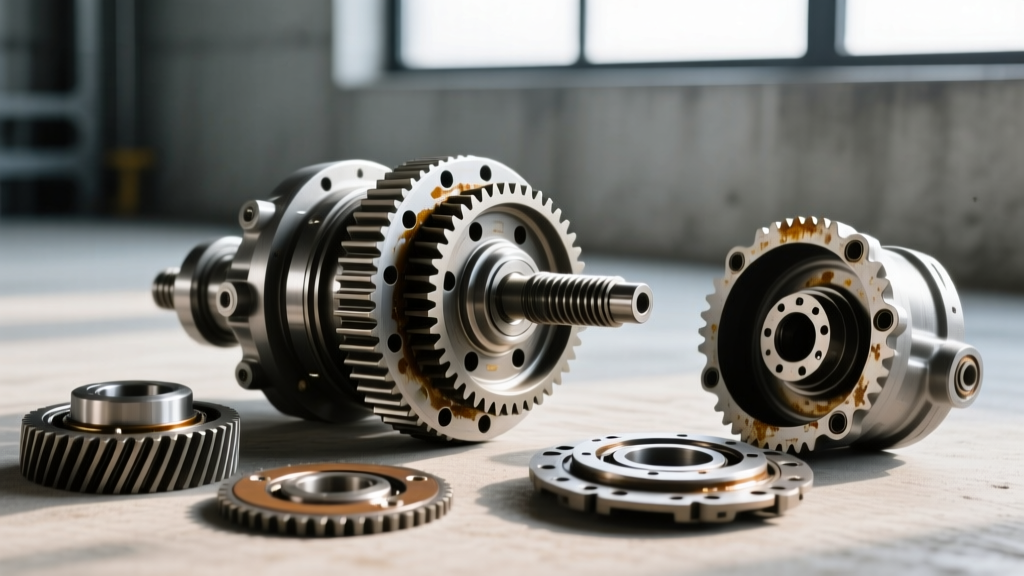
If you pull the differential fill plug and the sulfurous scent is gone, replaced by a sharply acrid, smoky odor reminiscent of scorched brake pads or burnt toast, your differential fluid has suffered severe thermal degradation. This occurs when the locker's internal friction generates heat exceeding the oil's thermal breakdown threshold (typically around 300°F to 350°F). In a Detroit Locker, this often means the internal clutch packs are slipping excessively due to improper fluid viscosity. In an ARB Air Locker, a burnt smell indicates the internal Viton O-rings are melting due to axle wind-up and friction.
Metallic and Copper Scents
If the fluid smells distinctly metallic, similar to copper pennies or hot brake rotors, and has a glittery, mica-flecked appearance when rubbed between your fingers, your locker is experiencing active galling. The phosphorus-bronze thrust washers inside the locker are being ground away by the hardened steel cross-pins. This requires an immediate teardown, as the metallic particulate will quickly embed itself into the carrier bearings, destroying them within a few hundred miles.
Fluid Selection and Friction Modifier Protocols
The single most common mistake made during a locker upgrade is using the wrong gear oil or improperly dosing friction modifiers. The type of locker you install dictates the exact fluid chemistry required.
Mechanical Lockers (Detroit, Spartan, Aussie)
Contrary to popular belief, mechanical ratcheting lockers generally do not require friction modifiers. In fact, adding a limited-slip friction modifier (like GM POSI Additive Part #88900401 or Ford XL-3 Part #C8AZ-19B546-A) to a Detroit Locker will cause the internal locking teeth to slip and chatter violently. Eaton's official Detroit Locker documentation explicitly recommends using a high-quality, mineral-based 85W-140 GL-5 gear oil. Synthetic oils can sometimes be too 'slippery' for the initial break-in of mechanical lockers, preventing the necessary lapping of the internal friction surfaces.
On-Demand Lockers (ARB, Eaton E-Locker, Ox)
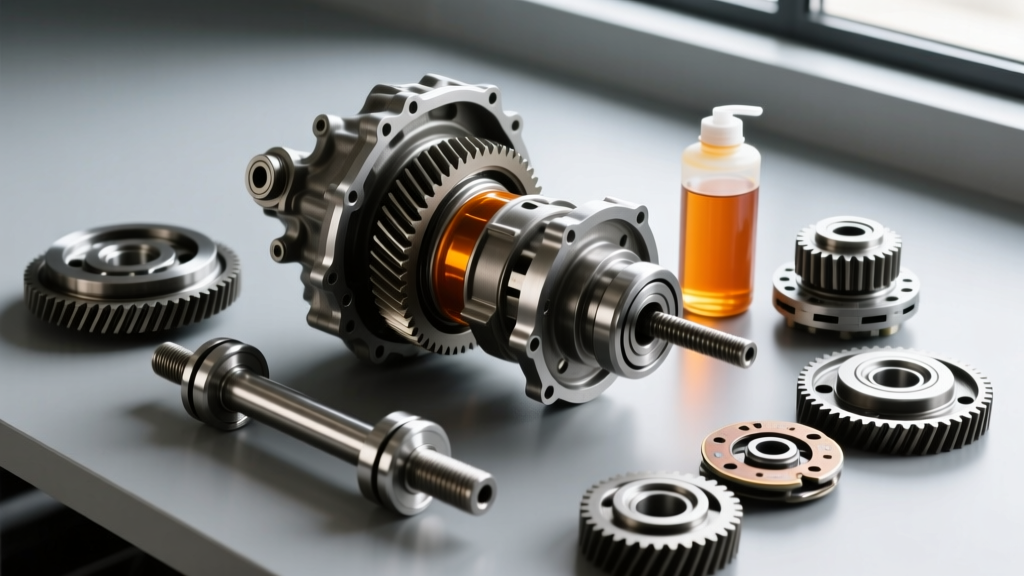
Because these lockers operate as standard open differentials when disengaged, they do not rely on internal fluid friction to actuate their locking mechanisms. Therefore, they benefit immensely from full synthetic gear oils. Synthetics offer superior shear stability and maintain their viscosity index under extreme thermal loads. For an ARB Air Locker or an Eaton E-Locker, a synthetic 75W-140 GL-5, such as Amsoil Severe Gear or Royal Purple Max Gear, is highly recommended. These fluids provide maximum protection for the ring and pinion without interfering with the pneumatic or electronic engagement mechanisms.
Establishing a Performance Maintenance Schedule
To ensure the longevity of your upgraded differential, adhere to a strict fluid maintenance schedule. Drain and refill the differential fluid after the initial 500-mile break-in period to remove the metallic lapping compound. Thereafter, change the fluid every 15,000 miles for street-driven vehicles, or immediately after any deep water submersion or extreme desert racing event. Always use a new crush washer or RTV silicone (depending on the cover design), and torque the fill and drain plugs to exactly 25-30 lb-ft to prevent stripping the aluminum threads on aftermarket differential covers.