The Toyota RAV4 remains one of the most capable compact crossovers on the market, but its all-wheel-drive (AWD) capabilities are entirely dependent on the often-overlooked hypoid gear sets hiding in the rear axle. As of the 2026 model year, the XA50 generation continues to dominate the segment, offering vastly different drivetrain architectures depending on the trim level. Understanding the relationship between your specific gear ratio, thermal loads, and your rav4 differential fluid is critical for long-term drivetrain survival and optimal performance.
The Physics of the XA50 Hypoid Gear Set
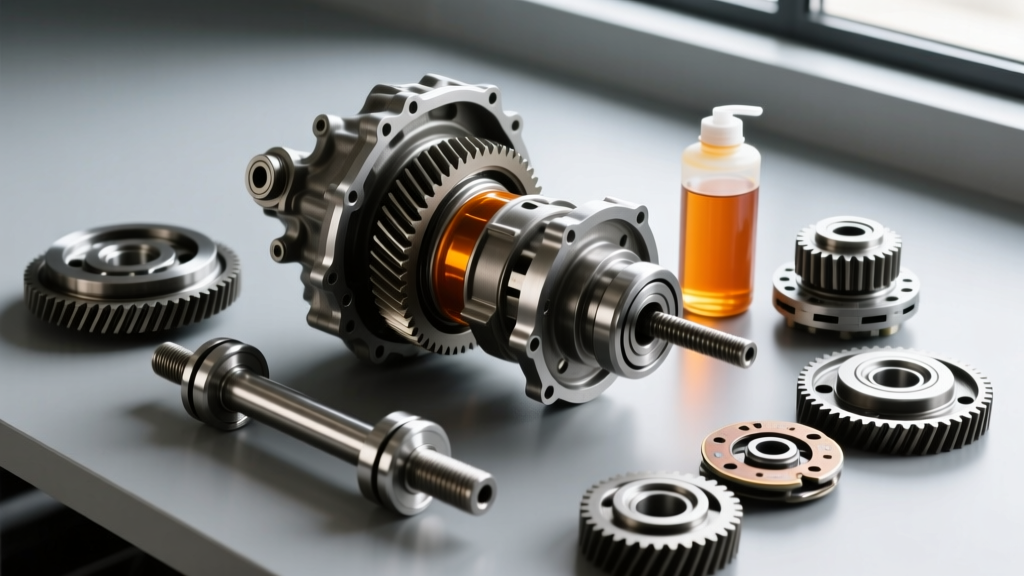
Unlike the straight-cut or helical gears found in manual transmissions, the RAV4’s rear differential utilizes a hypoid ring and pinion gear set. The pinion gear is mounted offset below the centerline of the ring gear. This design lowers the driveshaft tunnel for better interior packaging and provides exceptional torque multiplication, but it introduces severe sliding friction across the gear teeth.
Gear Ratios and Thermal Load
The standard rear differential gear ratio for most AWD XA50 RAV4 models is 3.357:1. This numerical ratio dictates how many times the driveshaft (and pinion gear) must rotate to turn the rear wheels once. A ratio of 3.357 provides a strong balance between off-the-line acceleration and highway cruising RPM. However, this torque multiplication generates immense localized heat at the pinion bearing and the gear mesh point.
When gear oil is subjected to high shear forces and extreme pressure (EP), the fluid film separating the metal teeth can thin out. If the fluid viscosity is too low, or if the EP additives (typically sulfur-phosphorus compounds) are depleted, metal-on-metal contact occurs, leading to pitting, galling, and eventual catastrophic failure of the ring and pinion.
Drivetrain Configurations: Standard vs. Torque Vectoring
Not all RAV4 rear differentials are created equal. Toyota offers two distinct AWD systems in the XA50 chassis, which drastically alter fluid capacity, thermal dynamics, and service procedures.
| Trim / AWD System | Rear Gear Ratio | Fluid Capacity | OEM Fluid Specification | Towing Capacity |
|---|---|---|---|---|
| LE / XLE / Limited (Dynamic Torque Control) | 3.357:1 | 0.65 L (0.69 qt) | API GL-5 SAE 75W-85 | 1,500 lbs |
| Adventure / TRD Off-Road (Dynamic Torque Vectoring) | 3.357:1 | 0.80 L (0.85 qt)* | API GL-5 SAE 75W-85 | 3,500 lbs |
*Note: Torque Vectoring (TV-AWD) differentials feature a separate rear disconnect and twin-clutch pack mechanism. While the hypoid gear chamber holds approx. 0.80L, the clutch actuator requires specific attention to fluid levels to prevent AWD malfunction codes.
Step-by-Step Rear Differential Service Guide
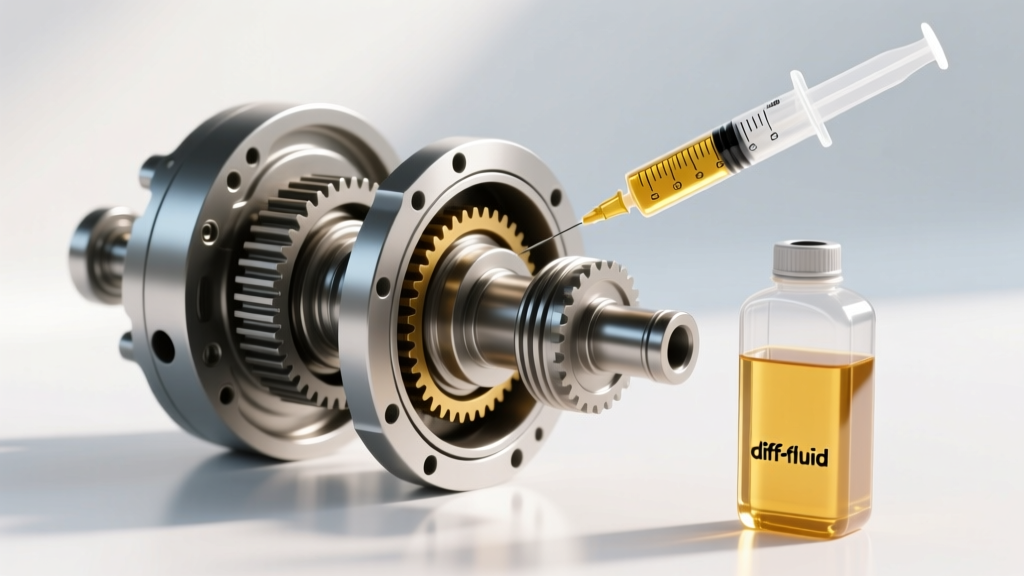
Servicing the rear differential on the RAV4 is a straightforward task, but it requires precision. Because the fluid capacity is so small (less than a single quart), even minor under-filling can starve the pinion bearing, while over-filling can cause aeration and blown seals due to thermal expansion.
Tools and OEM Materials
- Fluid: Toyota Genuine Hypoid Gear Oil API GL-5 SAE 75W-85 (Part No. 08885-02506) or equivalent synthetic.
- Crush Washers: Two new aluminum gaskets (Part No. 90430-18008).
- Tools: 10mm Hex (Allen) socket, 3/8" torque wrench, fluid transfer pump syringe, wire brush, and a catch pan.
The Drain and Fill Procedure
- Preparation: Drive the vehicle for 10-15 minutes to bring the hypoid gear oil up to operating temperature. This suspends metallic particulates and allows for a complete drain.
- Access: Safely lift and support the rear of the RAV4 on jack stands. Remove the plastic underbody aero shields (typically secured with 10mm bolts and plastic push-clips).
- Fill Plug First: Critical Rule: Always remove the upper FILL plug before removing the lower DRAIN plug. Use the 10mm hex socket. If the fill plug is seized and you drain the fluid first, you risk stranding the vehicle.
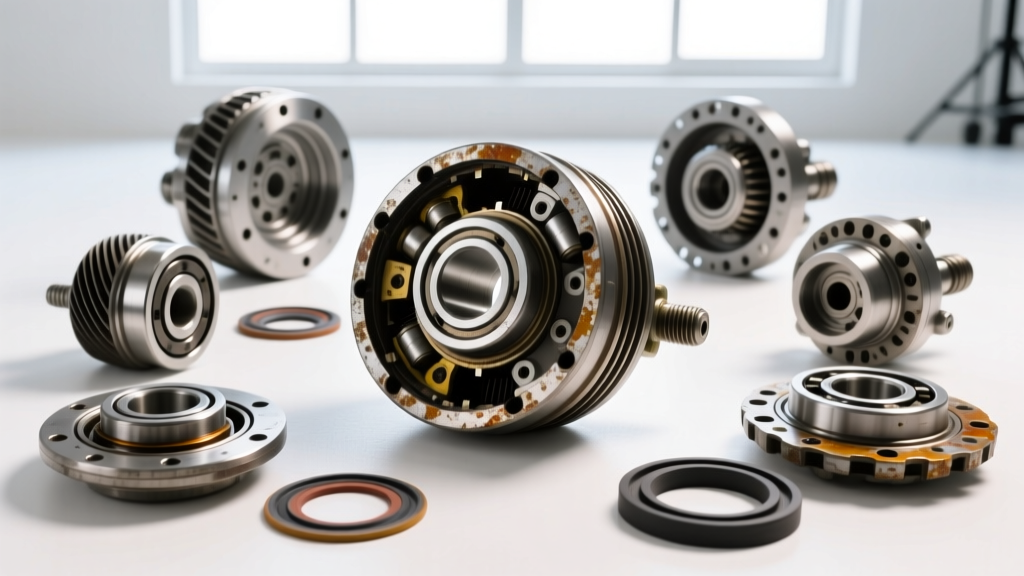
- Drain: Remove the lower drain plug. Allow the fluid to drain completely. Inspect the magnetic tip on the drain plug. A fine, glitter-like metallic paste is normal wear. Any chunks or needle-like shards indicate severe gear or bearing failure.
- Clean and Prep: Clean both plugs with brake cleaner and a wire brush. Install new aluminum crush washers (Part No. 90430-18008) on both plugs.
- Fill: Reinstall the drain plug and torque to 29 ft-lbs (39 Nm). Using your transfer pump, fill the differential with 75W-85 GL-5 fluid until it begins to weep out of the fill hole.
- Final Torque: Allow the fluid to settle for 2 minutes. Recheck the level to the bottom of the fill threads. Install the fill plug and torque to 29 ft-lbs (39 Nm).
Performance Tuning: 75W-85 vs. 75W-90
Toyota specifies 75W-85 GL-5 for the RAV4 primarily to reduce parasitic drivetrain drag, thereby maximizing EPA fuel economy ratings. For the daily commuter, this fluid is perfectly adequate. However, if you own an Adventure or TRD Off-Road trim and regularly tow near the 3,500 lb limit, or if you frequently drive in mountainous terrain, the thermal load on the 3.357 ratio gears will exceed the optimal operating window of standard 75W-85.
Expert Insight: Upgrading to a high-quality synthetic 75W-90 GL-5, such as those formulated by Red Line Oil or Amsoil Severe Gear, provides a thicker hydrodynamic film at high temperatures. While you may lose a fractional amount of fuel economy due to increased fluid viscosity, the shear stability of a true 75W-90 synthetic will drastically extend the life of the hypoid gear set under heavy towing loads.
It is vital to ensure any aftermarket fluid meets the API GL-5 specification. GL-4 fluids lack the necessary sulfur-phosphorus extreme pressure additives required to protect the sliding friction of hypoid gears. Using GL-4 will result in rapid gear wear. Always consult your specific Toyota Owner's Manual to verify capacities and specifications for your exact VIN.
Diagnosing Ratio-Related Noise and Fluid Cavitation
The 3.357 gear ratio in the RAV4 is generally quiet, but fluid degradation can lead to distinct acoustic signatures. Understanding these noises can save you from a $2,500+ differential replacement bill.
- Coast-Down Whine (Deceleration): A howling noise when you lift off the throttle between 30-50 mph usually indicates wear on the coast side of the hypoid gear teeth. This is often caused by running low on fluid, which starves the pinion bearing and alters the gear mesh pattern.
- Acceleration Howl: Whining under load (especially when towing up an incline) points to wear on the drive side of the ring gear. This is a classic symptom of fluid shear breakdown where the EP additives have failed to prevent micro-welding of the gear surfaces.
- Clunk on Engagement: While often attributed to worn universal joints or CV axles, a sharp clunk when shifting from Reverse to Drive can indicate excessive backlash in the differential. This happens when the pinion bearing preload collapses due to prolonged use of degraded, acidic gear oil.
By adhering to a strict 30,000-mile service interval for severe use (towing, off-roading, or extreme climates), and matching your fluid viscosity to your actual performance demands, you can ensure your RAV4’s AWD system remains capable and reliable for hundreds of thousands of miles.