The Mechanical Reality: What Does a Locked Differential Do to Drivetrain Stress?
When off-road enthusiasts and heavy-duty fleet operators ask what does a locked differential do for vehicle capability, the immediate answer is maximum traction. By forcing both axle shafts to rotate at a 1:1 ratio regardless of available grip, locking differentials—whether pneumatic (ARB Air Locker), electric (Toyota e-Locker), or automatic mechanical (Detroit Locker)—conquer terrain that would strand an open differential. However, from a tribological and financial perspective, locking a differential fundamentally alters the internal stress profile of the axle assembly, dictating stringent gear oil specifications and altering long-term maintenance costs.
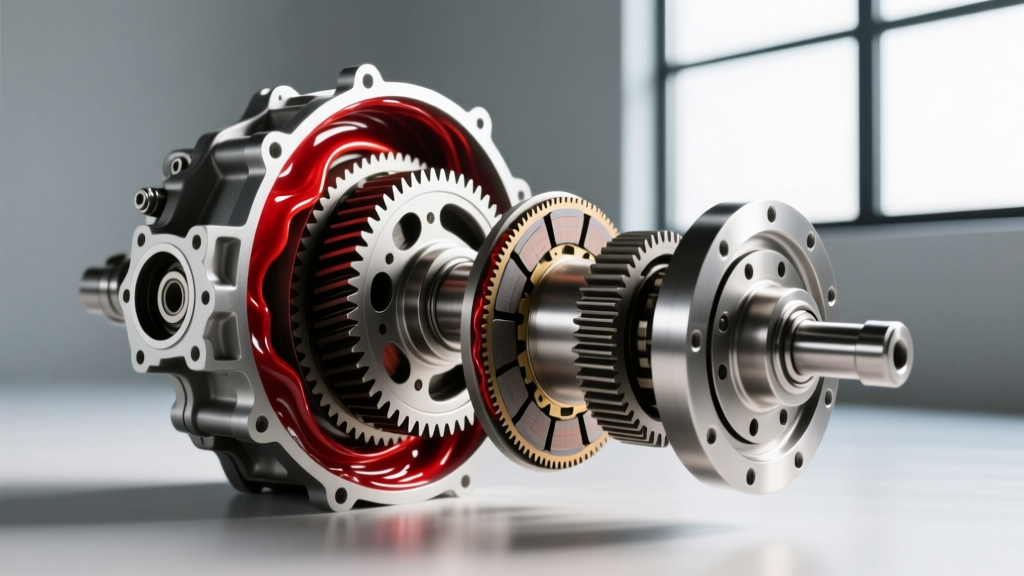
In a standard open differential, spider gears allow the outside wheel to rotate faster than the inside wheel during a turn, equalizing torque and minimizing internal binding. When a differential is locked, this compensation is eliminated. During low-speed turns on high-traction surfaces, the tires must skip or chirp to relieve the accumulated torsional energy. This phenomenon, known as axle wind-up, transfers immense shock loads directly through the axle shafts, into the carrier, and ultimately onto the ring and pinion gear teeth. According to Dana Spicer Technical Resources, these localized shock loads can spike internal differential temperatures by up to 40°F above normal operating ranges and subject the hypoid gear sliding surfaces to extreme boundary lubrication conditions.
Gear Oil Chemistry: Why Standard 75W-90 Fails in Locked Axles
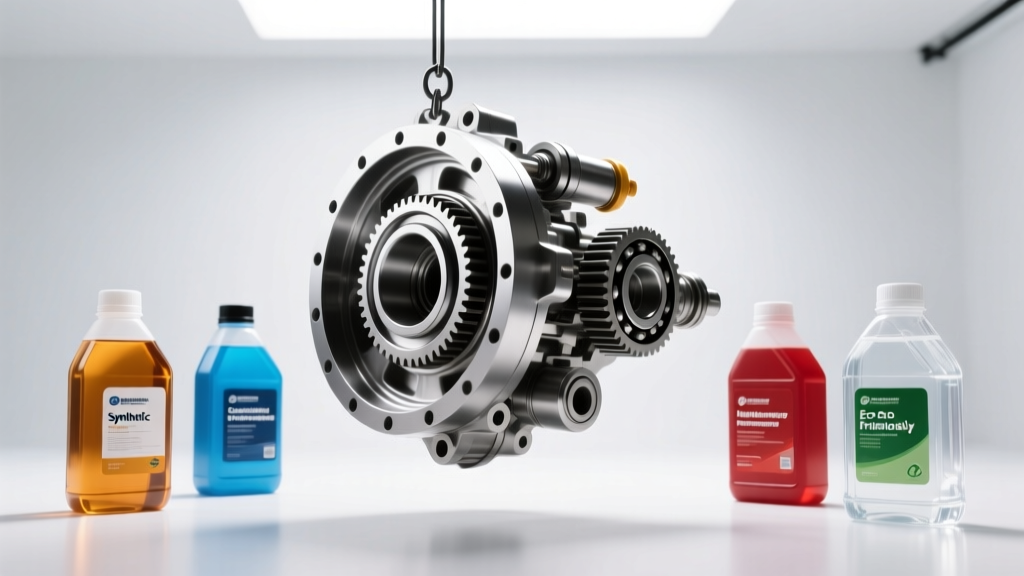
To survive the sheer forces generated by a locked carrier, the gear oil must possess exceptional film strength and shear stability. The American Petroleum Institute (API) classifies gear oils based on their Extreme Pressure (EP) additive packages. For any locked differential, API GL-5 is the absolute minimum requirement. GL-5 fluids contain high concentrations of phosphorus-sulfur EP additives (often Zinc Dialkyldithiophosphate or ZDDP) that chemically react with the metal surfaces of the ring and pinion under high heat and pressure, forming a sacrificial solid-film barrier that prevents micro-welding and gear scoring.
However, viscosity selection is where the 2026 cost analysis diverges from standard maintenance. While an open differential in a daily-driven SUV might thrive on a standard 75W-90 synthetic, a locked differential subjected to off-road articulation or heavy towing requires a 75W-140 full synthetic. The higher high-temperature high-shear (HTHS) viscosity of a 75W-140 fluid ensures that the lubricating film does not rupture when the locking teeth (in mechanical lockers) or the pneumatic actuator seals (in air lockers) are subjected to sudden torque spikes. Premium Group IV (PAO) synthetic base stocks, which dominate the 75W-140 market, resist oxidation and foaming far better than Group III hydrocracked oils, but they come at a distinct price premium.
The Friction Modifier Variable: Clutch vs. Mechanical Lockers
A critical distinction in differential fluid specifications lies in the locking mechanism itself. If your axle utilizes a clutch-based limited-slip or selectable locker (such as the Eaton E-Locker or Auburn Gear LSD), the fluid must include a Friction Modifier (FM). Without FM, the clutch packs will experience stick-slip vibration, resulting in severe chatter, premature clutch disc wear, and eventual failure. Conversely, full mechanical lockers like the Detroit Locker or automatic lockers like the Lockright do not use clutch packs; adding a friction modifier to these units reduces the coefficient of friction on the locking teeth, which can lead to delayed engagement or dangerous disengagement under load.
2026 Cost Analysis & Price Breakdown: Locked vs. Open Differentials
The financial impact of running a locked differential extends beyond the initial purchase price of the carrier. The specialized fluids, additives, and more frequent service intervals required to protect the drivetrain represent a measurable increase in total cost of ownership. Below is a detailed breakdown of average 2026 market pricing for differential fluid services.
| Service Category | Required Fluid Spec | Parts & Fluid Cost | Shop Labor (Est.) | Total Service Cost |
|---|---|---|---|---|
| Open Differential (Standard) | 75W-90 GL-5 Synthetic | $25 - $45 | $80 - $120 | $105 - $165 |
| Clutch-Based LSD / Locker | 75W-90 GL-5 + FM Additive | $40 - $65 | $90 - $130 | $130 - $195 |
| Heavy-Duty Mechanical Locker | 75W-140 GL-5 Full Synthetic | $60 - $95 | $100 - $150 | $160 - $245 |
| Severe Duty / Competition | 75W-140 + Shock Tube Additive | $90 - $140 | $120 - $180 | $210 - $320 |
Cost Drivers in 2026: The price of PAO-based synthetic base stocks has risen by approximately 12% since 2024 due to global supply chain shifts in chemical feedstocks. A standard quart of name-brand 75W-90 (e.g., Mobil 1 or Valvoline) retails for $9-$12, whereas a quart of high-end 75W-140 (such as Red Line P/N 50304 or Royal Purple P/N 01304) commands $18-$24 per quart. Furthermore, a bottle of high-quality friction modifier (e.g., Lubegard P/N 60031) adds $10-$15 to the bill. For a dual-locked 4x4 (front and rear axles), a complete DIY fluid change using top-tier 75W-140 and FM will cost roughly $120-$160 in materials alone, compared to $40 for basic open-differential fluids.
Application-Specific Capacities, Torque Specs, and Procedures
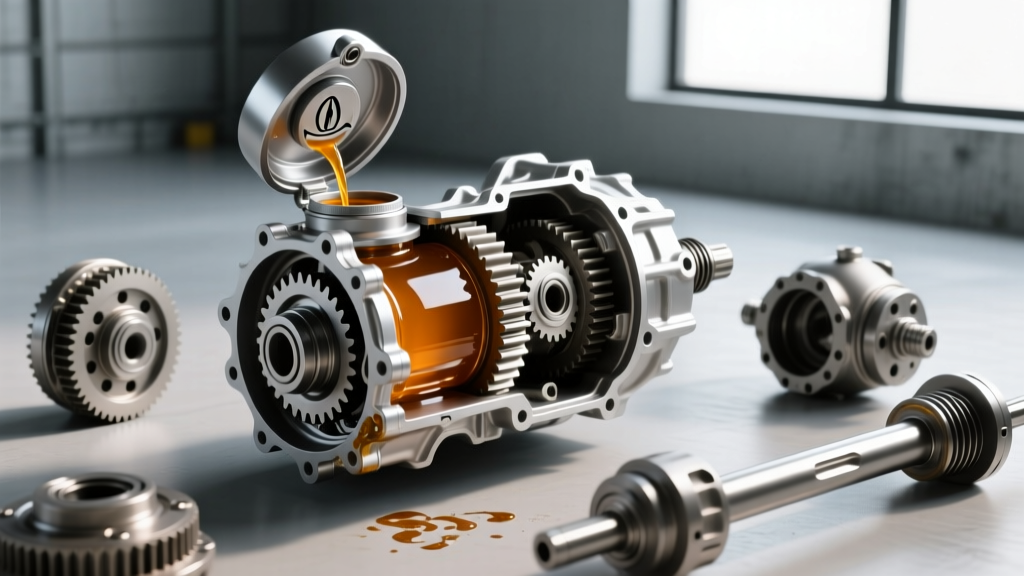
Proper maintenance of a locked differential requires adherence to exact engineering specifications. Over-tightening fill plugs can crack the differential housing, while under-tightening cover bolts leads to catastrophic fluid loss and immediate gear seizure. Below are the precise specifications for common locked axle platforms:
- Dana 44 / Dana 60 (Jeep Wrangler Rubicon / Ford Super Duty):
- Capacity: 2.0 to 2.5 quarts (Front) / 2.5 to 3.5 quarts (Rear).
- Spec: 75W-140 Synthetic GL-5 (No FM required for Detroit/E-Locker; FM required for Trac-Lok).
- Torque Specs: Cover bolts: 30-35 lb-ft (star pattern). Fill plug: 25 lb-ft.
- Ford 8.8 / 9.75 (F-150 with Electronic Locking Rear):
- Capacity: 1.8 to 2.2 quarts (8.8) / 2.6 to 3.0 quarts (9.75).
- Spec: 75W-140 Synthetic GL-5 + 4 oz Friction Modifier (XL-3).
- Torque Specs: Fill plug: 33 lb-ft. Cover bolts (if equipped): 28-32 lb-ft.
- Toyota 8" / 8.2" (Tacoma / 4Runner with Rear e-Locker):
- Capacity: 3.2 quarts (approx. 3.0 Liters).
- Spec: 75W-90 GL-5 (Toyota Genuine Gear Oil LT 75W-85 is often specified for fuel economy, but 75W-90 is preferred for locked off-road use).
- Torque Specs: Fill/Drain plugs: 29 lb-ft (39 Nm). Use a new 24mm crush washer.
Pro-Tip for RTV vs. Gaskets: When servicing axles without a drain plug (requiring cover removal), always clean the mating surfaces with brake cleaner. Use a high-torque RTV silicone like Permatex Ultra Black (P/N 81878) rather than cheap cork gaskets, which tend to extrude and leak under the higher internal pressures generated by locked differentials. Allow the RTV to cure for at least 2 hours before filling with gear oil.
The Hidden Costs of Neglect: Failure Modes and Rebuild Pricing
Ignoring the specific gear oil requirements of a locked differential is a fast track to a catastrophic axle failure. The most common failure mode in neglected locking differententials is carrier bearing and pinion bearing spalling. Because locked diffs transfer 100% of the torsional load to both wheels simultaneously, the bearing preload is subjected to immense shock. If the gear oil has sheared down (lost its viscosity due to heat and mechanical churning), the metal-to-metal contact will pit the bearing races.
Once bearing pitting begins, the ring and pinion gear mesh pattern shifts. This misalignment leads to gear whine, followed by severe galling of the hypoid teeth. According to ARB 4x4 Accessories installation guidelines, contaminated or degraded fluid can also attack the internal O-rings and seals of pneumatic lockers, leading to air leaks and actuator failure—a $300+ part replacement on its own.
The Financial Reality of a Differential Rebuild
If a locked differential fails due to improper lubrication, the cost to rebuild the axle dwarfs the price of preventative fluid maintenance. A complete ring and pinion overhaul for a standard Dana 44 or Ford 8.8 includes:
- Ring and Pinion Gear Set: $250 - $450
- Master Overhaul Kit (Bearings, Seals, Shims, Crush Sleeve): $120 - $180
- Replacement Locker Components (if damaged): $150 - $600
- Professional Machine Shop / Driveline Labor: $600 - $1,000
Total Rebuild Cost: $1,120 to $2,230+ per axle.
Conclusion: Protecting Your Drivetrain Investment
Understanding the mechanical realities of what a locked differential does to your axle assembly is the first step in protecting your investment. The extreme binding forces and shock loads inherent to locked carriers demand high-shear, API GL-5 certified synthetic gear oils, carefully matched with the correct friction modifiers for your specific locker type. While the 2026 cost of premium 75W-140 synthetics and specialized additives represents a higher upfront maintenance expense, it is a fractional insurance policy against the thousands of dollars required for a complete ring, pinion, and carrier rebuild. Always adhere to exact torque specifications, use quality sealants, and service your locked differentials every 30,000 miles—or immediately after deep water submersion—to ensure your drivetrain performs flawlessly when the traction gets tough.