Acoustic Diagnostics: Decoding Acura MDX Rear Differential Noise
The Acura MDX has long been a benchmark in the luxury crossover segment, largely due to its sophisticated all-wheel-drive architectures. From the pioneering VTM-4 (Variable Torque Management) system in the first generation (2001-2006) to the torque-vectoring SH-AWD (Super Handling All-Wheel Drive) and modern standard AWD setups found in the 2026 lineup, the rear differential is a complex, high-stress component. When these units begin to vocalize, it is rarely a random occurrence; it is a precise mechanical symptom of fluid shear, clutch degradation, or bearing fatigue. As a drivetrain specialist, I approach every MDX rear differential noise complaint by first cross-referencing the acoustic profile with the specific AWD system's operational parameters.
The VTM-4 Low-Speed Groan: Friction Modifier Depletion
The most common complaint among Gen 1 and early Gen 2 MDX owners is a distinct, low-frequency groaning or shuddering sensation emanating from the rear axle during tight, low-speed turns (such as pulling into a driveway or navigating a parking garage). This is almost never a sign of catastrophic gear failure. Instead, it indicates that the specialized friction modifiers in the VTM-4 fluid have broken down due to thermal cycling and shear stress. The VTM-4 rear differential utilizes electromagnetic clutch packs to engage the rear wheels. When the fluid loses its viscosity and friction-modifying properties, the clutch plates chatter rather than engaging smoothly. In 90% of these cases, identifying the correct acura mdx rear differential fluid type and performing a double drain-and-fill resolves the issue entirely.
SH-AWD High-Frequency Whine: Planetary Gearset and Bearing Wear
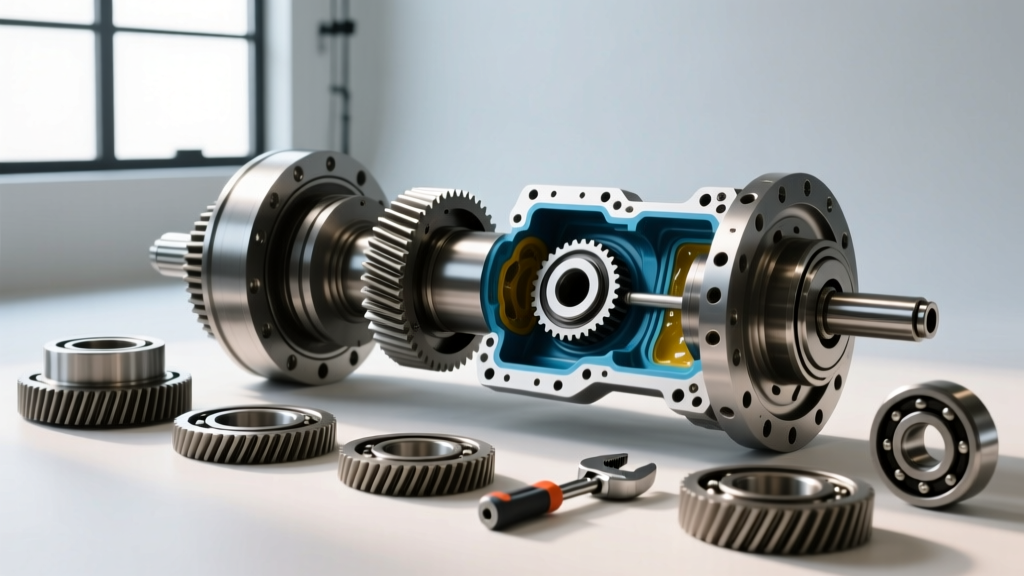
For MDX models equipped with SH-AWD (primarily 2007-2013, and select later trims), the rear differential is not just a simple gear reduction box; it contains an acceleration device and planetary gearsets that allow the rear wheels to spin up to 5% faster than the front wheels to vector torque. A high-pitched whine that correlates directly with vehicle speed—rather than engine RPM—points toward the hypoid gearset or the pinion/carrier bearings. If the whine occurs strictly on deceleration (coasting), the pinion bearing or the coast side of the ring and pinion teeth is likely pitted. If it whines under load (acceleration), the drive side of the gears or the carrier bearings are suspect. Unlike the VTM-4 chatter, SH-AWD whine at highway speeds usually requires a teardown, bearing preload adjustment, or a complete unit replacement.
Drivetrain Clunk and Backlash
A metallic clunk when shifting from Drive to Reverse, or when abruptly lifting off the throttle, indicates excessive backlash in the ring and pinion or worn differential mounts. Before condemning the internal gears, inspect the rear differential mounting bushings and the driveshaft center support bearing. The MDX's rear subframe isolators can also collapse over time, transmitting drivetrain shock directly into the cabin, mimicking internal differential play.
Matching the Correct Acura MDX Rear Differential Fluid Type
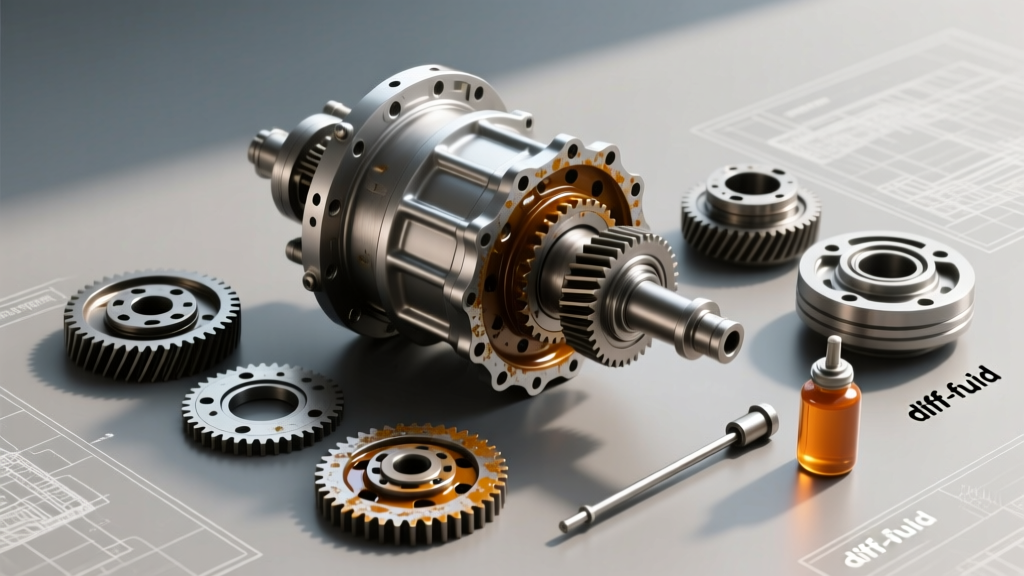
Using generic 75W-90 gear oil in an Acura rear differential is a critical error that will destroy the internal clutch packs within a few thousand miles. Honda/Acura engineers formulate their proprietary fluids with specific friction modifiers tailored to their unique clutch materials. Below is the definitive matrix for MDX rear differential service specifications.
| MDX Generation / Years | AWD System | Required Fluid Type | OEM Part Number | Capacity (Approx.) | Plug Torque Spec |
|---|---|---|---|---|---|
| Gen 1 (2001-2006) | VTM-4 | VTM-4 Differential Fluid | 08200-9003 | 3.1 US qts (2.9L) | 32 lb-ft (43 Nm) |
| Gen 2 (2007-2013) | SH-AWD | SH-AWD Fluid | 08200-9007 | 2.1 US qts (2.0L) | 32 lb-ft (43 Nm) |
| Gen 3 (2014-2020) | Standard AWD | DPSF-II (Dual Pump System) | 08200-9002 | 2.1 US qts (2.0L) | 32 lb-ft (43 Nm) |
| Gen 4 (2022-2026) | Standard / SH-AWD | DPSF-II / SH-AWD Fluid | 08200-9002 / 08200-9007 | 1.9 - 2.2 US qts | 36 lb-ft (49 Nm) |
Note: Always verify your specific VIN through the Honda/Acura TechInfo portal to confirm the exact drivetrain configuration, as mid-year production changes can alter fluid requirements.
Expert Service Procedure: The Double-Drain and Reset Protocol
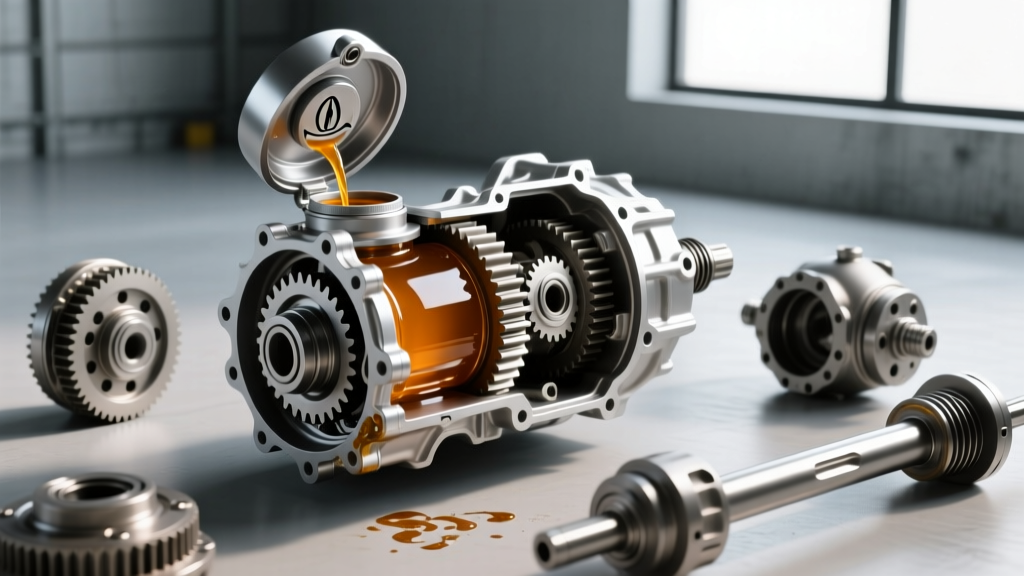
When addressing VTM-4 chatter or standard AWD clutch shudder, a single drain-and-fill is insufficient. The clutch packs retain a significant volume of degraded fluid. To properly service the unit, we utilize the "Double-Drain" method, followed by a system reset.
Step 1: Preparation and First Drain
- Raise the MDX on a level lift. Ensure the vehicle is perfectly level to guarantee an accurate fill volume.
- Place a drain pan beneath the rear differential. Remove the 18mm fill plug first. (Never remove the drain plug before confirming the fill plug is free; if the fill plug is seized, you will strand the vehicle).
- Remove the 18mm drain plug. Inspect the magnetic tip. A fine, dark metallic paste is normal for a 60,000-mile service. Large metallic flakes or chunks indicate severe gear or bearing spalling, requiring a rebuild.
- Replace the drain plug using a new 18mm crush washer (Part # 90471-PX4-000). Torque to 32 lb-ft. (Sourcing OEM washers from reliable suppliers like RockAuto is highly recommended over reusing annealed aluminum washers).
Step 2: First Fill and Agitation
- Fill the differential with the exact OEM fluid specified in the matrix above until it reaches the bottom edge of the fill hole.
- Reinstall the fill plug with a new crush washer. Torque to 32 lb-ft.
- Lower the vehicle and drive it for 10-15 minutes. Perform a series of tight, slow-speed figure-8 maneuvers in an empty lot. This forces the VTM-4/AWD clutches to cycle, purging the old fluid trapped inside the clutch pack into the main sump.
Step 3: Second Drain and Final Fill
Repeat the drain and fill process. This second cycle ensures that roughly 95% of the degraded fluid is removed from the system. For VTM-4 models, the new fluid's friction modifiers will immediately begin conditioning the clutch plates.
Step 4: The VTM-4 System Reset
For Gen 1 MDX models, the VTM-4 control unit retains adaptive memory regarding clutch slip. After a fluid change, you must reset the system to prevent the ECU from continuing to command aggressive clutch engagement based on the old fluid's slip profile. While a bi-directional OBDII scanner with Honda HDS software is the professional standard, the manual steering-wheel reset procedure is widely documented and verified by the Acura MDX Owners Community.
Manual VTM-4 Reset (Gen 1): Raise the front wheels off the ground. Start the engine. Shift to Drive and allow the front wheels to spin to approximately 10 MPH. Turn the steering wheel fully to the left, then fully to the right, repeating this lock-to-lock cycle 5 times. Turn the ignition off. This clears the clutch adaptation memory.
When Fluid Fails: Mechanical Rebuild Thresholds
While identifying the correct acura mdx rear differential fluid type cures the vast majority of low-speed noise complaints, fluid cannot repair physical destruction. If the differential exhibits a rhythmic "howl" that changes pitch exactly with road speed, or if there is visible metal debris on the drain plug magnet, the unit requires a teardown.
- Pinion Bearing Preload: Rebuilding an MDX rear diff requires specialized tools to measure pinion bearing preload (typically 8-14 in-lbs of rotational torque) and gear backlash (0.005 - 0.008 inches). Improper preload will cause the new bearings to overheat and fail within 5,000 miles.
- SH-AWD Acceleration Device: The planetary gearset inside the SH-AWD unit is highly sensitive to contamination. If the fluid has been neglected past 90,000 miles, the micro-clutches inside the acceleration device often fuse together, causing the rear wheels to bind on dry pavement. This requires a complete OEM remanufactured unit swap, as internal SH-AWD clutch packs are rarely serviced independently by dealerships.
- Cost Expectations (2026 Pricing): A standard fluid service costs between $120 and $180 at an independent specialist. Conversely, an OEM remanufactured SH-AWD rear differential unit currently retails between $2,800 and $3,600, plus 4-6 hours of labor and a mandatory driveshaft realignment.
Ultimately, the longevity of your Acura MDX drivetrain hinges on strict adherence to OEM fluid chemistry and proactive acoustic diagnostics. Treat the rear differential not as a sealed, lifetime component, but as a high-performance clutch system that demands precise, scheduled maintenance.