Decoding the Ford F150 Differential: Limited Slip Architectures
When evaluating the drivetrain of America's best-selling truck, the rear axle remains the critical bottleneck for translating EcoBoost V6 or 5.0L Coyote V8 torque into forward momentum. As of 2026, the 14th-generation Ford F-150 platform continues to rely heavily on the legendary 8.8-inch and the heavier-duty 9.75-inch ring gear axles. For owners navigating low-traction environments, towing heavy payloads, or venturing off-pavement, the Limited Slip Differential (LSD) is an indispensable piece of engineering. However, an LSD is not a 'fill it and forget it' component. Understanding the mechanical operation of your specific Ford F150 differential and adhering to strict maintenance protocols is the only way to prevent premature clutch degradation and gear whine.
Clutch-Pack (Traction-Lok) vs. Helical Gear (Torsen)
Ford has historically utilized two primary limited-slip designs in the F-150 lineup, and their operational mechanics dictate entirely different maintenance strategies:
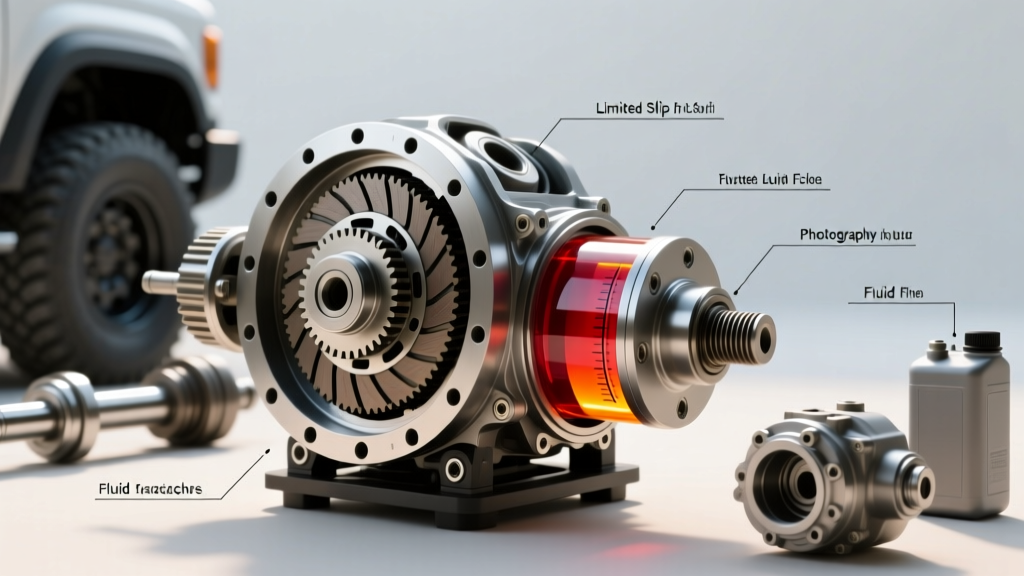
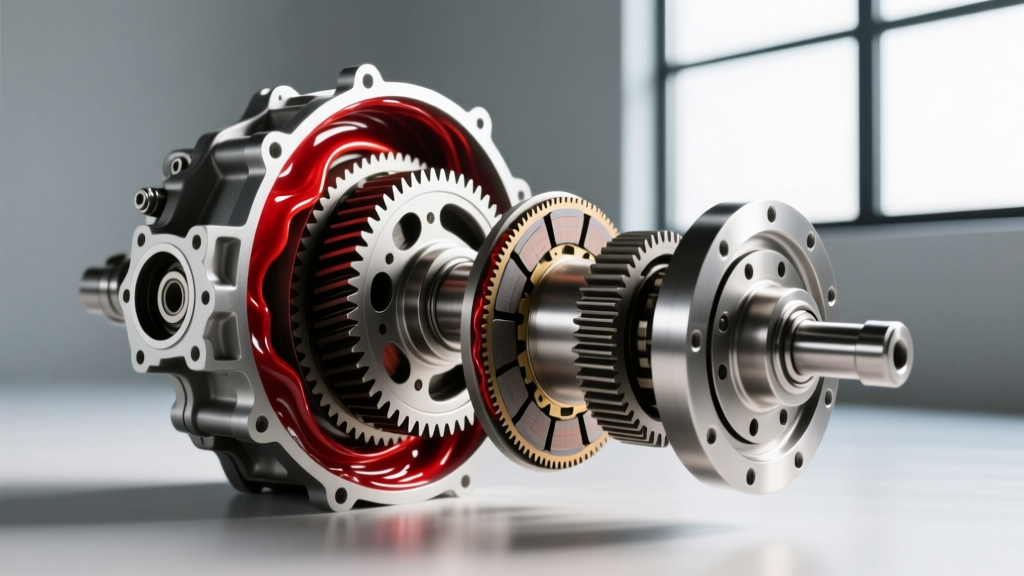
- Clutch-Pack (Ford Traction-Lok): This traditional design uses a series of alternating steel and friction-coated clutch plates positioned between the side gears and the differential case. Pre-load springs apply pressure to the pack. When one wheel loses traction, the torque bias forces the clutches to bind, transferring power to the wheel with grip. Over time, the friction material wears, requiring specific friction modifiers in the gear oil to prevent 'chatter' during low-speed cornering.
- Helical Gear (Torsen / TORque SENsing): Often found in performance or heavy-duty towing packages, the Torsen differential relies on precision-cut worm gears rather than friction clutches. As torque is applied, the gears wedge against the differential housing, creating a mechanical torque bias (typically 2.5:1 or 3:1). Because there are no friction clutches to wear out, Torsen units operate purely on gear mesh and do not require friction modifier additives.
Identifying Your F-150 Axle and LSD Type
Before draining a single drop of fluid, you must verify your axle code. Open the driver's side door and locate the Safety Compliance Certification Label. Look for the 'AXLE' code. While codes vary by model year, common limited-slip identifiers for the modern F-150 include:
- H9 / B6: 3.55 Electronic Locking Rear Axle (Note: E-Lockers require specific care, but operate as open diffs until engaged).
- X9 / B9: 3.55 Limited Slip (Traction-Lok Clutch Pack).
- V6 / V7: 3.73 / 4.10 Limited Slip (Often Torsen or Heavy-Duty Clutch Pack in Max Tow packages).
Expert Tip: If you are unsure whether you have a Torsen or a Traction-Lok, perform the 'driveway test'. Jack up the rear end safely. Rotate the driveshaft by hand. If one wheel spins forward and the other backward, it is an open diff. If both spin forward with significant resistance, you have an LSD. Checking the build sheet via your VIN on the Ford Owner portal is the most definitive method.
Ford F150 Differential Fluid Specifications & Capacities
Using the incorrect viscosity or omitting the friction modifier is the leading cause of LSD failure in F-150s. Below is the definitive 2026 specification matrix for Ford's most common truck axles.
| Axle Type | Fluid Viscosity Spec | Capacity (Approx.) | Friction Modifier Required? | Motorcraft Part Reference |
|---|---|---|---|---|
| 8.8-inch (Standard) | SAE 75W-85 Premium | 3.4 Pints (1.6L) | Yes (Clutch-Pack Only) | XO-75W85-QFS |
| Super 8.8-inch (HD) | SAE 75W-140 Synthetic | 3.75 Pints (1.8L) | Yes (Clutch-Pack Only) | XO-75W140-QFS |
| 9.75-inch (Max Tow) | SAE 75W-140 Synthetic | 5.5 Pints (2.6L) | Yes (Clutch-Pack Only) | XO-75W140-QFS |
| Torsen Equipped | SAE 75W-140 Synthetic | Varies by Housing | NO | XO-75W140-QFS |
The Additive Rule: For clutch-type Traction-Lok differentials, you must add exactly 4 oz (118 ml) of Motorcraft XL-3 Friction Modifier Additive (Part # E8OZ-19B546-A). Adding too much will cause the clutches to slip under heavy load; adding too little will result in aggressive binding and chatter during turns.
The Severe-Duty Service Protocol: Step-by-Step
While Ford's normal service interval for rear axle fluid can stretch to 150,000 miles, any F-150 used for towing, off-roading, or operating in extreme temperatures falls under 'Severe Duty.' In these scenarios, the differential fluid should be serviced every 50,000 to 60,000 miles. Here is the professional-grade service procedure:
1. Preparation and Extraction
Unlike some modern axles that feature a dedicated drain plug, the traditional Ford 8.8 and many 9.75 axles require dropping the differential cover to drain the fluid. Place a high-capacity catch pan beneath the axle. Use a 10mm socket to break loose the lower cover bolts first, allowing the fluid to drain slowly before removing the top bolts. If your specific 9.75 axle features a bottom drain plug (1/2-inch NPT), remove it using a 3/8-inch drive ratchet.
2. Surface Cleaning and Gasket Prep
Never reuse a crushed cork or rubber gasket. Clean the axle housing mating surface and the stamped steel or aluminum cover using a brass wire brush and brake cleaner. We recommend the Fel-Pro PermaDryPlus RDS 55028 gasket for the 8.8-inch axle, which features integrated compression limiters to prevent overtightening and splitting.
3. Reinstallation and Torque Specifications
Proper torque is critical. Warping the thin steel differential cover is a common DIY mistake that leads to chronic seepage.
- Differential Cover Bolts (8.8-inch / 10mm): Torque to 25 - 30 lb-ft in a crisscross pattern.
- Differential Cover Bolts (9.75-inch / 12mm): Torque to 33 - 38 lb-ft.
- Fill Plug (1/2-inch NPT): Torque to 22 - 26 lb-ft. Apply two wraps of PTFE thread seal tape to the plug threads before installation to prevent weeping.
4. The Refill Process
Remove the fill plug located on the upper front or side of the axle housing before you drain the fluid. (There is nothing worse than draining an axle only to find the fill plug is seized). Pump the 4 oz of XL-3 Friction Modifier into the empty fill hole first, followed by the synthetic gear oil until it reaches the bottom of the fill plug threads. Reinstall and torque the fill plug immediately.
Diagnosing LSD Chatter and Failure Modes
Even with meticulous maintenance, limited-slip differentials can develop NVH (Noise, Vibration, and Harshness) issues. Understanding the acoustic signatures of your Ford F150 differential will save you from unnecessary dealership visits.
Low-Speed Cornering Chatter
Symptom: A rhythmic 'thumping' or 'chattering' sensation felt through the chassis when turning at speeds under 15 mph, such as pulling into a driveway.
Diagnosis: The friction modifier has depleted, or the clutch packs have become glazed.
Solution: Drain the fluid, inspect the clutch packs for deep grooving on the steel plates. If the plates are intact, refill with fresh 75W-140 and add 5 oz (slightly over the standard 4 oz) of XL-3 modifier. Drive the truck in a parking lot performing 20 tight figure-eights to work the additive into the clutch pores.
Highway Deceleration Whine
Symptom: A high-pitched howl that occurs specifically when you let off the throttle between 45-65 mph.
Diagnosis: This is rarely an LSD clutch issue. It indicates ring and pinion gear wear, specifically on the 'coast' side of the gear teeth, or failing pinion bearings. According to drivetrain specialists at Ring-Pinion.com, improper gear backlash setup during a previous rebuild is the primary culprit for coast-side whine.
Slipping Under Heavy Load
Symptom: When towing a heavy trailer up an incline, one rear tire breaks traction and spins freely while the other does nothing, mimicking an open differential.
Diagnosis: The Traction-Lok clutch packs are completely worn out or the pre-load S-springs have collapsed.
Solution: A differential teardown and clutch pack replacement is required. For heavy-duty towing applications, consider upgrading to an aftermarket Eaton Detroit Truetrac (a gear-biased helical LSD) which eliminates clutch wear entirely while providing superior torque biasing.
Final Thoughts on Drivetrain Longevity
The Ford F150 differential is a remarkably robust assembly, but the limited-slip mechanism is a wear item. By matching the exact fluid viscosity to your axle ratio, strictly adhering to the 25-30 lb-ft cover torque specs, and understanding the vital role of the XL-3 friction modifier, you can easily push your F-150's rear axle past 200,000 miles of reliable, traction-rich service. For further technical diagrams and torque-angle specifications, always refer to the official Ford Motor Company Support Database using your specific VIN.