The Architecture of the Kia K5 AWD Drivetrain
As we evaluate mid-size sedan platforms in 2026, the Kia K5 drivetrain stands out for its sophisticated transverse all-wheel-drive (AWD) integration. Unlike longitudinal setups found in traditional sports sedans, the K5 utilizes a front-wheel-drive-biased transverse architecture. Whether equipped with the 1.6-liter T-GDi or the 2.5-liter T-GDi engine, power is routed through the Hyundai-Kia F8LF2 or F8MF2 8-speed automatic transaxle before reaching the AWD components.
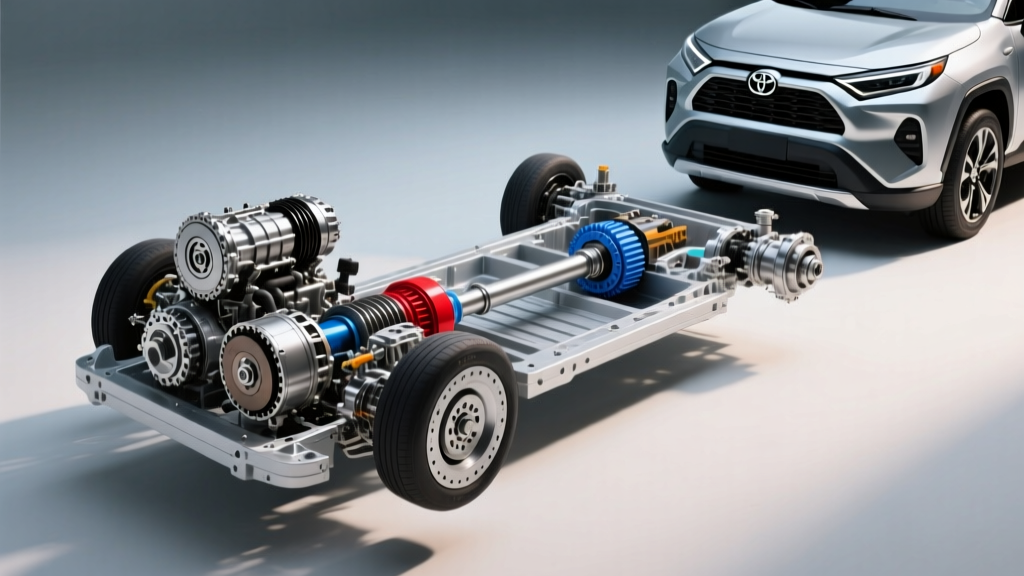
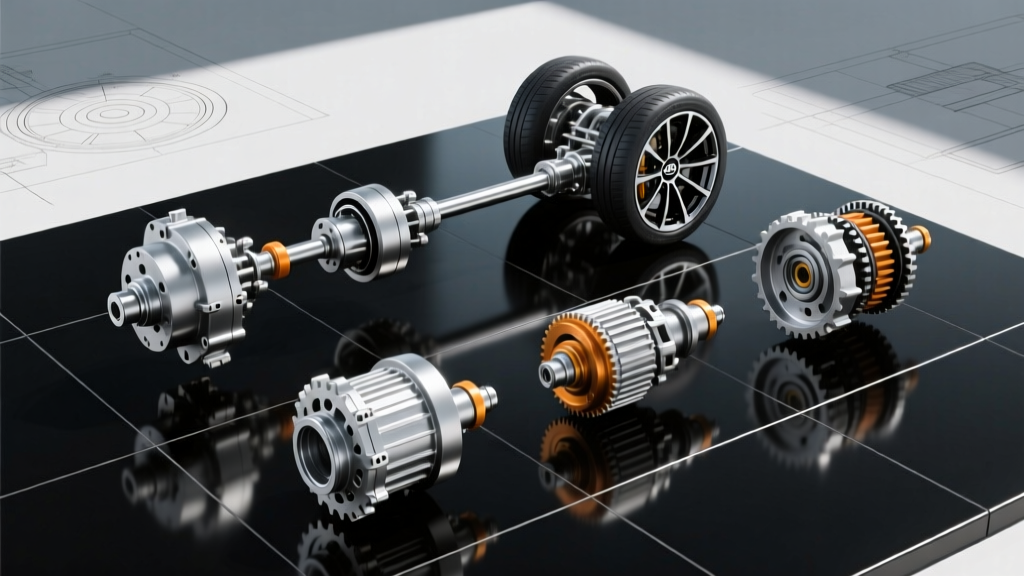
This FWD-biased layout prioritizes packaging efficiency and baseline fuel economy, but the AWD system transforms the K5 into a capable all-weather machine. To truly understand this system, we must dissect the mechanical and electronic handshakes that occur between the transaxle, the Power Transfer Unit (PTU), the propeller shaft, and the rear Electronically Controlled Coupling (ECC).
Power Transfer Unit (PTU): The Heart of the System
The Power Transfer Unit is bolted directly to the side of the F8LF2 transaxle. Its primary function is to intercept torque from the transaxle's ring gear and redirect it 90 degrees toward the rear of the vehicle. Inside the PTU casing, a hypoid gear set (often referred to as the angle gear) meshes with the transaxle output. This gear reduction not only changes the axis of rotation but also provides a slight mechanical advantage to handle the torque multiplication required to spin the rear driveshaft.
Because the PTU is mounted in close proximity to the transaxle and the exhaust routing, thermal management is a critical engineering challenge. The K5's PTU relies on a highly specific, low-viscosity hypoid gear oil to lubricate the angle gear bearings and dissipate heat. A common misconception among generalist mechanics is that this unit is 'sealed for life.' In reality, the severe thermal cycling degrades the fluid's shear stability, leading to premature bearing wear if left unserviced.
Expert Insight: The 'sealed for life' designation on modern transverse PTUs is a manufacturer liability shield, not a mechanical guarantee. For the Kia K5, dropping the PTU fluid every 30,000 to 45,000 miles is mandatory if you frequently drive in hilly terrain, tow, or experience heavy stop-and-go traffic. Refer to Kia's official owner resources for severe service schedules.
Fluid Specifications and Service Torque Data
Precision during drivetrain fluid services is non-negotiable. Using the incorrect friction modifier or viscosity will result in immediate ECC shudder or PTU gear whine. Below is the exact specification matrix for the K5 AWD system.
| Component | Fluid Specification | Capacity | Drain/Fill Torque Spec |
|---|---|---|---|
| PTU (Power Transfer Unit) | API GL-5 75W-85 Hypoid (OEM 04300-00110) | 0.45 L (0.48 qt) | 39.2 Nm (28.9 lb-ft) |
| Rear Differential (ECC) | API GL-5 75W-85 Hypoid | 0.55 L (0.58 qt) | 34.3 Nm (25.3 lb-ft) |
| F8LF2 Transaxle | ATF SP-IV (OEM 04500-00110) | 7.1 L (7.5 qt) Dry | N/A (Level Check) |
Note: Always verify torque specifications against the specific model year service manual, as casting revisions between 2021 and 2026 may alter plug thread pitches.
Electronically Controlled Coupling (ECC) Logic
While the PTU provides the mechanical link to the rear axle, the rear differential houses the 'brain' of the torque distribution system: the Electronically Controlled Coupling (ECC). The K5 does not use a traditional viscous limited-slip differential. Instead, it employs an electromagnetic clutch pack integrated into the rear differential housing.
The AWD Electronic Control Unit (ECU) monitors a vast array of sensor data up to 100 times per second. This includes:
- Wheel Speed Sensors: Detecting micro-slips between the front and rear axles.
- Yaw Rate & Lateral G-Force: Determining if the vehicle is understeering or oversteering in a corner.
- Steering Angle Sensor (SAS):strong> Anticipating driver intent before slip actually occurs.
- Throttle Position & Brake Pressure: Pre-loading the clutch pack during aggressive acceleration or disabling AWD during ABS braking events to prevent drivetrain binding.
When the ECU commands rearward torque transfer, it energizes an electromagnetic coil. This magnetic force pulls a ball-ramp mechanism, which physically compresses the multi-plate friction clutches. Depending on the slip condition, the ECC can seamlessly vary torque distribution from 100% FWD / 0% RWD up to a 50/50 split.
Common Failure Modes and Diagnostic Frameworks
Diagnosing a malfunctioning Kia K5 drivetrain requires isolating the fault to one of three zones: the transaxle/PTU, the propeller shaft, or the rear ECC. According to NHTSA service bulletins and field data, here are the most prevalent failure modes and how to identify them.
1. PTU Angle Gear Bearing Wear
Symptom: A distinct, high-pitched whining or howling noise that changes pitch with vehicle speed, but is most pronounced during deceleration (coast-down). It is often misdiagnosed as a front wheel bearing or transaxle differential whine.
Diagnostic Step: Lift the vehicle on a hoist and run it in gear while using a chassis ear or stethoscope on the PTU casing. If the noise is isolated to the PTU, drain the fluid and inspect for metallic glitter on the magnetic drain plug. Bearing replacement requires PTU disassembly; most shops opt for a complete PTU replacement.
2. ECC Clutch Pack Shudder
Symptom: A rhythmic shudder or binding sensation felt through the floorpan during tight, low-speed turns (like pulling into a parking space).
Diagnostic Step: This is almost always caused by degraded rear differential fluid lacking the proper friction modifiers. The clutch plates grab and release violently instead of slipping smoothly. A drain and fill with exact OEM-spec API GL-5 75W-85 fluid resolves this issue 90% of the time. If the shudder persists after two fluid changes, the ECC clutch pack is mechanically glazed and the rear differential assembly must be replaced.
3. Center Support Bearing Degradation
Symptom: A low-frequency rumble or vibration that peaks between 45-60 mph, often accompanied by a clunk when shifting from Reverse to Drive.
Diagnostic Step: Inspect the two-piece propeller shaft. The rubber isolator on the center support bearing cracks over time, allowing the driveshaft to deflect under load. Check the U-joints and CV joints at the PTU and rear differential flanges for excessive radial play.
Real-World Maintenance and Repair Costs
Understanding the financial implications of AWD ownership is vital for consumers and fleet managers. Below are the estimated 2026 market rates for Kia K5 drivetrain components, including parts and labor at an independent specialist (dealership rates will be 20-30% higher).
- PTU Fluid Service: $120 - $180 (Labor intensive due to tight subframe clearance).
- Rear Differential Fluid Service: $90 - $140.
- Complete PTU Assembly Replacement: $1,800 - $2,400 (OEM Part # 47300-2E000 series).
- Rear Differential (ECC) Replacement: $1,400 - $1,900.
- Propeller Shaft Assembly: $650 - $950.
For deeper engineering standards regarding hypoid gear lubrication and electromagnetic clutch dynamics, refer to the SAE International mobility standards database. Proper adherence to these fluid and torque specifications ensures the Kia K5's AWD system operates flawlessly for the life of the vehicle.