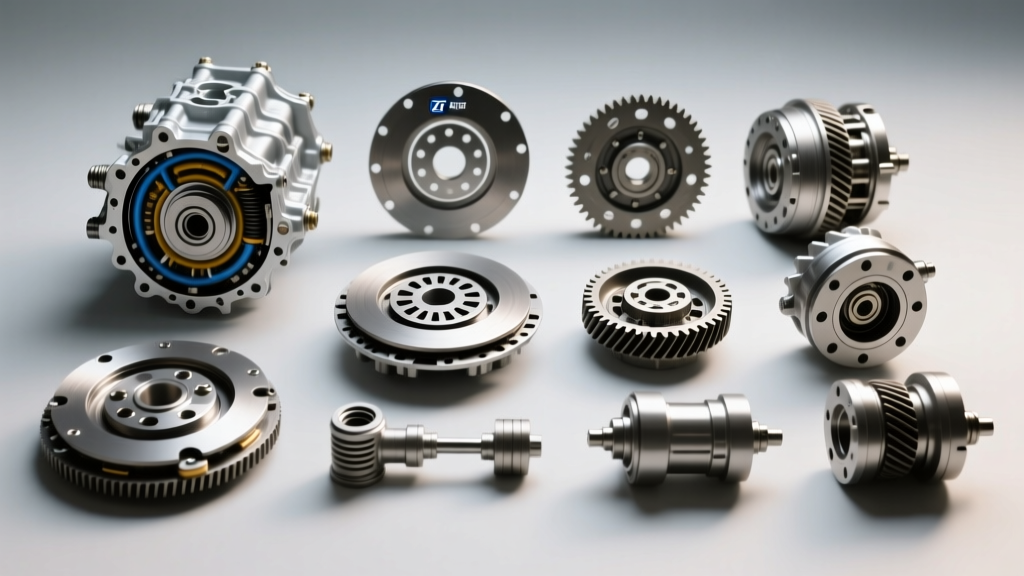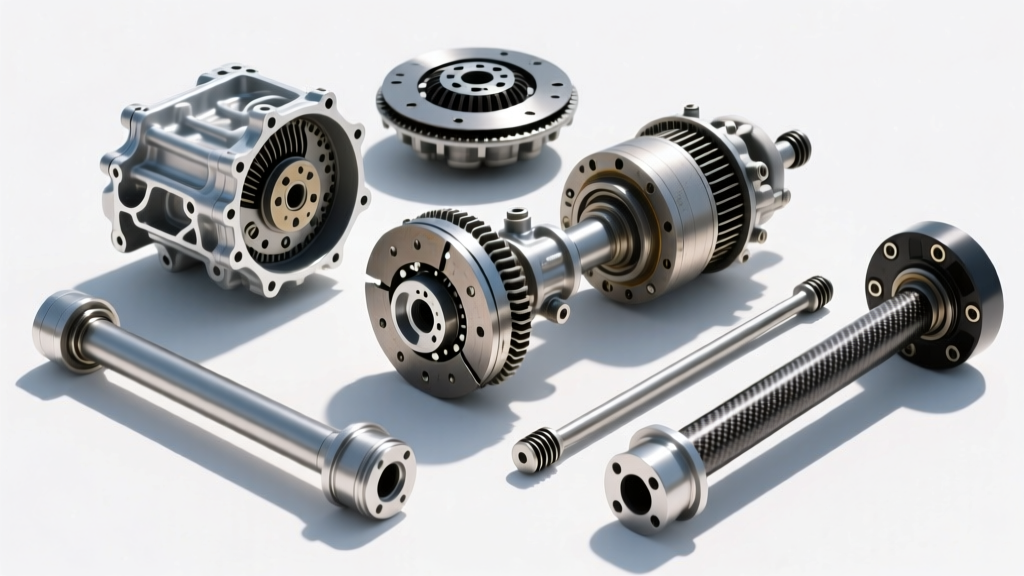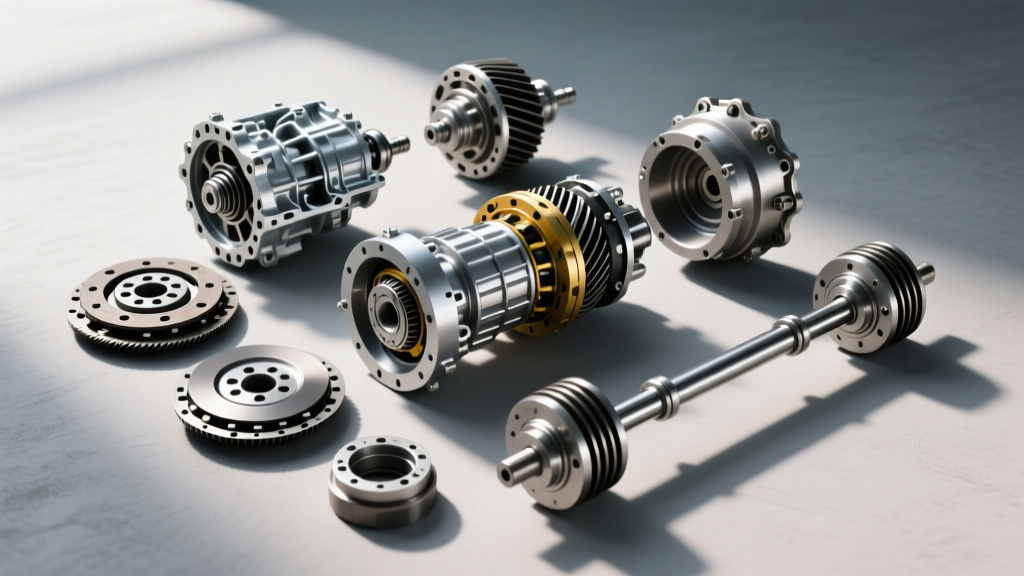
The Real-World Engineering Behind the Transformers Drivetrain
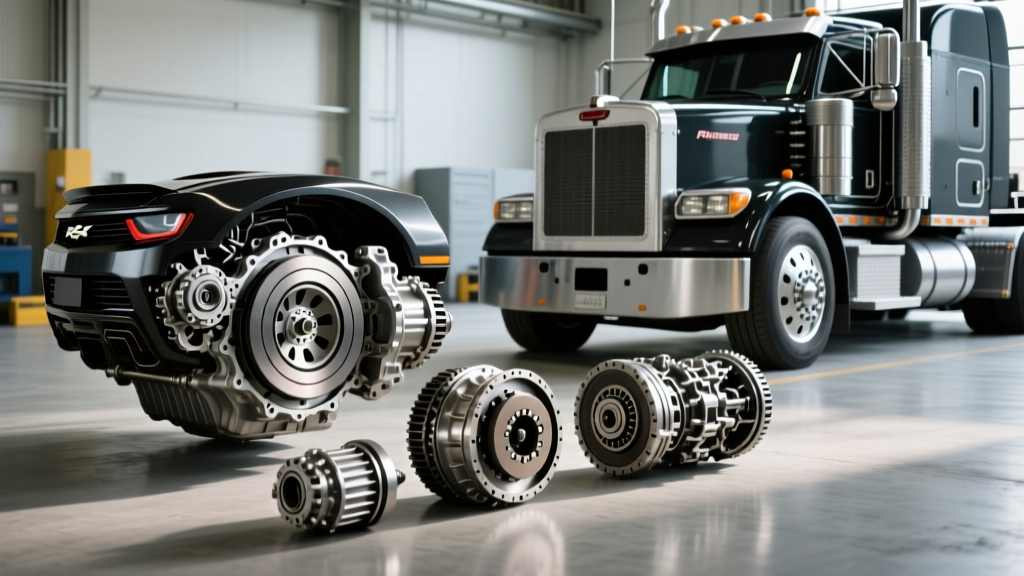
When automotive enthusiasts discuss a transformers drivetrain, they are rarely talking about fictional Cybertronian biomechanics. Instead, they are referring to the real-world, heavy-hitting drivetrain configurations of the iconic donor vehicles that inspired the franchise's most legendary characters. As of 2026, restoring and maintaining these platforms requires a master-level understanding of vastly different drivetrain types for different vehicles—from the high-revving rear-wheel-drive (RWD) architecture of the Chevrolet Camaro SS (Bumblebee) to the massive 6x4 tandem-axle layout of the Peterbilt 379 (Optimus Prime).
This model-specific repair guide bypasses the Hollywood CGI to deliver exact torque specifications, fluid capacities, and diagnostic frameworks for the actual mechanical systems hiding beneath these iconic shells.
Bumblebee: 5th-Gen Camaro SS RWD Configuration
The 5th-generation Chevrolet Camaro SS (2010–2015) utilizes a classic front-engine, rear-wheel-drive layout, but with a modern twist: an Independent Rear Suspension (IRS) rather than a traditional solid live axle. This setup demands precise NVH (Noise, Vibration, and Harshness) management and exact driveline phasing.
Tremec TR-6060 & 6L80 Transmission Specs
Depending on the pedal configuration, your Camaro SS houses either the Tremec TR-6060 6-speed manual or the GM 6L80 6-speed automatic.
- Tremec TR-6060 (Manual): Rated for 600 lb-ft of torque. A common failure mode in high-mileage examples is 2-3 shift pop-out, caused by detent pin spring fatigue. Repair Spec: Drain and fill requires exactly 2.8 liters of Tremec MTL (GM PN 88861800). Bellhousing-to-engine block bolts must be torqued to 35 lb-ft (47 Nm) in a crisscross pattern to prevent input shaft misalignment.
- GM 6L80 (Automatic): The 6L80 is notorious for TEHCM (Transmission Electro-Hydraulic Control Module) failures. Because the TEHCM is mounted directly inside the transmission pan, it is subjected to extreme thermal cycling. 2026 Diagnostic Note: If you experience harsh 2-3 shifts or a P0711 code, the TEHCM internal temperature sensor has likely failed. Replacement requires a GM MDI2 interface to flash the VIN and calibration files to the new module. Fluid capacity is 11.2 quarts (dry); always use Dexron VI.
GM 8.6-Inch IRS Differential Rebuild
Unlike solid-axle competitors, the Camaro's 8.6-inch differential is mounted to the rear subframe, utilizing half-shafts with inner and outer CV joints. When replacing the rear differential cover or performing a clutch-pack rebuild on the limited-slip differential (LSD), adhere to these critical specs:
Pro-Tip: Never use RTV silicone on the GM 8.6-inch differential cover. The machined aluminum surface requires a specific pre-cut gasket (GM PN 92240109). Overtorquing the cover bolts will warp the housing and bind the ring gear. Torque the 12 cover bolts to exactly 25 Nm (18 lb-ft).
The inner CV joint flange bolts, which connect the half-shafts to the differential, are torque-to-yield (TTY) and must be replaced during any axle service. The initial torque is 44 lb-ft, followed by an additional 45-degree turn.
Optimus Prime: Peterbilt 379 6x4 Heavy-Duty Layout
Transitioning from muscle cars to Class 8 heavy-duty haulers, the Peterbilt 379 represents a completely different branch of drivetrain types for different vehicles. The 6x4 configuration (one steering axle, two driven rear axles) is designed for continuous high-torque load bearing over millions of miles.
Eaton Fuller RTLO-18918B 18-Speed Manual
The heart of the Optimus Prime drivetrain is typically the Eaton Fuller RTLO-18918B. This twin-countershaft, 18-speed manual transmission splits torque evenly across two mainshafts, eliminating the need for massive, heavy single gears.
- Air System Dependency: The range and splitter shifts are pneumatically actuated. If the tractor's air system drops below 90 PSI, the range shift cylinder will not engage, leaving the driver stranded in either the low or high range. Always check the air pressure regulator and shift knob O-rings before condemning the internal shift forks.
- Lubrication: The RTLO series requires Roadranger SAE 50 Synthetic Transmission Fluid. Do not use standard 80W-90 gear oil; the friction modifiers in gear oil will cause the Eaton twin-countershaft clutch packs to slip and overheat. Total dry capacity is approximately 28 pints (13.2 liters).
Dana D46-170 Tandem Axles & Power Divider
The rear drivetrain relies on Dana Spicer D46-170 tandem axles. The most critical component here is the Inter-Axial Differential (IAD), commonly called the power divider. The IAD allows the front and rear drive axles to turn at slightly different speeds when navigating corners.
Catastrophic Failure Warning: If the dashboard IAD lock switch is engaged on dry pavement, the axles are forced to turn at the exact same speed. This causes severe driveline binding, leading to stripped spider gears or a snapped inter-axle driveshaft. When rebuilding the D46-170 power divider, the pinion bearing preload must be set to 20-30 in-lbs of rotational torque using an inch-pound dial torque wrench. The 1710-series U-joints connecting the inter-axle shaft require strap bolts torqued to 125 lb-ft.
Comparative Data: Fictional Icons vs. Real-World Specs
Understanding the contrast between these drivetrain layouts highlights why specific maintenance protocols cannot be interchanged. Below is a structured comparison of the core drivetrain components for these iconic platforms.
| Vehicle (Character) | Drivetrain Layout | Transmission Model | Axle / Diff Model | Primary Fluid Spec |
|---|---|---|---|---|
| Camaro SS (Bumblebee) | Front-Engine, RWD (IRS) | Tremec TR-6060 / GM 6L80 | GM 8.6" IRS | Tremec MTL / Dexron VI |
| Peterbilt 379 (Optimus) | Front-Engine, 6x4 Tandem | Eaton RTLO-18918B | Dana D46-170 | Roadranger SAE 50 |
| Jeep Wrangler (Trailbreaker) | Front-Engine, Part-Time 4WD | Aisin AX6 / ZF 8HP | Dana 44 Solid Axle | ATF+4 / SAE 75W-140 |
Advanced Diagnostics & NVH Framework for 2026
Whether you are troubleshooting a vibration in a Camaro's carbon-fiber driveshaft or diagnosing a whine in a Peterbilt's tandem axles, modern drivetrain repair requires moving beyond basic wrenching.
Vibration Analysis (NVH)
In the 5th-Gen Camaro, a 1st-order vibration at highway speeds (70+ mph) is rarely the tires; it is typically the rear half-shaft CV joints or the pinion flange runout. Use a chassis ear and an accelerometer app to isolate the frequency. If the vibration frequency matches the wheel RPM, check the CV joints. If it matches the driveshaft RPM (which spins 3 to 4 times faster than the wheels), inspect the center support bearing and U-joint phasing.
Thermal Imaging for Heavy-Duty Axles
For the Peterbilt 379, dragging brakes or failing pinion bearings will manifest as extreme heat. In 2026, using a FLIR thermal camera on the Dana D46-170 axle hubs after a 10-mile run is standard practice. A temperature delta of more than 15°F between the left and right wheel hubs indicates a failing bearing or a dragging S-cam brake assembly, which will rapidly destroy the axle seal and contaminate the hub oil.
Mastering these distinct drivetrain types for different vehicles ensures that whether you are keeping a weekend muscle car on the road or maintaining a cross-country Class 8 hauler, the mechanical heart of the machine continues to perform exactly as engineered.