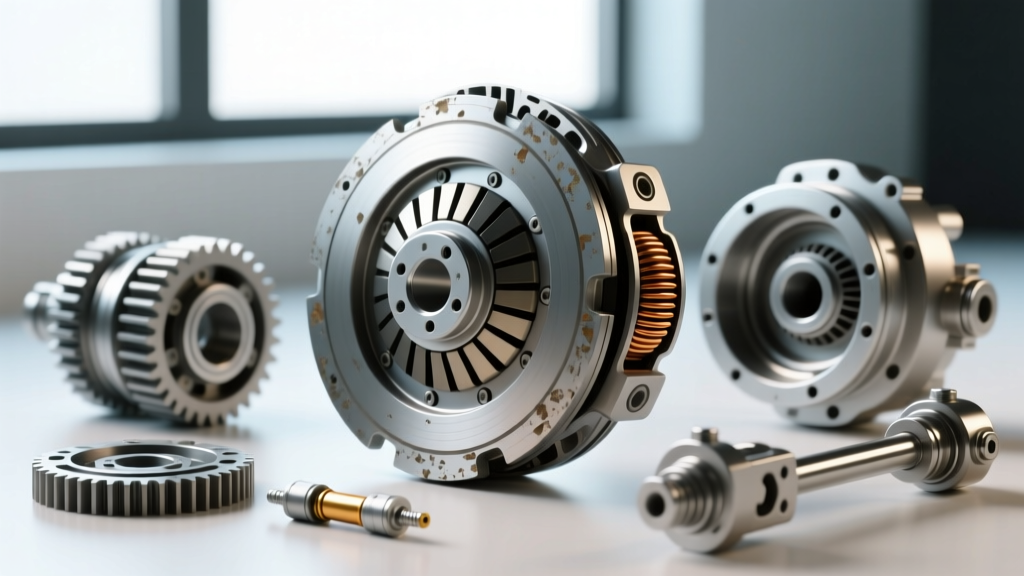
If you drive a modern turbocharged Kia—such as the Forte, Seltos, Soul, or Sportage equipped with the 1.6L T-GDI engine—you are likely piloting a vehicle with the D7UF1 7-speed dry dual-clutch transmission (DCT). While this transmission offers lightning-fast shifts and excellent fuel economy, it operates very differently from a traditional automatic. When things go wrong, the most common and frustrating problems revolve around clutch engagement and disengagement issues.
Whether your Kia is shuddering violently at stoplights, hesitating when you shift into Reverse, or throwing a 'Clutch Overheat' warning on the dash, this beginner-friendly guide will demystify what is happening inside your transmission bell housing and how to properly diagnose it.
The 'Robot Manual': Understanding Your Kia's DCT
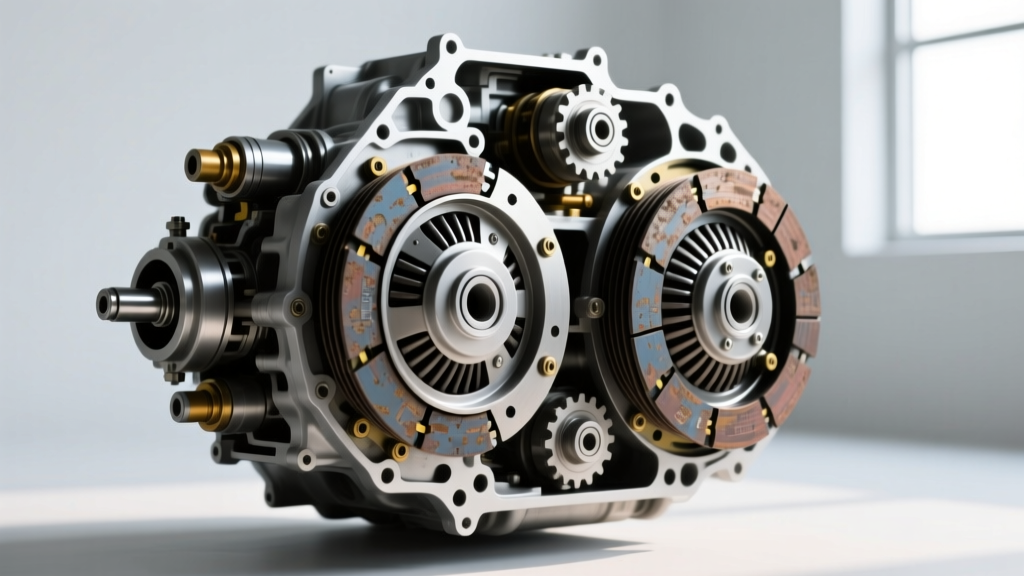
To understand engagement issues, you first need to understand what a dry DCT actually is. Think of the D7UF1 not as an automatic, but as two manual transmissions sharing one housing, operated by robots.
- Clutch 1 controls the odd gears (1, 3, 5, 7).
- Clutch 2 controls the even gears (2, 4, 6, Reverse).
Instead of your left foot pressing a pedal, two electric brushless DC actuator motors push mechanical forks to engage and disengage the clutches. When you come to a stop, the actuators must pull the clutches away from the flywheel (disengagement) to prevent stalling. When you press the gas, they push the clutches back into the friction material (engagement). When this delicate mechanical dance falls out of sync, you experience drivability issues.
Spotting the Signs: Engagement and Disengagement Symptoms
Because the DCT relies on physical friction material (just like a manual car), wear and tear is inevitable. Here is how engagement and disengagement failures manifest in the real world.
| Symptom | What You Feel | What is Actually Happening |
|---|---|---|
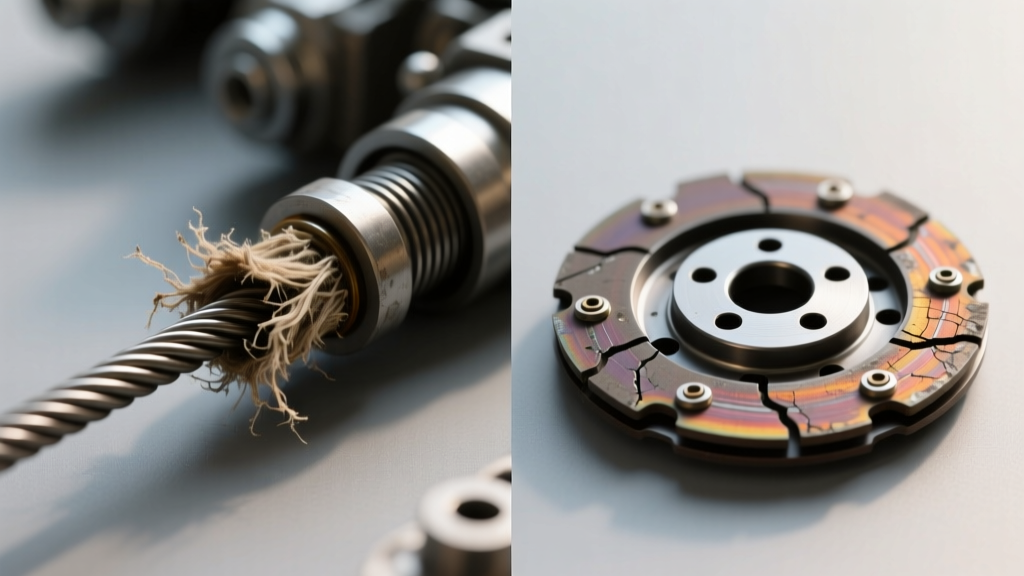
| Takeoff Shudder | Violent shaking or 'chatter' when accelerating from a dead stop, especially in 1st gear. | The clutch friction material is glazed, or the Dual-Mass Flywheel (DMF) springs are failing, causing uneven engagement. |
| Delayed Reverse | You shift into 'R', press the gas, and the engine revs but the car doesn't move for 2-3 seconds. | The Clutch 2 actuator motor is failing to push the fork to the engagement touch-point, or the sensor is out of calibration. |
| Creep Hesitation | In stop-and-go traffic, the car lurches forward aggressively or refuses to creep smoothly. | The Transmission Control Unit (TCU) has lost its clutch 'touch-point' adaptation due to friction material wear. |
| Clutch Overheat Warning | Dash warning light appears, followed by a loss of power or refusal to engage gears. | The clutch is slipping during engagement (often from 'creeping' in traffic), generating excessive heat that triggers the TCU's safety limp mode. |
Why Does My Kia DCT Struggle to Engage?
If your Kia is exhibiting the symptoms above, the root cause usually falls into one of three specific mechanical or electronic categories.
1. Actuator Motor Failure or Fork Wear
The electric motors that engage the clutches are under immense physical stress. Over time, the internal gears of the actuator can strip, or the clutch fork pivot ball can wear a groove into the fork itself. According to data from the NHTSA complaint database, premature actuator wear is a primary culprit for sudden disengagement failures, often triggering OBD-II codes like P0805 (Clutch Position Sensor Circuit) or P0900 (Clutch Actuator Circuit/Open).
2. Loss of Clutch 'Touch Point' Adaptation
The 'touch point' is the exact millimeter where the throw-out bearing makes contact with the clutch diaphragm spring. As the clutch friction disc wears down (sometimes as little as 1.5mm over 40,000 miles), the actuator must push further to engage the gear. If the wear exceeds the actuator's programmed stroke limit, the TCU gets confused, resulting in harsh engagements or a failure to engage entirely. This requires a software reset via a bi-directional scan tool.
3. Dual-Mass Flywheel (DMF) Degradation
Kia's D7UF1 uses a DMF to absorb the torsional vibrations of the 1.6L turbo engine. Inside the DMF are heavy springs and grease. If the grease dries out or the springs break, the flywheel develops excessive 'free play.' When the clutch clamps down to engage, it grabs an uneven surface, resulting in the infamous 'DCT shudder.' No amount of software adaptation can fix a mechanically failed DMF.
Step-by-Step Diagnostic Guide
Before throwing expensive parts at the car, follow this diagnostic sequence to pinpoint the engagement issue.
- Pull the TCU Codes: Use an advanced scanner (like an Autel MaxiSYS or Snap-on Zeus) to read the Transmission Control Unit. Look for clutch stroke limit codes or actuator motor circuit codes.
- Perform a Clutch Adaptation Reset: Access the 'Special Functions' menu on your scanner and run the 'Clutch Touch Point Adaptation.' This forces the actuators to slowly engage the clutches and relearn the exact bite point. If the adaptation fails or the stroke values are out of spec (typically over 12mm of travel), physical wear has occurred.
- Check Actuator Lever Play: With the car safely lifted and powered off, locate the two external actuator levers on the transmission bell housing. Using a feeler gauge, check the clearance between the lever and the clutch fork. Excessive play indicates a worn fork or failing actuator gear.
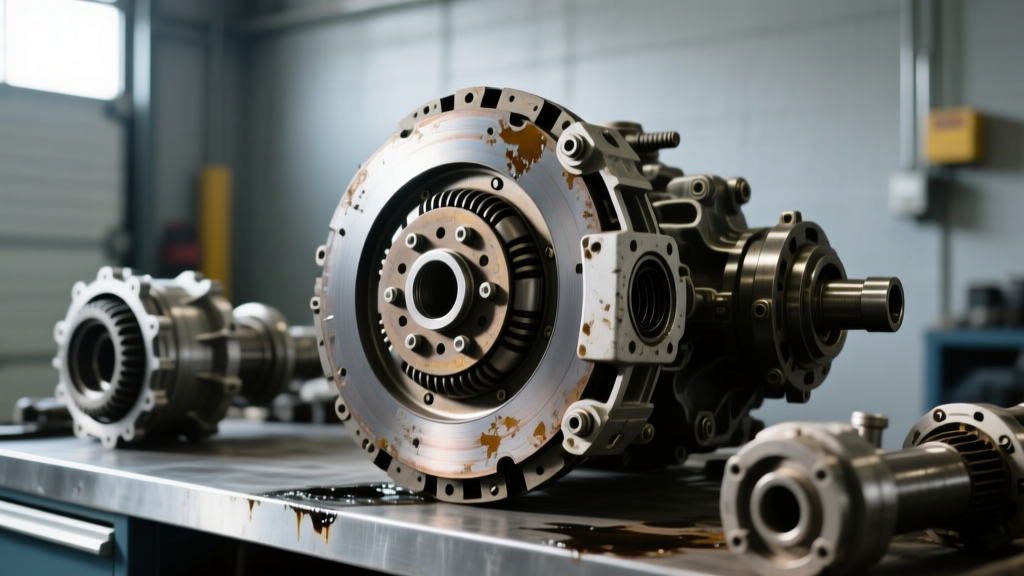
- Inspect the Bell Housing (Last Resort): If adaptation fails and shudder persists, the transmission must be dropped. Inspect the clutch friction material for hot spots (blueing) and check the DMF for rotational free-play exceeding Kia's 10mm specification.
Repair Costs and Part Numbers (2026 Estimates)
Repairing a dry DCT is more akin to repairing a manual transmission than a traditional automatic. Below are the current market estimates for parts and labor at an independent transmission shop.
| Component | OEM Part Number (Reference) | Part Cost (2026) | Labor Time |
|---|---|---|---|
| Clutch Actuator Motor (Each) | 43200-2E300 | $350 - $480 | 1.5 Hours (External) |
| Complete Clutch Kit (Disc, Plate, Bearing) | 41100-2E050 | $450 - $600 | 6.5 Hours (Requires Trans Removal) |
| Dual-Mass Flywheel (DMF) | 23200-2E000 | $700 - $950 | Included w/ Clutch Job |
Expert Torque Spec Note: If you are performing the clutch replacement yourself, precision is mandatory. When reinstalling the new clutch cover to the DMF, the M8 bolts require a strict torque spec of 25 Nm (18.4 lb-ft) tightened in a crisscross star pattern. The bell housing to engine block M10 bolts must be torqued to 45 Nm (33 lb-ft). Always reference the official Kia Tech Info portal for your specific VIN's service manual before turning a wrench.
How to Drive a Dry DCT to Prevent Wear
The vast majority of Kia DCT engagement issues are caused by driver habits that mimic traditional torque-converter automatics. To extend the life of your clutch pack and prevent disengagement failures, adopt these driving habits:
- Stop 'Creeping' in Traffic: In a traditional automatic, inching forward at 2 mph is normal. In a dry DCT, this keeps the clutch in a 'slipping' state, generating massive heat and glazing the friction material. Instead, wait for a gap to open, then apply firm, deliberate throttle to fully engage the clutch.
- Use the Brake on Hills: Never hold the car stationary on an incline by applying light throttle. This will burn up Clutch 1 in a matter of minutes. Always use the brake pedal or engage the Electronic Parking Brake.
- Shift to Neutral at Long Lights: If you are sitting at a red light for more than 30 seconds, shift into Neutral. While the TCU is designed to disengage the clutch when stopped in Drive, keeping it in Neutral removes all residual load from the Clutch 1 actuator motor and release bearing.
Final Thoughts
Clutch engagement and disengagement issues in your dual clutch Kia are rarely a mystery. They are the physical result of friction material wear, actuator fatigue, or software adaptation drift. By understanding the 'robot manual' nature of the D7UF1 transmission, performing proper TCU adaptations, and adjusting your driving habits in stop-and-go traffic, you can easily push your DCT well past the 100,000-mile mark without suffering catastrophic engagement failure.