The Architecture of Wrangler Limited Slip Differentials
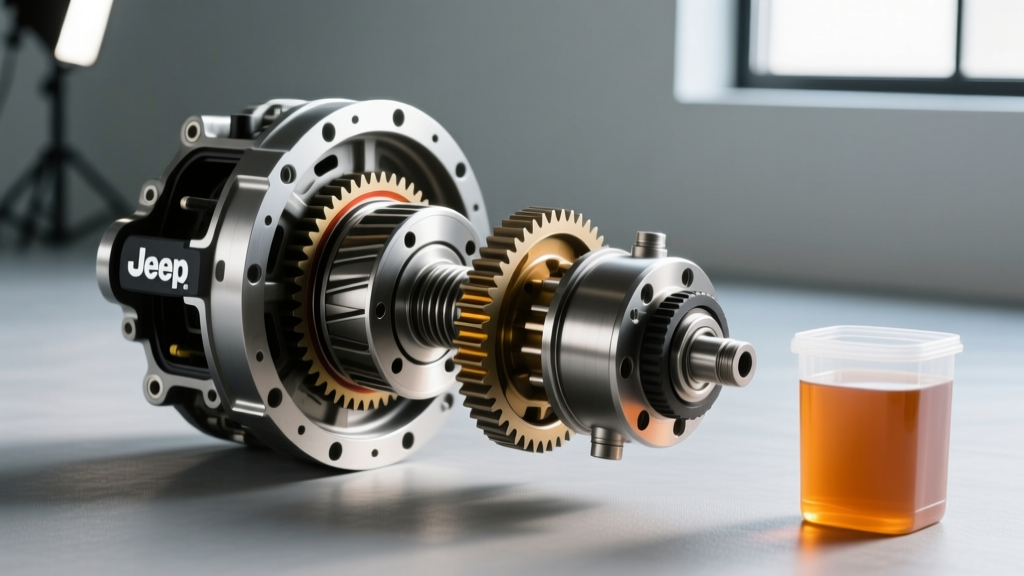
When navigating technical trails or managing high-torque highway driving in a Jeep Wrangler (JK, JL, or Gladiator JT), the differential is the critical nexus of traction and power delivery. While open differentials send power to the wheel with the least resistance, Limited Slip Differentials (LSDs) utilize internal clutch packs to bias torque to the wheel with grip. In the Jeep ecosystem, the most common factory LSD is the Trac-Lok, a clutch-type limited slip unit found in various Dana and corporate axles.
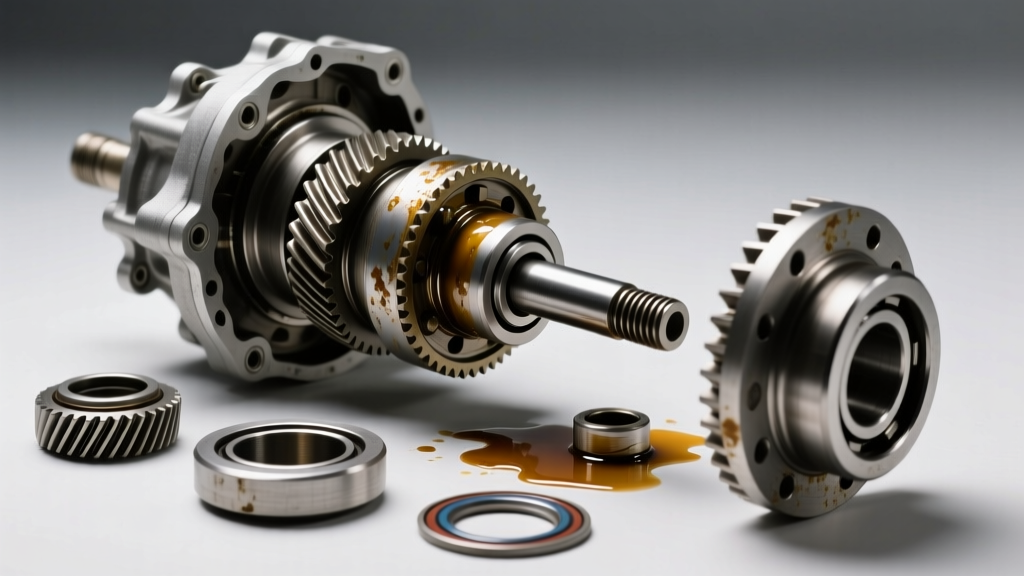
Understanding the mechanical operation of the Trac-Lok is essential before performing maintenance. Inside the differential carrier, a series of alternating friction and steel clutch plates are sandwiched between the side gears and the carrier housing. A heavy preload spring pack forces these clutches together, creating enough static friction to keep both axleshafts turning at the same speed under light load. When cornering, the torque differential overcomes the spring preload, allowing the clutches to slip smoothly and the wheels to rotate at different speeds. If the fluid lacks the correct friction modifiers, this slip becomes a violent grab-and-release cycle, resulting in the notorious "chatter" that degrades clutch material and contaminates the gear oil with metallic particulate.
Comprehensive Jeep Wrangler Differential Fluid Capacity Chart
Determining the exact Jeep Wrangler differential fluid capacity is heavily dependent on your specific axle assembly. Jeep has transitioned from the legacy Dana 35 and Dana 44 axles in the JK generation to the wider, more robust M210 and M220 corporate axles in the JL and Gladiator platforms. Below is the definitive 2026 service reference for Wrangler and Gladiator axle capacities and OEM fluid recommendations.
| Axle Model / Generation | Position | Fluid Capacity | OEM Viscosity Spec |
|---|---|---|---|
| Dana 35 (JK / Older) | Rear | 44 oz (1.30 L) | 75W-85 API GL-5 |
| Dana 44 (JK / JL Rubicon) | Rear | 48 - 52 oz (1.45 L) | 75W-85 or 75W-140 API GL-5 |
| Dana 44 (JK Front) | Front | 35 oz (1.03 L) | 75W-85 API GL-5 |
| M210 Corporate (JL / JT) | Front | 35.2 oz (1.04 L) | 75W-85 API GL-5 |
| M220 Corporate (JL / JT) | Rear | 50.7 oz (1.50 L) | 75W-85 API GL-5 |
Note: If your Wrangler is equipped with an aftermarket locker (e.g., Detroit Locker, ARB Air Locker) or a gear-type LSD (e.g., Eaton Truetrac), friction modifiers are strictly prohibited, though the base fluid capacities remain identical.
Fluid Chemistry: GL-5, Synthetics, and Friction Modifiers
The ring and pinion gears in a Wrangler axle operate under extreme hypoid sliding pressures. To prevent micro-welding and gear spalling, API GL-5 gear oils are formulated with high levels of sulfur-phosphorus Extreme Pressure (EP) additives. According to technical data from Red Line Oil, these EP additives form a sacrificial solid-film boundary on the gear teeth that can withstand localized temperatures exceeding 300°F.
However, standard GL-5 EP additives create a surface that is too "slippery" for the Trac-Lok clutch packs. If you fill a clutch-type LSD with standard GL-5 gear oil without a friction modifier, the clutches will fail to engage smoothly during low-speed binding, leading to severe chatter. To counteract this, a specialized friction modifier (typically a long-chain organic ester) must be added. The modifier alters the static-to-dynamic friction coefficient, ensuring the clutches slip progressively rather than grabbing abruptly.
For OEM compliance, Mopar specifies their Limited Slip Additive (Part Number 04318060AD). The standard dosage is approximately 2.5 ounces per axle. Many premium synthetic gear oils, such as AMSOIL Severe Gear, come pre-mixed with friction modifiers, but experienced drivetrain technicians recommend keeping a bottle of dedicated Mopar or Torco modifier on hand to fine-tune the fluid if chatter persists after the break-in period.
Precision Service Protocol: Torque Specs and Part Numbers
Performing a differential fluid exchange on a Wrangler requires precision to avoid stripping soft aluminum housings (common on JL M210/M220 axles) or causing catastrophic leaks on the trail. While some modern axles feature drain plugs, the most thorough method remains dropping the differential cover to inspect the ring gear for abnormal wear and clean out magnetic debris.
Preparation and Extraction
- Cover Removal: Use a 3/8-inch drive 13mm or 1/2-inch socket (depending on axle year) to break the cover bolts loose. Do not pry the cover off with a screwdriver, as scoring the machined aluminum mating surface will guarantee a permanent leak.
- Gasket Selection: Discard the factory RTV or cheap cork gaskets. Upgrade to a reusable Lube Locker gasket. For the Dana 44, use Part Number LL-D44; for the JL M220, use LL-M220. These utilize a proprietary elastomer bead that seals perfectly without RTV and costs roughly $35-$45.
- Cleaning: Spray the carrier and cover with aerosol brake cleaner. Wipe dry with lint-free shop towels. Ensure the magnetic plug or internal magnet is completely free of metallic sludge.
Filling and Torque Specifications
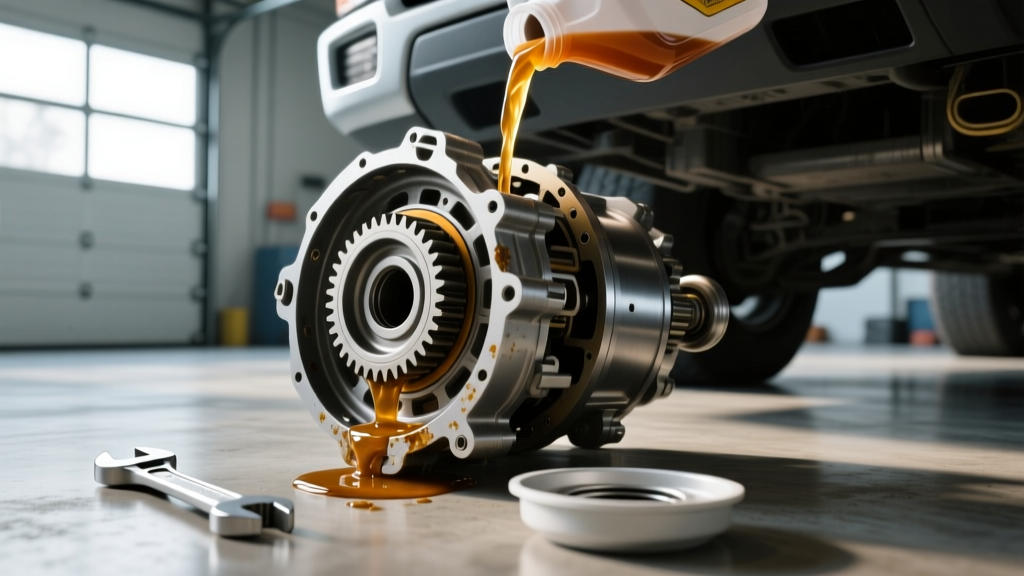
When refilling, use a high-quality fluid transfer pump. Fill the differential until the fluid reaches the exact bottom edge of the fill hole. For the M220 and Dana 44, this equates to roughly 1.5 liters. If utilizing a separate friction modifier, inject it before pumping in the bulk gear oil to ensure proper mixing via the ring gear's rotation.
| Fastener / Component | Torque Specification | Notes |
|---|---|---|
| Dana 44 Cover Bolts (3/8"-16) | 30 lb-ft (41 Nm) | Use star pattern sequence |
| JL M210/M220 Cover Bolts (Metric) | 23 lb-ft (31 Nm) | Aluminum housing - do not overtighten |
| Fill Plug (Dana 44 / M220) | 25 lb-ft (34 Nm) | Apply Teflon tape to NPT threads |
Diagnosing LSD Chatter and Clutch Pack Degradation
Even with the correct Jeep Wrangler differential fluid capacity and premium synthetic oil, LSDs can develop chatter over time. Chatter manifests as a rhythmic banging or shuddering sensation from the rear axle during tight, low-speed turns (such as navigating a parking lot or a tight trail switchback). This occurs when the clutch packs have glazed, or the friction modifier has sheared down and lost its efficacy.
The Figure-8 Test: To isolate LSD chatter, find an empty, paved area. Drive the Wrangler in tight, continuous figure-eight patterns at 5-10 MPH with the windows down. If you hear a distinct "clunk-bind-release" noise originating from the rear corners, the LSD requires attention.
Remediation Steps:
- Add Modifier: Extract 3 ounces of gear oil from the fill plug and inject an additional 1 ounce of Mopar Friction Modifier (04318060AD). Drive the vehicle for 50 miles to allow the modifier to penetrate the clutch pores.
- Aggressive Break-In: Perform 20 to 30 tight figure-eight maneuvers in an empty lot. This forces the clutches to slip and burnishes the new friction modifier into the clutch material.
- Full Flush: If chatter persists after the additive treatment, the clutch faces are likely glazed or worn beyond the threshold of chemical repair. Drop the cover, drain the fluid, and inspect the clutch packs. Rebuild kits (such as those from Motorgear or Auburn) cost between $120 and $180 and require a dial indicator and inch-pound torque wrench to reset the carrier preload.
By adhering to strict fluid specifications, utilizing exact torque values, and understanding the chemical requirements of the Trac-Lok system, you can extend the service life of your Wrangler's axles well past the 100,000-mile mark, ensuring optimal traction whether on the highway or deep in the backcountry.