The Foundation: Assessing Your Wrangler’s Axle Assembly
When building a capable off-road rig, the Jeep Wrangler differential setup is the most critical link between your transfer case and the dirt. Whether you are piloting a JK, JL, or the high-horsepower 392 Rubicon, factory open differentials simply cannot manage the traction demands of modern 35-inch and 37-inch tire setups. However, before blindly ordering the most expensive traction device on the market, you must evaluate your underlying axle hardware.
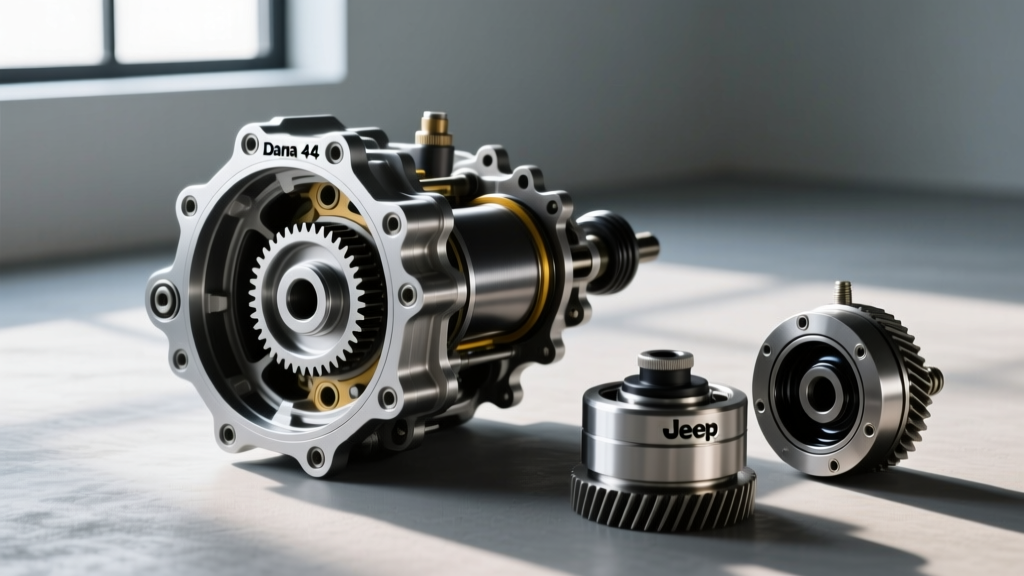
The front Dana 30 (found on non-Rubicon JL/JK models) is a high-pinion, reverse-cut assembly that is inherently limited by its small ring gear and modest axle shaft splines. Installing a locker in a Dana 30 is generally safe only if you keep tire sizes at or below 35 inches and avoid aggressive throttle inputs on high-traction rocks. Conversely, the Dana 44 (standard on Rubicons and JL Sport 4xe rear axles) offers the necessary mass and 30-spline shaft strength to handle locking differentials with larger tires. Upgrading the differential without addressing weak axle shafts or improper gear ratios is a recipe for catastrophic trail failures.
Selectable Lockers: The Gold Standard for Versatility
For the majority of Wrangler owners who daily drive their vehicles and tackle diverse terrain on the weekends, selectable lockers are the undisputed best choice. These units operate as standard open differentials on the street, preserving normal steering geometry and tire wear, but lock both wheels together at the push of a button.
ARB Air Lockers
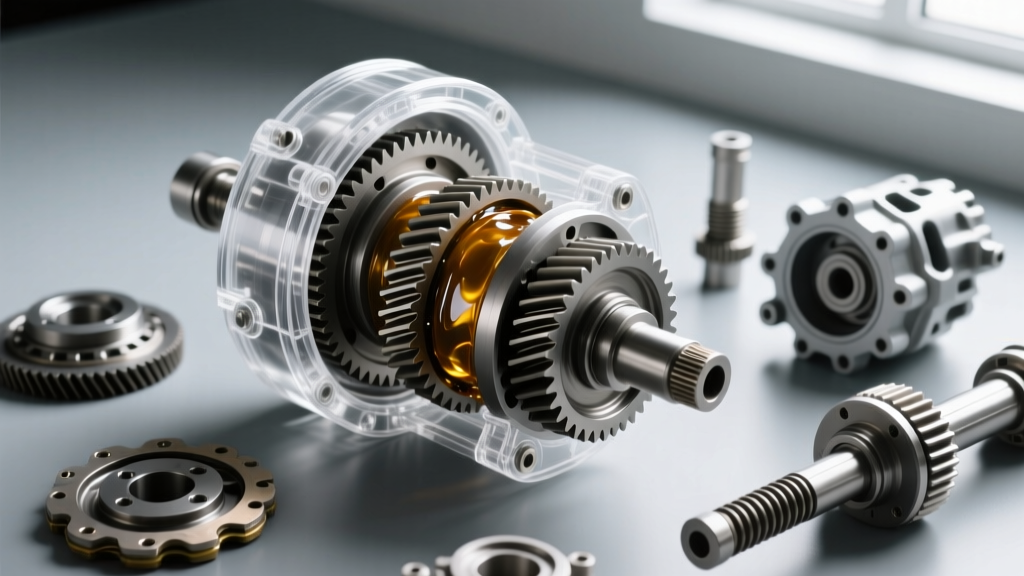
The ARB Air Locker is the benchmark for selectable traction. Utilizing an onboard 12-volt air compressor, pneumatic pressure engages a locking collar inside the differential carrier. For a JL Rubicon Dana 44 rear axle, the ARB RD116 (30-spline, 3.73 and up gear ratios) is the go-to part number, typically retailing between $1,050 and $1,150. The primary advantage of the ARB is its instantaneous, 100% positive lockup. The drawback is the requirement to mount an air compressor and route pneumatic lines through the axle housing, which necessitates drilling the differential cover or using a specialized hollow kingpin/bearing cap setup to prevent line wrap on the front axle.
Eaton E-Lockers
The Eaton E-Locker (part number 19906-01 for the Dana 44) utilizes an electromagnetic coil to drive a ramped collar into the side gears. Priced slightly lower than ARB at around $900 to $1,000, the E-Locker requires only a simple wiring harness and a dashboard switch. While it lacks the instant engagement of an air locker and has a slight rotational delay as the ramped collar indexes, it eliminates the need for an air system, making it highly attractive for minimalist overland builds.
Automatic Lockers: Brutal Traction, Compromised Manners
Automatic lockers engage and disengage based on torque input and vehicle speed. They are favored by dedicated rock crawlers and mud boggers who prioritize maximum forward bite over on-road comfort.
Full Carrier Replacement: The Detroit Locker
The Eaton Detroit Locker replaces the entire differential carrier. It uses a sprag and cam mechanism to lock the axles under power and unlock during coasting to allow for differential action in turns. While incredibly robust and capable of surviving massive shock loads, the Detroit Locker is notorious for harsh 'bang' engagement noises and unpredictable handling on wet or icy paved roads. Expect to pay between $650 and $800 for the unit, plus the cost of a complete differential setup.
Lunchbox Lockers: Spartan, Aussie, and Lockright
Lunchbox lockers replace only the internal spider and side gears, utilizing the factory open carrier. Priced attractively at $250 to $350, they are the budget off-roader's best friend. However, they rely on the structural integrity of the stock carrier. If your factory carrier has worn cross-pin bores, a lunchbox locker will fail rapidly. Furthermore, they exhibit the same harsh on-road manners as full automatic lockers, making them unsuitable for daily-driven Jeeps.
Comparative Analysis: Locker Selection Matrix
| Locker Type | Estimated Cost | Street Manners | Trail Performance | Best Application |
|---|---|---|---|---|
| ARB Air Locker | $1,050 - $1,200 | Excellent (Open) | Unmatched | Daily Driven Trail Rigs, Overlanding |
| Eaton E-Locker | $900 - $1,000 | Excellent (Open) | Excellent | Minimalist Builds, Snow/Ice Daily Drivers |
| Detroit Locker | $650 - $800 | Poor (Harsh) | Outstanding | Dedicated Rock Crawlers, Mud Trucks |
| Lunchbox Locker | $250 - $350 | Poor (Harsh) | Very Good | Budget Trail Rigs, Weekend Wheelers |
| Helical (TrueTrac) | $600 - $750 | Perfect (Seamless) | Good (Limited) | Snow Belt Daily Drivers, Light Overlanding |
Drivetrain Fluids & Break-In Protocols for Upgraded Diffs
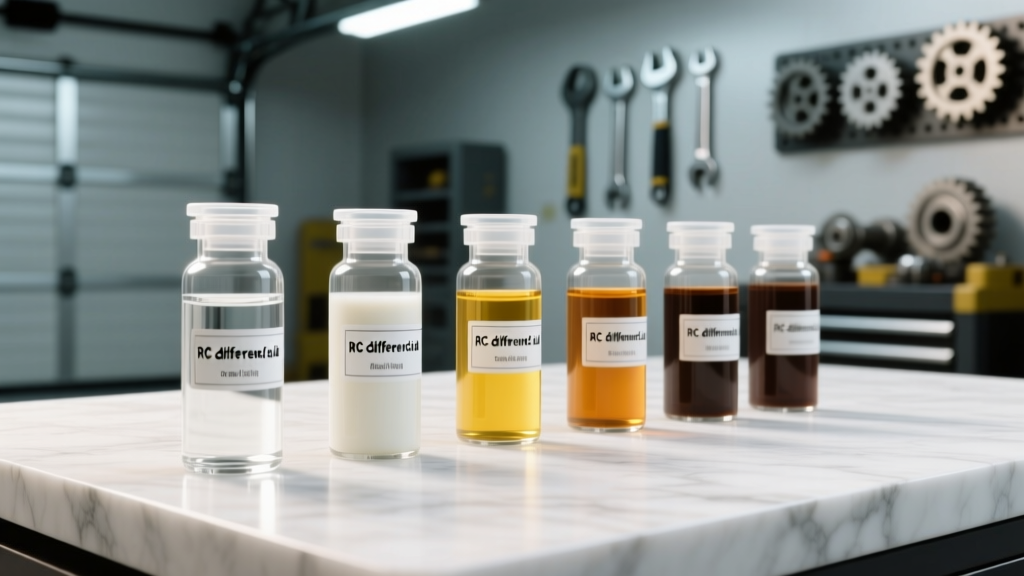
While a locking differential transforms traction, its longevity is entirely dependent on proper differential fluid maintenance. Upgrading to 37-inch tires and adding a locker exponentially increases the stress on your ring and pinion gears. The factory-recommended 75W-90 gear oil is insufficient for this severe-duty application. For a locked Dana 44 pushing large rubber, transitioning to a high-quality 75W-140 synthetic gear oil, such as AMSOIL Severe Gear or Royal Purple Max Gear, is mandatory. The higher viscosity maintains a protective hydrodynamic film across the gear teeth during low-speed, high-torque crawling where differential temperatures can easily exceed 250°F.
Critical Fluid Warning: Unlike factory Trak-Lok limited-slip differentials, full locking differentials (both selectable and automatic) do NOT require limited-slip friction modifiers. Adding a friction modifier to an ARB Air Locker or Detroit Locker is a common novice mistake; while it will not immediately destroy the locker, it unnecessarily alters the fluid frictional properties and wastes money. However, if you opt for a helical gear-based torque-biasing differential like the Eaton TrueTrac, the modifier is still omitted, as these units rely entirely on gear geometry rather than clutch packs.
When installing a new locker and ring gear set, the break-in procedure is non-negotiable. The first 500 miles must consist of mixed highway and city driving, avoiding sustained speeds over 65 MPH and heavy towing. After 500 miles, the differential fluid must be drained immediately to remove the microscopic metal shavings generated by the initial gear lapping process. Inspect the drain plug magnet; a fine metallic paste is normal, but chunky metal shards indicate improper setup or defective hardware. Refill with fresh 75W-140 synthetic fluid to the bottom of the fill hole.
Precision Setup: Torque Specs and Backlash Tolerances
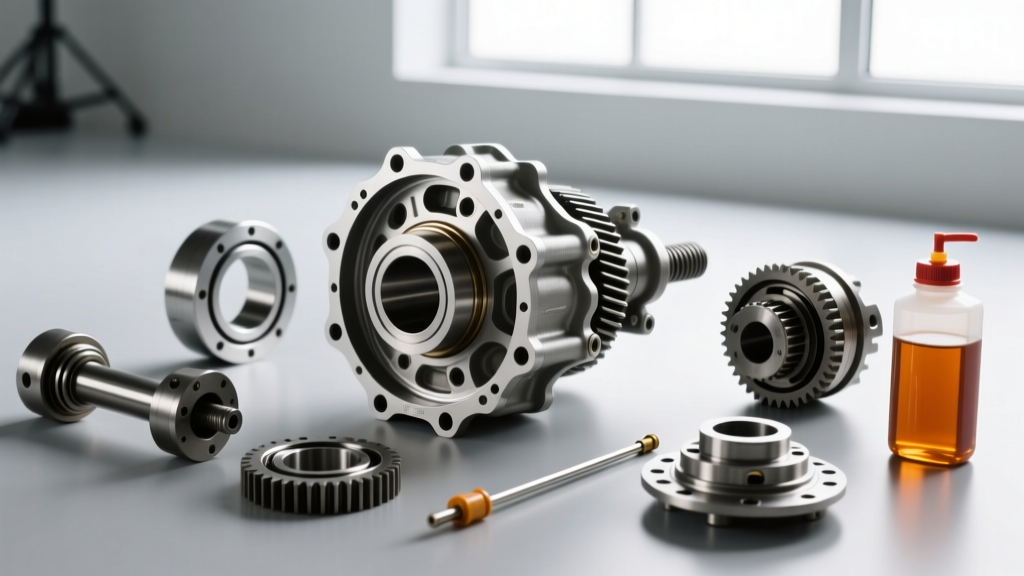
Installing a Jeep Wrangler differential locker is not a simple bolt-in affair; it requires precision machining tolerances. If you are upgrading to an ARB or Eaton E-Locker, you are replacing the entire carrier, which means resetting your ring and pinion geometry. Relying on a general mechanic instead of a drivetrain specialist often leads to whining gears and premature bearing failure.
- Ring Gear Bolts (Dana 44): 55 to 65 lb-ft. Always use a high-strength threadlocker like Red Loctite 272. Never reuse stretched ring gear bolts.
- Bearing Cap Bolts (Dana 44): 60 to 70 lb-ft. These caps are line-bored from the factory with the housing; they must be reinstalled in their exact original orientation and location.
- Pinion Nut (Crush Sleeve): 200 to 250 lb-ft to achieve the correct bearing preload (typically 15 to 25 in-lbs of rotational drag for new bearings).
- Backlash Tolerance: Aim for 0.006 to 0.010 inches. Use a dial indicator mounted to the axle housing to measure the rotational play between the ring and pinion gears. Backlash that is too tight will cause the gears to overheat and seize; too loose will result in impact loading and shattered teeth.
Final Verdict: Matching the Locker to the Mission
The ideal locking differential for your Wrangler depends entirely on your operational profile. If your Jeep serves as a daily driver that occasionally explores fire roads and moderate trails, a helical limited-slip like the TrueTrac provides seamless, maintenance-free traction without sacrificing on-road safety. For the dedicated overlander or weekend rock crawler who needs maximum versatility, the ARB Air Locker remains the undisputed king of the trail, offering open-differential steering on the street and spool-like traction in the rocks. Conversely, if your Wrangler lives on a trailer and only sees the dirt at extreme off-road parks, the brutal efficiency and lower cost of a Detroit Locker or lunchbox locker will serve you well. Whichever path you choose, pair your new hardware with premium 75W-140 synthetic fluid and meticulous setup tolerances to ensure your drivetrain survives the abuse of the trail.