The Rotational Mass Dilemma: Why Upgrade Your Jeep TJ?
The 1997-2006 Jeep Wrangler TJ remains one of the most modified off-road platforms in history. Whether you are running the 2.5L inline-four or the legendary 4.0L inline-six, the factory drivetrain was designed with heavy, durable cast-iron components meant to absorb abuse and provide low-end crawling momentum. However, as these vehicles age and enthusiasts seek better on-road manners and trail agility, the stock flywheel becomes a primary target for optimization. When enthusiasts begin searching for a reliable jeep tj clutch kit with flywheel, they are often confronted with a critical choice: stick with the heavy OEM replacement or upgrade to a modern lightweight billet unit.
In 2026, the TJ platform is nearly two decades out of production. The original heavy cast-iron flywheels are increasingly suffering from age-related metallurgical fatigue, heat checking, and uneven wear patterns. Upgrading to a lightweight flywheel as part of your complete clutch assembly replacement is no longer just a niche racing modification; it is a highly effective way to revitalize the driving dynamics of your Wrangler while eliminating the risk of catastrophic OEM flywheel failure.
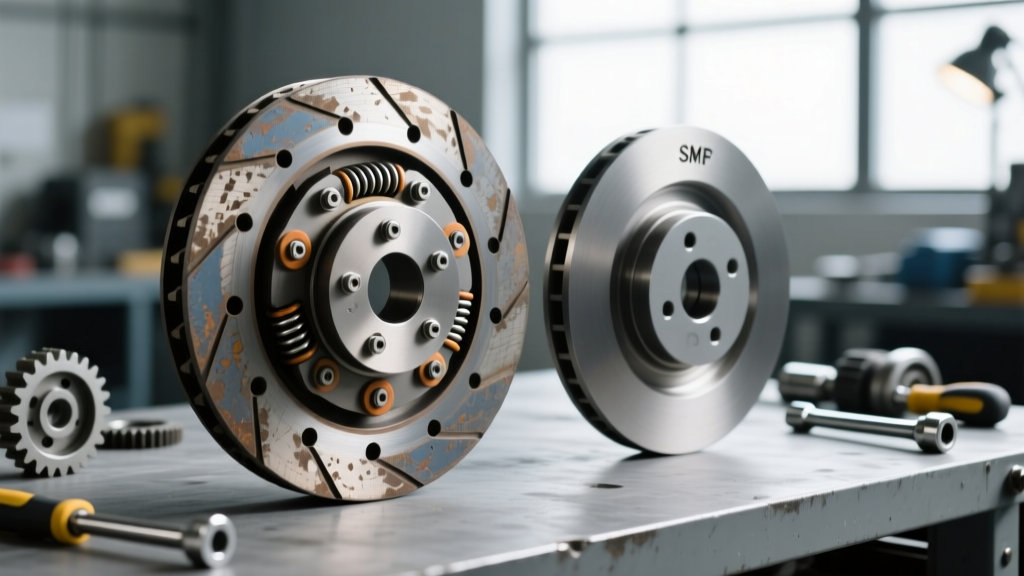
Rotational Mass: Stock Cast Iron vs. Modern Billet
To understand the benefits, we must look at the physics of rotational mass. A heavy flywheel stores kinetic energy, which helps prevent the engine from stalling during low-RPM clutch engagement. However, it also acts as a massive parasitic drag on the engine's ability to rev freely. By reducing the weight of the flywheel, you free up horsepower and torque that was previously wasted on spinning heavy iron.
| Specification | OEM Cast Iron Flywheel | Modern Billet Lightweight Flywheel |
|---|---|---|
| Weight | ~32.5 lbs | ~15.5 lbs |
| Material | Nodular Cast Iron | 6061-T6 Billet Aluminum w/ Steel Insert |
| Moment of Inertia | High (sluggish revs) | Low (rapid throttle response) |
| Heat Dissipation | Retains heat (prone to warping) | Steel insert dissipates heat rapidly |
| Rebuildability | Can be resurfaced 1-2 times | Steel insert is replaceable |
According to Novak Adapt's Drivetrain Guide, reducing the flywheel weight by nearly 50% drastically alters the engine's RPM velocity. This means the 4.0L engine will rev up significantly faster when you step on the throttle, and drop down quicker when you lift off, making rev-matching on downshifts incredibly intuitive.
Real-World Drivability: Street Performance vs. Trail Crawling
Street and Highway Manners
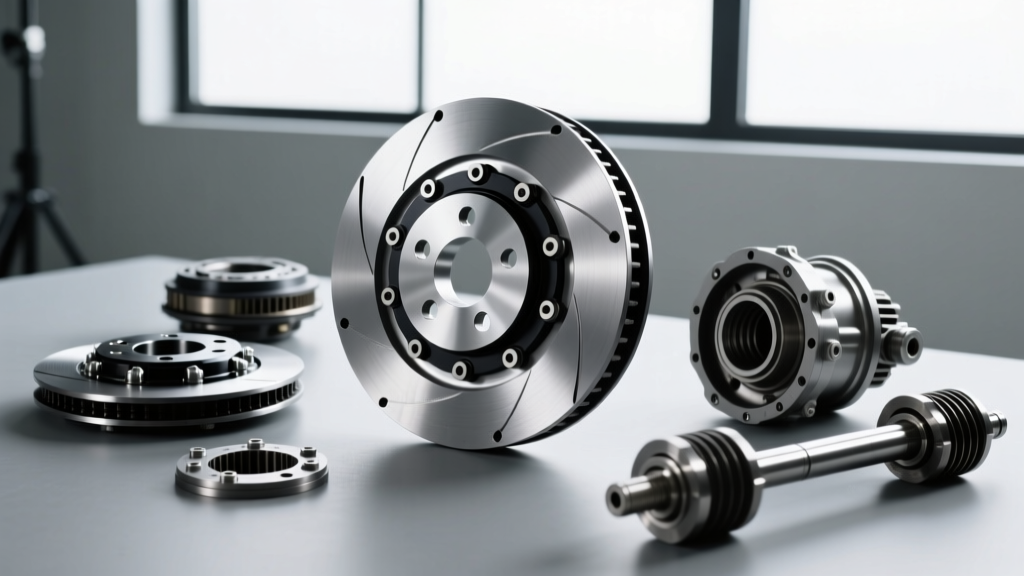
For daily driving and highway passing, a lightweight flywheel transforms the TJ. The throttle response becomes sharp and immediate. Merging onto highways requires less clutch slipping because the engine can rapidly climb into its optimal torque band (2,200 - 2,800 RPM for the 4.0L). Furthermore, modern lightweight flywheels utilize a replaceable high-carbon steel friction insert. Unlike OEM iron flywheels that warp and cause clutch chatter after repeated heavy towing or aggressive driving, the steel insert on a billet unit resists thermal distortion far better.
Low-Speed Rock Crawling Considerations
The most common concern regarding lightweight flywheels in a Jeep TJ is low-speed rock crawling. Because there is less rotational mass to carry the engine's momentum, dumping the clutch at idle in 4-Low can result in stalling more frequently than with a stock 32-pound flywheel. However, this is easily mitigated. By utilizing a clutch disc with a high-marcel (wave) spring design and learning to feather the throttle slightly more during technical ledge climbs, the rapid RPM recovery of the lightweight flywheel actually becomes an advantage, allowing you to 'bounce' the RPMs to maintain traction without overheating the clutch friction material.
Crucial E-E-A-T: Engine Balance and Step Height
When selecting your components, you cannot simply buy any lightweight flywheel off the shelf. The Jeep 4.0L inline-six is an externally balanced engine. This means the flywheel itself contains a specific counterweight to balance the rotating assembly. If you install a neutral-balance flywheel on a 4.0L TJ, you will experience severe harmonic vibrations that can destroy the crankshaft thrust bearing and transmission input shaft bearings within a few hundred miles. Always verify that the lightweight flywheel is explicitly balanced for the 4.0L (or 2.5L, which uses a different external weight and bolt pattern).
Additionally, step height is a critical machining specification that many budget manufacturers get wrong. The step height is the distance from the flywheel's friction surface to the pressure plate mounting pad. For the Jeep 4.0L (mated to either the AX15 or NV3550 manual transmissions), this specification must be between 0.390' and 0.410'. If the step height is too shallow, the pressure plate fingers will sit too high, preventing the release bearing from fully disengaging the clutch. If it is too deep, the clutch will slip under load. Always measure the step height with a straight-edge and dial caliper before installing the clutch disc.
Selecting the Right Components and Pricing
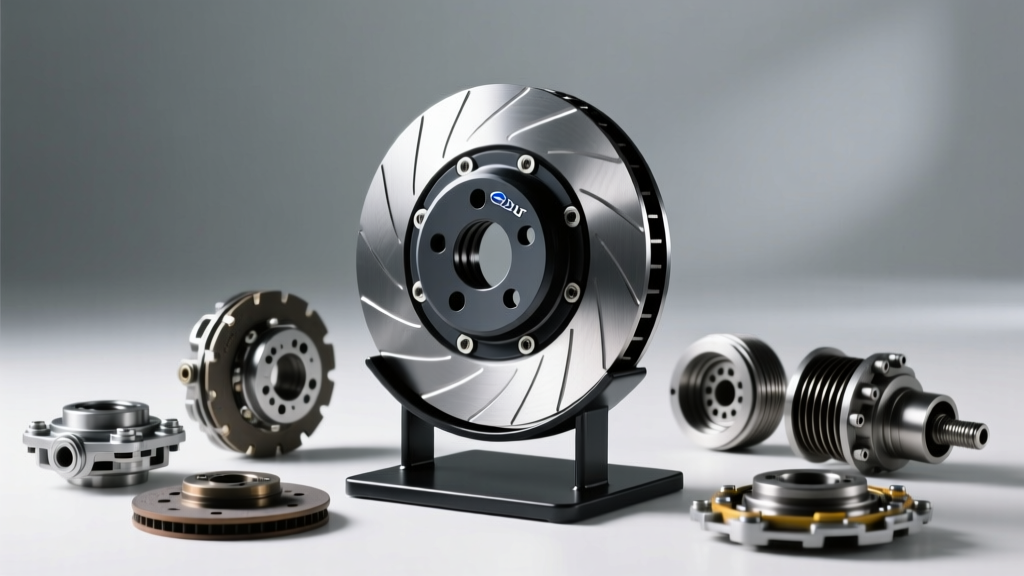
Manufacturers like Centerforce Performance Clutches have spent years refining billet flywheels specifically for the Jeep TJ platform. A premium lightweight clutch and flywheel package (such as the Centerforce DY355216 or equivalent Fidanza billet setups) typically ranges from $550 to $750 in 2026. While this is a premium over the $250-$300 cost of a standard LUK OEM RepSet, the inclusion of the billet flywheel eliminates the need to source, machine, and balance a separate cast-iron unit, ultimately saving money on machine shop labor and providing superior longevity.
Precision Installation: Torque Specs and Clearances
Proper installation is paramount when dealing with aluminum billet flywheels. Aluminum expands and contracts at a different rate than the steel crankshaft flange, making precise torque sequences and threadlockers mandatory.
- Flywheel to Crankshaft (OEM 7/16" bolts): 80-85 ft-lbs (clean threads and apply medium-strength threadlocker like Loctite 243)
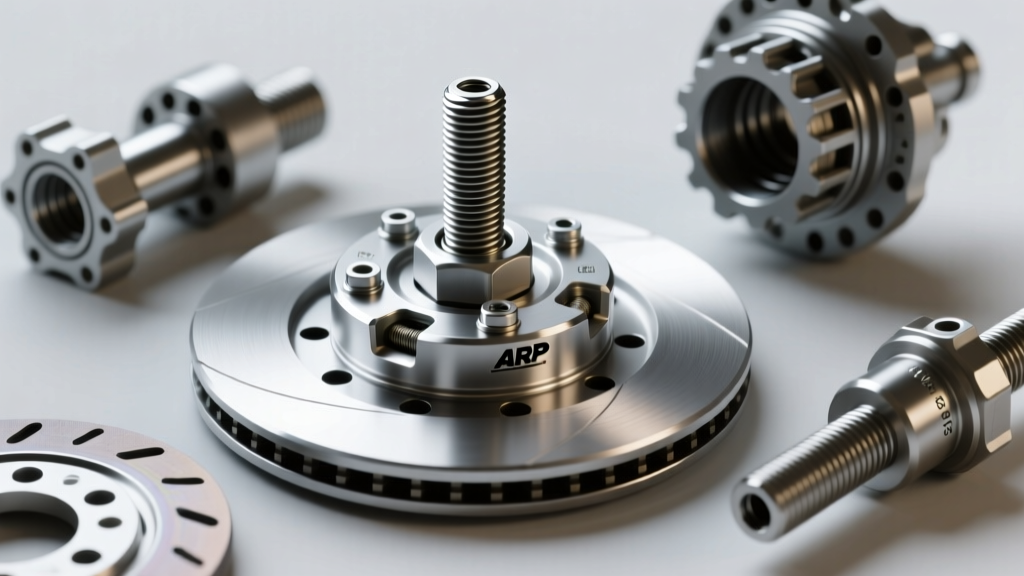
- Flywheel to Crankshaft (ARP 200-2802 aftermarket bolts): 100 ft-lbs (use ARP moly lube, do NOT use threadlocker on ARP fasteners)
- Pressure Plate to Flywheel (3/8" bolts): 25-30 ft-lbs (tighten gradually in a star pattern to avoid warping the pressure plate diaphragm)
- Bellhousing to Engine Block: 30-35 ft-lbs (ensure the bellhousing dowel pins are perfectly aligned to prevent input shaft binding)
- Clutch Fork Pivot Ball Stud: 17 ft-lbs (apply high-temperature grease to the pivot ball contact point)
NVH: Managing Noise, Vibration, and Harshness
It is important to set realistic expectations regarding NVH. A lightweight flywheel has less mass to absorb the torsional vibrations inherent to an inline-six engine. As a result, you may notice a slight 'gear rattle' at idle when the clutch is engaged (pedal out) and the transmission is in neutral. This is normal and is caused by the transmission input shaft gears chattering against each other. To minimize this, we highly recommend filling your AX15 or NV3550 transmission with a high-quality synthetic gear oil designed for manual transmissions, such as Red Line MT-90 or Pennzoil Synchromesh, which provides the necessary damping film strength to quiet the gear train.
Final Verdict
Upgrading to a lightweight flywheel when installing a new jeep tj clutch kit with flywheel is one of the most transformative drivetrain modifications you can perform on a Wrangler TJ. It modernizes the throttle response, reduces parasitic drivetrain loss, and eliminates the warping issues associated with aging cast iron. As long as you respect the external balance requirements, verify the step height, and adhere to strict torque specifications, a billet lightweight flywheel will deliver years of reliable service both on the highway and on the trail.