Understanding Intermittent Clutch Faults in High-Torque Applications
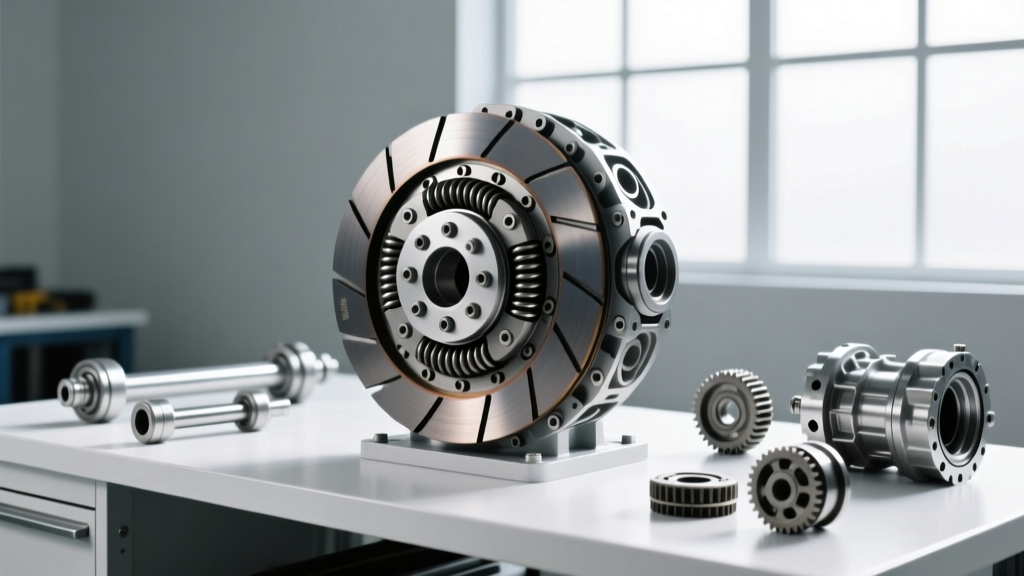
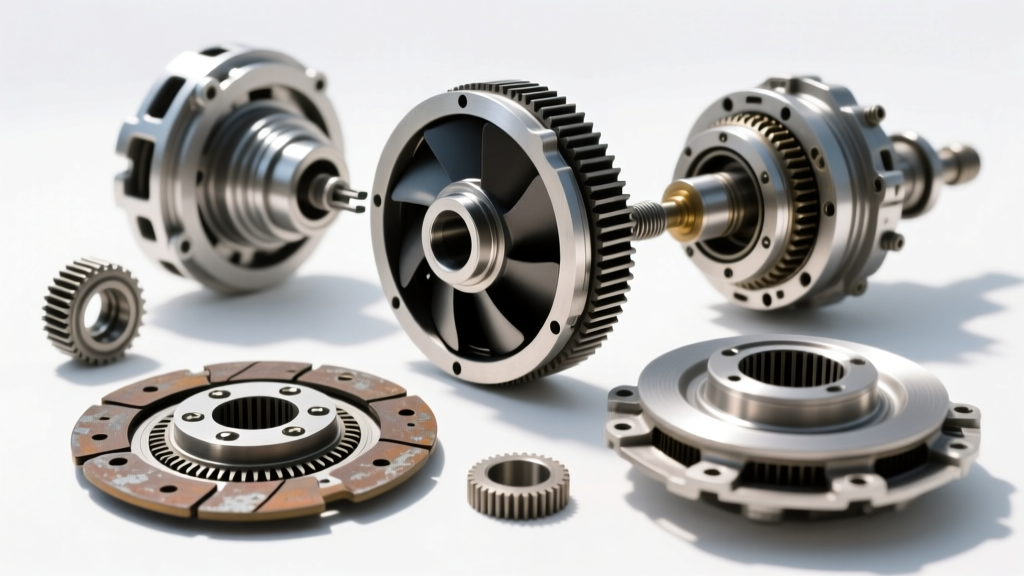
Intermittent clutch problems are among the most frustrating drivetrain issues to diagnose in modern manual transmissions. Unlike a catastrophic failure—where a shattered friction disc or blown slave cylinder leaves the vehicle completely undrivable—intermittent faults manifest unpredictably. A vehicle might perform flawlessly during a cold morning commute, only to exhibit severe clutch slip or aggressive chatter once the drivetrain reaches operating temperature in stop-and-go traffic. When dealing with high-performance aftermarket setups, specifically the Rond Carré clutch kit, these intermittent symptoms are often amplified. The Rond Carré clutch is renowned in tuning circles for its unique hybrid segmented friction geometry and aggressive cerametallic compound, designed to handle immense torque loads. However, this high-clamp-load design leaves zero margin for error in the hydraulic release system or flywheel interface.
In 2026, as engine management systems become increasingly sensitive to drivetrain harmonics, diagnosing the root cause of an intermittent slip or chatter requires a systematic approach that bridges mechanical tribology, hydraulic fluid dynamics, and electronic throttle intervention. Below, we break down the exact failure modes that cause intermittent issues and provide a definitive diagnostic protocol for technicians and advanced DIYers.
The Hydraulic Variable: Master Cylinder Bypass and CSC Micro-Leaks
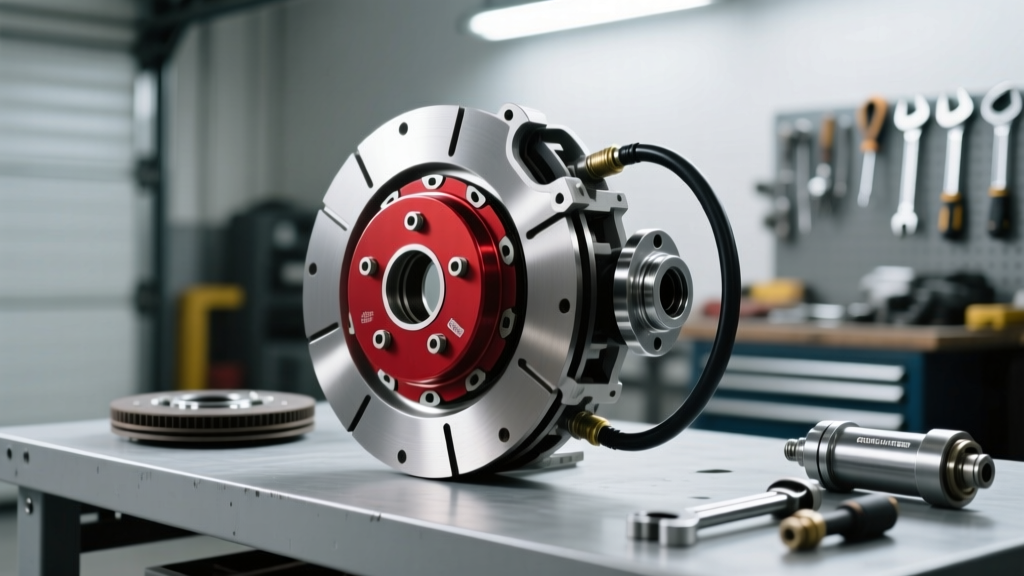
The most common culprit behind intermittent clutch slip—particularly when the vehicle is idling at a stoplight or operating at high ambient temperatures—is internal bypassing within the Clutch Master Cylinder (CMC). The CMC relies on a primary cup seal to maintain hydraulic pressure. Over time, microscopic scoring in the 14mm aluminum bore or degradation of the EPDM rubber seal allows brake fluid to bypass internally.
When this occurs, the clutch pedal may feel completely normal to the driver's foot, but the hydraulic pressure slowly bleeds off over 30 to 60 seconds. This causes the Concentric Slave Cylinder (CSC) to slowly retract, allowing the throwout bearing to lightly rest against the pressure plate diaphragm fingers. In a standard organic clutch, this might go unnoticed. But because the Rond Carré clutch utilizes a high-rate pressure plate (often exceeding 2,800 lbs of clamp load), even a millimeter of unintended bearing contact alters the clamp load distribution, resulting in intermittent slip that only occurs after the pedal has been depressed for an extended period.
Furthermore, CSC micro-weeping is a silent killer of high-performance friction materials. A weeping CSC will mist DOT 4 or DOT 5.1 hydraulic fluid onto the bellhousing. When the drivetrain heats up, this fluid vaporizes and condenses on the friction surfaces, causing intermittent, violent chatter during 1st and 2nd gear engagement. According to hydraulic system guidelines published by Bosch Mobility Solutions, thermal cycling of glycol-based fluids accelerates seal degradation in high-heat bellhousing environments, making routine fluid analysis critical.
Diagnostic Matrix: Isolating the Intermittent Fault
To avoid throwing parts at the vehicle, use the following diagnostic matrix to correlate the specific trigger condition with the probable root cause.
| Symptom | Trigger Condition | Probable Root Cause | Verification Test |
|---|---|---|---|
| Slip at high RPM | Only after 30+ mins of driving | CSC fluid weeping / Friction contamination | Inspect bellhousing inspection cover for fluid mist |
| Pedal sink / Slip at idle | Holding pedal down at red lights | CMC internal seal bypass | Zip-tie pedal depressed; measure CSC travel over 2 mins |
| Violent 1st gear chatter | Cold starts or high-load takeoff | DMF torsional spring fatigue | Pry-bar test on flywheel secondary mass (check freeplay) |
| Rev-hang / Perceived slip | Quick shifts between 2nd and 3rd | Clutch Delay Valve (CDV) restriction | Remove CDV from slave line; test engagement speed |
| Intermittent no-start | Randomly in cold or wet weather | Clutch Pedal Position (CPP) switch failure | Scan tool live data: monitor switch state while pumping pedal |
Electronic Interference: CDVs and Throttle Cutoff Switches
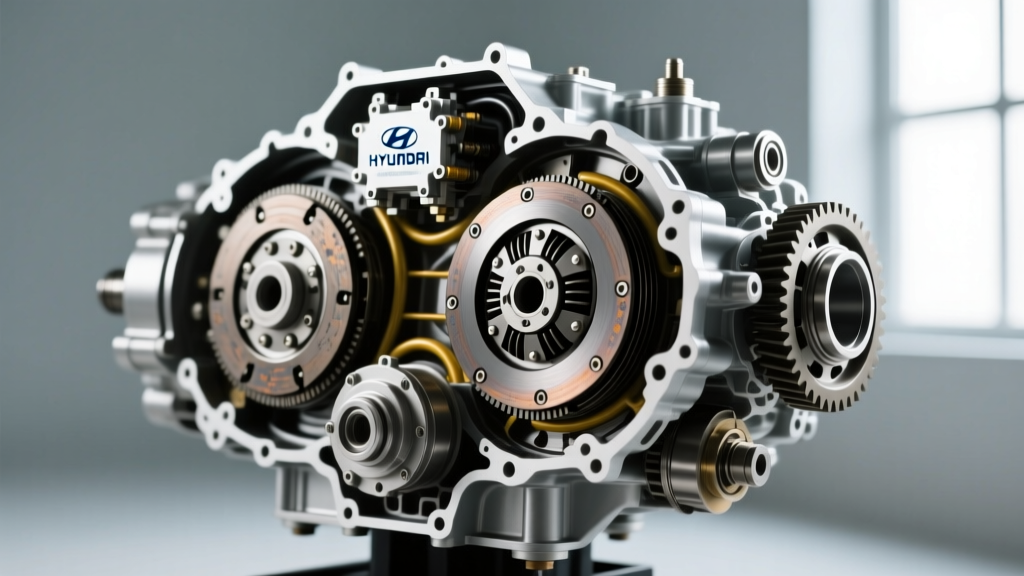
Modern manual transmissions are deeply integrated with the Engine Control Unit (ECU). Many performance platforms utilize a Clutch Delay Valve (CDV) in the hydraulic line to slow the rate of clutch engagement, protecting the driveline from shock loads during aggressive shifts. However, a failing CDV can intermittently restrict fluid return, preventing the CSC from fully retracting. This mimics the exact symptoms of a slipping clutch, as the pressure plate is never allowed to achieve 100% clamp load on the flywheel. If a driver reports that the Rond Carré clutch slips intermittently during rapid 2nd-to-3rd gear shifts, removing and inspecting the CDV (often located at the hard-line to soft-line junction near the transmission) is a mandatory first step.
Additionally, Clutch Pedal Position (CPP) switches dictate ECU throttle mapping. If the top-dead-center switch develops an intermittent open circuit due to vibration or moisture ingress, the ECU may mistakenly cut throttle or alter ignition timing during clutch engagement, creating a shudder that drivers frequently misdiagnose as mechanical clutch chatter.
Torsional Vibration: DMF vs. Sprung Hub Diagnostics
The friction material used in the Rond Carré clutch is exceptionally rigid to prevent heat-induced warping under high torque. Because the disc itself absorbs very little harmonic vibration, the burden of dampening torsional spikes falls entirely on the Dual Mass Flywheel (DMF). As the DMF internal grease dries out and the torsional arc springs fatigue, the secondary mass develops excessive rotational freeplay.
This results in an intermittent chatter that is highly dependent on engine RPM and load. You will typically hear a metallic "clunk" at idle, followed by aggressive chassis shudder when engaging the clutch between 1,200 and 1,800 RPM. As outlined in the diagnostic procedures by Schaeffler's RepXpert portal, a DMF exhibiting more than 1.5mm of axial runout or excessive rotational backlash (beyond the manufacturer's specified tooth-count tolerance) must be replaced. Pairing a rigid cerametallic clutch with a fatigued DMF is a guaranteed recipe for catastrophic drivetrain harmonics and premature pressure plate finger wear.
Resolution Protocol: Torque Specs and Replacement Data
When the diagnostic data confirms that the hydraulic system and flywheel are within specification, and a replacement of the clutch assembly is required, strict adherence to torque specifications is non-negotiable. The aggressive nature of performance clutches means that uneven pressure plate loading will immediately result in localized hot-spotting and a return of intermittent slip.
- Flywheel to Crankshaft (M12 Bolts): 65 Nm + 90 degrees of torque-to-yield rotation. Always use new OEM stretch bolts.
- Pressure Plate to Flywheel (M8 Bolts): 25 Nm. Must be tightened in a strict crisscross, star-pattern sequence in three progressive 8 Nm increments to ensure even diaphragm spring tension.
- CSC to Transmission Housing: 12 Nm. Over-torquing can warp the plastic guide sleeve, causing the bearing to bind intermittently on the transmission input shaft.
- Clutch Fork Pivot Ball: 22 Nm. Apply a high-temperature molybdenum disulfide grease to the pivot cup to prevent intermittent squeal during half-clutch engagement.
Finally, bleeding the system requires more than a simple manual pump. High-performance setups with complex hydraulic routing demand a pressure bleeder set to 35 PSI, utilizing high-temp DOT 5.1 fluid (which offers a dry boiling point of 272°C compared to DOT 4's 230°C) to prevent vapor lock during track use or heavy traffic. For deeper insights into friction material tribology and thermal degradation thresholds, refer to the technical papers published by SAE International.
By systematically isolating the hydraulic, electronic, and mechanical variables, technicians can accurately diagnose intermittent faults and ensure that high-performance drivetrain components operate flawlessly across all thermal and load spectrums.